


Hot Wheels was created by Mattel co-founder Elliot Handler and introduced on May 18, 1968. Its early “Original Sweet 16” lineup of customized hot-rod style die-cast cars and bright orange track revolutionized toy racing. From the outset Hot Wheels built a distinct identity – the flame logo (designed by art director Rick Irons) and the “Go With the Winner” slogan emphasized speed, excitement and competition. In its first decade Hot Wheels “disrupted” the die-cast industry and quickly became Mattel’s flagship toy car brand.

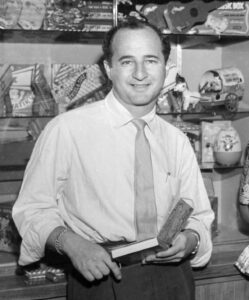
Over the years the brand has consciously leaned into its heritage: new releases often pay homage to classic models (e.g. 50th-anniversary remakes of the original 1968 cars) and the marketing evokes nostalgia for parents and collectors.
Today Hot Wheels’ identity balances its legacy – a symbol of youthful play and imagination – with a modern “challenges & achievements” ethos. For example, Mattel’s recent “Challenge Accepted” campaign portrays the toy as a tool for learning persistence and confidence, aligning the brand with positive parenting themes.
Top Marketing Strategies of Hot Wheels
1. Target Audience and Demographic Segmentation
Originally positioned for boys around ages 3–8, Hot Wheels’ audience strategy has broadened dramatically. The brand deliberately courts a cross-generational market: children are the primary purchasers, but adult collectors now drive a large share of sales.
In fact, one Mattel executive noted that Hot Wheels “targets a kid 3 all the way to a collector 60” – with many adults buying cars “fueled by nostalgia” and a love of automotive culture.
Industry data reflect this: about one-third of Hot Wheels’ global revenue now comes from adult collectors. By keeping prices very affordable (Hot Wheels cars start around $1.25 each) and introducing collector-focused series (e.g. limited editions and “Treasure Hunt” premiums), the brand appeals both to budget-conscious parents and to hobbyists.
Internationally, Hot Wheels also segments by region: in global markets (over 150 countries) it may emphasize certain themes or retailer partnerships. In all cases, Mattel tailors Hot Wheels messaging and product lines to resonate with core child demographics (age 4–12, mostly boys) while also speaking to “kidult” enthusiasts who grew up with the brand.
2. Traditional Advertising (TV, Print, Outdoor)
From its earliest days Hot Wheels has used mass media to build excitement.
Classic TV commercials and print ads showcased Hot Wheels cars doing impossible stunts – loops, jumps and crashes – playing up the “hot rod” fantasy. In the 1960s–70s the brand’s mainstream advertising (often on children’s TV shows) emphasized the orange track sets and speed.
One marketing analysis notes that Hot Wheels’ early campaign “spread the global brand messaging” through high-profile stunts and multi-channel exposure. Taglines like “Go With the Winner” underscored that adventurous, competitive identity.
Over time Hot Wheels has maintained a presence in TV commercials (often on family and kids’ channels), magazine ads and billboards. For example, Mattel has run TV spots tied to movie and event tie‑ins (see below) and placed fun, car-themed ads in print outlets like parenting magazines.
The brand also integrates Hot Wheels into broader retailer and sponsor campaigns: Hot Wheels toys appeared in McDonald’s Happy Meal promotions, and cross-promotional tie-ins (Shell gas stations, car washes, auto shows, etc.) have occasionally featured Hot Wheels imagery.
In short, traditional media campaigns reinforce Hot Wheels’ core themes (speed, competition, creativity) while maintaining broad visibility through TV, print and outdoor channels.
3. Digital Marketing (YouTube, Social Media, Apps, Websites)
Hot Wheels has aggressively expanded into digital platforms. The brand maintains active channels on YouTube, Facebook, Instagram, TikTok and Snapchat, often blending short-form and long-form content. In 2024–25 Hot Wheels ramped up its digital presence with campaigns like “Driven To Be Legendary,” launching official TikTok and YouTube channels targeted at both kids and nostalgic adults.

These channels showcase creative content (for example, videos converting toy cars into real race cars and vice versa) designed for viral engagement. One industry analysis reports that in its first year on TikTok/YouTube, Hot Wheels “blew past” launch goals – amassing 208 million views and 550,000 new followers.
Behind these social efforts is a dedicated “digital content innovation” team. Mattel partnered with Fullscreen (a digital studio) to create video and social content for Hot Wheels. As part of this strategy, Hot Wheels even built a program wherein content creators use Hot Wheels iconography to generate new videos. Mattel executives have noted that “YouTube content was the strongest driver of incremental Hot Wheels growth”, highlighting the effectiveness of online video in boosting the brand.
Hot Wheels’ own website and mobile app (HotWheels.com and the Hot Wheels id app) serve as hubs for fans to track cars and participate in challenges. The Hot Wheels id line (smart track with RFID chips and a companion app) exemplifies how the brand integrates tech into play and marketing, blending physical products with digital experiences. In all, Hot Wheels’ digital marketing emphasizes video storytelling, social engagement and interactive online experiences to complement its traditional ads.
4. Influencer Marketing and Creator Partnerships
Recognizing the power of influencers, Mattel actively collaborates with content creators and automotive personalities. Beginning in 2017, Mattel formed a “Hot Wheels digital content innovation team” with Fullscreen explicitly to engage kids-and-family influencers. By leveraging popular YouTubers and TikTokers (often in the auto or toy space), Hot Wheels amplifies its reach.
For example, the brand’s digital campaigns have featured well-known pro drivers and custom-car builders. In the “Driven To Be Legendary” social campaign, Hot Wheels “partnered with pro drifters and drivers” to create short interview videos showing them with their life-size race cars and matching Hot Wheels models.
These collaborations tap into the influencers’ fanbases and lend authenticity to the “Garage Spirit” theme. Likewise, toy-reviewer and gamer influencers often get early Hot Wheels samples or exclusive series – a classic strategy in the toy industry. Overall, Hot Wheels treats creators as co-promoters rather than just ad channels; by “giving ’em their own cars,” the brand uses influencer content as an organic extension of its campaigns.
5. Experiential Marketing and Brand Activations
Hot Wheels has long invested in live experiences that let fans engage directly with the brand. Its most notable activation is the Hot Wheels Legends Tour, a global custom-car competition. This traveling event (now in its 8th year) invites car enthusiasts worldwide to showcase custom vehicles for a chance to be immortalized as a Hot Wheels model.
The tour has expanded from U.S. regional events into 13+ countries, often partnering with retailers and sponsors (Walmart, Mobil 1, etc.). The Legends Tour doubles as community building – celebrating grassroots builders – and as marketing, since every winning car becomes a new Hot Wheels collectible.
Another recurring activation is Hot Wheels Monster Trucks Live – a touring show of full-size monster truck stunts (and branded monster truck Hot Wheels toys). The brand also stages record-breaking stunts at events: for instance, “Team Hot Wheels” drivers (like Tanner Foust) have set world distance jumps in Hot Wheels‑themed cars, reinforcing the brand’s daredevil image.

In one campaign, Hot Wheels’ agency even orchestrated a series of “high-profile world-record vehicle stunts” combined with TV/web specials to reach a broad audience. Smaller-scale activations include Hot Wheels play zones at malls, pop-up track-building events, and contest booths at motorsports races. By creating these immersive experiences – from life-size tracks to interactive showcases of toy innovation – Hot Wheels turns marketing into memorable family outings and fan gatherings, strengthening brand affinity.
6. Product Innovation and Themed Releases
Hot Wheels’ marketing is closely tied to its constant stream of new products and themed lines. The brand frequently rolls out special series to generate buzz.
These include licensed franchises (Batmobile and other DC Comics cars, Star Wars pods, Ghostbusters Ecto-1, Scooby-Doo Mystery Machine, etc.) and original themes (e.g. Mario Kart, Team Hot Wheels, Kar Speedway sets). Mattel carefully times releases to movie and cultural moments. A recent example is the Hot Wheels F1® The Movie die-cast: a gold‑and‑black Hot Wheels car tied directly to the Brad Pitt film, created as a collectible ahead of the movie release.


This $25 limited-edition release (with premium packaging and details like Pirelli tires) shows how Hot Wheels moves into the adult collector space via high-quality variants.
Beyond licenses, Hot Wheels innovates its own formats: the Hot Wheels ID system (introduced 2019) combined physical cars with a smartphone app and smart track to engage tech-savvy kids. Similarly, Hot Wheels video games (such as the racing series and Monster Trucks: Stunt Mayhem) serve both as products and marketing tie-ins.
Importantly, limited-edition runs and “treasure hunt” cars (rare finds in regular assortments) are a deliberate strategy to drive collector excitement and repeat purchases. Each year Hot Wheels introduces new bi-metal cars (with die-cast bodies), themed vehicles, and interactive playsets, which are then featured in ads and digital content. In sum, Hot Wheels’ product pipeline – from fantasy hot rods to licensed replicas to tech-enhanced cars – is a core part of its marketing narrative, providing fresh stories and unboxing moments for ads, social posts and fan discussions.
7. Licensing, Merchandising, and Cross-Promotions
Licensing and merchandising are major pillars of Hot Wheels’ marketing.
Mattel has extended the brand far beyond toys: Hot Wheels appears on apparel, home goods and accessories targeting kids and adult fans alike. For instance, a collaboration with motocross lifestyle brand Fasthouse resulted in a Hot Wheels clothing line (“Fasthouse × Hot Wheels” tees, jackets and gear) that celebrates their shared 1968 heritage of speed and stunts.


Mattel Creations (the company’s DTC platform) also sells exclusive Hot Wheels merch – from hoodies and mugs to collectible scale models – often timed with anniversaries or fan events. In the entertainment arena, Hot Wheels partners with movies, TV and gaming. It has active cross-promotions with film studios and game publishers; besides the F1 movie tie-in, Mattel is developing a live-action Hot Wheels feature film with J.J. Abrams’ Bad Robot.
Video games featuring Hot Wheels (both console titles and mobile apps) are co-promoted – for example, Mattel and GameMill released Hot Wheels Monster Trucks: Stunt Mayhem with simultaneous press and social campaigns. Clothing retailers and entertainment brands have also teamed up with Hot Wheels: Wrangler launched a jeans-and-denim Hot Wheels collection, Hot Topic maintains a Hot Wheels apparel line, and graphic-novel publisher Tokyopop produces Hot Wheels-themed manga for young fans.
Cross-promotional tie-ins have included Nickelodeon (as Hot Wheels was an official sponsor of Teenage Mutant Ninja Turtles events) and partnerships with companies like McDonald’s (Happy Meals) and Shell (promotional racing kits) to place Hot Wheels products in broader family contexts. Each cross-promotion is used as a marketing touchpoint: the promotions are announced in press releases, promoted on social media, and often generate limited-edition products (e.g. a McD-exclusive Hot Wheels car or a special Fuel Car run).
Overall, Hot Wheels’ licensing strategy treats the brand as lifestyle: by appearing in movies, games, fashion and other kids’ products, the brand stays top-of-mind and feels culturally relevant rather than just a toy on a shelf.
8. Collaborations with Automotive Brands and Motorsport Events
A key part of Hot Wheels’ global strategy is aligning with the real automotive world. Mattel has secured licenses from nearly every major automaker to produce die-cast scale models of their real vehicles. These partnerships allow Hot Wheels to use authentic car designs and blueprints, giving car companies a way to reach younger audiences.
Beyond product licensing, Hot Wheels actively partners with motorsport organizations. In 2024, Mattel announced a multi-year global partnership with Formula 1. This deal will see F1 liveries and team cars recreated as Hot Wheels, timed with races and F1’s own fan activations. For example, a one-of-a-kind F1 car (with special Hot Wheels livery) was launched to coincide with a Grand Prix, and future Hot Wheels sets will feature all 10 F1 teams.
As part of this partnership, Hot Wheels branding will appear at Grand Prix events (fan zones, race merchandise shops, etc.), effectively placing the toy brand in front of global racing audiences. Hot Wheels marketing materials emphasize the “shared passion for cars and racing” between the brands.
Similarly, Hot Wheels partners with other racing franchises. The brand is a longtime sponsor of Speed and X Games events (it helped launch stunt competitions) and occasionally fields “Team Hot Wheels” entries in drifting and rally events. Monster Jam (monster truck racing) has featured Hot Wheels-branded trucks, tying into the Monster Trucks Live shows.
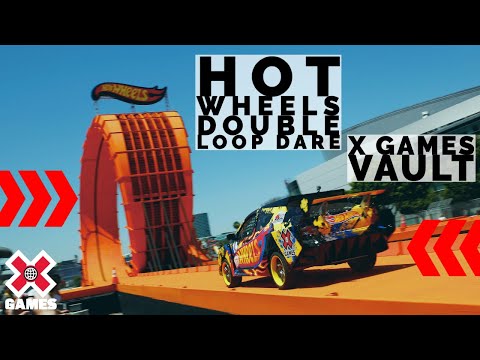
Even NASCAR and local auto shows sometimes feature Hot Wheels displays or giveaways. These collaborations reinforce Hot Wheels’ authenticity to car fans: by associating with real drivers and professional racing, the toy brand underscores that it is about genuine car culture, not just playtime. Executives explicitly link Hot Wheels to its “challenger spirit” and performance roots, noting that “Hot Wheels is all about thrill and car performance” – a message repeated in partnership announcements.
In short, by aligning marketing with real-world motorsports (especially the F1 and Monster Truck partnerships), Hot Wheels extends its reach into enthusiast communities and gains credibility as the toy link to the automotive world.
9. Retail Strategies and Distribution
Hot Wheels is distributed on a massive global scale. Mattel sells Hot Wheels through virtually every major retail channel: big-box toy stores (Walmart, Target, Toys“R”Us in countries where it still operates), grocery chains, dollar stores and online marketplaces. The brand’s strategy is “omnichannel”: making sure Hot Wheels are present wherever parents and kids shop.
For example, Mattel routinely strikes exclusive runs for specific retailers (like Walmart’s Target-exclusive color variants) to drive in-store traffic. At the same time, Hot Wheels embraces e-commerce. Mattel Creations (the online collector store) sells exclusive vehicles and apparel direct to consumers. Digital retail partnerships (Amazon, eBay-certified, Shein apparel drops) also feature Hot Wheels gear. In emerging markets (Asia, Latin America, etc.), Mattel works with local distributors to place Hot Wheels in regional toy chains and supermarkets. A marketing overview notes that Mattel has teamed up with partners like McDonald’s, Shell and others “so that [Hot Wheels] products are easily accessible worldwide”.
Internationally, Hot Wheels tailors distribution and promotion. The brand is officially sold in over 150 countries, and marketing materials are localized in dozens of languages. In some Asian markets, Hot Wheels tracks and playsets are highlighted in TV shopping channels, while in Europe or Latin America there are large in-store racing displays during holiday seasons.
Mattel also stages special roadshows with retailers – for example, multi-city Hot Wheels track build events or collector fairs – to drive excitement. Additionally, Hot Wheels media (commercials, YouTube ads) often link to web portals where consumers can find local store listings or buy direct. Overall, the retail strategy is to saturate both brick-and-mortar and online channels globally, using heavy shelf presence, retailer-exclusive promotions and a strong e-commerce front to reach all demographics.
10. Content Marketing and Storytelling
Hot Wheels leverages content marketing heavily to tell its brand story. This includes both branded entertainment and user-focused storytelling. The Hot Wheels Legends Tour itself is turned into a series of web episodes and social videos (often featuring celebrity judges like Jay Leno) which draw in fans much like a TV talent show. Mattel produces behind-the-scenes web series showing how Hot Wheels cars are designed and made – mini-documentaries that appeal to both kids and car lovers. On social media, Hot Wheels shares stories of “garage spirit” and car culture, often highlighting real fan builds and their journeys.

A recent campaign (“Challenge Accepted”) was narrative-driven: a short film-style ad (“Try, Fail, Repeat, Grow”) depicts a child learning life lessons through Hot Wheels play. In general, Hot Wheels content marketing blurs the line between product showcase and storytelling. By crafting each new release as part of a broader story (for example, presenting a superhero-licensed car within the context of that hero’s world), the brand taps into emotional engagement. Even its die-cast packages often come with mini-comics or QR-linked videos.
Crucially, Hot Wheels uses nostalgia-driven storytelling to bind the community. Marketing materials frequently cite decades of history and multi-generational play. Promotional campaigns will reminisce about parents’ childhood memories of Hot Wheels, reinforcing the idea that every car is part of a shared legacy. As one marketer notes, Hot Wheels “encapsulates nostalgic elements, highlighting its enduring legacy” to “connect emotionally with consumers… [making products] resonate with both children and collectors alike”.
11. Use of Nostalgia and Adult Collector Engagement
Nostalgia is a deliberate strategy for Hot Wheels. Marketing emphasizes that the same cars grandparents raced as kids are now available to their grandchildren. Limited-edition re-releases of classic models (often under “Hot Wheels Originals” or anniversary banners) target adults who fondly remember the originals.
The brand openly courts collector culture: it has an official Hot Wheels Collectors Club (with magazines and conventions) and promotes high-end collectibles (e.g. die-cast replica 1:1 vehicles shown at car shows). In recent years, marketing content shifted to include adults alongside kids.
For instance, Mattel’s SVP of marketing said Hot Wheels needed to “re-earn their place with grown car lovers,” prompting campaigns that highlight real car parallels and adult participation. Social posts often feature 30- to 40-somethings curating collections, and Hot Wheels-themed event nights or bars. In short, nostalgia isn’t just a theme – it’s built into the brand’s identity, and marketing uses it to keep older fans engaged while introducing them as role models for new generations.
12. Brand Community Building and Fan Engagement
Hot Wheels has cultivated a passionate fan community and seeks to deepen it. On social media, the brand encourages user-generated content (UGC) – kids (or parents) posting custom tracks, car collections or race videos. Contests like “design a dream car” or “best stunt video” generate thousands of submissions, turning fans into co-creators.
The Hot Wheels Legends Tour, Monster Truck shows and meetups also serve as community events where fans interact and share. Mattel amplifies community engagement by featuring fan stories on its channels. In 2024, Hot Wheels announced a global affiliate program (Mattel Creations Affiliate) for creators and collectors to collaborate, offering commissions and perks to online ambassadors.
There are also official collector clubs and forums around the world (e.g. Hot Wheels Club Europe) that Mattel supports with exclusive product announcements and collector swag. These initiatives – social challenges, fan contests, local club endorsements and celebration of user stories – create a sense of belonging.
As one analysis notes, Hot Wheels invites its audience “to join a vibrant community,” and uses interactive campaigns (like custom car contests) that “generate enthusiasm and loyalty”. In effect, the marketing does not end at the purchase: Hot Wheels keeps customers engaged through content, events, and shared brand experiences long after the toy is bought.
Performance Metrics and Campaign Impact
Recent data attest to Hot Wheels’ marketing success. By 2023 Hot Wheels achieved record performance: global sales grew 14% year-over-year to $1.43 billion, and unit sales hit roughly 709 million cars – about 22.5 cars sold per second. Circana market research named Hot Wheels the #1 selling toy in the world in 2023 (by units). Social engagement metrics are similarly impressive: after launching its new TikTok/YouTube strategy, Hot Wheels garnered 208 million video views and 550,000 new social followers within a year.
Each major campaign has measurable reach: for example, the F1 movie car launch was timed with millions of anticipated fans (F1 has ~500 million viewers annually) and generated sold-out runs of collector models. Even niche initiatives like the Legends Tour create social buzz (Instagram hashtags, press coverage, live-stream viewership). While Mattel does not disclose all campaign metrics, these public figures underscore the impact: Hot Wheels’ strategic marketing is translating into both revenue and audience growth across demographics.
In summary, Hot Wheels’ marketing strategy blends deep brand heritage with modern engagement. It leverages nostalgia and toy innovation to span audiences, uses multimedia and experiences to create cultural moments, and constantly measures success through sales and digital metrics. The result is a globally resonant brand that has remained “hot” for over five decades.
Also Read: Marketing Strategies and Marketing Mix of Mattel
To read more content like this, subscribe to our newsletter
Go to the full page to view and submit the form.