


Online, attention is more valuable than ever, but most brands still try to buy it instead of earning it. A quiz marketing strategy takes a different approach, using curiosity instead of interruption.
Think of quizzes as a digital conversation. Each question invites participation, and every answer gives you a bit more insight. Quizzes can turn idle scrolling into self-reflection, helping your brand become part of the customer’s story.
Why Quizzes Deserve a Seat in Your Content Strategy
Scroll fatigue is real. Even the best static content can get lost in the crowd. Quizzes stand out by inviting people to interact. This small effort keeps users on your page longer and helps them connect with your message.
Quizzes can convert up to 40% of visitors into leads and even outperform conventional landing pages. But the real advantage of a quiz marketing strategy isn’t just higher conversion rates. It’s context. You’re not collecting random emails; you’re learning who your leads are and what they care about.
That behavioral data helps improve all your other channels, from email campaigns to ad retargeting. In short, quizzes make your marketing smarter by giving your brand more useful information.
Designing Quizzes That Fit Brand Goals
Not every quiz fits your marketing funnel. A good quiz marketing strategy starts by matching the quiz type to your goal. Here’s how to approach it:
- Personality quizzes make audiences feel seen. They help with brand affinity and psychographic segmentation.
- Knowledge quizzes test expertise and position your brand as an authority.
- Product recommendation quizzes shorten the buying journey by guiding decision-making.
- Playful or trend-based quizzes fuel awareness and organic shares.
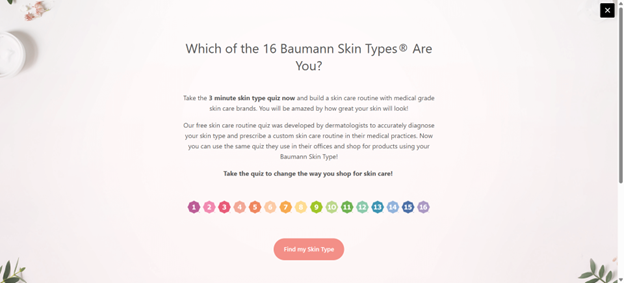

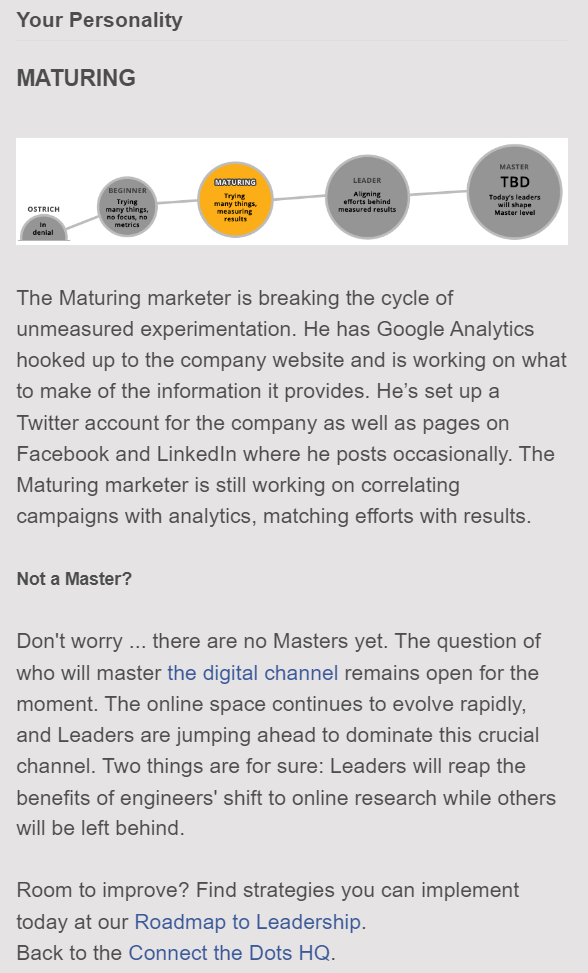
If you’re a skincare brand, a quiz like “What’s Your True Skin Type?” leads to personalized product pages. If you’re in B2B, “What’s Your Marketing Maturity Level?” opens the door for targeted resources.
The real key isn’t the format, but relevance. Every question should have a clear purpose, and each result should lead to a next step.
Understand Your Audience Before You Build
Empathy is at the heart of every good quiz. Before you create a quiz, take time to listen. What are your customers curious about? What decisions are hard for them? What goals or identities matter to them?
A strong quiz marketing strategy turns those desires into answers people want to discover. A good quiz isn’t random; it acts like a mirror, showing your audience their goals and positioning your brand as a helpful guide.
For example, a SaaS company focused on busy marketers could offer a quiz called “How Efficient Is Your Content Workflow?” The questions help identify problem areas, and the results point users to helpful tutorials or tools. It’s not a sales pitch; it’s a helpful recommendation.
Choosing the Right Platform for Execution
A smooth experience is key. Choose a quiz platform that gives you creative freedom and control over your data. Here are some features to look for:
- A drag-and-drop builder that doesn’t demand a designer.
- Mobile responsiveness (because attention spans shrink on small screens).
- Built-in analytics to track completions and drop-offs.
- Integrations with CRM, email, and automation tools.
Your quiz software should let you design branded quizzes, embed them anywhere, and send responses straight to your marketing system. It’s made for marketers who want accuracy without extra hassle.
A platform is more than just a delivery tool. It also reflects your brand’s tone, design, and message.
Write Like You’re Having a Conversation
The biggest mistake in quiz writing is making it sound like a survey. A quiz should feel personal. Write questions as if they’re coming from a friend, not a form.
Avoid long paragraphs and technical terms. Keep your writing short, visual, and emotionally engaging. For example:
“Your workday starts with…”
a) A perfectly timed to-do list
b) A flurry of half-open tabs
c) Coffee first, clarity later
Results are important, too. Each outcome should feel personal, offering a mix of encouragement, honesty, and invitation. If your quiz stops at “You’re Type A!” it misses the point. Connect every result to an action, like downloading a resource, exploring a product, or joining a newsletter.
The voice of your quiz is your brand voice, condensed and distilled.

Distribute Quizzes Across Multiple Channels
Your quiz doesn’t belong in one corner of your website. For maximum visibility:
- Embed it in relevant blog posts.
- Share snippets or result images on social media.
- Add quiz CTAs to newsletters (“Haven’t taken our quiz yet?”).
- Use paid ads to promote high-performing quizzes instead of generic landing pages.
A smart quiz marketing strategy uses each channel to boost your message. Quizzes create engagement loops, and every share or result helps your reach grow naturally.
For instance, when someone posts “I’m a Strategic Visionary!” from your quiz, their network becomes your next potential audience.
From Curiosity to Conversion: Lead Gen That Feels Natural
Quizzes don’t just ask for data; they earn it. Each answer is a small step forward. When you ask for an email at the end, it feels like a fair exchange, not a trick.
Use branching logic to adapt the quiz flow based on responses. That way, a single quiz can serve multiple audience segments without extra forms. Once captured, feed that data into your CRM and automate personalized follow-ups.
The best quiz marketing strategies use insights from quiz results to guide future campaigns, such as content recommendations, product suggestions, or retargeting ads that match quiz outcomes.
Measure What Actually Matters
Vanity metrics don’t tell the full story. Measure the quality of engagement, not just volume.
Track:
- Completion rate (how well your quiz holds attention)
- Lead capture rate (conversion per start)
- Post-quiz actions (clicks, downloads, purchases)
If one quiz result consistently converts better, analyze what emotional trigger it taps into. That’s your blueprint for refining tone, visuals, and messaging elsewhere.
A quiz marketing strategy is always evolving. Each round of data shows how your audience thinks, acts, and changes—insights you can’t get from basic analytics.
Sustain the Momentum
Don’t treat quizzes as one-time novelties. Rotate new topics, tweak visuals, and test headlines seasonally.
Tie quizzes to upcoming campaigns, events, or launches. Build a library of interactive experiences that keep your audience coming back.
The long-term goal isn’t just to collect leads. It’s to understand behavior and make your marketing more adaptive, human, and lively.
Conclusion
A good quiz marketing strategy isn’t about tricks or clickbait. It’s about building a connection, giving your audience a chance to reflect, and giving your brand valuable insights.
Quizzes connect curiosity with business goals. They turn engagement into real relationships. When you build them with empathy, good design, and data, quizzes become conversations that can grow with your brand.
If content is the language of your brand, quizzes are how you finally listen back.
To read more content like this, explore The Brand Hopper
Subscribe to our newsletter
Go to the full page to view and submit the form.