


Choosing the right digital marketing partner is crucial for contractors and home improvement companies aiming to expand their reach and attract quality leads. A well-selected agency understands your industry, offers comprehensive services, and delivers measurable ROI. This guide outlines key criteria to evaluate agencies, helping you make informed decisions that support sustainable business growth.
Defining Your Business Goals and Priorities
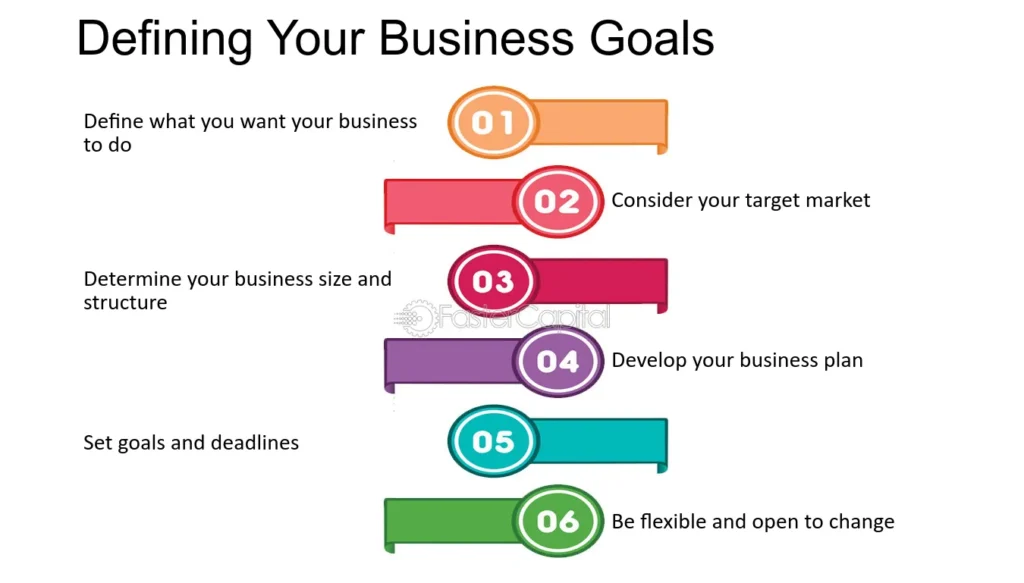

Before searching for a digital marketing partner, clarify your marketing objectives and target audience. Clear goals allow you to measure success and align efforts with your business vision.
Setting Clear Marketing Objectives
Determine what you want to achieve, whether it’s increasing website traffic, boosting qualified leads, improving brand awareness, or expanding into new regional markets. Concrete goals might include:
- Increasing monthly website visits by 30% within six months
- Generating 50 new qualified leads per month
- Enhancing social media engagement by 25%
Understanding Your Target Audience
Identify the demographics, needs, and behaviors of your ideal customers. For home improvement companies, this often includes homeowners in specific geographic areas, such as the Chicago metropolitan region. Knowing your audience helps tailor SEO and social media strategies effectively.
Evaluating Digital Marketing Agencies
Choosing a marketing partner requires assessing their expertise, portfolio, pricing, and cultural fit.
Assessing Expertise and Specializations
Look for agencies specializing in contractor marketing or home services. Their industry knowledge ensures they understand market dynamics and compliance requirements. For example, Comrade Digital Marketing Agency excels in contractor SEO and offers a transparent, data-driven approach tailored for home improvement companies.
Reviewing Portfolios and Case Studies
Request case studies with quantitative results and ROI metrics. Proven success stories demonstrate an agency’s ability to deliver measurable outcomes. For instance, an agency might showcase how they increased organic traffic by 40% for a remodeling client through targeted SEO campaigns.
Analyzing Pricing Models and ROI Expectations
Digital marketing agency pricing models vary widely. Common structures include:
| Pricing Model | Description | Best For |
| Fixed Monthly Retainer | Set fee covering ongoing services | Long-term partnerships |
| Project-Based | One-time fee for specific campaigns or projects | Short-term or one-off projects |
| Performance-Based | Payment tied to lead generation or sales | Results-driven budgets |
Understanding these models helps set realistic budgets and expectations. An agency should provide transparent reporting to track ROI clearly.
Core Digital Marketing Services Explained
A comprehensive marketing partner offers integrated services that work together to build your online presence and attract leads.
SEO and Content Marketing Integration
Effective SEO improves your website’s visibility on search engines. Coupling SEO with content marketing—such as blog posts, project highlights, and local guides—engages visitors and builds authority. For contractors, targeted keywords and localized content are essential. Learn more about choosing a contractor SEO agency that specializes in this integration.
Social Media and Paid Advertising Strategies
Social media platforms like Facebook, Instagram, and LinkedIn offer channels to connect with potential clients. Paid advertising, including pay-per-click (PPC) campaigns, boosts reach and targets specific demographics. For instance, a roofing company can benefit from specialized roofing social media strategies to highlight projects and testimonials. Combining organic and paid tactics maximizes lead generation.
Website Design and User Experience
Your website is the hub of your online presence. It should be fast, mobile-friendly, and easy to navigate. Clear calls-to-action (CTAs) and intuitive landing pages guide visitors toward contact or booking services. A well-designed site also reinforces brand credibility and supports SEO efforts.
Lead Generation and Conversion Optimization
Generating leads is only half the battle—converting them into customers is equally important.
Techniques for Consistent High-Quality Leads
Effective lead generation involves targeting the right audience with compelling offers. Methods include:
- Local SEO to attract nearby customers
- Retargeting ads for visitors who didn’t convert initially
- Offering free consultations or estimates via web forms
Effective Call-to-Actions and Landing Pages
CTAs should be clear and persuasive, prompting users to take specific actions like “Request a Quote” or “Schedule a Consultation.” Landing pages must be focused, fast-loading, and relevant to the ad or search query that brought the visitor there.
Building a Long-Term Partnership
Successful digital marketing is a marathon, not a sprint. Establishing a strong partnership with your agency fosters continuous growth.
Measuring Success and Reporting
Regular reports with transparent data on key metrics—traffic, leads, conversions, and ROI—keep you informed. Discuss how the agency tracks and communicates progress.
Communication and Collaboration Best Practices
A good agency values open, timely communication. Discuss preferred channels, meeting frequency, and responsiveness during the onboarding process to set expectations.
Digital Marketing Agency Onboarding Process
A smooth onboarding process ensures alignment and efficiency. Typical steps include:
- Initial discovery call to understand goals and challenges
- Audit of current marketing efforts and website
- Strategy development and proposal presentation
- Agreement on scope, timelines, and deliverables
- Kickoff meeting with key stakeholders
- Implementation and regular check-ins
Emerging Trends and Technologies
Staying current with innovations can give your marketing an edge.
AI and Automation in Digital Marketing
AI tools optimize ad targeting, content creation, and customer segmentation. Automation streamlines tasks like email campaigns and social media scheduling, freeing your team to focus on strategy.
Integrating Offline and Online Campaigns
Combining traditional marketing—such as direct mail or local events—with digital efforts amplifies reach. Coordinated messaging ensures brand consistency and reinforces calls-to-action across channels.
Evaluating Agency Culture and Communication Style
Beyond skills and pricing, the right agency culture is key for a fruitful partnership. Consider:
- Responsiveness and transparency
- Alignment with your company values
- Willingness to educate and collaborate
- Flexibility to adapt to changing business needs
Building rapport early can prevent misunderstandings and strengthen trust.
Legal and Compliance Considerations in Digital Marketing
Agencies should be knowledgeable about industry regulations, including data privacy laws like GDPR and CCPA. Ensuring your campaigns comply protects your business from legal risks and fosters consumer confidence.
Tools and Software for Managing Agency Relationships
Utilizing project management and reporting tools enhances collaboration. Platforms like Trello, Asana, or HubSpot CRM enable clear task tracking and communication, ensuring everyone stays on the same page.
Challenges and Common Pitfalls in Agency Selection
Beware of agencies that:
- Overpromise quick results without data to back claims
- Lack transparency in pricing or reporting
- Use generic strategies without industry or local market focus
- Have poor communication or miss deadlines
Diligent research and reference checks mitigate these risks.
Case Study Snapshot: Remodeling Company SEO Success
A Chicago-area remodeling client partnered with a specialized agency focusing on SEO for remodelers. Within eight months, organic traffic increased by 45%, and lead inquiries grew by 60%, resulting in a 35% rise in booked projects. Transparent monthly reporting highlighted ROI, building confidence for ongoing investment.
FAQs About Choosing a Digital Marketing Partner for Contractors
How can I attract more high-paying clients?
Focus on targeted SEO and social media campaigns that highlight your expertise and quality work. Use testimonials and portfolio content to build trust.
Is paid advertising worth it for small contractors?
Yes, especially when combined with organic strategies. Paid ads provide immediate visibility and help target specific customer segments effectively.
What should I expect in a digital marketing agency onboarding process?
Expect discovery sessions, audits, strategy presentations, and clear timelines. A good onboarding sets the foundation for collaboration and success.
How do I evaluate an agency’s culture?
Assess communication style, responsiveness, transparency, and willingness to understand your business goals during initial interactions.
Choosing the right digital marketing partner lays the foundation for sustainable growth and increased lead generation. By defining clear goals, thoroughly evaluating agencies, and fostering transparent, collaborative relationships, contractors can maximize the benefits of SEO and social media integration to expand their reach.
To read more content like this, explore The Brand Hopper
Subscribe to our newsletter
Go to the full page to view and submit the form.