


The music streaming industry has completely revolutionized how we consume audio, generating over $20 billion annually and accounting for the vast majority of global music revenue. At the very center of this audio revolution are two undisputed titans: Spotify and Apple Music.
While both platforms boast libraries of over 100 million songs, their approaches to music distribution, user experience, and brand strategy couldn’t be more different. For marketers, tech enthusiasts, and audiophiles alike, the battle between Spotify and Apple Music is a masterclass in product positioning.
So, which platform truly reigns supreme in 2026? Let’s break down the ultimate streaming showdown.
1. The Business Models: Freemium Funnel vs. Premium Ecosystem
To understand the product, you have to understand the underlying business and marketing strategies. Spotify and Apple Music operate on entirely different monetization models.
-
Spotify’s Freemium Machine: Spotify operates one of the most successful freemium models in the consumer tech space. With over 600 million total monthly active users, Spotify uses its free, ad-supported tier as a massive top-of-funnel marketing tool. The free tier creates brand awareness and uses strategic friction (ads, shuffle-only playback on mobile, limited skips) to organically push users toward the paid Premium tier. Advertising accounts for about 12-15% of Spotify’s revenue, subsidizing the free users until they convert.
-
Apple Music’s Ecosystem Lock-In: Apple Music takes a subscription-only approach. There is no free tier—only a free trial (often bundled with the purchase of Apple hardware). By eliminating a free tier, Apple signals premium exclusivity. More importantly, Apple Music functions as a retention tool for the broader Apple ecosystem. Deep integration with iOS, HomePod, AirPods, and Apple Watch creates high switching costs. Apple doesn’t just want you to buy music; they want to keep you locked into buying iPhones.
2. Audio Quality: The Audiophile’s Choice
When it comes to pure sound fidelity, there is a clear winner.
-
Apple Music: Apple sets the gold standard for mainstream audio quality. It offers Lossless Audio (ranging from CD quality 16-bit/44.1 kHz up to High-Resolution 24-bit/192 kHz) at no extra cost. Furthermore, Apple’s Spatial Audio with Dolby Atmos creates a highly immersive, three-dimensional listening experience that makes you feel like you are inside the studio.
-
Spotify: Spotify currently streams in Ogg Vorbis format at a maximum of 320 kbps for Premium users (and 160 kbps for free users). While perfectly fine for casual listening, it lacks the depth and clarity of lossless audio. Spotify has teased a “HiFi” or “Supremium” tier for years, but as of early 2026, Apple Music unequivocally holds the crown for sound quality.
3. Algorithms vs. Human Curation: Music Discovery
A streaming service is only as good as its ability to help you find your next favorite song.
-
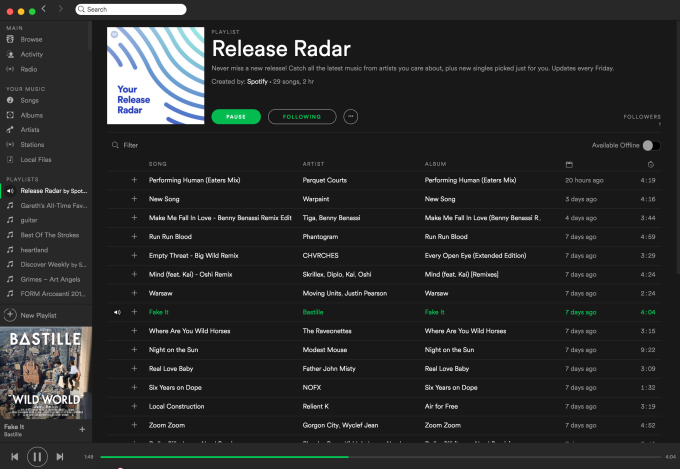
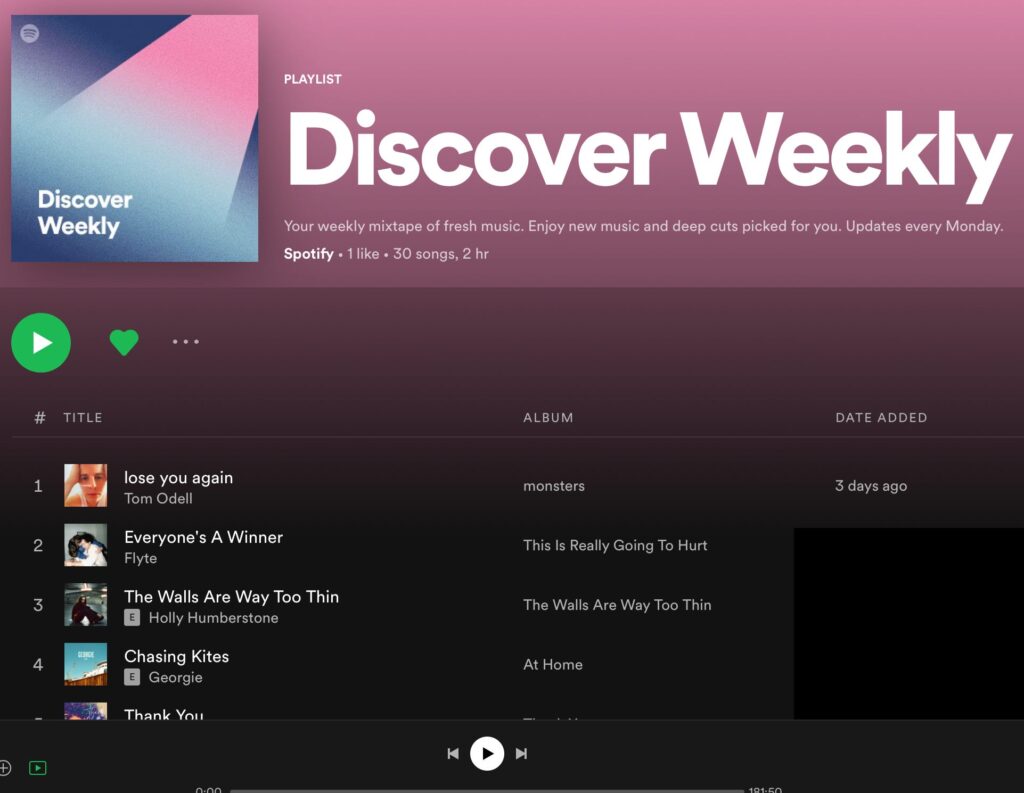
Spotify’s Algorithmic Dominance: Spotify’s recommendation engine is industry-leading. Features like Discover Weekly, Release Radar, and the AI-powered DJ analyze your listening habits with frightening accuracy to serve up hyper-personalized playlists. Spotify excels at understanding micro-genres and adapting to your mood in real-time.


-
Apple Music’s Human Touch: While Apple Music features personalized mixes (like the Discovery Station), its true strength lies in editorial, hand-picked curation. Apple relies heavily on real music experts, terrestrial-style live radio stations (Apple Music 1), and exclusive artist interviews. It feels less like a tech platform and more like a digital record store curated by music purists.
4. Content Variety: Just Music vs. The Audio Super-App
-
Apple Music: Stays true to its name. It is a dedicated platform for music, music videos, live studio performances, and radio. It keeps the UI clean and strictly focused on musicians and bands.
-
Spotify: Has evolved into an all-in-one audio hub. Spotify has aggressively invested in Podcasts (hosting over 5 million titles, including massive exclusives) and Audiobooks. If you want to seamlessly switch from a true crime podcast to an audiobook to a hip-hop playlist without leaving the app, Spotify is the only choice.
5. User Interface & Social Features
-
The UI Experience: Spotify is generally praised for its darker, punchier, and more intuitive interface. Apple Music aligns with Apple’s broader design language—bright, sleek, and minimalist—but some users find its library management slightly more cumbersome than Spotify’s search-driven approach.
-
The Social Advantage: Spotify understands that music is inherently social. Features like collaborative playlists, “Blend” (which merges your taste with a friend’s), and the cultural phenomenon of Spotify Wrapped make it highly shareable. Apple Music has its own “Replay” feature and allows you to follow friends, but the social experience is noticeably quieter and less integrated.
This might interest you: A Case Study on Spotify Wrapped: The Storytelling Phenomenon
6. The Creator Economy: Artist Payouts
For consumers who care about how their favorite artists are compensated, the payout structures are a major talking point.
-
Apple Music: Pays roughly $0.01 per stream. Because Apple Music has no free tier to dilute its revenue pool, it can offer a higher baseline payout to artists.
-
Spotify: Pays an estimated $0.003 to $0.005 per stream. Spotify uses a pro-rata system that pools total revenue and distributes it based on stream share. While the per-stream rate is lower, Spotify’s massive user base often means artists can generate more total volume on the platform.
7. Pricing & Plans
Both platforms offer incredibly similar pricing structures, ensuring the battle remains fought on features rather than cost.
| Plan Type | Spotify | Apple Music |
| Individual | $11.99 / month | $10.99 / month |
| Student | $5.99 / month | $5.99 / month |
| Duo (2 People) | $16.99 / month | Not Available |
| Family (Up to 6) | $19.99 / month | $16.99 / month |
| Free Tier | Yes (Ad-supported) | No (Free trial only) |
Note: Apple Music can also be bundled into Apple One (which includes Apple TV+, Apple Arcade, and iCloud storage), making it a highly cost-effective choice for those already entrenched in the Apple ecosystem.
The Final Verdict: Which Is Better?
There is no objective winner, as the “best” platform depends entirely on the user’s lifestyle and brand ecosystem.
Choose Spotify if:
- You want a free, ad-supported option.
- You love podcasts and audiobooks and want all your audio in one app.
- You rely heavily on algorithms to discover new music.
- Social sharing, collaborative playlists, and Spotify Wrapped are important to you.
- You use a mix of Android, Windows, and smart home devices.
Choose Apple Music if:
- You are an audiophile who demands Lossless Audio and Dolby Atmos.
- You are deeply integrated into the Apple ecosystem (iPhone, Mac, Apple Watch).
- You prefer a clean, music-only interface without the clutter of podcasts.
- You appreciate human-curated editorial playlists and live radio.


Also Read: How Spotify Built $30 Billion Business? – Spotify Success Story
To read more content like this, subscribe to our newsletter
Go to the full page to view and submit the form.