


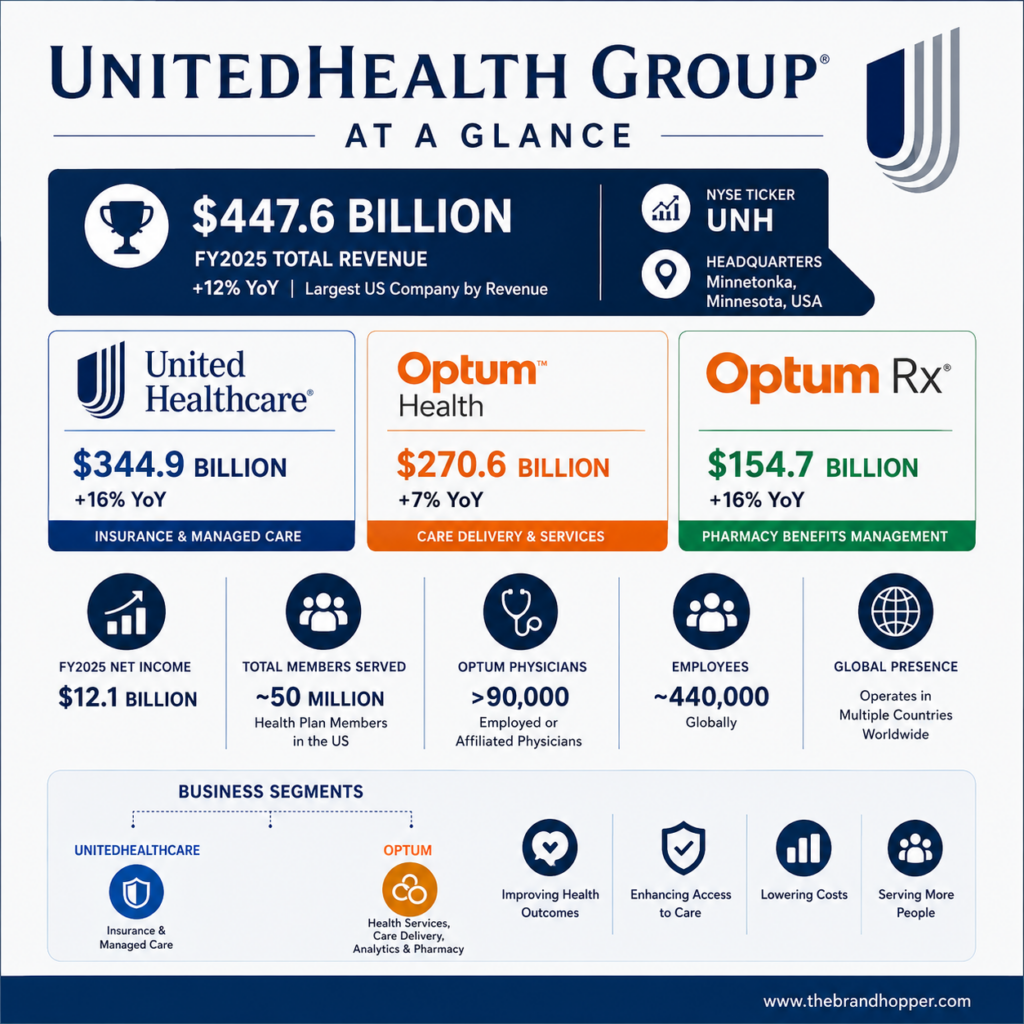
With $447.6 billion in total revenue for FY2025 — making it the largest company in the United States by revenue — UnitedHealth Group occupies a position of extraordinary power in the American healthcare system. No other company processes as many medical claims, manages as many pharmacy benefits, employs as many physicians, or operates as many ambulatory surgical centers. And yet, this dominance has not insulated UnitedHealth from intensifying competition across every segment of its business.
The competitive landscape in US healthcare is simultaneously enormous and surprisingly fragmented. While UnitedHealth commands a revenue figure that eclipses the GDP of countries like Finland and South Africa, its market share in health insurance alone is less than 20% of enrolled Americans — leaving vast territory for competitors across government programs, pharmacy benefit management, technology-driven insurance, and integrated care delivery. From Elevance Health’s $177 billion enterprise to Oscar Health’s tech-first insurgency, from Kaiser Permanente’s non-profit integrated care model to Molina’s government program focus — UnitedHealth faces meaningful challenges from 15 distinct competitors profiled in this analysis.
This comprehensive competitive analysis organizes into five competitive tiers: major health insurance conglomerates, managed care and government programs, pharmacy benefit management giants, technology-driven challengers, and integrated health networks.

The UnitedHealth Dual-Arm Model: Why It Creates a Competitive Moat
UnitedHealth’s structural advantage over every competitor lies in its two-arm integration — UnitedHealthcare (insurance) and Optum (health services). While competitors specialize in either insurance OR services, UnitedHealth does both at full scale. Data collected by Optum’s 90,000+ physicians and analytics platform informs UnitedHealthcare’s underwriting, plan design, and care management. OptumRx’s pharmaceutical data shapes benefit design for UnitedHealthcare plans. This closed-loop data advantage creates a compounding efficiency that is structurally difficult for any single-segment competitor to replicate.
UnitedHealthcare: Employer & Individual, Medicare & Retirement, Community & State (Medicaid) divisions.
OptumHealth: Ambulatory surgery centers, physician groups, home health, behavioral health, value-based care contracts.
OptumInsight: Data analytics, consulting, and technology for payers, providers, and government agencies.
OptumRx: #3 pharmacy benefit manager by revenue in the US ($133.2B in FY2024), managing formularies, drug pricing, and specialty pharmacy.
Top Competitors & Alternatives of UnitedHealth
Section A: Major Health Insurance Conglomerates
These four companies compete with UnitedHealth across the broadest range of insurance products and market segments. Each manages tens of millions of members, employs tens of thousands of people, and generates revenues exceeding $100 billion. Competition is direct, constant, and covers employer-sponsored insurance, Medicare Advantage, Medicaid managed care, and pharmacy benefits.
1. Aetna (CVS Health Health Benefits Segment)

Website: https://www.aetna.com/
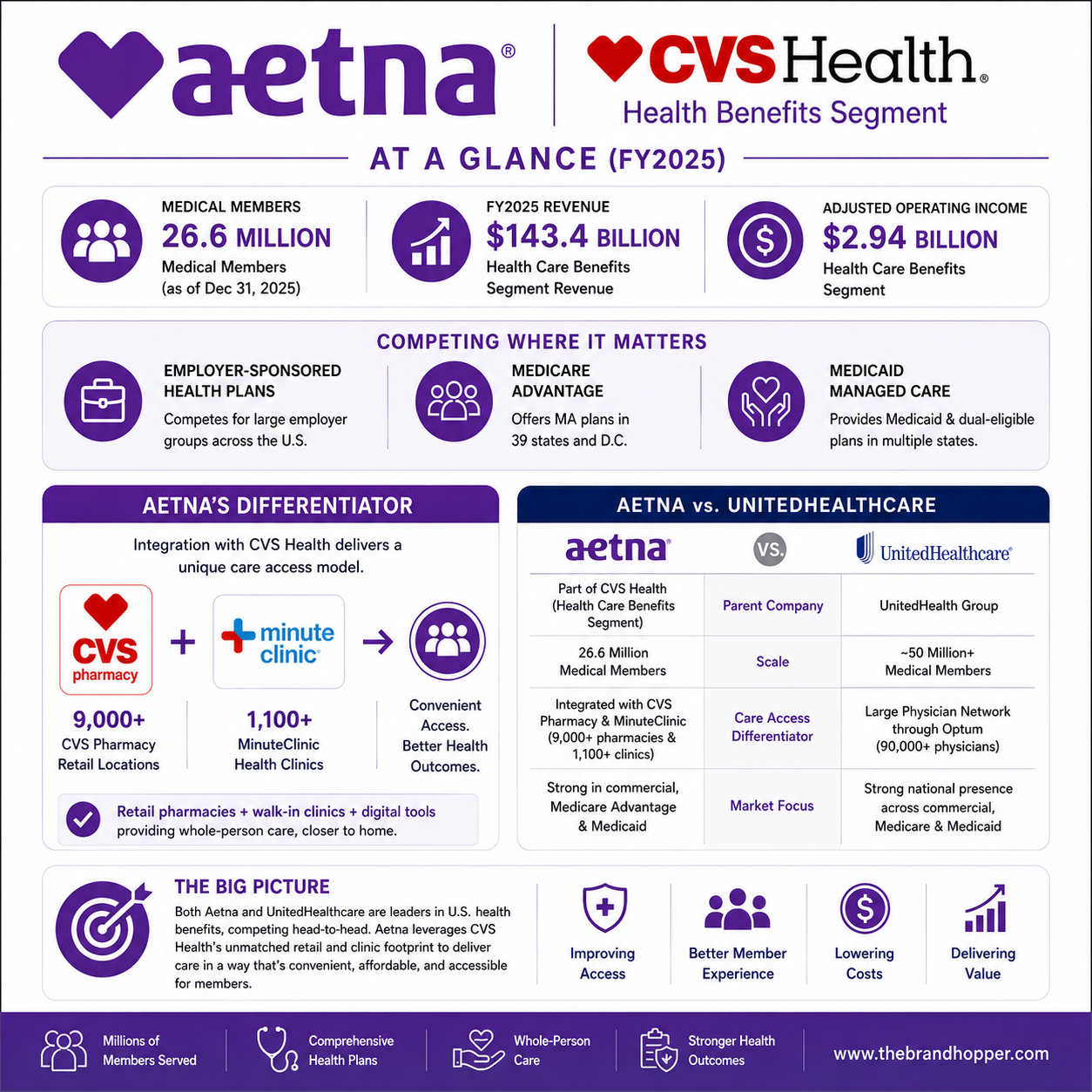
Aetna, acquired by CVS Health in 2018 for $69 billion, operates as the Health Benefits segment of CVS Health and is one of UnitedHealth’s most direct insurance competitors. Founded in 1853, Aetna serves approximately 22 million medical members, 14 million dental members, and 12 million pharmacy members across commercial, Medicare Advantage, and Medicaid products.
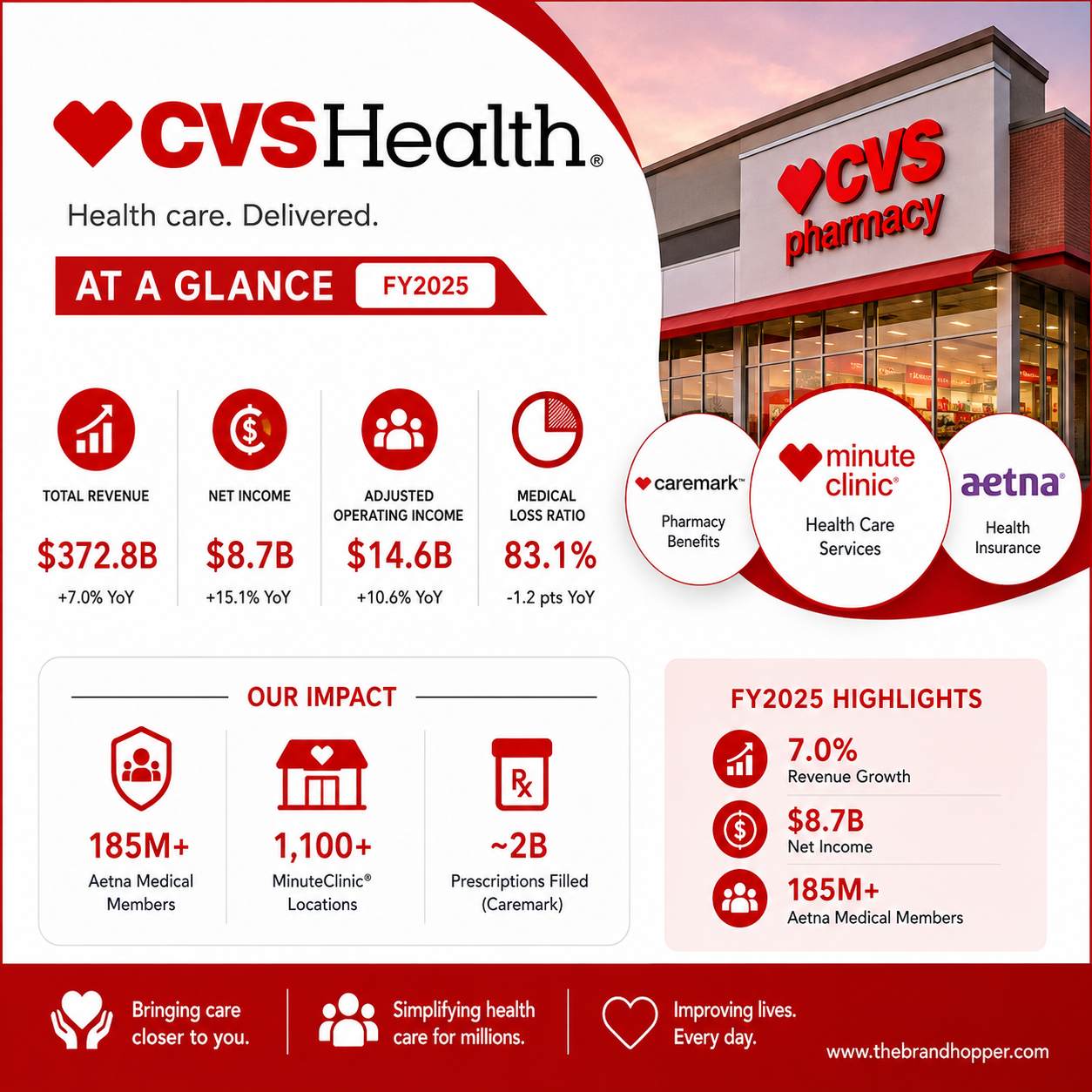
In FY2025, CVS Health’s Health Care Benefits segment, which includes Aetna, showed a significant recovery from the severe pressure experienced in 2024. Segment revenues increased 9.7% year over year, driven primarily by growth in the Government business, including the impact of the Inflation Reduction Act on Medicare Part D. Adjusted operating income also improved materially during the year, supported by better underlying performance, favorable prior-period development and improvements in the individual exchange business. CVS Health also continued its strategic repositioning of Aetna, including its decision to exit the individual exchange business and focus its Medicare Advantage portfolio on markets with stronger economics.
Despite the challenges facing the U.S. health-insurance market, Aetna remains a strategically important part of CVS Health’s integrated healthcare model. Its combination with CVS Caremark’s pharmacy-benefit-management capabilities, CVS Pharmacy’s national footprint and CVS Health’s broader care-delivery assets provides opportunities to coordinate insurance, pharmacy and healthcare services. The 2025 improvement in the Health Care Benefits business, together with CVS Health’s ongoing efforts to improve Medicare Advantage economics and streamline its insurance portfolio, supports Aetna’s longer-term position within the integrated healthcare platform.
2. Elevance Health (formerly Anthem)
Website: https://www.elevancehealth.com/
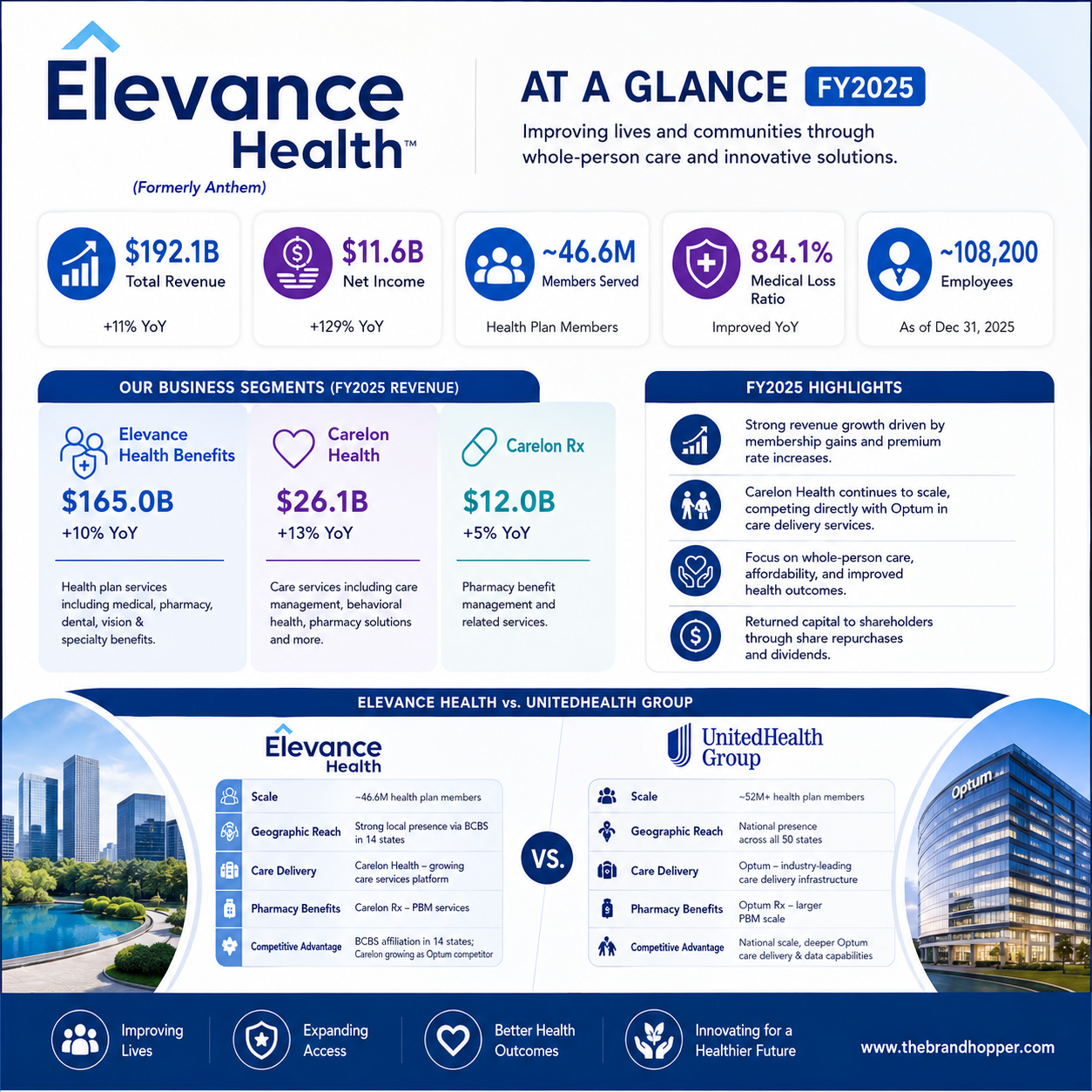
Elevance Health, formerly Anthem, has evolved into a diversified health benefits and healthcare-services company built around its Health Benefits and Carelon businesses. In FY2025, Elevance generated $199.1 billion in total revenue, up 12.5% year over year, while GAAP shareholders’ net income was approximately $5.7 billion. The company ended the year with approximately 45.2 million medical members. Its Health Benefits segment generated $167.1 billion in operating revenue, while Carelon generated $71.7 billion, reflecting the growing importance of healthcare-services capabilities alongside the insurance business.
Elevance’s competitive model combines its Health Benefits insurance platform with Carelon, its healthcare-services business encompassing CarelonRx and Carelon Services. Carelon generated $3.4 billion of adjusted operating gain in 2025, up 10% year over year, supported by growth in CarelonRx and Carelon Services’ risk-based solutions. Elevance’s Blue Cross Blue Shield-affiliated plans provide a strong regional presence across its markets, while its Medicare Advantage, Medicaid, employer and individual businesses give it exposure across major U.S. health-insurance segments. The combination of insurance, pharmacy, behavioral health, clinical and care-management capabilities positions Elevance as an increasingly integrated competitor in the U.S. healthcare market.
Elevance Health vs. UnitedHealth: FY2024 revenue $177B vs. $400.3B. Elevance’s advantage: Blue Cross Blue Shield affiliation in 14 states; Carelon growing as Optum competitor. UnitedHealth’s advantage: national scale, deeper Optum care delivery infrastructure.
3. Humana
Website: https://www.humana.com/
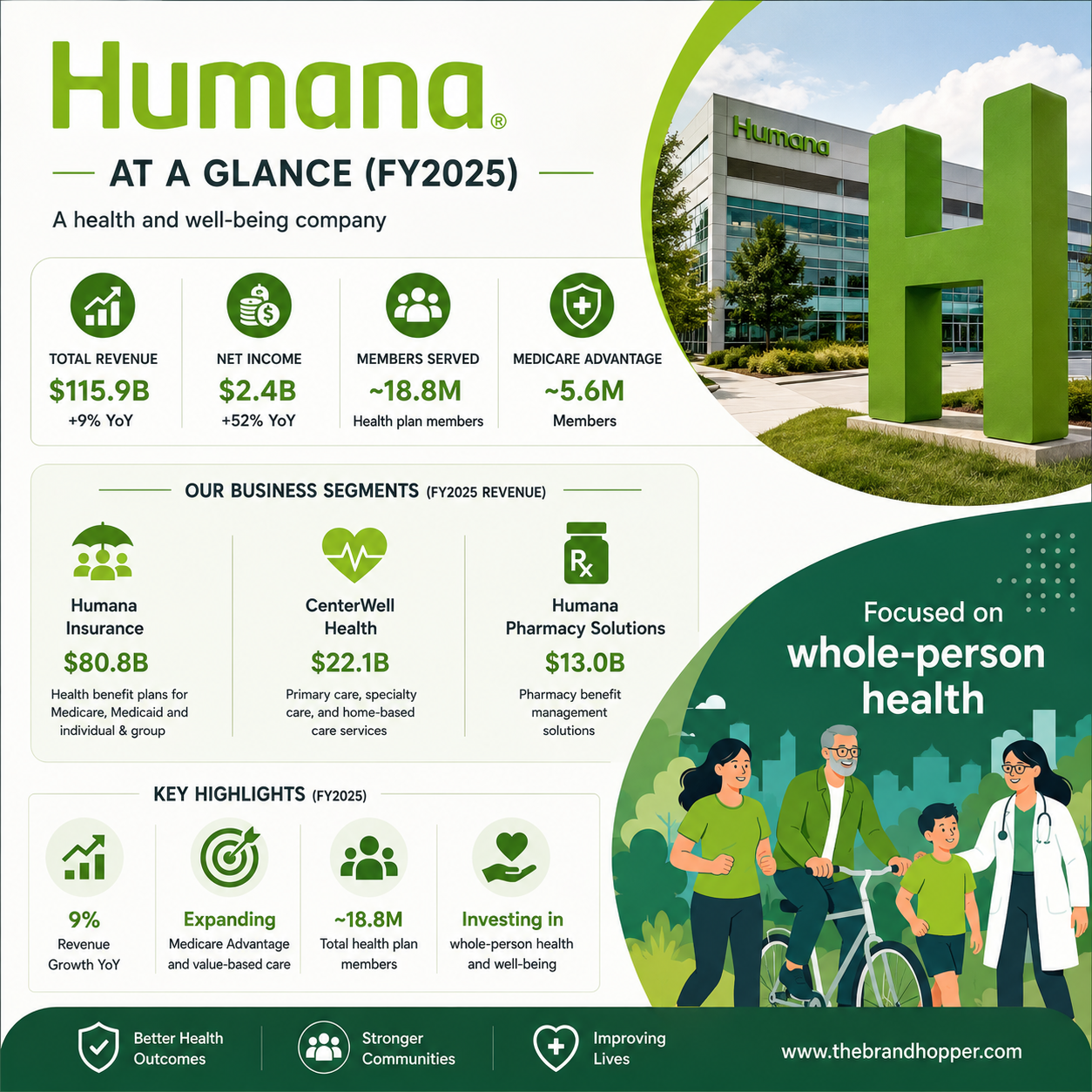
Humana remains one of the United States’ leading Medicare-focused health insurers, with approximately 5.8 million Medicare Advantage members as of June 30, 2025 and more than 8.2 million Medicare members overall. For FY2025, Humana reported $123.1 billion in consolidated revenue and GAAP earnings per share of $9.84, while adjusted EPS was $17.14. The company continued to manage elevated Medicare Advantage cost pressures while improving its underlying insurance performance, with a 90.4% FY2025 Insurance segment benefit ratio.
Humana’s strategic differentiation remains its deep Medicare Advantage expertise and integrated senior-care platform. During 2025, the company continued to refine its Medicare Advantage portfolio toward sustainable membership and economics while expanding its Medicaid business and CenterWell healthcare-services platform. CenterWell’s senior primary care business grew by 100,600 patients, or more than 25%, during 2025, including approximately 32,000 patients associated with The Villages Health acquisition. CenterWell combines senior-focused primary care, home health and pharmacy capabilities, strengthening Humana’s value-based-care model and providing a distinctive healthcare-delivery platform alongside its insurance business.
Humana’s competitive position relative to UnitedHealth is therefore centered on Medicare Advantage specialization and value-based senior care. UnitedHealth has greater overall scale and a broader healthcare-services platform through Optum, while Humana has concentrated resources and expertise around Medicare beneficiaries and senior-focused care. Humana’s continued expansion of CenterWell and value-based care—where its Medicare Advantage members in value-based arrangements have demonstrated lower hospital and emergency-department utilization—supports its strategy of integrating insurance with care delivery.
4. Cigna Group (Evernorth & Cigna Healthcare)
Website: https://www.cigna.com/
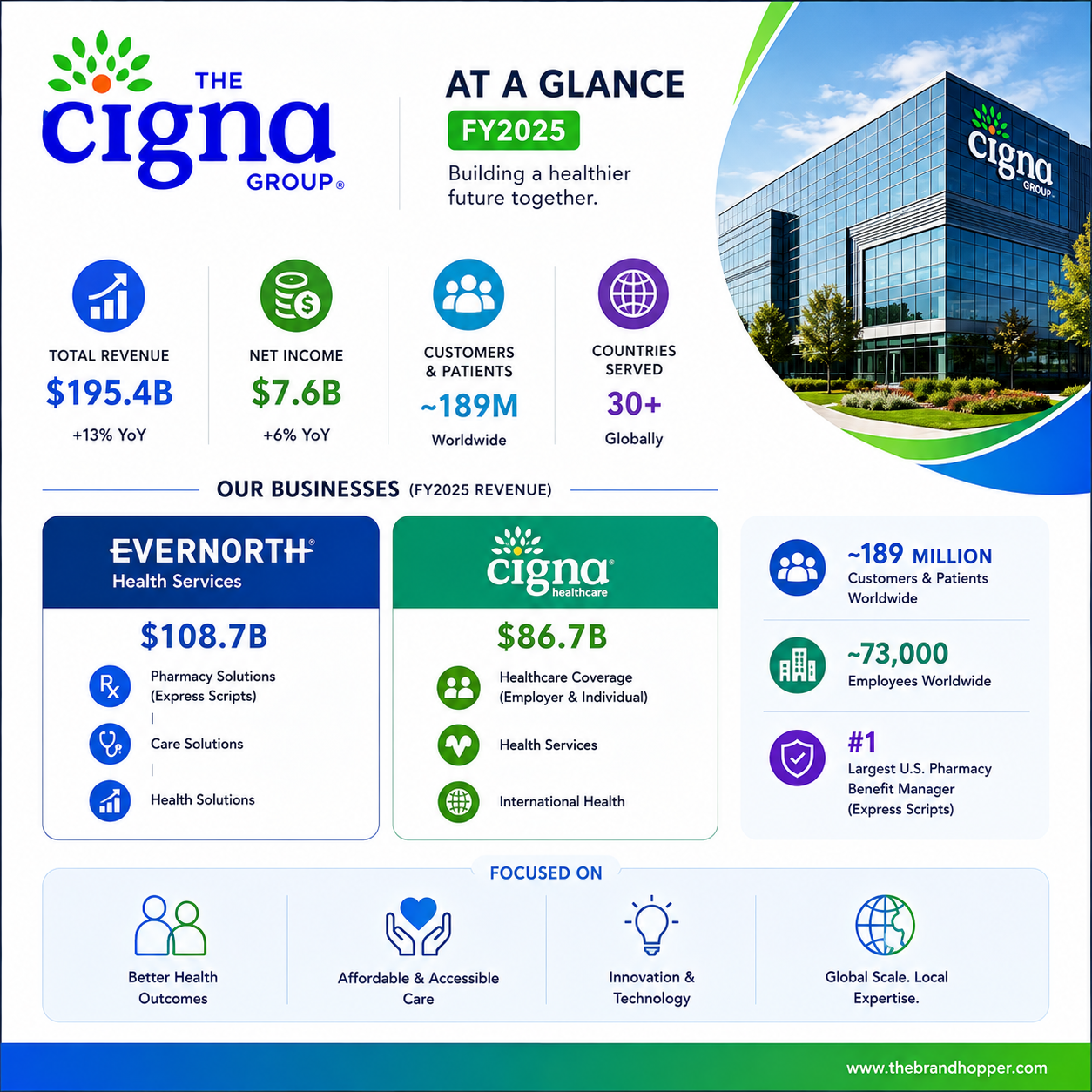
The Cigna Group delivered strong growth in FY2025, with total revenues of $274.9 billion, up approximately 11% year over year, driven primarily by continued expansion in Evernorth Health Services and growth in Cigna Healthcare. The company reported adjusted income from operations of approximately $8.0 billion, up 4% from 2024. At year-end, Cigna served approximately 18.1 million medical customers, including 16.4 million U.S. healthcare customers and 1.7 million international health customers.
The Cigna Group’s strategy remains centered on its Evernorth Health Services and Cigna Healthcare platforms. Evernorth includes Pharmacy Benefit Services, led by Express Scripts, and Specialty and Care Services, while Cigna Healthcare focuses primarily on commercial health benefits in the United States and international health businesses. In 2025, Evernorth continued to drive the company’s revenue growth, while Cigna Healthcare delivered improved operating performance.
Cigna’s competitive position relative to UnitedHealth is differentiated by its strong pharmacy-benefit and healthcare-services platform and its comparatively focused commercial-insurance strategy. Following the completion of the sale of its Medicare businesses to Health Care Service Corporation in 2025, Cigna no longer has the same Medicare exposure as UnitedHealthcare. Express Scripts remains a major U.S. pharmacy-benefit-services platform, while Cigna’s commercial and international health businesses provide additional diversification. This gives The Cigna Group a business model that is more heavily weighted toward health services and commercial coverage, whereas UnitedHealth combines UnitedHealthcare’s insurance businesses with the broader Optum healthcare-services platform.
Section B: Managed Care Organizations & Government Program Specialists
These four organizations compete with UnitedHealth primarily in government-sponsored health programs — Medicaid, Medicare Advantage, and CHIP. Government healthcare spending represents the fastest-growing segment of the US healthcare market, and these organizations have built significant competitive advantages through long-term state contracts, population health management expertise, and low-income community relationships that national insurers find difficult to match.
5. Centene Corporation
Website: https://www.centene.com/
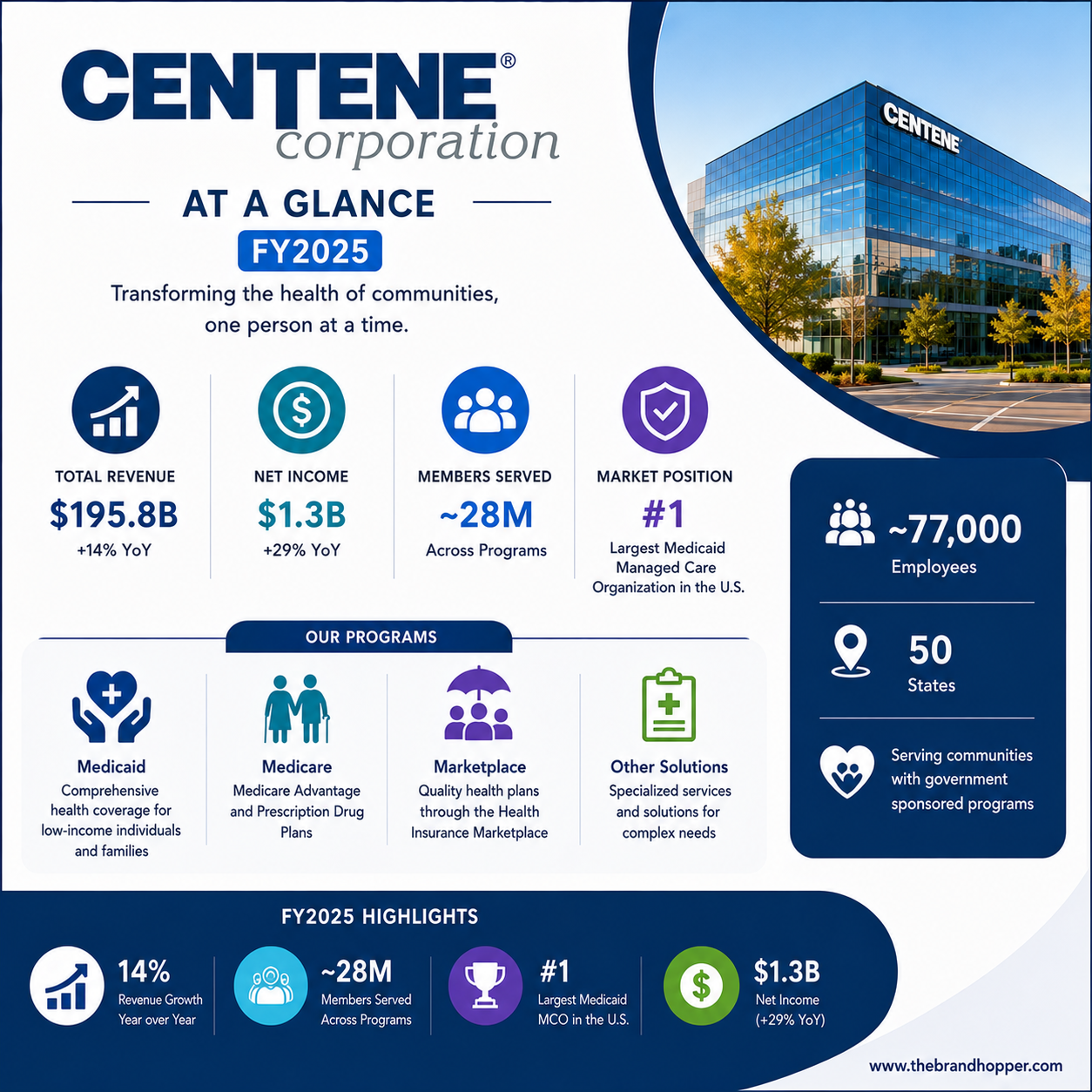
Centene Corporation is the largest Medicaid managed care organization and largest Health Insurance Marketplace carrier in the United States, based on membership. In FY2025, Centene generated $194.8 billion in total revenue, including $174.6 billion in premium and service revenues, and ended the year with approximately 27.6 million members across Medicaid, Medicare, Marketplace, Medicare and Medicare Part D. Centene’s 2025 results reflected continued growth in Marketplace and Medicare Prescription Drug Plan membership, while Medicaid remained its largest business by membership and premium revenue.
Centene’s core competitive advantage is its deep expertise in government-sponsored healthcare programs and its locally focused operating model. The company has more than three decades of experience serving Medicaid and other government-program populations, including low-income and medically complex individuals. At year-end 2025, Centene served approximately 12.5 million Medicaid members, 5.5 million Marketplace members, 1.0 million Medicare members, and 8.1 million Medicare Part D members across its portfolio. Its scale across all 50 states and its strong Medicaid and Marketplace positions provide significant relationships and operational expertise with state governments, healthcare providers and members.
6. Kaiser Permanente
Website: https://www.kaiserpermanente.org/
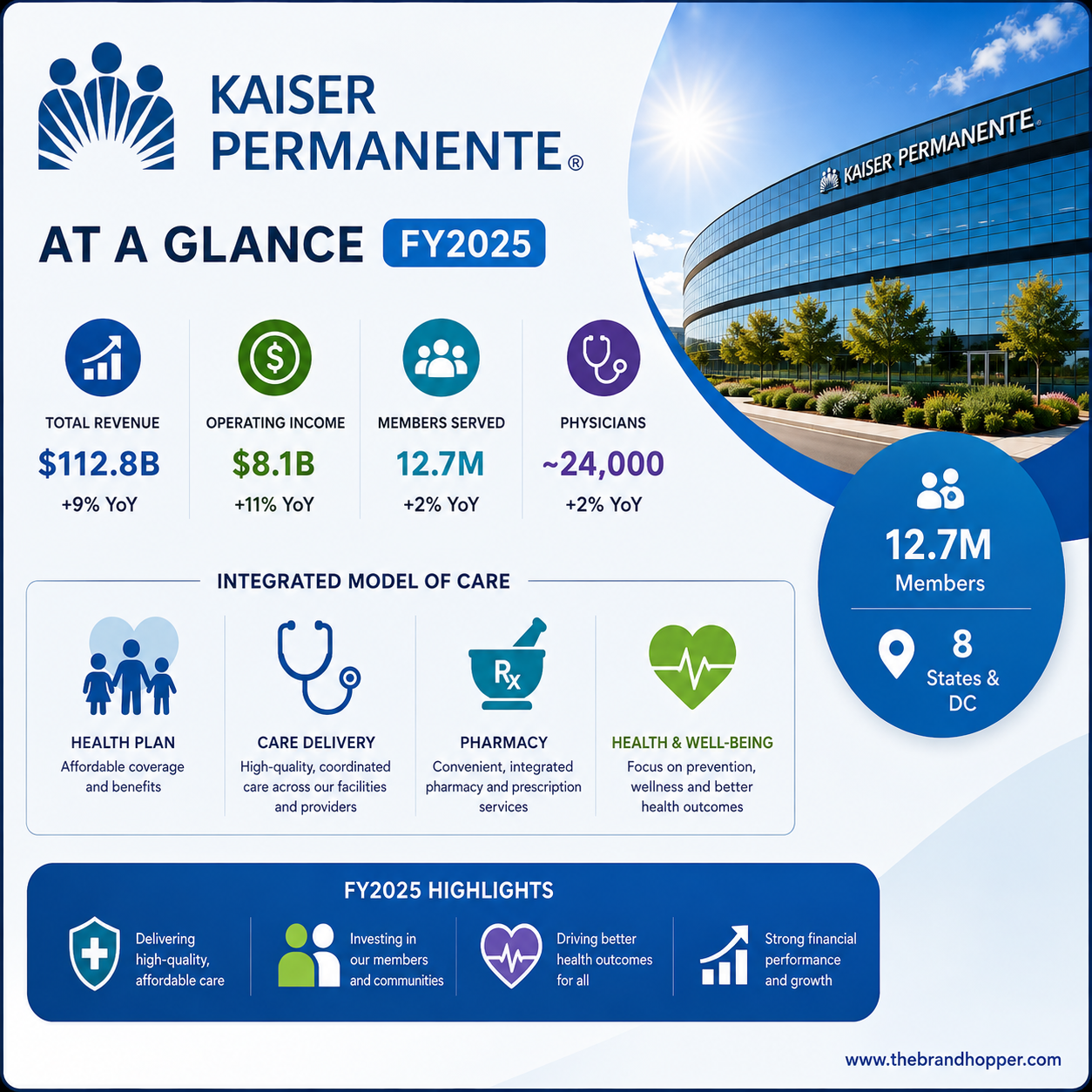
Kaiser Permanente, together with Risant Health and their respective affiliates, reported $127.7 billion in consolidated operating revenue for FY2025, up from $115.8 billion in 2024. Operating income increased to $1.4 billion, compared with $569 million in 2024, while net income was $9.3 billion. Membership across Kaiser Permanente and Risant Health affiliates reached nearly 13.1 million at December 31, 2025. Kaiser Permanente itself serves members across 9 states and the District of Columbia.
Kaiser Permanente’s distinctive competitive model remains its integrated, not-for-profit approach to health care, combining health-plan coverage with hospitals, medical facilities and physician-led care through the Permanente Medical Groups. This structure supports coordinated, value-based care and allows Kaiser to align financing and care delivery more closely than traditional payer-provider models. In 2025, Kaiser Permanente continued to report strong quality performance, including the highest or tied-highest ratings for its commercial and Medicare plans in every region it serves.
Through Risant Health, created by Kaiser Foundation Hospitals in 2023, Kaiser is also extending its value-based-care model beyond its traditional geographic footprint. Risant is designed to bring together like-minded nonprofit, community-based health systems and provide them with technology, services and capabilities to expand access to value-based care. At year-end 2025, Kaiser Permanente and Risant Health together operated 55 hospitals and 847 medical offices, giving the combined organization a broader platform for expanding integrated, value-based care nationally.
7. Molina Healthcare
Website: https://www.molinahealthcare.com/
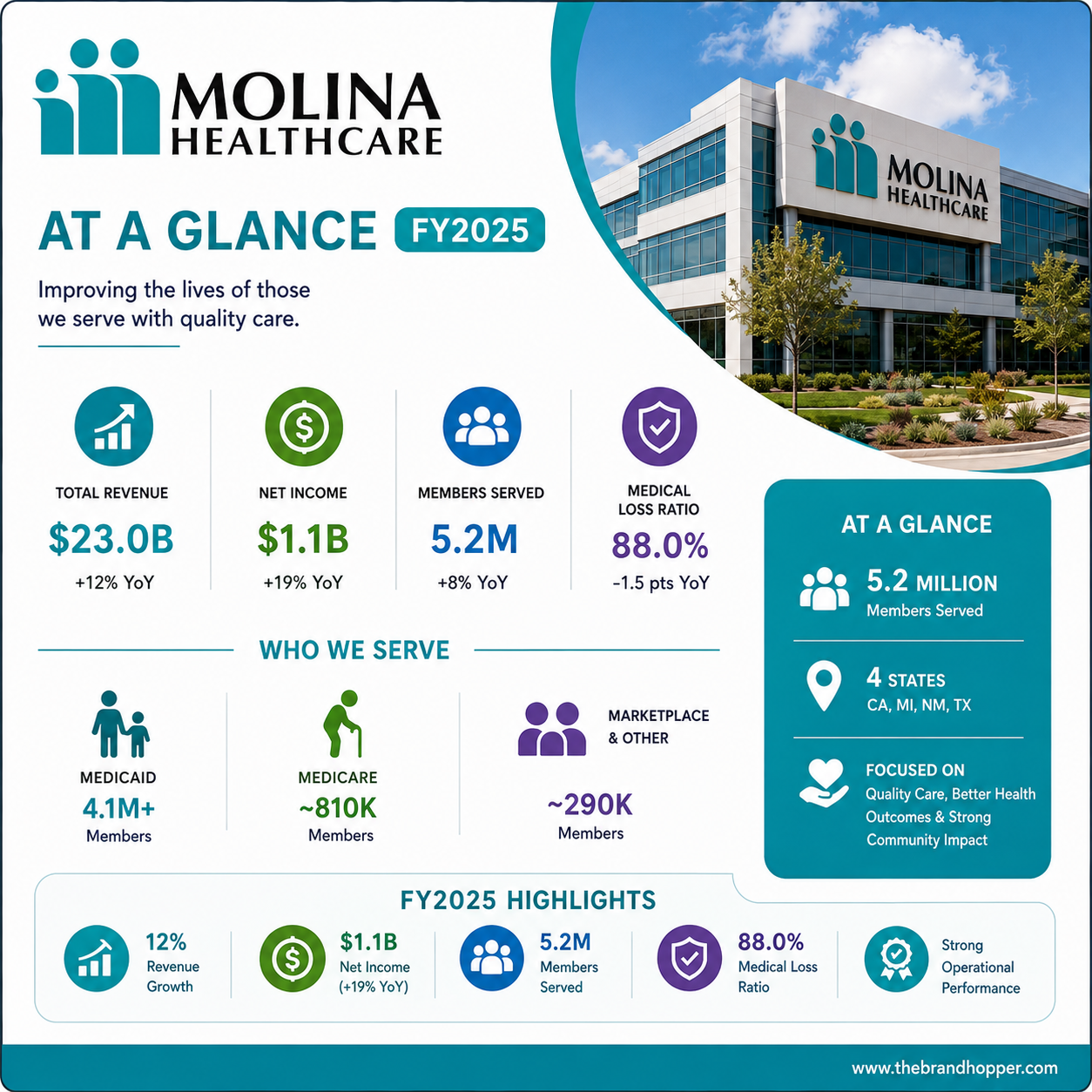
Molina Healthcare is a government-sponsored healthcare specialist focused on Medicaid, Medicare and Marketplace programs. In FY2025, Molina reported $48.3 billion in total revenue, up approximately 18.7% year over year, and $1.0 billion in net income. The company served approximately 5.7 million members at year-end 2025 across its government-sponsored health programs. (molinahealthcare.com)
Molina’s growth strategy remains centered on Medicaid expansion, Marketplace participation and disciplined execution of government-program contracts. The company operates health plans across 19 states, with Medicaid representing the majority of its membership and revenue. Molina has expanded through a combination of organic growth, new state contracts and acquisitions, while maintaining a localized approach to serving Medicaid populations. Its focus on government-sponsored programs gives it a specialized competitive position against broader diversified insurers such as UnitedHealth, Elevance Health and CVS Health.
8. HCSC (Health Care Service Corporation)
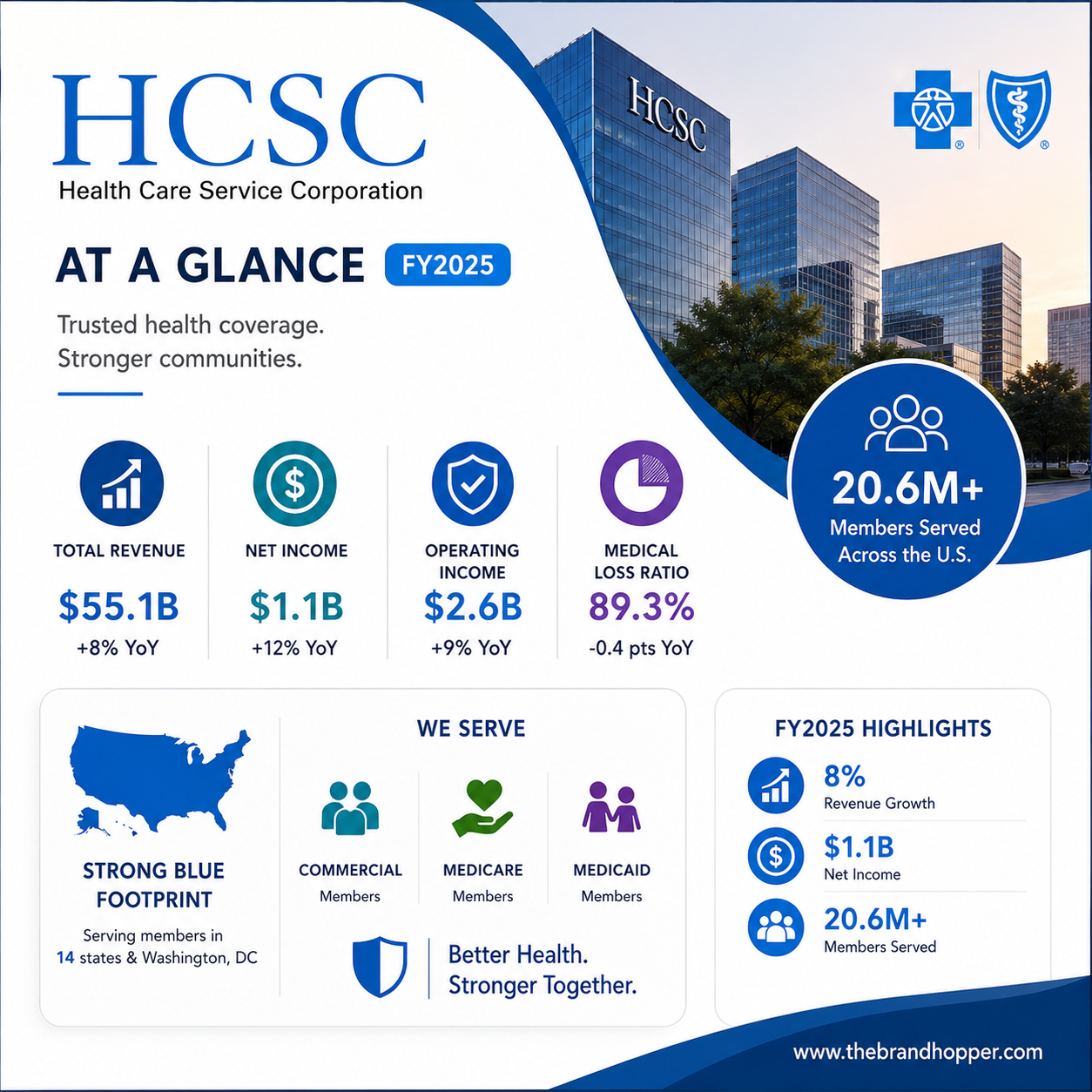
Website: https://www.hcsc.com/
Section C: Pharmacy Benefit Management Giants
Pharmacy Benefit Management (PBM) is a critical and often under-discussed competitive dimension for UnitedHealth. OptumRx generated $133.2 billion in revenue in FY2024 — more than most health insurers generate in total. The competitors in this space directly challenge Optum’s PBM dominance, and their ability to influence drug costs, formularies, and pharmacy access gives them leverage across the entire healthcare system.
9. CVS Health (Caremark + MinuteClinic + Aetna)
Website: https://www.cvshealth.com/
10. Elixir Solutions (formerly EnvisionRxOptions)
Website: https://www.elixirsolutions.com/
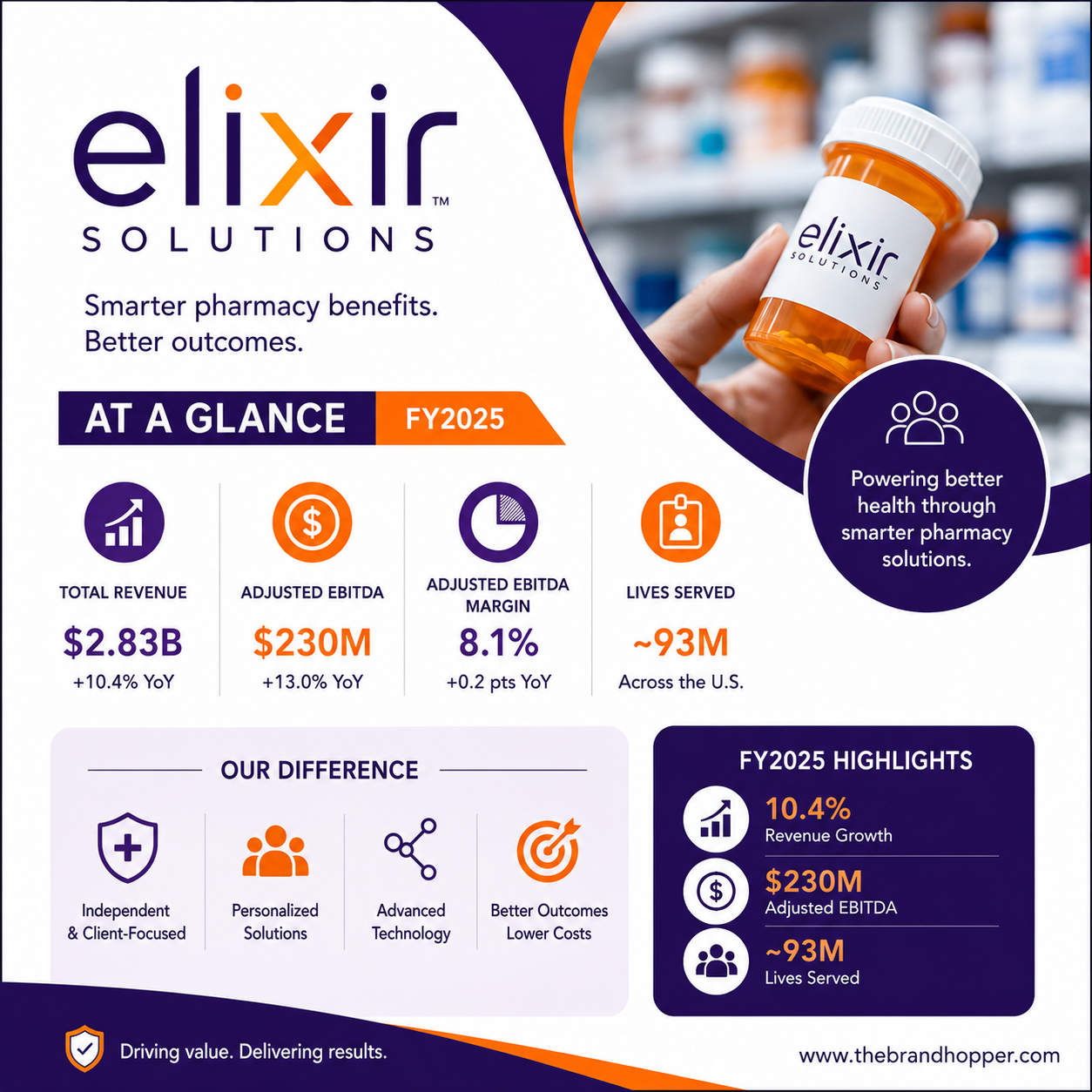
Elixir Solutions is no longer an independent standalone PBM. MedImpact Healthcare Systems completed its acquisition of Elixir Solutions in February 2024 and completed the integration in July 2024. Elixir’s capabilities were incorporated into MedImpact, which describes itself as an independent provider of health solutions, technology and pharmacy benefit management services. Following the integration, MedImpact reported that it served more than 20 million members and processed more than $40 billion in pharmacy transactions.
The combined MedImpact platform competes with the large vertically integrated PBMs by emphasizing independence, pharmacy neutrality, flexibility and transparency. MedImpact states that, unlike vertically integrated competitors that may require clients to use affiliated retail or mail-order pharmacies, it remains pharmacy-neutral and allows health plans and other plan sponsors greater choice. Its capabilities include pharmacy benefit management, clinical programs, specialty pharmacy solutions, technology and member-focused services for health plans, employers, government programs, TPAs, coalitions and labor groups.
Elixir’s legacy capabilities therefore remain relevant within MedImpact’s broader independent platform rather than as a separate competitor. The combined organization provides an alternative to the vertically integrated models of Optum Rx, CVS Caremark and Express Scripts, particularly for plan sponsors seeking greater flexibility and an independent PBM relationship.
Section D: Technology-Driven Health Insurance Challengers
A new generation of technology-first health insurers has emerged over the past decade — leveraging software, AI, and data analytics to challenge the cost structure and consumer experience of incumbent insurers. While none yet compete with UnitedHealth at the scale of traditional rivals, their growth rates, venture capital backing, and differentiated approaches represent meaningful long-term disruption risk.
11. Oscar Health
Website: https://www.hioscar.com/
12. Devoted Health
Website: https://www.devoted.com/
13. Clover Health
Website: https://www.cloverhealth.com/
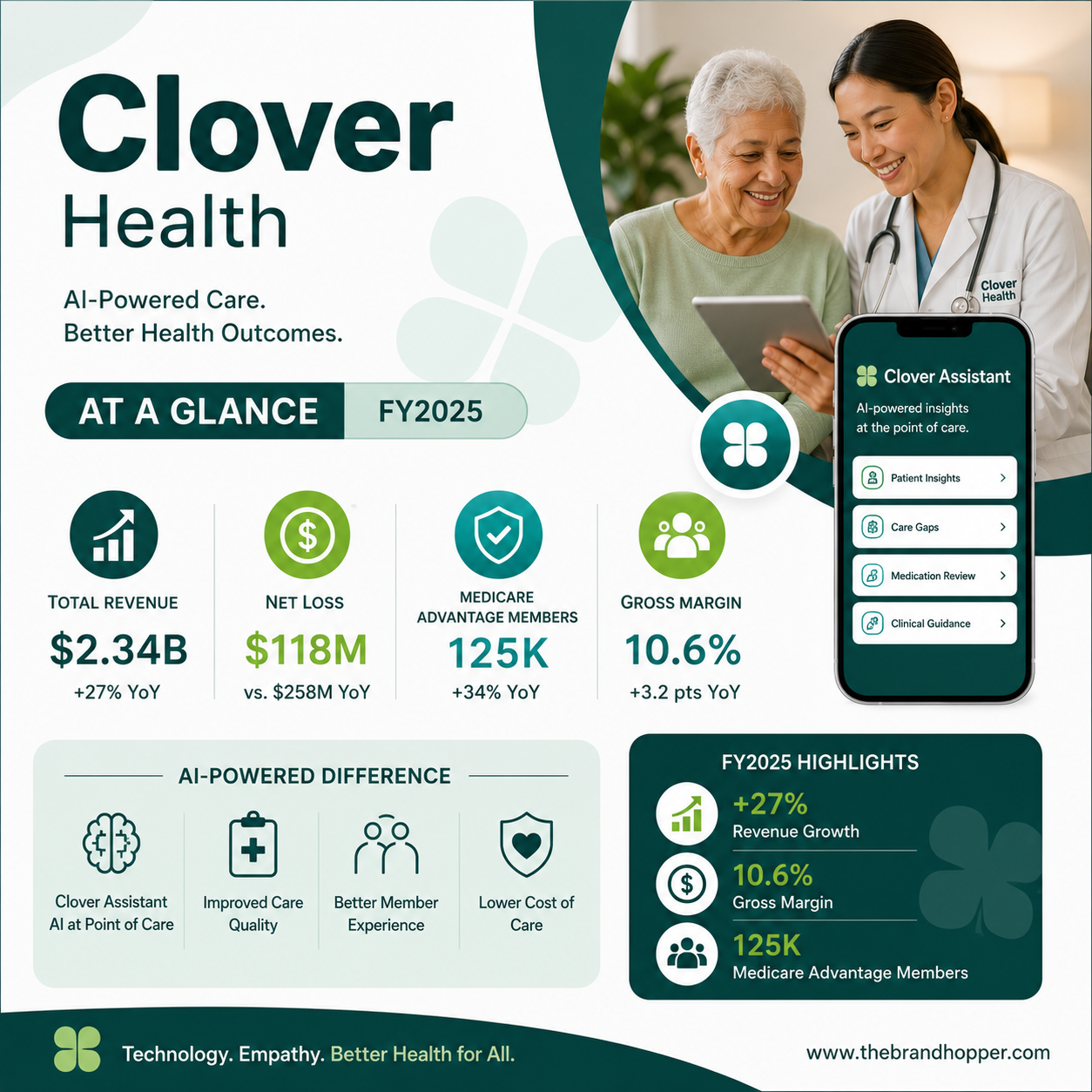
Clover Health (NASDAQ: CLOV) is a technology-driven Medicare Advantage company that combines insurance with its proprietary Clover Assistant platform. Clover Assistant uses clinical and claims data to provide physicians with patient-specific insights and care recommendations at the point of care, with the objective of helping clinicians identify gaps in care and improve outcomes. In FY2025, Clover continued to focus on Medicare Advantage and its technology-enabled approach to primary care, while expanding the use of Clover Assistant across its provider network.
Clover’s Medicare Advantage business is primarily focused on New Jersey and Georgia, with a concentrated membership base and an emphasis on PPO products. Its model combines Medicare Advantage coverage with an open-network approach and technology-enabled clinical decision support for participating physicians. Rather than relying solely on a tightly controlled provider network, Clover seeks to differentiate through physician engagement and Clover Assistant, using data and clinical insights to support better care management and potentially lower medical costs.
Section E: Integrated Health Networks
Integrated health networks — health systems that combine hospitals, physician groups, and (increasingly) health plans — represent the competitive pressure that most directly challenges Optum’s care delivery strategy. As UnitedHealth has purchased physician groups and surgery centers, major health systems have responded by acquiring or building their own health plan capabilities — directly competing with UnitedHealthcare for employer-sponsored and government program lives.
14. Advocate Health (formerly Advocate Aurora Health)
Website: https://www.advocateaurorahealth.org/
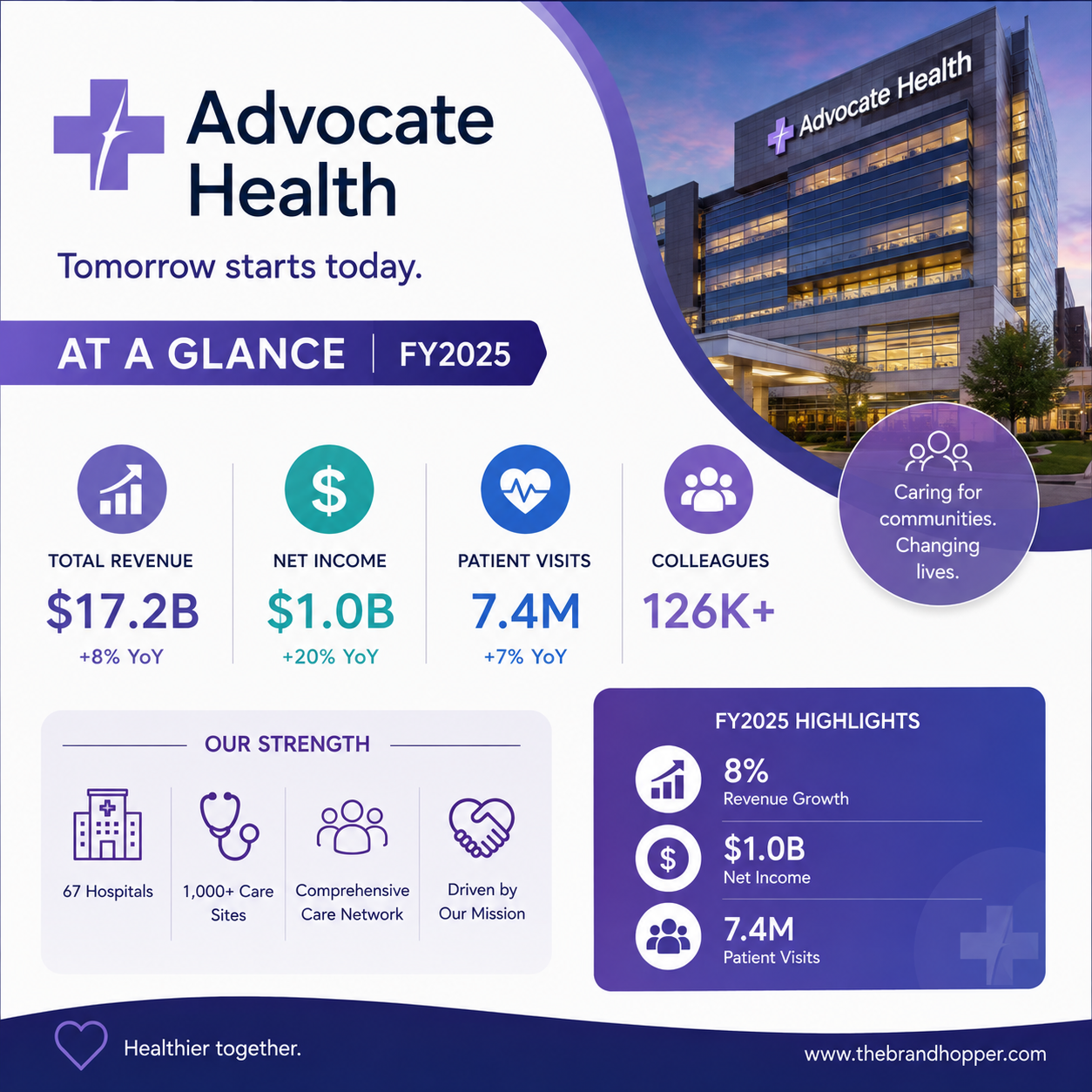
Advocate Health, formed in December 2022 through the combination of Advocate Aurora Health and Atrium Health, is one of the largest nonprofit health systems in the United States. In FY2025, Advocate Health reported approximately $39 billion in operating revenue and operated 70 hospitals and more than 1,600 sites of care, with approximately 150,000 teammates and 26,000 physicians and advanced practice providers. Its footprint spans Illinois, Wisconsin, North Carolina, South Carolina, Georgia, Alabama and Nevada, serving millions of patients annually.
Advocate Health’s relationship with UnitedHealthcare is both competitive and collaborative. As a major provider system, Advocate negotiates contracts with commercial insurers including UnitedHealthcare, with reimbursement rates and network participation affecting healthcare costs and member access across its markets. Advocate also operates Advocate Health Plans, providing Medicare Advantage coverage in selected markets and creating a more direct payer relationship alongside its extensive provider network. Its combination of hospitals, employed and affiliated physicians, ambulatory care, home health and health-plan capabilities gives Advocate a significant degree of vertical integration at a regional scale, although its model remains fundamentally different from UnitedHealth’s nationwide payer-and-services structure.
15. Highmark Health
Website: https://www.highmarkhealth.org/
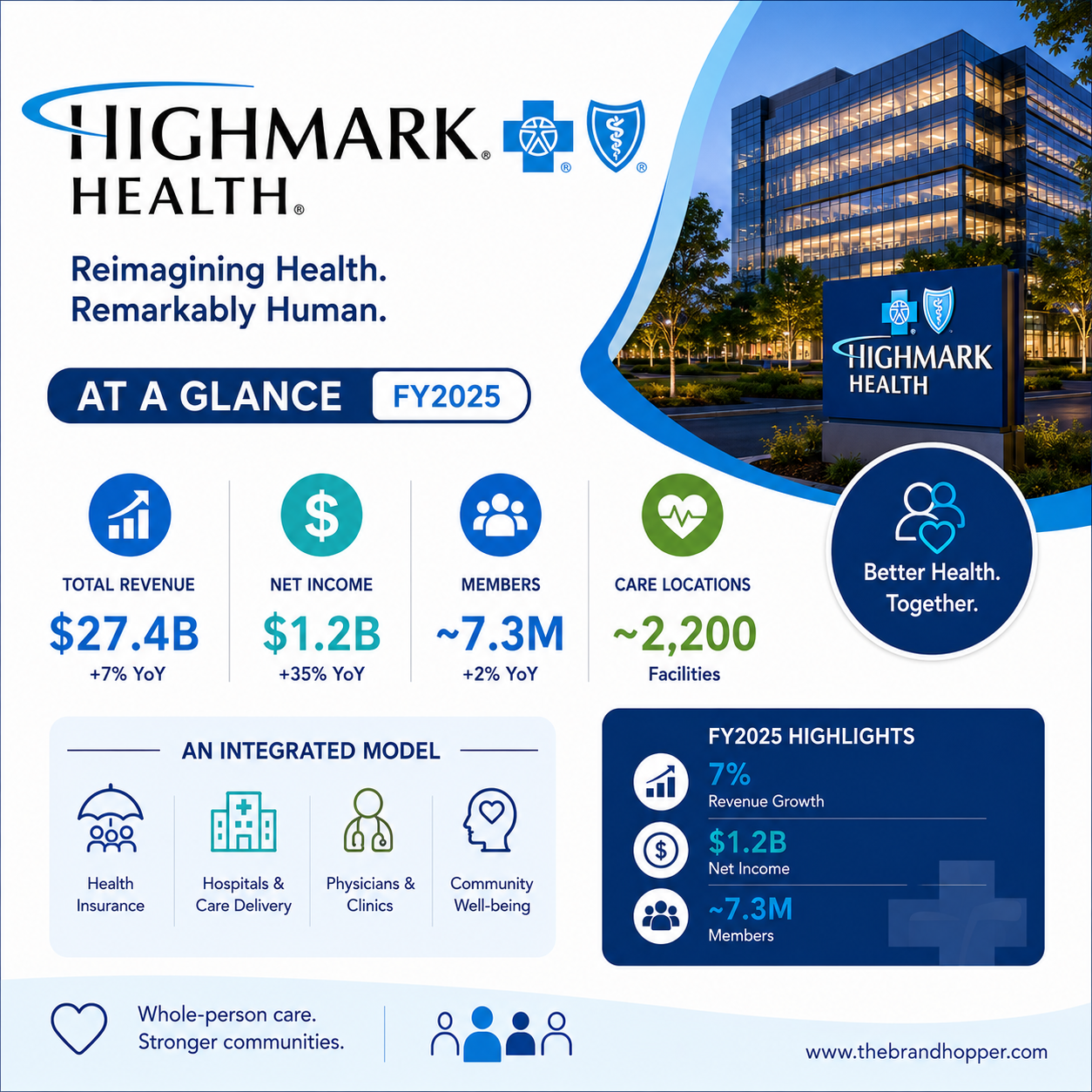
Highmark Health is a Pittsburgh-based blended health organization that combines health insurance, healthcare delivery and other health-related businesses. In FY2025, Highmark Health reported $32.4 billion in consolidated operating revenue, up 11% year over year, with a $175 million net loss. Its health-plan businesses generated $24.8 billion in operating revenue, while Allegheny Health Network (AHN), its integrated care-delivery system, generated $5.7 billion. Highmark Health’s health plans served nearly 7 million members across Pennsylvania, Delaware, West Virginia and western New York at the beginning of 2026.
Highmark Health’s competitive differentiation is its payer-provider integration and Living Health model, combining Highmark’s insurance capabilities with AHN’s hospitals, physicians and broader care-delivery infrastructure. AHN operated 14 hospitals in 2025 and reported improved patient volumes across inpatient, outpatient, physician and emergency services. Highmark Health continues to compete with national insurers such as UnitedHealthcare while using its regional provider network and insurance platform to coordinate financing and care delivery. Its geographic reach is also expanding: Highmark launched Medicare Advantage products in southeastern Pennsylvania in 2025, while a new Blue KC affiliation is expected to add approximately 1 million insured members in 2026.
Frequently Asked Questions (FAQs)
Q: Who is UnitedHealth Group’s biggest competitor?
A: UnitedHealth Group’s largest competitors by total revenue are CVS Health ($372.8B in FY2024, which includes Aetna, CVS Caremark PBM, and CVS Pharmacy), Cigna Group ($247.1B, including Express Scripts PBM), and Elevance Health ($177.0B, with BCBS plans in 14 states). In pure health insurance membership, Elevance Health is the closest competitor — serving approximately 45 million medical members versus UnitedHealthcare’s approximately 50 million. In pharmacy benefit management, Cigna’s Express Scripts is the largest PBM by prescriptions processed, directly competing with UnitedHealth’s OptumRx ($133.2B revenue). No single company matches UnitedHealth’s combination of insurance, care delivery (Optum), and PBM scale.
Q: What is UnitedHealth Group’s annual revenue?
A: UnitedHealth Group reported record total revenue of $400.3 billion for the full year 2024 — an increase of approximately 8% year-over-year. This makes UnitedHealth the largest US company by revenue, exceeding even Amazon, Apple, and ExxonMobil. Revenue by segment: UnitedHealthcare (insurance) $298.4 billion (+6%); Optum Health $105.4 billion (+10.5%); Optum Rx $133.2 billion (+14.8%). Net income was $14.4 billion, impacted by $3.1 billion in costs related to the Change Healthcare cyberattack. Source: UnitedHealth Group FY2024 Earnings Release, unitedhealthgroup.com/newsroom, January 16, 2025.
Q: What are UnitedHealth Group’s two main business segments?
A: UnitedHealth Group operates through two distinct but interconnected segments: (1) UnitedHealthcare — the insurance and managed care division offering employer-sponsored plans, Medicare Advantage, Medicaid managed care, and individual plans to approximately 50 million members; and (2) Optum — the health services platform encompassing OptumHealth (care delivery: 90,000+ physicians, surgical centers, home health), OptumInsight (data analytics and technology), and OptumRx (pharmacy benefit management, $133.2B revenue). The integration of these two arms — using Optum’s data and care infrastructure to improve UnitedHealthcare’s plan economics — is the company’s primary competitive moat.
Q: How does UnitedHealth compare to Elevance Health?
A: UnitedHealth Group (revenue $400.3B) is significantly larger than Elevance Health (revenue $177.0B), but the competitive gap in health insurance membership is narrower: UnitedHealthcare serves ~50 million health plan members; Elevance Health serves ~45 million. Key differences: (1) Network: Elevance operates Blue Cross Blue Shield plans in 14 states — with stronger regional brand recognition in those markets. UnitedHealth has a more nationally standardized but broader geographic presence; (2) Services: UnitedHealth’s Optum ($105.4B Optum Health + $133.2B Optum Rx) is more developed than Elevance’s Carelon; (3) Government: Elevance has historically been stronger in Medicaid; UnitedHealth leads in both Medicare Advantage and Medicaid absolute enrollment.
Q: Why is Cigna Group’s revenue so large at $247 billion?
A: Cigna Group’s $247.1 billion in FY2024 revenue (the third-largest of any health company) is primarily driven by its Evernorth Health Services segment, which includes Express Scripts — the largest pharmacy benefit manager in the United States by prescriptions processed. PBM revenues include the full cost of medications flowing through the benefit management system (drug costs + fees), which inflates the revenue figure relative to traditional insurance premium-based revenue models. Cigna’s pure insurance business (Cigna Healthcare, serving ~16 million commercial members) represents a much smaller portion of total revenue. In 2023, Cigna sold its Medicare Advantage and individual insurance business to HCSC to focus on Evernorth — signaling a deliberate strategic pivot from insurance toward health services.
Q: What is the difference between UnitedHealthcare and Optum?
A: UnitedHealthcare and Optum are the two operating segments of UnitedHealth Group. UnitedHealthcare is the health insurance arm — selling and administering health benefit plans to approximately 50 million Americans through employer, Medicare, Medicaid, and individual channels. It generates revenue from insurance premiums. Optum is the health services arm — operating physician practices, surgical centers, home health, behavioral health, data analytics, technology services, and pharmacy benefit management. Optum generated $133.2B in Rx revenue and $105.4B in health services revenue in FY2024. The strategic value of having both under one roof is that Optum’s data, analytics, and care delivery improve UnitedHealthcare’s cost management, while UnitedHealthcare’s membership provides Optum with a large, captive customer base.
Q: Is Kaiser Permanente a competitor to UnitedHealth?
A: Yes — Kaiser Permanente is one of UnitedHealth’s most strategically distinctive competitors. With $115.8 billion in revenue (FY2024), 12.5 million members, and a fully integrated not-for-profit model (insurance + hospitals + physicians under one umbrella), Kaiser directly competes with UnitedHealthcare for members in its operating markets (California, Colorado, Georgia, Hawaii, Maryland, Oregon, Virginia, Washington state, and D.C.). Kaiser’s integrated model eliminates the insurer-provider split that creates friction and cost in the traditional healthcare system — making it structurally more efficient in its home markets. Its limitation is geographic: Kaiser cannot expand beyond its current markets without replicating the entire integrated infrastructure, which limits it as a national competitor.
Q: What happened with UnitedHealth’s Change Healthcare cyberattack?
A: In February 2024, Change Healthcare — a UnitedHealth/Optum subsidiary that processes approximately one-third of all US medical claims — suffered the largest healthcare cyberattack in American history. The attack disrupted medical claims processing for months, causing cash flow crises for hospitals, physician groups, and pharmacies across the country. UnitedHealth spent $3.1 billion responding to the attack in 2024 (including $2.7 billion in direct response costs and $400 million in business disruption). The incident exposed significant concentration risk in the US healthcare IT infrastructure, triggered Congressional hearings and FTC investigations, and impacted UnitedHealth’s FY2024 net income (which fell to $14.4 billion from higher levels in prior years). The attack did not significantly impair UnitedHealth’s competitive position but damaged its reputation as a reliable healthcare technology infrastructure provider.
Q: How does Molina Healthcare compete with UnitedHealth?
A: Molina Healthcare competes with UnitedHealth’s Community & State division (Medicaid managed care) as one of the fastest-growing managed care organizations in the US. With $40.7 billion in FY2024 revenue (growing 19% year-over-year), Molina operates in 19 states and serves 5.5 million Medicaid and Marketplace members. Molina’s advantages over UnitedHealth in government programs: (1) Organizational focus — Molina’s entire business is government programs, making it more agile in state RFP processes and community relationships; (2) Cost structure — as a smaller company, Molina can tailor local solutions more efficiently; (3) Growth trajectory — Molina’s 19% revenue growth substantially exceeds UnitedHealthcare Community & State’s growth rate. UnitedHealth’s advantages: absolute scale, cross-segment data integration, and broader national presence.
Q: What makes Oscar Health different from traditional health insurers?
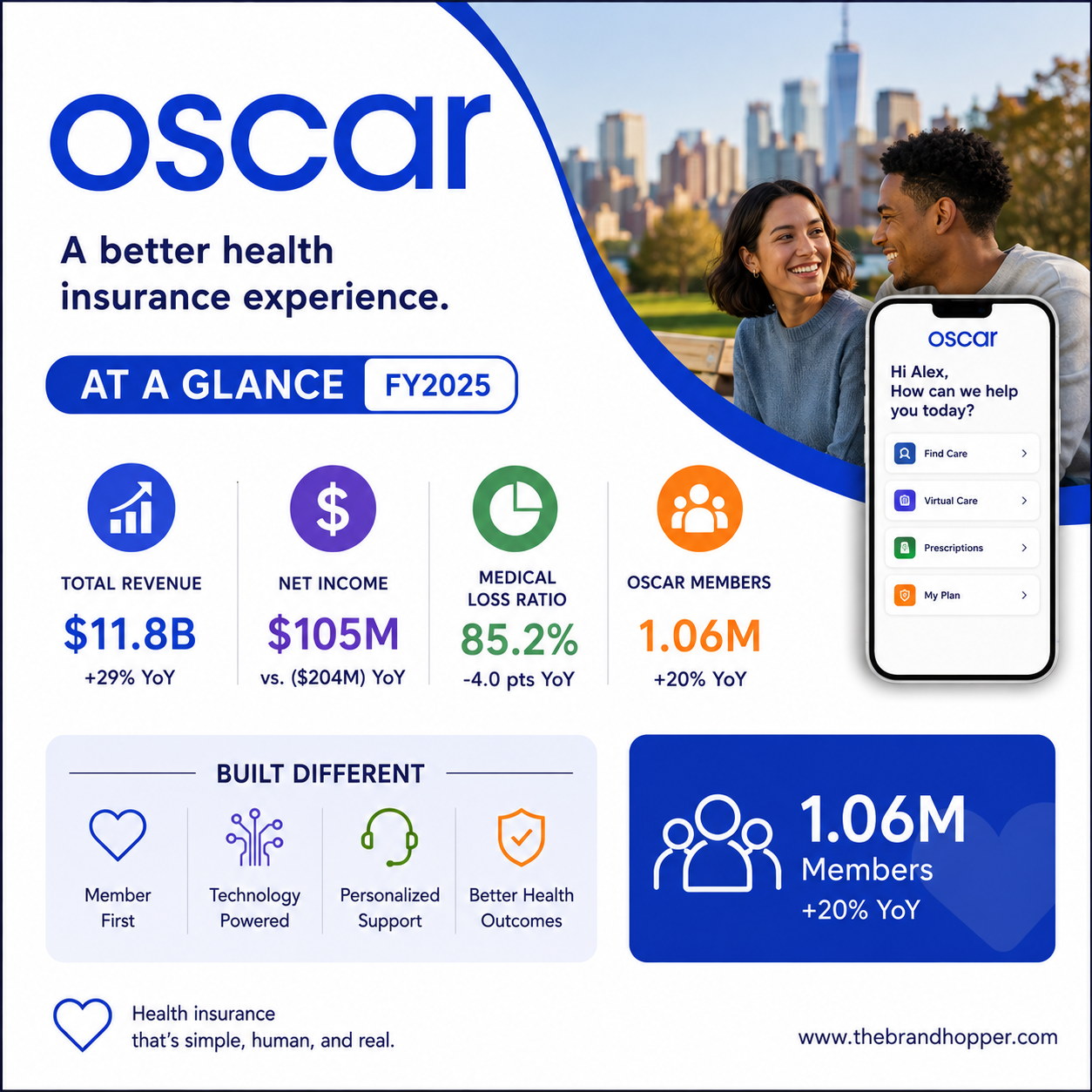
A: Oscar Health differentiates from traditional insurers including UnitedHealthcare through five key elements: (1) Technology-first member experience — Oscar’s mobile app provides personalized health recommendations, care navigation, and 24/7 telemedicine access; (2) Consumer focus — Oscar primarily targets ACA individual market enrollees, particularly younger and healthier members underserved by legacy insurer products; (3) Clinical model — Oscar integrates virtual care and care navigation into every plan as a standard feature, not an add-on; (4) B2B platform — the +Oscar platform licenses Oscar’s technology to other health plans, creating a revenue stream beyond insurance premiums; (5) Profitability trajectory — after years of losses, Oscar achieved its first profitable full year in FY2024 with $9.2 billion in revenue (+57%). Oscar is not yet a scale competitor to UnitedHealthcare ($298.4B), but represents the most credible technology-native insurgency in health insurance.
Also Read: Blackstone’s Top 15 Competitors in Alternative Asset Management
To read more content like this, subscribe to our newsletter
Go to the full page to view and submit the form.