


Starbucks is one of the most recognizable brands on Earth, with more than 40,000 stores worldwide serving everything from a simple drip coffee to elaborately customized seasonal drinks.
But the story of who actually owns and built Starbucks is more complicated than most people realize — the man synonymous with the brand wasn’t one of its founders, and the company itself is owned not by any individual but by a broad mix of institutional investors.
Here’s the complete ownership story, financial picture, and history behind the green mermaid logo.
How Starbucks Began: Three Friends and a Coffee Bean Shop
Starbucks opened its doors on March 30, 1971, near Seattle’s Pike Place Market, founded by three University of San Francisco friends: Jerry Baldwin, a former English teacher; Gordon Bowker, a writer; and Zev Siegl, a history teacher.

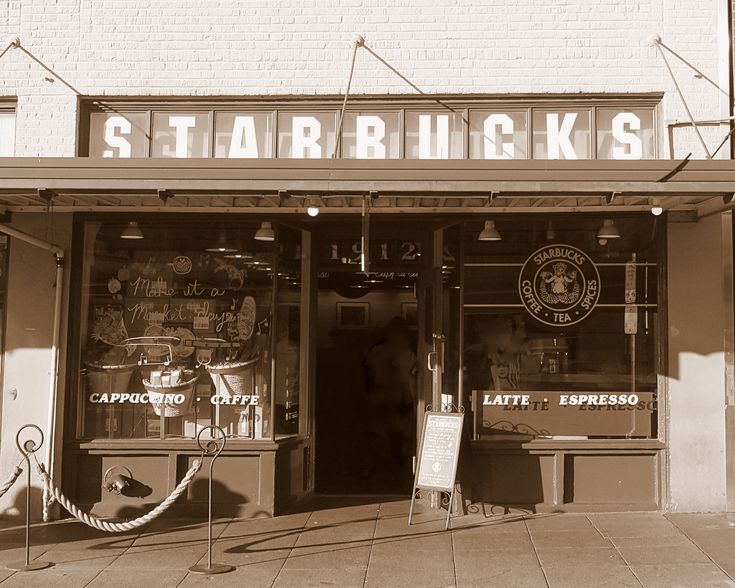
All three shared a passion for good coffee, wine, and food, and they started Starbucks specifically because Seattle lacked access to the quality dark-roasted coffee they’d come to love elsewhere.
Notably, the original Starbucks wasn’t a café at all — it operated purely as a coffee bean and equipment wholesaler, roasting and selling whole beans for customers to brew at home, and it wouldn’t sell prepared coffee drinks for more than a decade.
Enter Howard Schultz: The Man Who Wasn’t a Founder
One of the most common misconceptions about Starbucks is that Howard Schultz founded the company.
He didn’t.
Schultz joined Starbucks as director of marketing in 1982, nearly a dozen years after Baldwin, Bowker, and Siegl opened the original store.

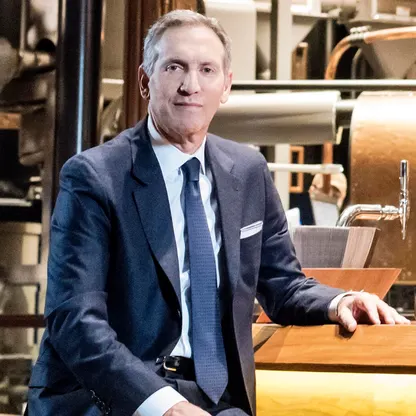
On a buying trip to Milan in 1983, Schultz became captivated by Italian espresso bars and the sense of community and “third place” atmosphere they created between home and work.
He returned to Seattle convinced Starbucks should become a café chain rather than remain strictly a bean wholesaler, but Baldwin and Bowker weren’t interested in shifting the business model.
Unable to persuade them, Schultz left Starbucks in 1985 to start his own espresso bar concept, called Il Giornale.
The 1987 Buyout That Changed Everything
The turning point came in March 1987, when Baldwin and Bowker decided to sell the original Starbucks chain (by then six stores) along with its name and roasting operation.
Schultz, backed by a group of local investors, used his own Il Giornale as the acquisition vehicle to buy Starbucks for roughly $3.8 million, then merged his café concept into the newly acquired Starbucks brand and name.
This 1987 buyout is really the moment modern Starbucks was born: Schultz became CEO, immediately began expanding the café-focused format nationally, and Starbucks went public in 1992, raising $271 million in the process and setting the stage for the explosive nationwide and eventually global growth that followed over the next three decades.
Who Owns Starbucks Today? A Widely Held Public Company
Starbucks Corporation has been publicly traded on NASDAQ under the ticker SBUX since 1992, and like most large public companies, it has no single controlling shareholder.
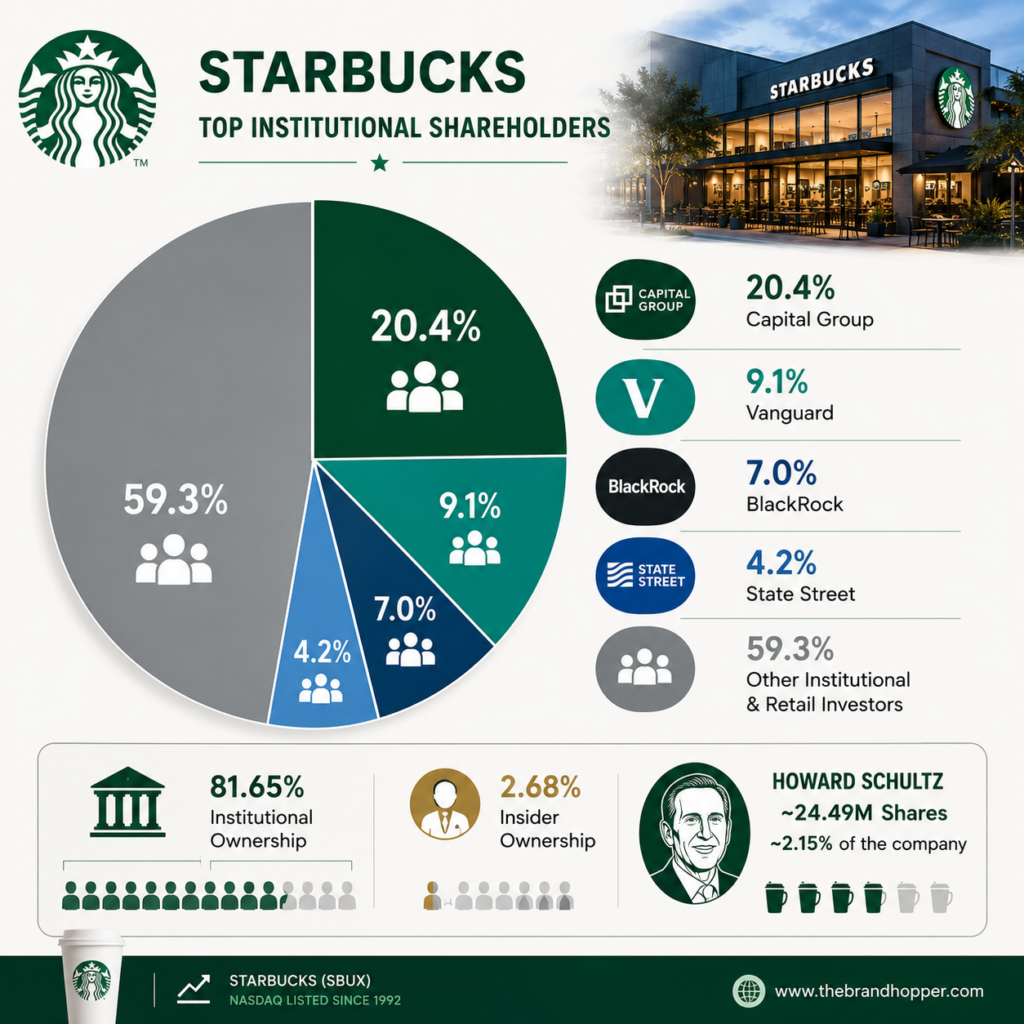
Institutional investors collectively hold roughly 81.65% of outstanding shares, with company insiders holding about 2.68% and individual retail investors holding the remainder.
The single largest institutional shareholder is Capital Group, an investment management firm holding approximately 20.4% of shares as of late 2025 — an unusually concentrated position for one asset manager, though still far short of outright control.
Vanguard holds roughly 9.1%, BlackRock about 7%, and State Street around 4.2%, rounding out the largest institutional holders.
Among individuals, Howard Schultz remains Starbucks’ largest shareholder by a wide margin, holding roughly 24.49 million shares (about 2.15% of the company), a stake built over nearly four decades of involvement with the brand, even though he stepped down from active leadership roles multiple times over the years.

Howard Schultz’s On-Again, Off-Again Leadership
Schultz’s relationship with the Starbucks CEO title has been famously nonlinear.
He served as CEO from 1987 to 2000, stepped back into a chairman role during the 2000s, then returned as CEO in 2008 during the financial crisis to lead a major operational turnaround, stepped down again in 2017, and then came back a third time as interim CEO in 2022 during a period of union organizing pressure and slowing growth, before finally handing the role to Laxman Narasimhan in 2023.
Narasimhan’s tenure proved short-lived; he was replaced in 2024 by Brian Niccol, previously the CEO who had engineered a widely praised turnaround at Chipotle, marking Starbucks’ clearest attempt yet to bring in outside leadership rather than continuing to cycle back to Schultz.

Starbucks’ Financial Turnaround Under Brian Niccol
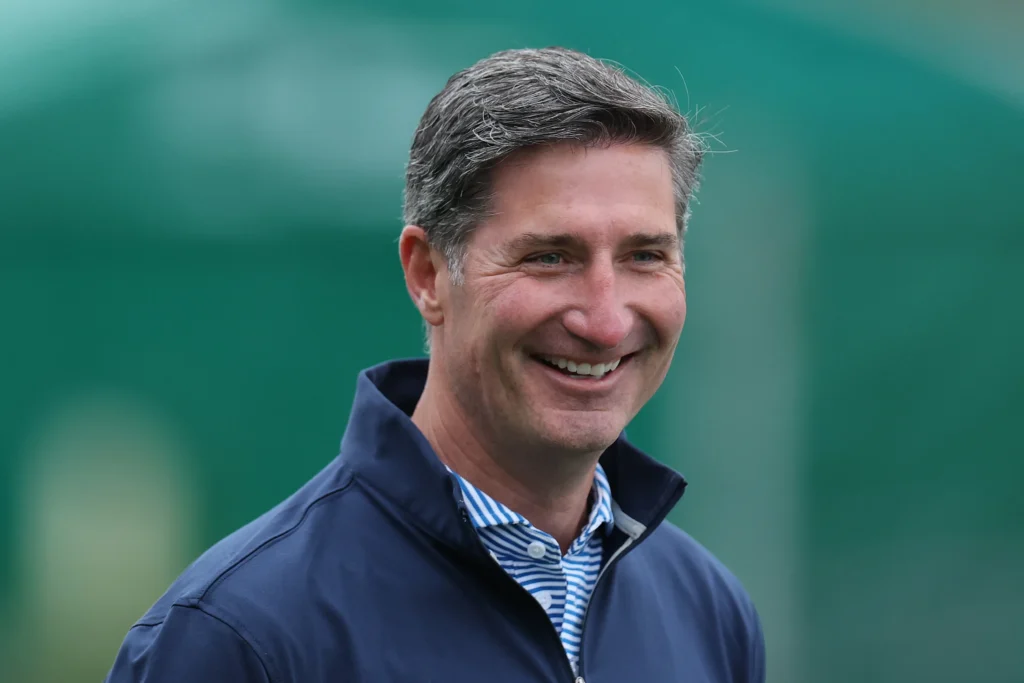
Brian Niccol inherited a Starbucks facing declining transactions, slowing US sales growth, and mounting competitive pressure from both premium independent coffee shops and value-focused fast-food chains.
His “Back to Starbucks” strategy, focused on simplifying the menu, speeding up service, and restoring the in-store café experience, began showing measurable results through fiscal 2025 and into 2026.
Fiscal Q2 2026 revenue rose 9% year-over-year to $9.5 billion, marking Starbucks’ first simultaneous top- and bottom-line growth in more than two years, with US comparable-store sales jumping 7.1% and customer transactions rising 4.3% in the same quarter.
For fiscal 2026, Starbucks is guiding toward global and US comparable-store sales growth of more than 5%, with longer-term targets through fiscal 2028 calling for at least 3% same-store sales growth, at least 5% revenue growth, and earnings per share between $3.35 and $4.
Labor Relations: The Starbucks Workers United Standoff
Starbucks’ ownership and leadership story in 2025-2026 has unfolded alongside a significant labor relations conflict.
Starbucks Workers United, the union representing baristas across hundreds of company-owned US locations, launched a nationwide unfair labor practice strike on November 13, 2025 — Red Cup Day, one of Starbucks’ busiest promotional days — protesting what the union described as stalled contract negotiations and unresolved labor practice complaints.
The strike grew into the longest nationwide strike in company history, peaking in December 2025 at more than 4,500 baristas across 230 stores, before tapering to roughly 1,000 workers at fewer than 50 stores by early February 2026.

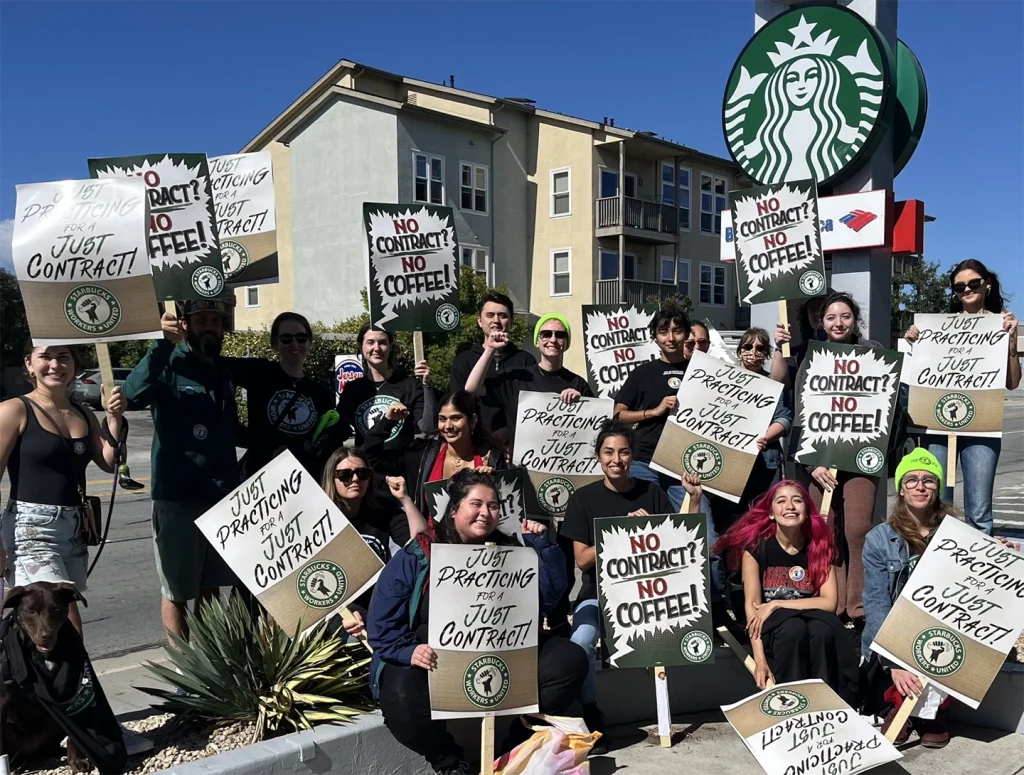
By the end of 2025, 667 Starbucks stores had unionized, representing about 6% of the company’s more than 10,000 company-owned US locations.
Starbucks and Workers United agreed to resume formal bargaining in April 2026, though a comprehensive contract had not been finalized as of this writing.
Starbucks’ Global Footprint
Despite its US-centric brand identity, Starbucks has become a genuinely global company.
As of 2025, Starbucks operated more than 40,000 stores worldwide, with international locations — nearly 23,000 of them — having overtaken North American locations in raw count, reflecting years of aggressive expansion across China, Japan, and other international markets even as US same-store performance has been more volatile.

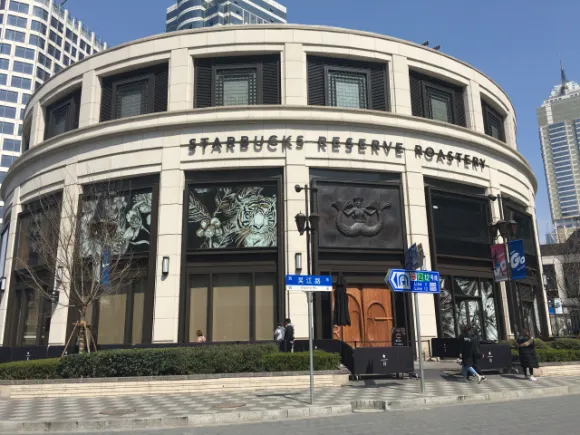
Starbucks operates through a mix of company-owned stores and licensed locations depending on the market, giving it a flexible expansion model that has helped it maintain its position as the largest coffeehouse chain in the world by both revenue and store count.
Is Starbucks Family-Owned or Controlled by Howard Schultz?
No — despite being closely associated with Schultz personally, Starbucks is not family-owned or founder-controlled in any formal sense.
Schultz’s roughly 2.15% stake, while the largest individual holding, is a small fraction of the company compared to the combined weight of institutional shareholders like Capital Group, Vanguard, and BlackRock.
Schultz has also stepped away from any operational or board role at various points, most recently transitioning fully out of the CEO role in 2023, meaning current strategic decisions rest with CEO Brian Niccol and Starbucks’ board of directors rather than with Schultz personally, even though his cultural influence over the brand’s identity remains widely acknowledged.
Which Ownership Detail Matters Most for Understanding Starbucks?
For anyone trying to understand Starbucks’ ownership at a glance, the most useful distinction is this: Starbucks was founded by three people who never intended to build a café empire, was transformed into the brand people recognize today by someone who bought his way in rather than founding it, and is now owned collectively by millions of shareholders through public markets rather than by any lasting founder or family dynasty.
That combination — a “founder story” driven by an outsider, followed by full public-market diffusion of ownership — is relatively unusual even among major global consumer brands, most of which either remain privately controlled by founding families or were built from day one by the person most associated with the brand.
Starbucks vs Dunkin’ and the Broader Coffee Market
Starbucks’ scale still dwarfs most direct competitors in the US coffeehouse category. Still, the competitive landscape has grown more crowded on both ends: value-focused chains like Dunkin’ continue to compete aggressively on price and speed.
At the same time, a wave of independent, premium “third wave” coffee shops has chipped away at Starbucks’ cultural cachet in many urban markets.
Niccol’s turnaround strategy has explicitly targeted this squeeze from both directions, emphasizing faster service to compete with quick-service rivals while also investing in in-store ambiance and barista craft to defend against premium independents — essentially trying to reclaim the “third place” identity Schultz originally built the modern Starbucks around back in the 1980s.
Starbucks Ownership & History at a Glance
| Fact | Detail |
| Founded | March 30, 1971, near Pike Place Market, Seattle |
| Founders | Jerry Baldwin, Gordon Bowker, and Zev Siegl |
| Original business | Coffee bean and equipment wholesaler (no café) |
| Howard Schultz joined | 1982, as director of marketing |
| Schultz bought Starbucks | 1987, via his own venture, Il Giornale, for ~$3.8 million |
| IPO | 1992 (NASDAQ: SBUX), raised $271 million |
| Largest shareholder | Capital Group (~20.4%) |
| Other major shareholders | Vanguard (~9.1%), BlackRock (~7%), State Street (~4.2%) |
| Largest individual shareholder | Howard Schultz (~2.15%, ~24.49 million shares) |
| Current CEO | Brian Niccol (since 2024) |
| Previous CEO | Laxman Narasimhan (2023–2024) |
| Fiscal Q2 2026 revenue | $9.5 billion (up 9% YoY) |
| Global store count (2025) | 40,000+ (nearly 23,000 international) |
| Unionized US stores (end of 2025) | 667 stores (~6% of company-owned US locations) |
Key Takeaways
Starbucks’ ownership story defies the simple “founder built it, founder owns it” narrative that applies to many global brands.
The company was actually founded by three coffee enthusiasts with no interest in building a café chain, while Howard Schultz — the person most associated with Starbucks worldwide — joined years later, was rebuffed when he proposed the café concept, and ultimately bought the entire company through his own separate venture in 1987.
Today, no individual controls Starbucks: it’s a widely held public company dominated by institutional shareholders like Capital Group and Vanguard, currently navigating both a leadership-driven financial turnaround under CEO Brian Niccol and a significant labor relations standoff with its unionized workforce.
Frequently Asked Questions
Q: Who owns Starbucks?
A: Starbucks Corporation is a publicly traded company (NASDAQ: SBUX) with no controlling shareholder. Its largest holder is Capital Group (~20.4%), followed by Vanguard (~9.1%), BlackRock (~7%), and State Street (~4.2%).
Q: Did Howard Schultz found Starbucks?
A: No. Starbucks was founded in 1971 by Jerry Baldwin, Gordon Bowker, and Zev Siegl. Howard Schultz joined as marketing director in 1982 and later purchased the company in 1987 through his own venture, Il Giornale, transforming it into the café chain known today.
Q: How much of Starbucks does Howard Schultz own?
A: Howard Schultz remains Starbucks’ largest individual shareholder, holding approximately 24.49 million shares, or about 2.15% of the company — a relatively small stake compared to major institutional holders like Capital Group.
Q: Who is Starbucks’ current CEO?
A: Brian Niccol has served as Starbucks’ CEO since 2024, leading the company’s “Back to Starbucks” turnaround plan after previously serving as CEO of Chipotle.
Q: Is Starbucks a publicly traded company?
A: Yes. Starbucks has been publicly traded on NASDAQ under the ticker SBUX since its 1992 IPO, which raised $271 million.
Q: Why are Starbucks workers on strike?
A: Starbucks Workers United launched a nationwide unfair labor practice strike on November 13, 2025, citing stalled contract negotiations. The strike became the longest in company history before tapering off, with formal bargaining set to resume in April 2026.
Q: How many Starbucks stores are there worldwide?
A: As of 2025, Starbucks operated more than 40,000 stores worldwide, with nearly 23,000 located internationally, surpassing North American store counts for the first time.
Q: Is Starbucks’ turnaround plan working?
A: Early signs are positive. Fiscal Q2 2026 revenue rose 9% year-over-year to $9.5 billion, with US comparable-store sales up 7.1%, marking the company’s first simultaneous revenue and profit growth in over two years under CEO Brian Niccol.
Also Read: Starbucks’ Third Place Concept: Coffee Shop as Community Hub
To read more content like this, subscribe to our newsletter
Go to the full page to view and submit the form.