


Quick answer: TikTok’s US operations are now owned by a new joint venture, TikTok USDS Joint Venture LLC, which is 80.1% owned by American and allied investors (led by Oracle, Silver Lake, and Abu Dhabi’s MGX) and 19.9% owned by ByteDance, the Chinese tech giant that has controlled TikTok since 2017. The deal, which closed on January 22, 2026, was forced by a US law requiring ByteDance to divest or face a nationwide ban. Real questions remain about how independent the new entity’s algorithm and data practices actually are from ByteDance.
Few apps have had as complicated an ownership story as TikTok. What started as a Chinese-owned short-video app became the center of a years-long US national security fight, ending in one of the most unusual corporate restructurings in tech history. Here’s exactly who owns TikTok today, how it got here, and what concerns remain.
Who Founded TikTok? A Brief History
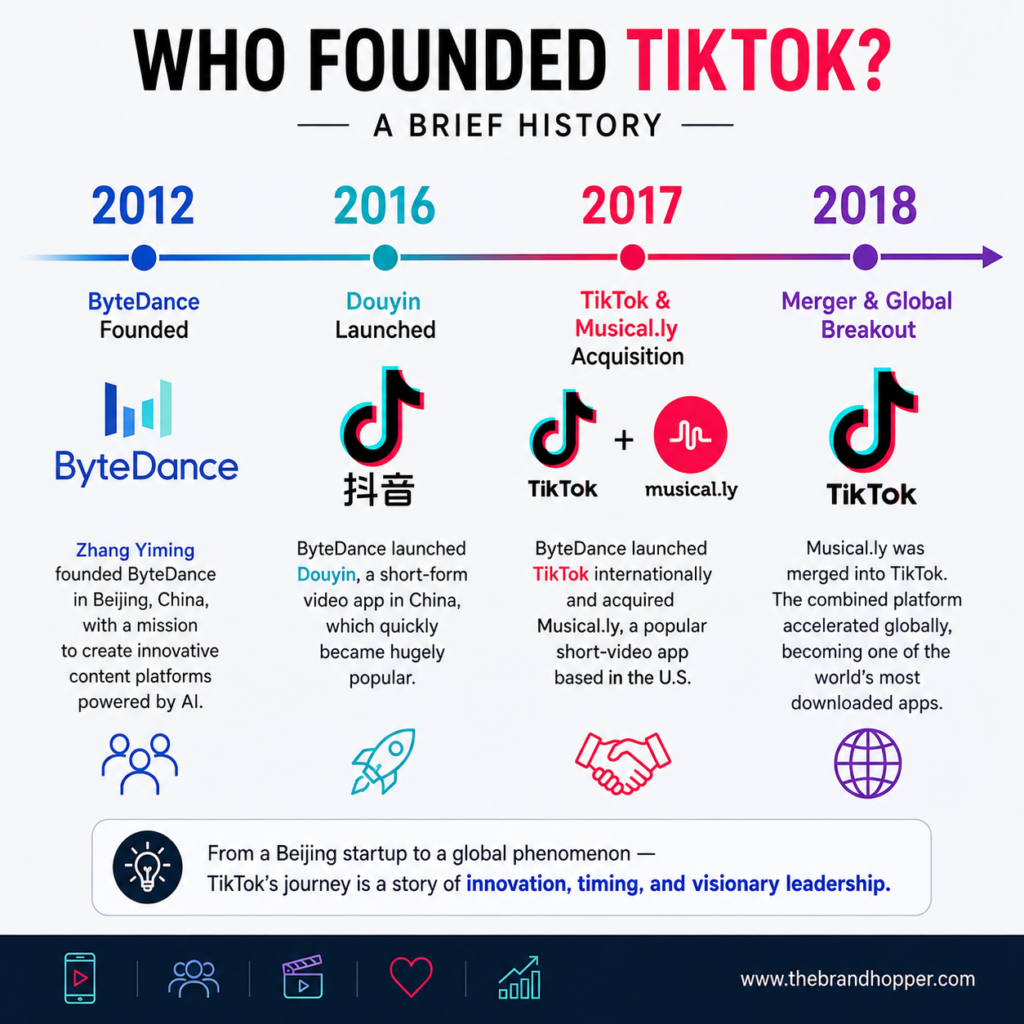
TikTok’s roots trace back to ByteDance, founded in Beijing in 2012 by Zhang Yiming.
His first product, Toutiao, was a news aggregation app that used machine learning to personalize content — technology that would later power TikTok’s famous recommendation algorithm.
ByteDance launched Douyin, a short-video app, in China in September 2016, followed by its international counterpart, TikTok, in 2017.
Later that year, ByteDance acquired Musical.ly, a lip-syncing app popular with American teenagers, for roughly $1 billion.
In August 2018, Musical.ly was merged directly into TikTok, instantly bringing around 100 million users and giving TikTok its foothold in the US and other Western markets.

The Law That Forced This: PAFACA and the Divest-or-Ban Ultimatum
In 2024, the US Congress passed the Protecting Americans from Foreign Adversary Controlled Applications Act (PAFACA), which classified TikTok as an application controlled by a foreign adversary because of ByteDance’s ties to China.

The law gave ByteDance 270 days to divest TikTok’s US operations or face a nationwide ban, driven by concerns that the Chinese government could compel ByteDance to hand over US user data or influence content shown to Americans through the app’s algorithm.
After missed deadlines, extensions, and prolonged negotiations, a deal was finally struck to restructure TikTok’s US business rather than shut it down.
Who Owns TikTok Now? The New US Joint Venture Explained
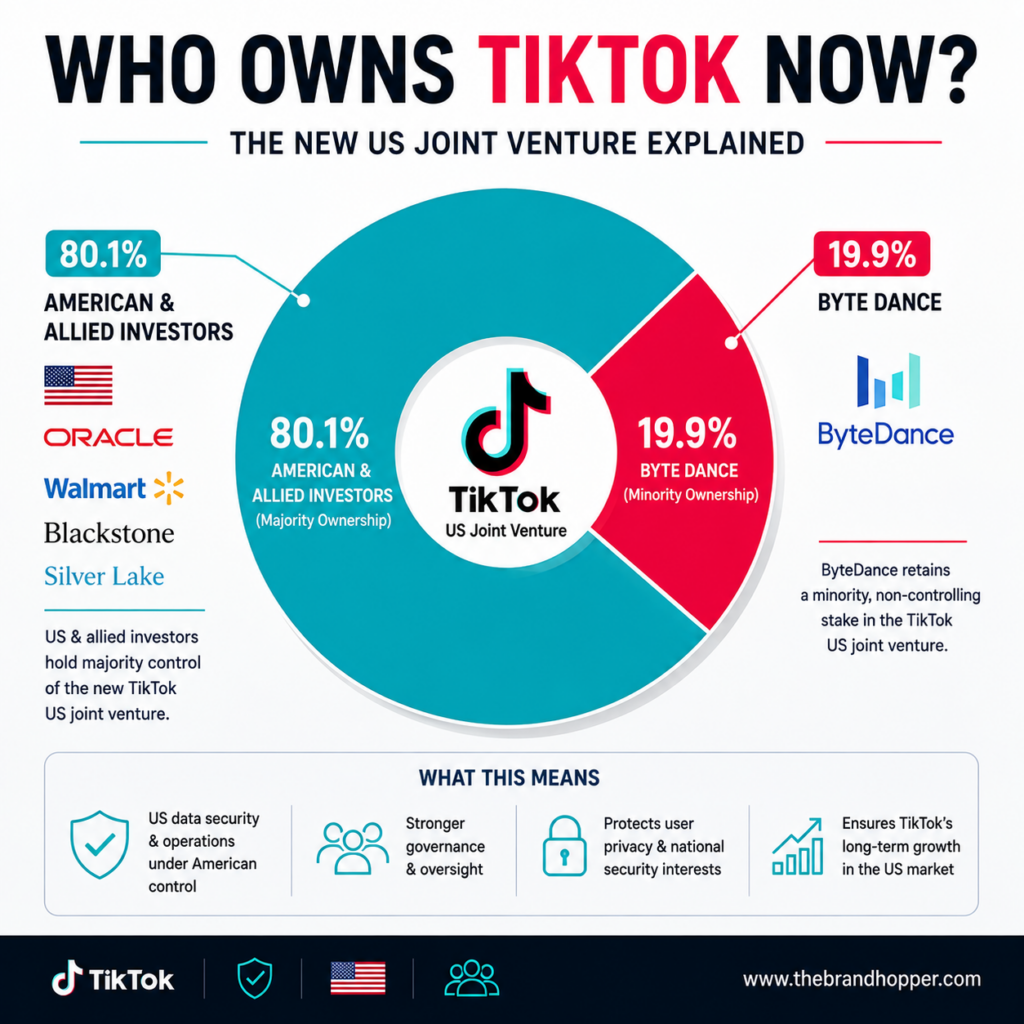
On January 22, 2026, ByteDance officially closed a deal transferring control of TikTok’s US operations into a new entity called TikTok USDS Joint Venture LLC, valued at approximately $14 billion.
The ownership breaks down as follows: a consortium of new American and allied investors holds 50% of the joint venture, with Oracle, Silver Lake, and Abu Dhabi’s MGX each holding a 15% stake as lead managing investors.
Existing ByteDance investors, including firms like Susquehanna and Dragoneer and Michael Dell’s family office, retain roughly 30.1%. ByteDance itself keeps a 19.9% stake, deliberately kept just under the 20% threshold set by law to define acceptable “foreign adversary” ownership.
In total, that puts 80.1% of TikTok’s US operations in American or allied hands. The new joint venture’s seven-member board includes six American appointees and just one seat for ByteDance, giving US-aligned investors clear governance control on paper.
Does ByteDance Still Control TikTok?
Not in the US, at least not on paper — but its influence hasn’t disappeared. ByteDance retains a meaningful 19.9% economic stake and one board seat, and it continues to fully own and operate TikTok’s sister app, Douyin, along with TikTok’s business everywhere outside the United States.
Critics argue that a company retaining nearly a fifth of the business and a board presence still has real influence over strategic decisions, even without a controlling stake.
What Happened to TikTok’s Algorithm?
This is the most technically and politically sensitive part of the deal. TikTok’s recommendation algorithm, widely seen as its most valuable asset, is being retrained under the new joint venture, with oversight from US security partners, rather than simply continuing to run on ByteDance’s original code. The Trump administration’s order framing the deal describes the algorithm as being controlled operationally by the new joint venture going forward.
However, China’s own export control rules treat recommendation-engine technology as sensitive, meaning Beijing’s approval was required for any transfer or licensing arrangement. It remains genuinely unclear to outside observers — and to some US lawmakers who have publicly raised “serious concerns” — whether this amounts to a clean technological break from ByteDance or effectively a licensing relationship that keeps the US version dependent on Chinese-developed technology.
Who Runs TikTok Now?
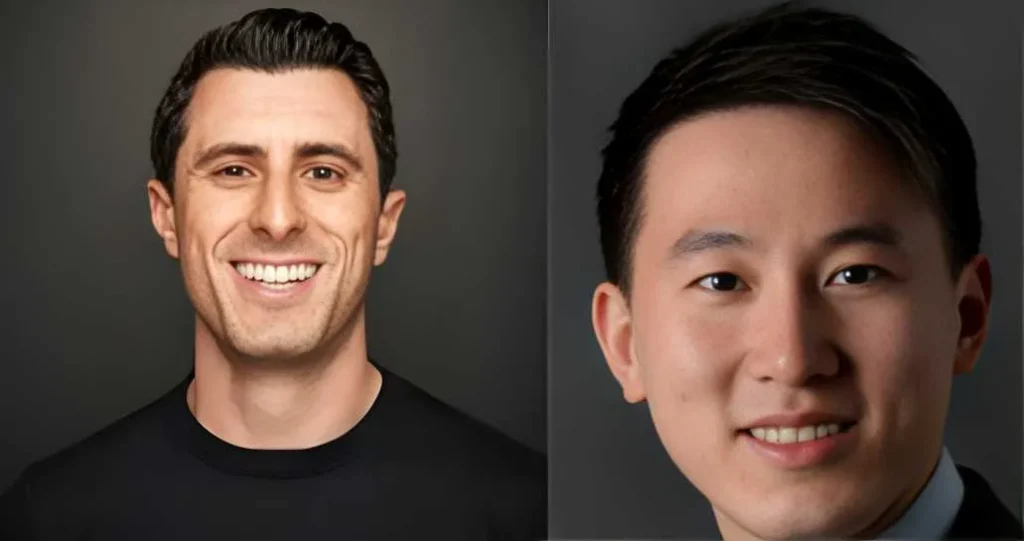
Adam Presser, previously TikTok’s head of operations, was named CEO of the new TikTok USDS Joint Venture. Shou Zi Chew, who has served as TikTok’s global CEO since 2021, moves into a director role on the joint venture’s board rather than running the US entity’s day-to-day operations directly.

ByteDance Today: More Than Just TikTok
Even after ceding majority control of TikTok’s US business, ByteDance remains one of the most valuable private companies on Earth, with a valuation estimated between $473 billion and $481 billion in 2026 based on recent investor filings and share bids.
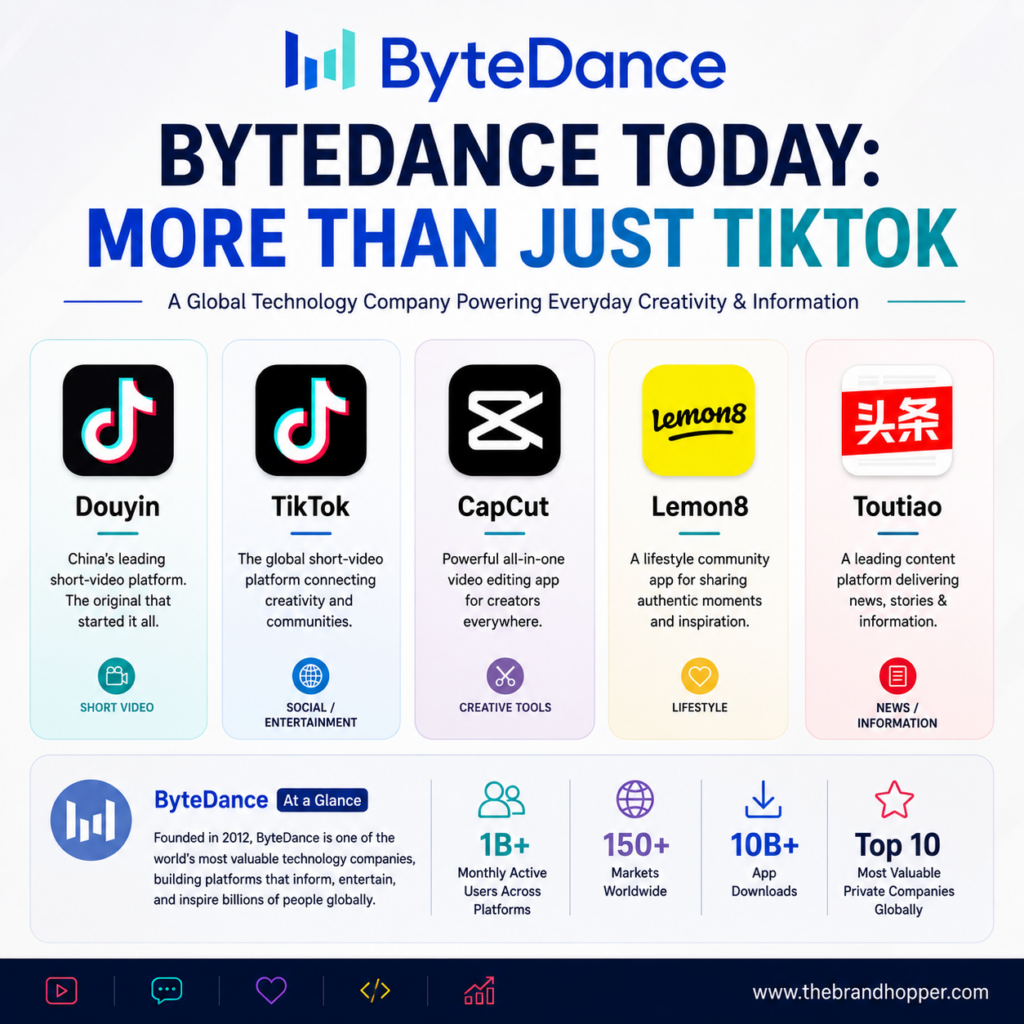
Beyond TikTok and Douyin, ByteDance’s portfolio includes CapCut (video editing), Lemon8 (lifestyle content), and Toutiao (its original news app), with well over 1 billion users across its platforms globally.
The US joint venture deal specifically also covers CapCut and Lemon8’s US operations, alongside TikTok.
Lingering Concerns
Even with the deal closed, several concerns remain live. Data security advocates want confirmation that US user data is genuinely walled off from ByteDance access, building on the earlier “Project Texas” effort to store American data on US-based Oracle Cloud servers.
For users who become more privacy-conscious when reading about platform ownership and data practices, running a quick VPN test can also help confirm whether their connection protections are working as expected.
Algorithm independence remains contested, given China’s export-control leverage over the technology.
And the deal itself sets an unusual precedent: a foreign-adversary-owned app being restructured into a hybrid public-private American entity rather than being banned outright or sold entirely — a model that may shape how future disputes over foreign-owned tech platforms get resolved.
TikTok Ownership at a Glance
| Fact | Detail |
| TikTok’s original owner | ByteDance (Beijing, founded 2012 by Zhang Yiming) |
| US entity as of 2026 | TikTok USDS Joint Venture LLC |
| American/allied ownership | 80.1% |
| ByteDance’s remaining stake | 19.9% |
| Lead managing investors | Oracle, Silver Lake, MGX (15% each) |
| Other ByteDance-linked investors | ~30.1% (Susquehanna, Dragoneer, Dell family office, and others) |
| Deal value | ~$14 billion |
| Deal closed | January 22, 2026 |
| Board structure | 7 seats: 6 American, 1 ByteDance |
| US joint venture CEO | Adam Presser |
| TikTok global CEO | Shou Zi Chew (now a JV board director) |
| ByteDance valuation (2026) | ~$473–481 billion |
| Apps included in the deal | TikTok, CapCut, Lemon8 (US operations) |
Key Takeaways
TikTok’s US business is no longer majority-owned by ByteDance — a coalition led by Oracle, Silver Lake, and MGX now holds a controlling 80.1% stake, resolving a years-long legal standoff triggered by US national security law.
But ByteDance hasn’t fully exited: it retains a 19.9% stake, a board seat, and arguably outsized influence over the algorithm at the heart of the product. Whether that arrangement fully addresses the concerns that started this fight, or simply reframes them, is likely to remain a live debate for years to come.
Frequently Asked Questions
Q: Who owns TikTok now?
A: TikTok’s US operations are owned by TikTok USDS Joint Venture LLC, which is 80.1% owned by American and allied investors (led by Oracle, Silver Lake, and MGX) and 19.9% owned by ByteDance, following a deal that closed on January 22, 2026.
Q: Does ByteDance still own TikTok?
A: ByteDance retains a 19.9% minority stake and one board seat in TikTok’s new US joint venture, but no longer holds majority control. ByteDance continues to fully own TikTok’s operations outside the US, along with its sister app, Douyin, in China.
Q: Why did TikTok have to change its ownership?
A: A 2024 US law, the Protecting Americans from Foreign Adversary Controlled Applications Act (PAFACA), required ByteDance to divest TikTok’s US operations or face a nationwide ban, citing national security concerns about Chinese government access to US user data and algorithmic influence.
Q: Who founded TikTok?
A: TikTok’s parent company, ByteDance, was founded in 2012 by Zhang Yiming in Beijing. TikTok itself launched internationally in 2017 and merged with the acquired app Musical.ly in 2018.
Q: Is TikTok’s algorithm still controlled by China?
A: It’s disputed. The new US joint venture says the algorithm has been retrained and is operationally controlled by the American entity, but China’s export-control rules required approval for the technology’s transfer, and some lawmakers argue the arrangement may still leave the US version reliant on ByteDance-developed technology.
Q: Who is the CEO of TikTok now?
A: Adam Presser leads the new TikTok USDS Joint Venture as CEO. Shou Zi Chew, TikTok’s global CEO since 2021, now serves as a director on the joint venture’s board.
Q: How much is ByteDance worth?
A: ByteDance was valued at approximately $473 billion to $481 billion in 2026, based on recent investor filings and share bids, making it one of the most valuable private companies in the world.
Also Read: The Rise of TikTok: How the Short-Form Video App Took the World by Storm
To read more content like this, subscribe to our newsletter
Go to the full page to view and submit the form.