


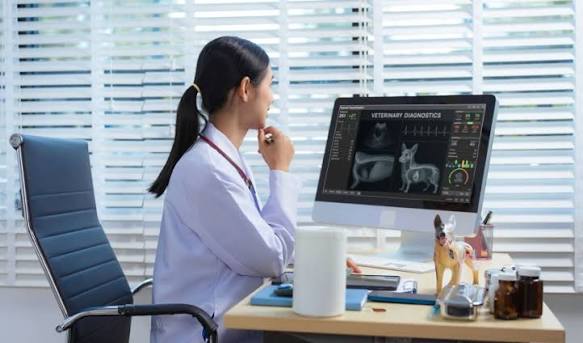
A dog that once raced to the door may now struggle to climb the stairs. A cat that loved jumping onto the sofa may begin avoiding it. For pet owners, these small changes can raise difficult questions about pain, aging, and the right care. Veterinary medicine is finding new ways to answer those questions, thanks to technologies that help clinicians see more, monitor progress, and support recovery. Artificial intelligence, connected devices, advanced imaging, and light-based therapies are changing how animal healthcare is delivered. These innovations, with appropriate veterinary oversight, do not replace veterinarians. Instead, they can give veterinary teams better information and offer pets more flexible ways to receive support.
Seven technologies are helping shape this transition, each offering new possibilities for veterinary professionals and pet owners.
1. Photobiomodulation and Light-Based Therapy
Photobiomodulation, often called red and near-infrared light therapy, uses specific wavelengths of light to interact with tissue. Veterinary professionals may consider it as part of a wider plan for managing discomfort, inflammation, or recovery in selected cases.
The technology is becoming more accessible beyond specialist clinics. For example, MedcoVet Luma is an at-home light therapy system for dogs and cats that combines red and infrared wavelengths with an optical comb designed to part the coat. Its app-based treatment guidance and clinician-supported plans illustrate how rehabilitation technology can connect home care with veterinary oversight.
Evidence varies by condition and method. A study indexed by the US National Library of Medicine examined how wavelength, power, and coat pigmentation affect light penetration in dogs, highlighting the importance of device design and individual protocols.
2. Artificial Intelligence for Faster Clinical Insights
Artificial intelligence (AI) can analyze large amounts of information, including medical images, laboratory results, and patient records. In veterinary settings, image-recognition systems are being explored to help identify patterns in X-rays, skin images, and other diagnostic material.
AI can flag areas for closer review, but findings need professional assessment. Species, breed, and image differences can affect accuracy, so these systems should support, not replace, veterinary judgment.
3. Wearable Devices for Continuous Health Monitoring
Smart collars, activity trackers, and other wearable sensors can record movement, rest patterns, and selected vital signs. Over time, these readings may help owners and veterinarians notice changes that are difficult to spot during a short clinic visit.
A drop in activity or a change in sleep patterns may prompt a veterinary conversation. Wearables do not diagnose illness, and readings can be affected by fit, movement, and normal behavior. Their value is often in tracking trends.
4. Veterinary Telemedicine and Remote Consultations
Video calls, messaging platforms, and digital appointment systems make it easier for pet owners to communicate with veterinary teams. Remote consultations can be useful for follow-up discussions, reviewing recovery, or deciding whether an in-person examination is needed.
Telemedicine cannot replace every examination, test, or emergency visit. Its use also depends on local regulations and veterinarian-client-patient relationship requirements. Used appropriately, it can make communication more convenient.
5. Advanced Imaging and Point-of-Care Diagnostics
Digital X-rays, ultrasound, CT, and MRI give veterinary teams detailed views inside an animal’s body. Imaging software can help clinicians examine findings, compare scans, and plan further tests.
Portable diagnostic equipment is also bringing some testing closer to the consultation room. Faster access to selected results can support timely decisions, although complex cases may still require specialist interpretation or laboratory confirmation.
6. Connected Medical Records and Cloud-Based Practice Systems
Digital veterinary records help practices organize medical histories, prescriptions, vaccination details, test results, and appointment notes. Cloud-based systems can make relevant information available to authorized team members across different locations.
Better access can reduce repeated paperwork and clarify a pet’s history. Benefits depend on accurate records, secure access, privacy safeguards, and reliable information sharing.
7. Personalized and Preventive Veterinary Care
Technology is helping veterinary teams move towards care plans that reflect an individual animal’s age, breed, medical history, activity, and lifestyle. Data from health records, diagnostic tests, and wearables may help clinicians identify patterns and discuss risks earlier.
This can help pets with long-term conditions. However, veterinarians must interpret data alongside examinations, owner observations, and the animal’s overall well-being.
What These Trends Mean for Pet Owners
New tools can improve care, but not every product suits every animal. Before adopting one, owners should:
- Ask how the tool supports a specific health need.
- Check whether its claims are supported by reliable evidence.
- Discuss its suitability and safe use with a veterinarian.
- Understand what information it collects and how that data is protected.
- Treat alerts and readings as prompts for professional advice, not as a diagnosis.
The Future of Pet Healthcare
Veterinary technology is moving towards care that is more connected, data-informed, and tailored to individual animals. AI, remote monitoring, advanced diagnostics, and rehabilitation tools may help veterinary teams make better-informed decisions and support pets beyond the clinic.
The most meaningful progress will come when innovation is matched with sound evidence, responsible data practices, and veterinary expertise. Technology works best as a partner in care, helping professionals and pet owners make thoughtful decisions about an animal’s health.
Frequently Asked Questions
Can technology replace a visit to the veterinarian?
No. Digital tools can support communication and monitoring, but they cannot replace a physical examination or urgent veterinary assessment when one is needed.
How can pet owners prepare for a technology-assisted appointment?
Bring relevant health records, a list of medications, and notes or videos showing changes in your pet’s behavior to help the veterinarian assess the information.
What is the role of photobiomodulation in veterinary care?
Photobiomodulation uses specific wavelengths of red and near-infrared light to support tissue recovery and help manage inflammation and discomfort in certain conditions. MedcoVet Luma is one example of a device designed to deliver this type of light therapy to pets.
To read more content like this, explore The Brand Hopper
Subscribe to our newsletter
Go to the full page to view and submit the form.