


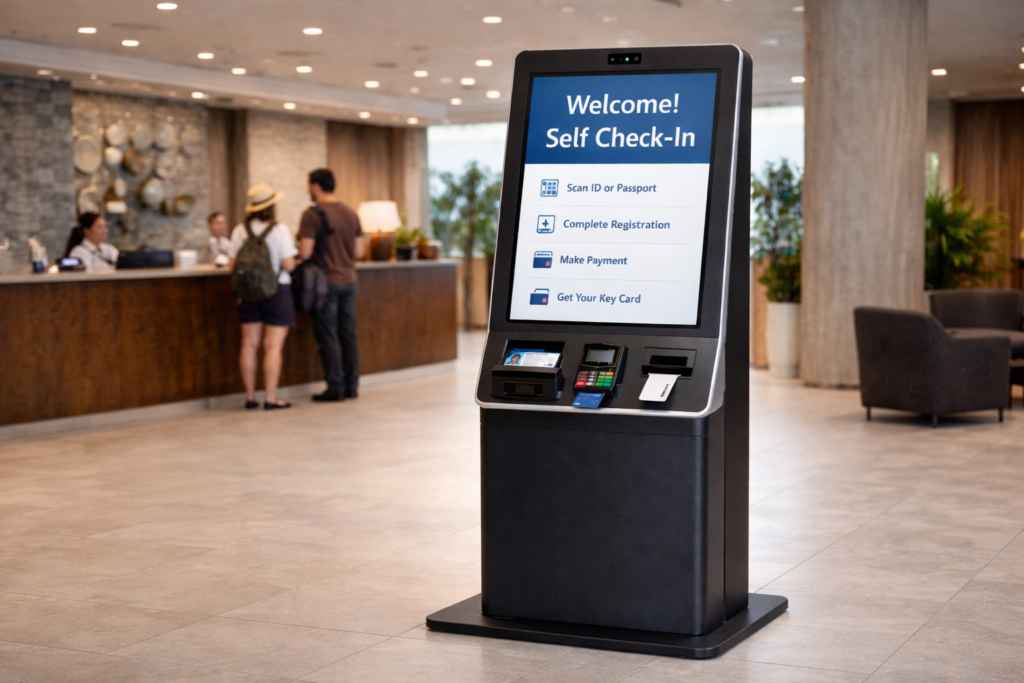
A visitor management system used to mean a paper logbook and a stack of sticky badges at the front desk. In 2027, that approach no longer holds up. Manufacturing plants, hospitals, airports, labs and distribution centres need to know exactly who is on site, why they are there, what they have signed and how quickly they can be accounted for in an emergency. Auditors expect clean records, and security teams expect screening to happen before anyone walks past reception.
So what separates the best visitor management systems from basic sign-in apps? Here are the five capabilities top providers deliver, and what to look for when you compare options for your own facilities.
1. Pre-Registration and Fast, Self-Service Check-In
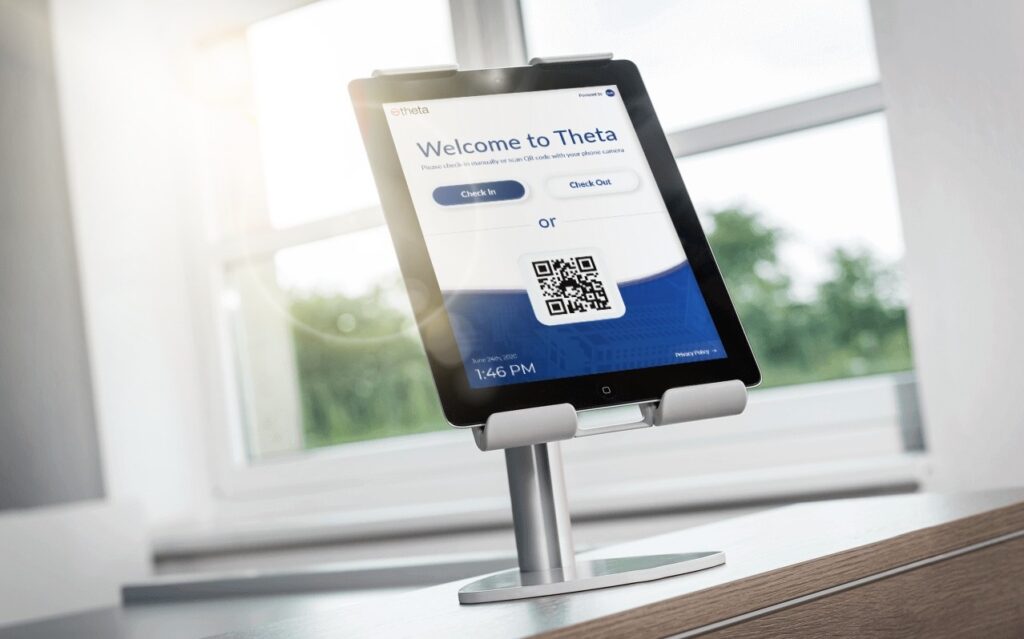
The visitor experience starts before arrival. Leading platforms let hosts invite guests in advance, so visitors can share their details and receive a QR code. On the day, they scan in at a kiosk instead of queuing at the desk.
VisitorOS, the visitor management system from FacilityOS, follows this model with pre-registration, QR check-in and iPad kiosks that support more than 45 languages. Approved details are saved for returning visitors, hosts are alerted by email, SMS, Teams or Slack, and check-out can happen at a kiosk, on mobile or automatically. FacilityOS says Litehouse achieved check-ins more than 90% faster after rolling it out.
What to look for: multilingual kiosks, saved profiles for repeat visitors and host alerts through the tools your team already uses.

2. Built-In Screening and Watchlists
A visitor management system is a security tool first. The strongest platforms verify identity and screen visitors before access is granted, not after.
VisitorOS captures visitor details from government-issued IDs, prints photo badges and checks visitors against third-party and custom watchlists. A match triggers a security alert and an access review, and the attempt is logged. For sites that deal with trade regulations, it also integrates with trade compliance tools such as Descartes and Amber Road.
What to look for: screening that runs automatically at check-in, clear escalation steps and a record of every flagged attempt.
3. Compliance Documents and Audit-Ready Records
In regulated industries, a visitor log is evidence. Pharma plants answer to GMP and FDA rules, defence suppliers to ITAR and food producers to SQF. An auditor can ask who entered a site on a given date and what they signed.
The best systems collect NDAs, safety policies and compliance forms digitally at check-in and keep them in searchable, exportable records. VisitorOS captures these signatures at sign-in, keeps immutable audit logs and can auto-purge records under configured retention rules. FacilityOS reports that the Greater Toronto Airports Authority cut reporting time by 99%, from hours or days to about 30 seconds.
What to look for: digital signatures by visitor type, tamper-proof logs and configurable data retention.
4. Contractor and Vendor Compliance in the Same Workflow
Contractors are not ordinary visitors. They may need insurance certificates, training records and site-specific permits before they start work, and those documents expire. According to FacilityOS, more than 75% of organisations still rely on manual methods to track contractor compliance.
Top providers bring contractor management into the visitor flow instead of leaving it in spreadsheets. FacilityOS does this with ContractorOS, which collects documents through a guided process, sends automated alerts before documents expire and lets staff approve, reject or query submissions with a full audit trail. Because it is linked to VisitorOS, compliance is checked as soon as a host invites a contractor, and compliant contractors are auto-approved at sign-in. Vendors serving several sites can manage all their requirements in one place, which means fewer turned-away visits.
What to look for: expiry tracking, pre-approval before arrival and one view of contractor compliance across every site.
5. Multi-Site Control, Integrations and Emergency Readiness
Large organisations run dozens of sites, and a system that works in one lobby has to scale to all of them. Enterprise-ready platforms offer a single dashboard, custom workflows by site and visitor type, and identity integrations that IT teams can manage.
VisitorOS supports unlimited locations from one dashboard, along with SSO/SAML, SCIM provisioning, role-based access and integrations with Okta, Microsoft Entra ID and Google Workspace. FacilityOS says Valmet standardised 40 North American locations on the platform. Hardware is part of the package too: the iPad, stand, badge printer and device management are included, which keeps budgeting simple.
Emergency readiness ties it all together. Contractors admitted through VisitorOS are added to mustering lists in FacilityOS’s emergency management product, so teams know who to account for during an evacuation.
What to look for: central reporting across sites, SSO, included hardware and live headcounts during emergencies.
How to Choose the Right Visitor Management System
Start with risk. A small office may only need fast sign-in and badges, while a chemical plant or hospital needs screening, document capture, contractor compliance and audit trails. Map your visitor types, list the regulations you answer to and ask vendors to demonstrate the full journey, from invite to audit report. Check the total cost as well, since kiosks, printers and support contracts are sometimes billed separately.
Final Thoughts
The best visitor management system in 2027 does far more than log names. It screens visitors, captures compliance records, keeps contractors in check and scales across sites without adding work at the front desk. For regulated facilities that manage both visitors and contractors, a connected setup such as VisitorOS with ContractorOS covers the full picture from a single platform.
To read more content like this, explore The Brand Hopper
Subscribe to our newsletter
Go to the full page to view and submit the form.