



Building a modern resort isn’t only an architectural project. It’s also a technology project that starts well before the first guest walks through the lobby. A large property may need guest Wi-Fi, smart rooms, mobile check-in, digital access, property management software, payment systems, security tools and dozens of operational applications. The difficult part isn’t simply choosing these systems. It’s making sure they work together without creating gaps for staff or guests. That planning needs to begin during the design stage.

1. Plan the Digital Foundation Early
Technology infrastructure should be considered alongside the physical resort design. Retrofitting cabling, network equipment or access points after walls and ceilings are finished can be expensive and restrictive. Fibre backbones, server rooms, structured cabling and Wi-Fi access points need to be mapped according to the property’s actual layout. This becomes especially important for resorts with several buildings, outdoor areas, pools, restaurants or golf facilities.
Cellular coverage also deserves attention. Thick concrete structures and remote locations can create weak signals, so solutions such as distributed antenna systems may need to be included in the original plans. The objective is simple: technology should disappear into the property rather than become something that has to be fixed after opening.
2. Choose the Systems That Run the Property
Once the infrastructure is mapped out, the core software ecosystem needs to be selected. The Property Management System (PMS) sits at the centre of many hotel operations, handling functions such as reservations, room status, guest information and billing. It also needs to exchange information with other systems rather than operate as an isolated database.
A Central Reservation System (CRS), for example, keeps availability and reservation information aligned across different booking channels. Modern hospitality platforms increasingly rely on APIs to keep these exchanges moving in near real time.
Point-of-sale systems add another layer. Restaurants, spas, bars and other facilities may all have separate POS requirements, but guests still expect charges and information to flow back to their room account without staff having to reconcile everything manually.
3. Design Around the Guest Experience
Technology should solve real points of friction rather than simply add more features. Mobile check-in, digital room keys and guest messaging can reduce queues and give visitors more control. In-room systems can allow guests to adjust lighting, temperature or entertainment without calling reception.
There’s also a practical benefit for staff. A guest request submitted through an app can be routed directly to housekeeping, maintenance or food and beverage teams instead of passing through several people.
The best systems are often the ones guests barely notice. A room opens when it should, the Wi-Fi works, a restaurant charge appears correctly and a request reaches the right department without a phone call.
4. Keep Construction and Operations Connected
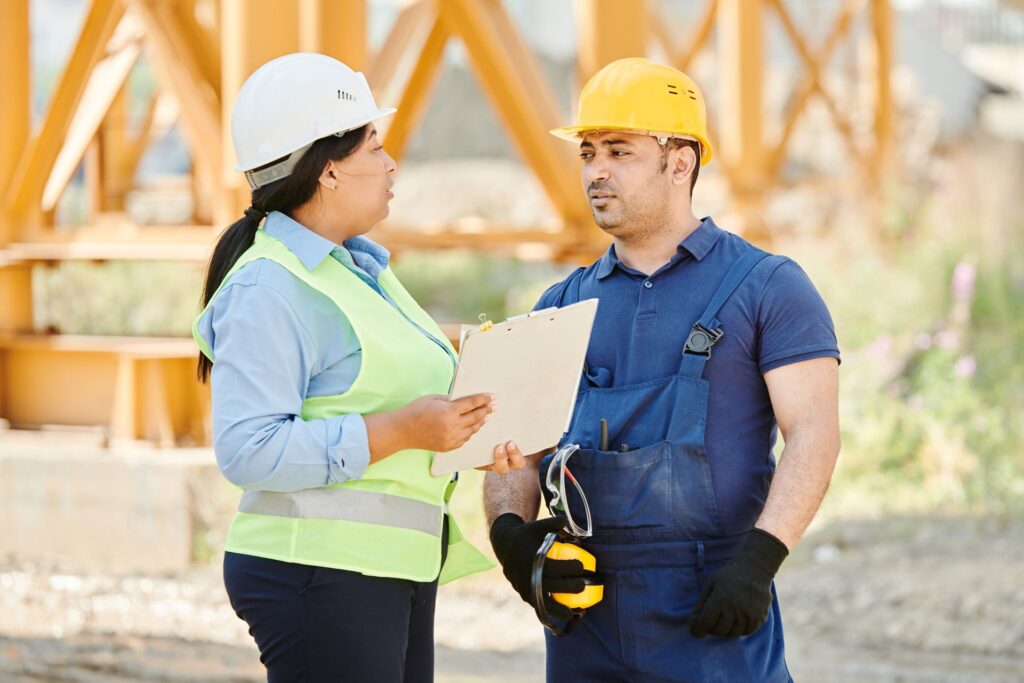
The technology challenge doesn’t begin at the grand opening. During construction, hundreds of people may be working across different areas while deliveries, contractors, equipment and inspections are happening simultaneously. Site coordination therefore needs its own communication infrastructure. Supply trucks may arrive while heavy equipment is moving, electrical teams may be working in one building while contractors are finishing another, and project managers may need immediate contact with several crews.
Where permanent telecom infrastructure isn’t yet available, temporary communication solutions can keep those teams connected. Portable infrastructure such as specialised construction project radio systems can be particularly useful for maintaining dependable site communication during this transitional stage. That temporary layer shouldn’t be treated as separate from the overall technology plan. Construction and operational technology increasingly overlap, especially on large developments where the transition from building site to working resort happens gradually.
5. Treat Integration as a Core Requirement
A resort can easily accumulate dozens of applications. The problem starts when those systems cannot exchange information properly. For example, a guest’s booking may exist in the CRS, while preferences sit inside a CRM and spending information sits in the PMS or POS. If these systems don’t communicate, staff may have to enter the same information repeatedly.
Open APIs and hospitality middleware can reduce those gaps. Integration also makes future upgrades easier because replacing one application doesn’t necessarily require rebuilding the entire technology stack. This matters more as cloud-based hospitality platforms become more common. Oracle’s current hospitality documentation, for example, describes API-based workflows connecting reservation activity with property management systems.
6. Build Security Into the Opening Plan
A connected resort creates more than convenience. It creates more points that need protection. Guest Wi-Fi, payment systems, electronic locks, mobile applications, staff devices and property management systems all form part of a wider technology environment. NIST has specifically highlighted the PMS as a central operational hub with connections to POS, access control, Wi-Fi and guest-service applications, making network segmentation, access controls and other security measures important considerations.
Security testing should therefore happen before opening day, not after the first incident. Access permissions should be checked. Payment systems should be tested. Connected devices should be inventoried, and staff should know how to handle suspicious activity or compromised credentials.
7. Test the Entire Property Before Opening
The final stage is less about installing technology and more about proving that everything works together. A proper pre-opening test should cover the full guest journey: booking, arrival, check-in, room access, Wi-Fi, restaurant payments, service requests and checkout. Back-of-house processes need the same attention.
Staff training is equally important. A sophisticated system cannot compensate for unclear procedures or employees who have only seen a demonstration once. A resort’s technology ecosystem is ultimately successful when the infrastructure, software and people operate as one system. Good planning makes that possible long before the doors open.
To read more content like this, explore The Brand Hopper
Subscribe to our newsletter
Go to the full page to view and submit the form.