


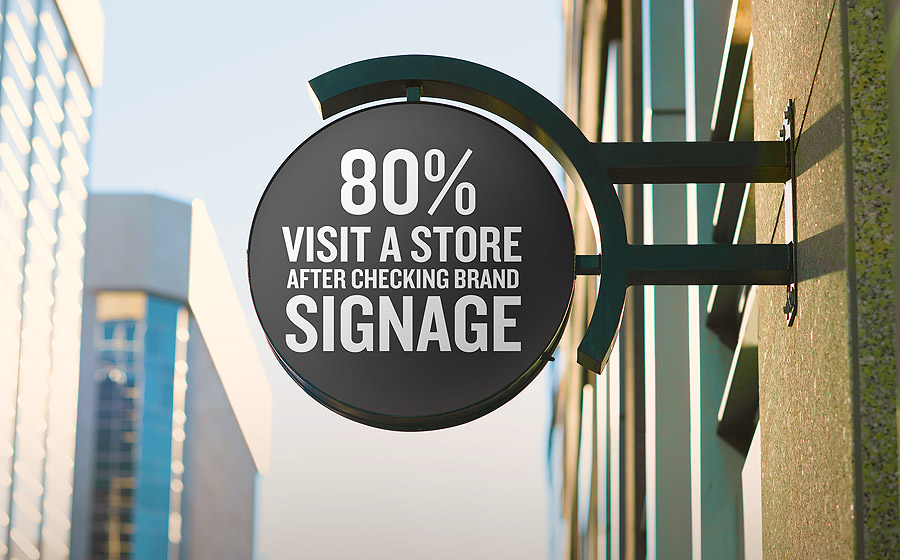
Physical signage remains one of the most effective tools for establishing a presence in a local market. In a growing metropolitan area like Columbus, commercial properties range from historic brick storefronts in German Village to modern retail centers in Polaris and industrial hubs near Rickenbacker. Each environment presents distinct architectural considerations and sightline challenges. Business owners who approach signage as a long term capital investment rather than a last minute accessory build stronger brand recognition and improve customer navigation. Successful signage strategies align visual identity with location dynamics, structural durability, regulatory compliance, and practical financial constraints.
1. Map Exterior Foot Traffic and Primary Sightlines
Exterior signs function as silent ambassadors for commercial spaces. Evaluating sightlines from multiple angles ensures that motorists and pedestrians notice the building long before reaching the entrance. Traffic speed, street setbacks, surrounding foliage, and neighboring buildings influence how quickly a viewer processes visual information. For instance, retail storefronts along High Street require clear typography that registers at low speeds, while suburban offices near Interstate 270 demand larger scale lettering positioned at higher elevations.
Every location presents unique spatial parameters that dictate sign placement. When selecting custom business signs in Columbus Ohio, property owners evaluate several structural factors to maximize exposure:
- Setback distances from property boundaries to major roadways
- Speed limits and typical traffic flow patterns during peak operating hours
- Elevation angles for vertical building facades and pylon structures
- Potential obstructions including trees, utility lines, and adjacent commercial architecture
Evaluating these physical variables during early planning prevents costly repositioning later. Working alongside a reputable sign company Columbus Ohio managers consult ensures that initial site evaluations account for seasonal sightline shifts, such as winter foliage loss or summer canopy expansion.
2. Select Materials Designed for Regional Climate Variance
Central Ohio experiences distinct seasonal temperature shifts, ranging from sub-freezing winter conditions to humid summer heatwaves. These environmental variations affect commercial materials through thermal expansion, moisture absorption, and ultraviolet degradation. Exterior signage must maintain structural integrity and color stability despite constant exposure to snow, rain, wind, and direct sunlight.
High quality fabrication utilizes materials selected specifically for exterior durability. Aluminum, heavy duty acrylic, high density urethane, and marine grade composite panels resist corrosion and warping over time. Durable paint finishes and protective ultraviolet coatings prevent fading, ensuring brand colors remain vibrant across multiple years of exposure.
Interior signage requires equal consideration regarding material durability, though environmental stressors differ. High traffic retail environments, medical offices, and corporate headquarters demand surfaces that endure frequent cleaning, accidental impacts, and continuous indoor lighting without showing wear.
3. Navigate Local Zoning Codes and Permit Standards
Municipal zoning codes regulate commercial signage dimensions, height limits, illumination levels, and placement parameters. The City of Columbus and surrounding municipalities enforce specific architectural guidelines to preserve streetscape aesthetics and maintain public safety. Historic districts like the Short North or Victorian Village maintain additional design restrictions that dictate material usage, color palettes, and structural profiles.
Understanding permit procedures early prevents project delays and costly compliance modifications. Securing necessary approvals involves several precise steps:
- Reviewing local municipal zoning resolutions and district specific sign guidelines
- Preparing technical scale drawings detailing dimensions, attachment engineering, and electrical connections
- Submitting complete permit applications to relevant municipal building departments
- Coordinating required structural and electrical inspections upon installation completion
Navigating municipal regulations requires thorough technical documentation. Partnering with an experienced sign company Columbus Ohio commercial district ordinances require guarantees that engineering calculations and site plans meet local building codes before fabrication begins.
4. Design Interior Wayfinding for Seamless Customer Flow
Once exterior signage guides customers to a facility, interior signage maintains brand consistency and directs foot traffic efficiently. Effective wayfinding systems reduce visitor frustration, improve safety compliance, and create an organized professional environment. Comprehensive interior sign packages address multiple functional needs across commercial facilities:
- Lobby identification signs that reinforce brand identity upon entry
- Directional wall signs and overhead suspended markers that guide visitors through corridors
- Room identification plaques that comply with Americans with Disabilities Act standards
- Regulatory and emergency egress signage required by municipal safety codes
Consistent typography, contrasting color schemes, and logical placement create intuitive pathways through multi story office buildings, health centers, and retail complexes. Clear interior organization encourages positive customer experiences and supports efficient daily operations.
5. Align Signage Packages with Operating Budgets
Commercial signage represents a lasting physical asset, making financial planning a critical phase of project management. Establishing a realistic budget requires balancing immediate fabrication costs against long term maintenance, energy usage, and structural longevity. Rather than selecting lower quality materials to reduce initial expense, commercial property managers evaluate total cost of ownership across the planned lifespan of the installation.
Budget allocation varies based on building footprint, business model, and exposure goals. Strategic planning allows companies to prioritize high impact exterior elements while phasing secondary interior signs as capital permits. Collaborating with a skilled sign company Columbus Ohio enterprises depend on helps managers select cost effective materials and energy efficient lighting options without sacrificing visual appeal or structural durability.
6. Integrate Illuminated and Digital Displays Safely
Illuminated signage extends brand visibility into evening hours, ensuring commercial properties remain noticeable regardless of time or daylight conditions. Modern illumination options incorporate low voltage light emitting diodes that reduce energy consumption while delivering consistent, bright illumination across message faces. Channel letters, halo lit dimensional graphics, and illuminated cabinet signs offer distinct aesthetic profiles suited for various architectural styles.
Digital electronic message centers provide additional versatility for organizations needing dynamic communication. Educational institutions, civic centers, and retail centers utilize digital displays to showcase real time announcements, promotional messages, and community schedules. Proper installation of electrical signage requires licensed wiring, certified power supplies, and secure mounting assemblies to guarantee safe long term operation under all weather conditions.
7. Coordinate Brand Consistency Across All Touchpoints
A unified visual identity strengthens market positioning and builds immediate consumer recognition. Commercial signs act as physical manifestations of digital and print marketing collateral, requiring exact color matching, precise logo rendering, and proper typographic proportions. Inconsistencies between online branding and physical site markers undermine professional credibility and confuse potential patrons.
Brand coordination extends beyond exterior building facades to include secondary physical assets. Architectural post and panel systems, window vinyl graphics, vehicle wraps, and interior wall displays should reflect identical design standards. Choosing a full service sign company Columbus Ohio leaders recommend ensures that multi site rollouts or single location renovations maintain exact graphical fidelity from initial design renders to final physical installation.
Planning for Long Term Value and Strategic Growth
Commercial signage serves as a permanent foundation for local brand awareness, customer engagement, and property value enhancement. By carefully evaluating physical sightlines, selecting resilient materials, navigating municipal permits, and maintaining clear visual consistency, business leaders in Central Ohio establish a commanding market presence. Methodical planning around visibility, compliance, and budget parameters turns architectural signage into a high return asset that supports commercial growth for years to come.
To read more content like this, explore The Brand Hopper
Subscribe to our newsletter
Go to the full page to view and submit the form.