


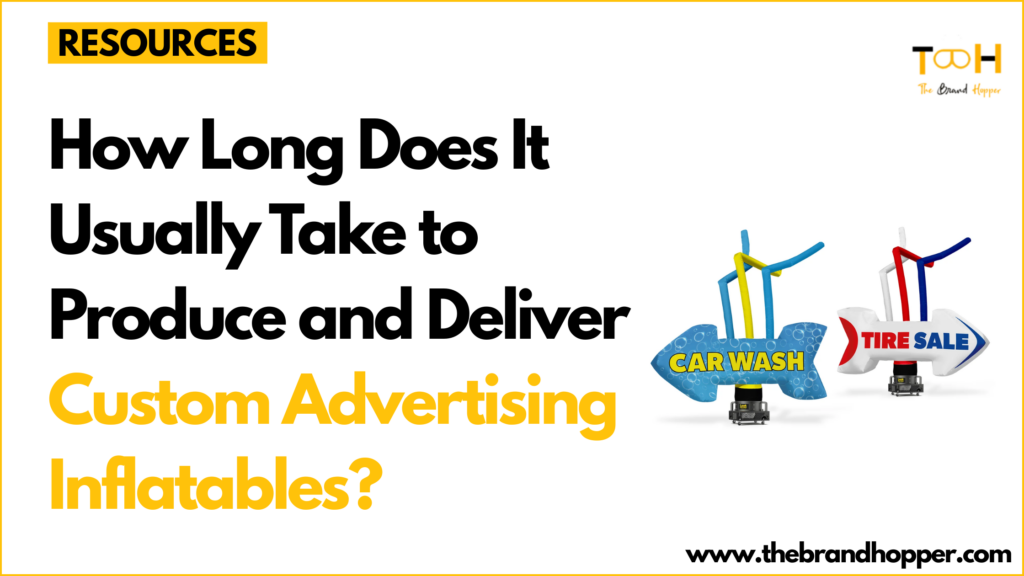
Most people think ordering a giant branded inflatable means waiting weeks. Reality’s different. Production timelines swing pretty widely depending on a bunch of factors, and knowing which ones matter can keep you from blowing a deadline.
This article walks through each stage of the production process, points out where delays actually happen, and gives you real expectations from order to your doorstep.
Production Timelines: What the Process Actually Looks Like
Before placing your order, it’s important to understand the production process involved. Reusable advertising inflatables don’t just appear overnight. They move through several distinct stages before reaching you, with the clock starting the moment your approved artwork hits the production floor. Plan your order around an actual event, not a guess.
1. The Design Approval Stage
Your design needs sign-off before cutting any material. Most manufacturers send a digital mockup within 24 to 48 hours of your order. Here’s the thing: revision rounds stretch this window. One quick approval keeps things moving; three rounds of back-and-forth tack on three to five extra days. Got finalized brand assets ready to go? You’ll sprint through this stage.
2. Physical Production: What Takes the Most Time
Once design approval comes through, fabrication kicks off. Standard advertising inflatables, arch shapes, tube characters, and branded blimps typically take 7 to 10 business days to produce. More complex work changes that math. Internal lighting, multiple air chambers, or sizes bigger than 20 feet can push you to 12 to 15 days. Floatie Kings turns around all orders within 10 to 15 days at no minimum order requirement, which beats the industry standard by a fair margin.
3. Quality Checks Before Shipping
Every inflatable gets blown up and inspected before shipping. It’s not a slow step, but it adds one to two days to your timeline. Manufacturers check seam integrity, motor function, and color accuracy against your approved design. Ask for photos at this stage; you’ll see your unit matches expectations before it leaves the warehouse.
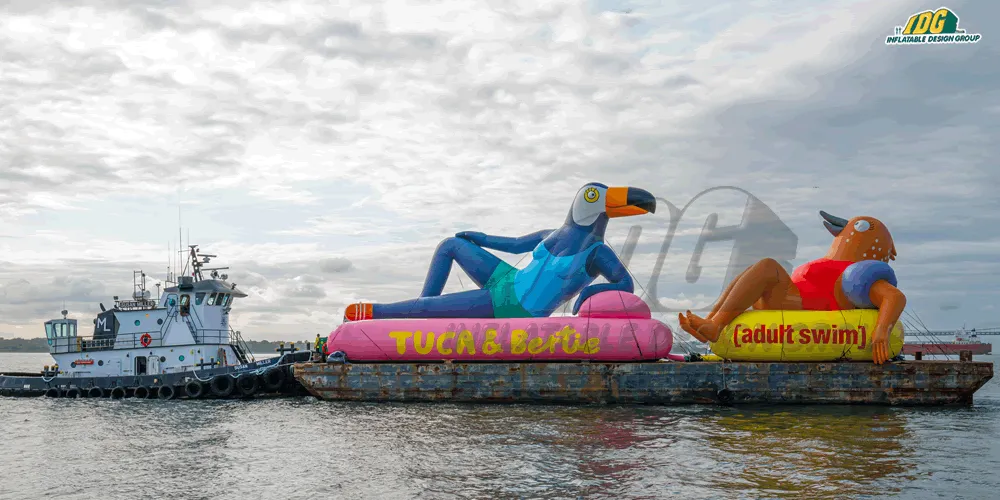

Shipping and Delivery: Timelines by Location
Production’s just half the story. Delivery adds its own timeline, and that number changes based on geography.
1. Domestic Shipping Within the US
Standard ground shipping from a US facility to most addresses takes three to seven business days. Want it faster? Expedited options cut that to one to two days, but cost more. Your event’s three weeks away, and you haven’t ordered yet? You’re probably fine with most domestic suppliers.
2. International Shipping Considerations
International orders get messier. Air freight from overseas facilities typically runs five to ten business days after shipment. Sea freight costs less but can take three to five weeks, a real problem for time-sensitive events. Your supplier makes in China and ships by sea? Build that into your deadline planning immediately.
3. Rush Orders: Are They Actually Possible?
Some manufacturers accept rush production; you’ll pay extra. Rush fabrication usually compresses the timeline to five to seven days, though not every design qualifies. Highly custom shapes and large-scale units rarely fit rush timelines. Less than two weeks from your event? Call the manufacturer directly instead of ordering online to check what’s actually doable.
What Slows Down Your Order (And How to Avoid It)
Most delays don’t originate on the factory floor. They trace back to choices made before production even begins.
1. Artwork Problems That Stall Production
Low-resolution files, wrong color profiles (RGB instead of CMYK), missing bleed zones- these wreck the design stage. Send print-ready vector files in AI or PDF format from the start; that eliminates the most common delay manufacturers see.
2. Late Approvals and Communication Gaps
Production can’t begin without your sign-off. If your internal approval process takes a week, you’ve just added a week to everything else. Pick one contact person on your team to handle inflatable approvals. Committee decisions take forever.
3. Ordering Too Close to the Event Date
The biggest mistake? Placing an order two weeks before a large outdoor activation and expecting delivery with days to spare. Build in buffer time. Here’s the best practice: order at least four weeks before your event. That covers design rounds, standard production, shipping time, plus a few extra days if something needs tweaking.
Conclusion
Custom advertising inflatables typically run 10 to 15 business days for production, then add three to seven days for domestic shipping. Total lead time from order to delivery lands somewhere around two to three weeks for straightforward designs. Complex builds or international delivery stretch that to four to six weeks. The formula is simple: order early, send clean artwork, approve fast. Those three things handle nearly every on-time delivery.
To read more content like this, explore The Brand Hopper
Subscribe to our newsletter
Go to the full page to view and submit the form.