


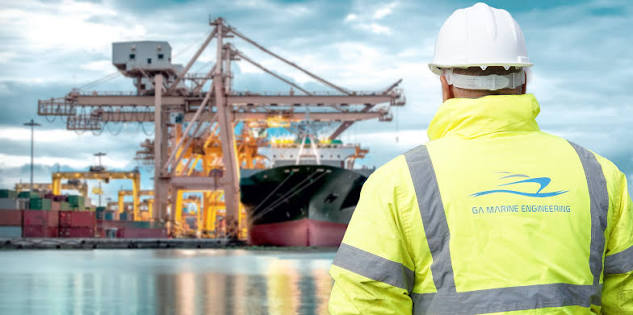
In marine engineering, a failure rarely stays small. A worn component can delay a voyage, raise fuel use, and create safety or compliance problems. A small lapse offshore can ripple through fuel bills, charter commitments, and crew planning. Because the stakes are high, customers judge suppliers by long-term reliability, not by price alone.
That reality shapes competition across the sector. Strong companies build their position through technical depth, steady innovation, dependable service, and support that lasts through the full life of the equipment. For that reason, reputation in this field grows over decades, not quarters. Digital tools and sustainability goals now sharpen that test, but trust still sits at the center.
Why Trust Takes Years To Earn
Ships operate in harsh conditions, and fleets move across regions with different rules, ports, and service needs. As a result, marine engineering firms earn advantage slowly. The companies that last learn to compete on certainty. They have to prove that their products, advice, and service routines keep working when customers need them most.
When Failure Costs More Than Money
In many industries, a product defect creates inconvenience. In marine operations, it can also stop cargo movement, disrupt schedules, and increase repair costs fast. Even one late repair can upset several linked operations. That is why buyers value suppliers that reduce uncertainty before problems grow.
Companies with long records in engine work often gain an edge. In that group, Chris-Marine shows how specialized maintenance equipment, field service, and technical development can support a lasting reputation. The larger lesson is that experience matters most when it solves practical problems at sea and in port.
Reliability becomes a brand asset because it spreads through results. Shipowners, yards, and engine builders remember which partners helped them avoid unplanned stops. Over time, that memory can be harder for rivals to challenge than any short-term price offer.
Why Expertise Scales Across Decades
Deep expertise does not come from product manuals alone. It grows from repeated work on engines, fuel systems, wear patterns, and operating conditions across many vessels. That kind of knowledge helps teams diagnose issues faster and choose the right fix sooner. Studies of maritime maintenance underline the value of condition monitoring in reducing failures. It also helps engineers explain complex issues in clear terms for crews and managers.
It also makes innovation more useful. Instead of chasing flashy features, strong firms improve the details that customers care about most. They spot early signs of wear before crews face larger failures, and they tailor tools and methods to different diesel and gas engine setups. They also turn service feedback into better maintenance plans and product upgrades.
This is where quality and learning start to reinforce each other. Better service creates better data, and better data improves the next service call. As a result, technical depth becomes a durable advantage, not just a technical claim.
Service Turns Products Into Partnerships
Marine companies rarely win for long with products alone. Customers also need spare parts, inspections, training, and advice that fit tight operating windows. When support works well, a supplier becomes part of the customer’s daily risk management.
Lifecycle support matters because it protects uptime and cost control at the same time. The strongest providers usually combine several capabilities. Preventive maintenance plans help crews fix issues before they interrupt a voyage, while technical advice helps managers time repairs around port calls and dry dock schedules. Condition monitoring uses operating data to flag changes before damage becomes severe.
Digitalization has made this model even stronger. Data analysis can reveal trends in performance, fuel use, and component health that were harder to see before. That gives marine firms new ways to improve efficiency and meet tighter environmental demands.
Global presence adds another layer of value. Customers trust companies that can respond across major shipping routes while still offering local service and clear accountability. Reputation grows faster when support feels consistent from one region to the next. In a market shaped by long asset lives, that mix helps turn transactions into enduring partnerships.
What Lasting Leaders Keep Doing
The marine engineering companies that stay ahead tend to do a few things consistently. They protect reliability, keep learning from field work, and invest in service as seriously as they invest in products. That balance matters more as fleets modernize. They also use digital tools and sustainability goals to sharpen decisions, not to distract from core performance.
That approach takes time, patience, and operational discipline. Yet it creates the kind of reputation that travels across fleets and survives market cycles. In the years ahead, the firms that combine expertise, innovation, and long-term customer value will keep the strongest competitive edge.
To read more content like this, explore The Brand Hopper
Subscribe to our newsletter
Go to the full page to view and submit the form.