


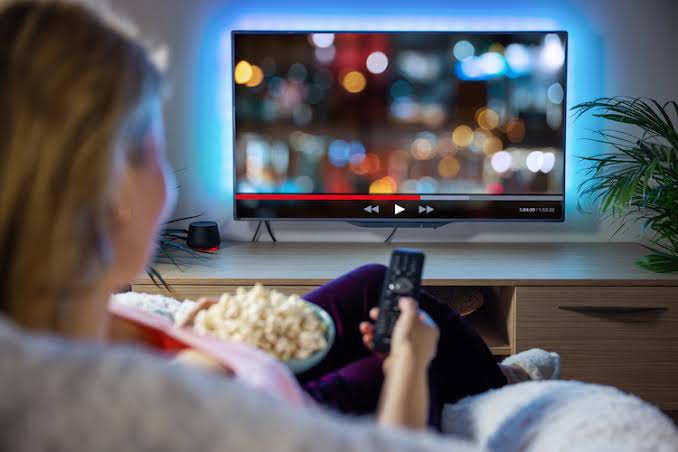
For most of the history of television advertising, the medium worked because audiences were concentrated. A primetime slot on a major network reached a predictable proportion of the population simultaneously, which gave brands a reliable mechanism for building awareness at scale. The creative could be polished, the placement could be planned well in advance, and the reach could be estimated with reasonable confidence before a single ad went to air.
That concentration has dispersed. Audiences have moved across a growing number of streaming platforms, and the attention that was once captive in front of a handful of broadcast channels is now distributed across Netflix, Amazon, Binge, Paramount, Tubi, and the streaming arms of every major broadcast network. The reach that a primetime slot once delivered now requires a more deliberate and more sophisticated approach to find and maintain.
What’s emerged from that fragmentation isn’t simply a harder version of the same problem. It’s a genuinely different advertising environment with different characteristics, different capabilities, and different requirements from the brands that want to use it effectively.
What Changed When Audiences Moved to Streaming
The shift from broadcast to streaming changed more than where audiences watch. It changed how they watch, the context in which they encounter advertising, and the data available to advertisers about who is actually seeing what.
Broadcast television advertising operated on a reach and frequency model built on panel-based audience measurement. Ratings estimates translated into approximate reach figures, which were used to construct schedules designed to achieve target frequency levels across a campaign period. The system worked well enough for decades but carried a fundamental limitation: the advertiser was buying an estimate of who might be watching rather than a verified record of who actually did.
Streaming environments are fundamentally different in this regard. Authenticated viewing, where the platform knows who is logged in and what they’re watching, produces audience data of a specificity that broadcast measurement never approached. This changes what targeting is possible, what measurement is meaningful, and what accountability advertisers can hold their media placements to.
The viewing context has also changed in ways that matter for how advertising lands. Streaming audiences are actively choosing what they watch rather than passively receiving what’s scheduled. That active engagement produces a different quality of attention than the ambient viewing that characterised much of broadcast television consumption, and that attentive context is part of what makes the streaming advertising environment valuable for brands trying to build genuine awareness rather than simply generate impressions.
Why Streaming Advertising Is Different From What Came Before
The characteristics of streaming TV advertising that distinguish it from both broadcast television and digital display advertising sit in three areas: the quality of audience data, the completion rates of advertising content, and the measurability of campaign outcomes.
Audience targeting on streaming platforms draws on authenticated user data, viewing behaviour, and in some cases household and location data that produces audience segments of a specificity that broadcast buying can’t approach. A brand targeting households with specific demographic or behavioural characteristics can reach those households across streaming environments with considerably more precision than a broadcast schedule optimised for broad demographic alignment allows.
Ad completion rates on connected TV are significantly higher than on digital video in browser environments, where skip options and ad blocking reduce the proportion of served impressions that actually reach a viewer through the full duration of the creative. Streaming advertising, particularly in subscription or ad-supported streaming environments where the viewer understands ads are part of the content experience, consistently produces completion rates that give brands confidence their creative is being received rather than skipped or blocked before the message lands.
Measurability is where streaming advertising has made the most significant departure from the broadcast model. The ability to connect ad exposure data to actual business outcomes, website visits, search behaviour, and in some cases purchase data, produces a measurement framework that gives brands genuine insight into the return their streaming investment is generating. This is a fundamentally different accountability relationship from the brand awareness metrics that broadcast campaigns have historically been evaluated against.
What Brand Building on Streaming Requires
The opportunity that streaming advertising represents is real, and the brands getting the most from it are those that have adapted their approach to match what the medium requires rather than simply transferring broadcast creative and buying logic to a streaming context.
Creative execution matters differently in a streaming environment. The viewer who is actively engaged with a streaming platform is in a different state of attention from the one who has the television on in the background during a broadcast programme. That active engagement is an asset for brands whose creative deserves it and a liability for brands whose creative isn’t strong enough to hold attention in a context where the viewer is genuinely watching. The production quality, the clarity of the brand message, and the relevance of the creative to the viewing context all carry more weight in streaming than in ambient broadcast viewing.
The measurement framework needs to account for brand building outcomes rather than only direct response metrics. Streaming advertising’s measurability makes it tempting to evaluate campaigns purely on lower-funnel performance indicators, but brand building operates across a longer time horizon than a single campaign period and requires measurement approaches that capture awareness, consideration, and association shifts rather than just clicks and conversions.
The channel mix around streaming matters as much as the streaming placement itself. Streaming TV reaches audiences in a lean-back, high-attention context that is most valuable when it’s supported by touchpoints in other environments. Audio advertising, digital media, and outdoor placements that reinforce the brand message across the moments when the streaming audience is not in front of their television extend the impact of the streaming investment beyond what the streaming placement alone can achieve.
Why This Has Become the Primary Environment for Brand Building
The movement of brand advertising budgets toward streaming television reflects where audiences are, but it also reflects where the medium’s capabilities have arrived. Streaming advertising in 2026 is not an experimental channel that brave brands are testing while they wait to see if it matures. It’s a primary brand building environment with established measurement frameworks, proven audience reach across the demographics that matter to most brands, and a growing body of evidence about what works and what doesn’t.
The brands that built streaming TV into their media mix early, before the channel became as competitive as it is now, have accumulated the understanding of how to use it effectively that latecomers are still developing. The characteristics that make streaming valuable for brand building, the attentive viewing context, the targeting precision, the measurement accountability, haven’t diminished as the channel has grown. The case for treating streaming television as a central rather than supplementary component of a brand’s media investment has strengthened as the evidence base has accumulated and the audience has consolidated in streaming environments rather than returning to broadcast.
To read more content like this, explore The Brand Hopper
Subscribe to our newsletter
Go to the full page to view and submit the form.