


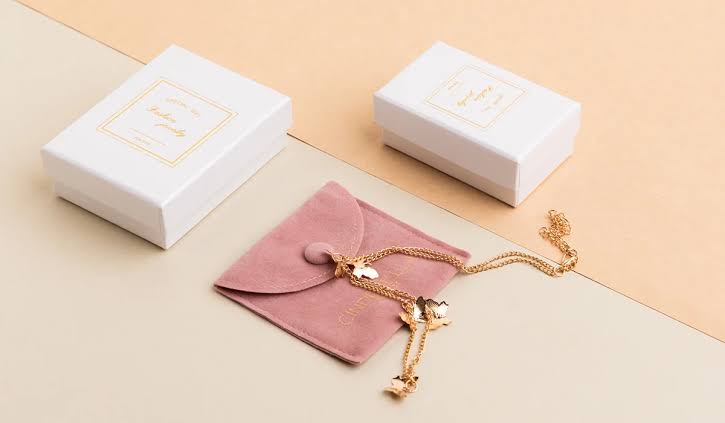
Jewelry may be small, but its packaging can make a big impression. When customers receive a necklace, bracelet, ring, or pair of earrings, the packaging is often the first physical interaction they have with your brand. A well-designed package can make the product feel more valuable, strengthen brand recognition, and turn an ordinary delivery into a memorable experience.
Designing Custom Packaging for Jewelry is not simply about adding a logo to a box or bag. Good jewelry packaging balances protection, appearance, functionality, and brand identity. Here are the key factors to consider when creating packaging that customers will appreciate.
1. Start With Your Jewelry
Before choosing colors, materials, or printing methods, consider the jewelry itself. Different pieces require different packaging solutions.
For example, rings need compartments or inserts that keep them securely in place, while necklaces may need features that prevent chains from tangling. Earrings can benefit from small holders that keep pairs together.
Think about:
- The size and shape of each jewelry piece
- Whether the item can scratch or break easily
- How much cushioning or support it needs
- Whether it needs protection from moisture, dust, or tarnishing
- How the customer will remove and store the jewelry
The packaging should make the product feel secure without being unnecessarily bulky.
2. Choose Materials That Match Your Brand
Material selection affects both the appearance and functionality of jewelry packaging. Rigid paperboard, kraft paper, cardboard, fabric, and other materials can create very different impressions.
A luxury jewelry brand may prefer a refined rigid box with a soft interior, while a handmade jewelry business might choose kraft packaging with a natural finish.
When selecting materials, consider durability, presentation, cost, and sustainability. If environmental responsibility is part of your brand promise, choose materials that support that claim and communicate sustainability accurately rather than simply labeling packaging as “eco-friendly.”
3. Make Your Branding Consistent
Your packaging should immediately feel like it belongs to your brand.
Use your established brand colors, logo, typography, and visual style across your packaging. However, avoid covering every surface with branding. A simple logo, carefully chosen colors, and thoughtful details can often look more premium than excessive printing.
You can also incorporate:
- A short brand message
- Social media information
- Care instructions
- A thank-you note
- A QR code leading to your website or product-care guide
These details can make packaging more useful while creating additional opportunities to connect with customers.
4. Design a Practical Jewelry Bag
A custom jewelry bag can be an effective addition to your packaging system, especially for lightweight pieces, gift packaging, or reusable storage.
When designing one, think about more than appearance. The material should feel appropriate for the jewelry and brand. The closure should be easy to use, and the size should accommodate the product without leaving excessive space.
A reusable bag can also give customers a practical reason to keep your packaging after the purchase. That continued use can help keep your brand visible beyond the original unboxing experience.
5. Pay Attention to the Unboxing Experience
Jewelry is often purchased for meaningful occasions such as birthdays, anniversaries, weddings, holidays, or personal milestones. Packaging can contribute to that emotional experience.
Consider how the customer will encounter each layer. Does the outer package open easily? Is the jewelry presented neatly? Is the product immediately visible? Are care instructions easy to find?
A simple sequence can work well:
Outer packaging → branded box or bag → protective insert → jewelry → care card or thank-you message
The goal isn’t to add as many layers as possible. Instead, every layer should serve a clear purpose.
6. Balance Beauty With Protection
Beautiful packaging is ineffective if the jewelry arrives damaged.
Test your packaging before placing it into regular use. Shake packaged products gently, test them during shipping conditions, and check whether jewelry shifts inside the package.
Look for potential problems such as:
- Loose inserts
- Chains becoming tangled
- Scratches caused by unsuitable materials
- Boxes opening unexpectedly
- Excessive movement inside the package
- Packaging that becomes damaged during delivery
A small amount of testing can reveal problems that aren’t obvious when examining an empty package.
7. Consider Sustainability Without Sacrificing Quality
Customers increasingly pay attention to packaging waste, but sustainable packaging still needs to protect the product.
Consider right-sizing your packaging so you’re not shipping large empty boxes. Choose recyclable or reusable materials where appropriate, minimize unnecessary components, and avoid decorative elements that make recycling difficult.
The best approach depends on your jewelry, shipping requirements, budget, and local recycling infrastructure.
8. Add Details That Make the Package Memorable
Small details can have a surprisingly large impact. A textured finish, elegant ribbon, embossed logo, thoughtful insert, or personalized thank-you card can make packaging feel more intentional.
However, the right details depend on your audience. A minimalist jewelry brand may benefit from understated packaging, while a colorful fashion-jewelry brand might use brighter graphics and playful messaging.
The important thing is consistency: the packaging should reflect the personality customers already associate with your brand.
Final Thoughts
Designing Custom Packaging for Jewelry is an opportunity to protect your products while communicating what your brand stands for. Start with the jewelry itself, choose suitable materials, create consistent branding, and think carefully about how customers will open, use, and potentially reuse the packaging.
Most importantly, don’t design packaging simply because it looks good in photographs. Design it to solve real problems for your customers while making the jewelry feel special. When protection, practicality, presentation, and branding work together, your packaging becomes part of the overall product experience—not just something that surrounds it.
To read more content like this, explore The Brand Hopper
Subscribe to our newsletter
Go to the full page to view and submit the form.