


Strong evidence can significantly strengthen an emergency vehicle claim by helping prove fault, demonstrate the extent of injuries, and establish how the accident affected the victim financially and personally. Evidence such as police reports, medical records, witness statements, photographs, and video footage often plays a major role in determining whether compensation may be recovered after a crash involving an ambulance, police car, or fire truck.
Emergency vehicles are given certain legal privileges when responding to urgent situations, including the ability to move through traffic quickly with lights and sirens activated. However, emergency drivers are still expected to operate their vehicles responsibly and avoid unnecessary harm to others on the road.
Accidents involving emergency vehicles can become legally complicated because government agencies, special liability rules, and multiple parties may be involved. Injured victims may still have the right to seek financial compensation if negligence contributed to the collision.

Police Reports Can Provide Critical Details
A police report is often one of the most important pieces of evidence in any accident claim. Officers responding to the scene typically document important facts about the crash.
A report may include:
- Driver information
- Witness names
- Road conditions
- Statements from involved parties
- Preliminary fault determinations
This information can help support a claim and establish how the accident occurred.
Photographs From the Accident Scene Matter
Photos taken immediately after the collision can help preserve valuable evidence before the scene changes.
Helpful photographs may include:
- Vehicle damage
- Traffic signals or signs
- Road conditions
- Tire marks
- Injuries
- Debris patterns
Visual evidence often helps insurance companies and investigators better understand the circumstances of the crash.
Witness Statements Can Support Your Version of Events
Independent witnesses can provide objective information about what they observed before and during the accident.
Witnesses may confirm:
- Whether sirens or lights were activated
- Vehicle speeds
- Driver behavior
- Traffic conditions
Strong witness testimony can become especially important when parties disagree about fault.
Medical Records Help Prove Injuries
Medical documentation is essential in any injury claim. Victims should seek medical attention as soon as possible after the accident, even if symptoms initially appear minor.
Medical records may show:
- Diagnosis details
- Treatment plans
- Injury severity
- Rehabilitation needs
- Long-term medical complications
Consistent treatment records help connect injuries directly to the accident.
Video Footage Can Be Extremely Valuable
Video evidence often provides one of the clearest views of how an accident occurred. Many intersections, businesses, and vehicles now use cameras that may capture collisions in real time.
Potential video sources include:
- Traffic cameras
- Dashcams
- Business surveillance systems
- Residential security cameras
Video footage can help clarify disputed facts and strengthen liability arguments.
Emergency Vehicle Logs and Dispatch Records
Emergency vehicle cases sometimes involve special evidence not found in ordinary accident claims. Dispatch logs and emergency response records may help determine whether the vehicle was responding to an actual emergency.
These records may reveal:
- Response times
- Route details
- Siren and light activation
- Communication records
This information may become important when evaluating whether emergency driving privileges legally applied.
Vehicle Damage Documentation
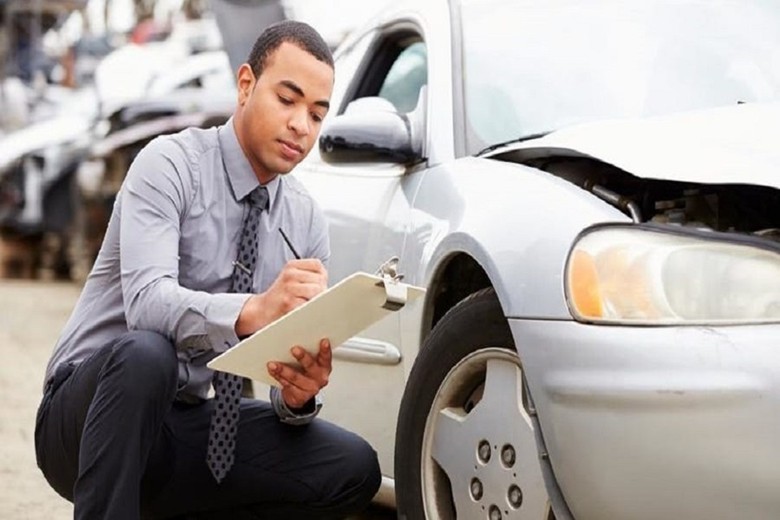
The location and severity of vehicle damage can help accident reconstruction experts understand how the crash occurred.
Damage analysis may help determine:
- Speed at impact
- Direction of travel
- Point of collision
- Force of impact
Repair estimates and photographs can also support compensation claims for property damage.
Cell Phone Records May Reveal Distracted Driving
In some situations, cell phone records may help show whether a driver was distracted at the time of the accident.
Evidence of distracted driving may involve:
- Text messaging
- Phone calls
- GPS use
- Mobile app activity
Distracted driving evidence can strengthen negligence claims against responsible parties.
Government Claims Often Have Special Rules
Claims involving emergency vehicles may involve government agencies, which can create unique legal procedures and deadlines.
For example, some states require formal notice before filing claims against public entities. Certain legal protections under sovereign immunity laws may also apply.
Under 42 U.S.C. § 1983, legal claims involving government misconduct or constitutional violations may arise in some situations involving law enforcement vehicles.
Understanding these legal requirements is important for protecting a claim.
Financial Records Can Help Prove Losses
Injury claims often include compensation for financial losses caused by the accident.
Helpful financial evidence may include:
- Medical bills
- Lost wage documentation
- Repair estimates
- Prescription costs
- Rehabilitation expenses
Keeping organized records can strengthen the overall value of a claim.
Key Takeaways
- Strong evidence is critical in emergency vehicle accident claims.
- Police reports, photographs, and witness statements can help establish fault.
- Medical records connect injuries directly to the accident.
- Video footage often provides clear evidence of how collisions occurred.
- Dispatch records may show whether emergency response privileges applied.
- Government vehicle claims may involve special legal rules and deadlines.
- Financial records help support compensation claims for losses and damages.
- Injured victims may still have the right to seek financial compensation after accidents involving emergency vehicles.
Emergency vehicle accident claims can become more complex than standard traffic cases because government agencies and special legal protections are often involved. Gathering strong evidence early can make a major difference in proving liability and improving the chances of recovering fair compensation after a serious accident.
To read more content like this, explore The Brand Hopper
Subscribe to our newsletter
Go to the full page to view and submit the form.