


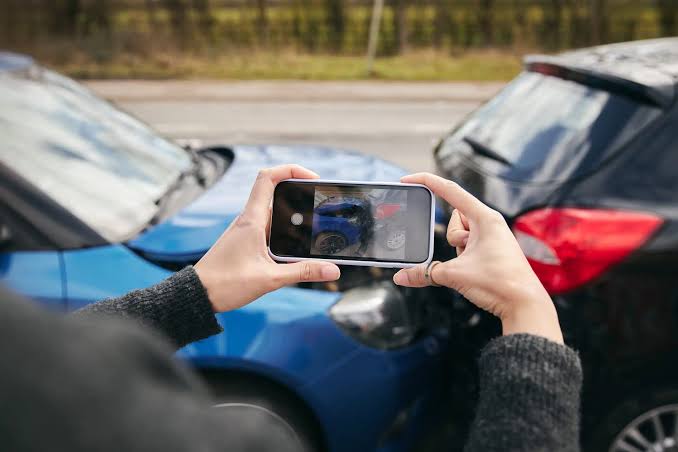
After a crash, people often think first about police reports, vehicle damage, and insurance information. Those records matter, but video evidence can show details that no one remembers clearly. A short clip may reveal speed, lane position, signal timing, driver distraction, or the moments leading up to impact.
The challenge is that video can disappear quickly. Businesses may overwrite footage, dashcams may record over old files, and nearby cameras may not be obvious from the road. After a Portland crash, injured people should think carefully about where video might exist and what steps may help preserve it before it is lost.
1. Storefronts and Nearby Businesses
Many crashes happen near businesses with exterior cameras. Grocery stores, gas stations, restaurants, banks, coffee shops, hotels, parking garages, and office buildings may have cameras facing sidewalks, entrances, parking lots, intersections, or driveways. Even if the camera did not capture the crash itself, it may show the vehicles seconds before or after impact.
Business footage can help answer important questions. It may show whether a driver ran a light, turned too wide, failed to yield, sped through a parking lot, or left the scene. It may also show weather, traffic flow, pedestrian movement, or whether other vehicles reacted before the crash.
The injured person should write down business names near the scene as soon as possible. Photos of storefronts and camera locations can help. Because recordings may be erased automatically, quick action may be important.
2. Dashcams From Other Vehicles
Dashcams are becoming more common in personal vehicles, rideshare cars, delivery vans, commercial trucks, and fleet vehicles. A driver nearby may have recorded the crash without realizing how important the footage could be.
Dashcam footage may provide a direct view of the collision, but it can also be useful even when the crash is partly outside the frame. It may capture sudden braking, horn sounds, traffic signals, vehicle movement, or a driver fleeing the scene. Audio may also reveal impact timing or statements made immediately afterward.
Witnesses should be asked whether they have a dashcam. If someone says yes, their contact information should be saved. A brief conversation at the scene can matter later if the footage supports how the crash happened.
3. Homes, Apartments, and Doorbell Cameras
Residential cameras may capture more than people expect. Doorbell cameras, driveway cameras, apartment entry cameras, and security systems may face streets, sidewalks, alleys, or parking areas. In neighborhoods, this footage can be helpful when a crash occurs near an intersection, driveway, bike lane, or parked vehicle.
A homeowner’s camera may show a vehicle speeding before impact, a car drifting across a lane, a pedestrian entering a crosswalk, or a hit-and-run driver passing by after the crash. It may also show traffic conditions in the minutes before the collision.
If the crash happened near homes or apartments, it may help to note addresses with visible cameras. A polite request may preserve footage, but victims should avoid confrontation. Sears Injury Law may review camera sources, witness information, and other evidence when helping injured people understand what may support the claim.
4. Traffic, Transit, and Public-Area Cameras
Some cameras are connected to traffic management, transit systems, buses, trains, public buildings, parking facilities, or nearby public spaces. These sources may not always be easy for an injured person to access, but they can be important in certain crashes.
Public-area footage may show signal cycles, intersection movement, bus-lane activity, crosswalk use, or traffic congestion before impact. A bus camera may record a vehicle cutting across traffic. A parking facility camera may show how a collision occurred at an entrance or exit.
Not every camera records, and not every recording is saved for long. Still, these sources should not be overlooked. Identifying the location, date, time, direction of travel, and nearby public facilities can help determine whether footage may exist.
5. Cameras Inside Commercial Vehicles and Delivery Fleets
Commercial vehicles often have more recording technology than ordinary cars. Delivery trucks, company vans, buses, taxis, rideshare vehicles, and freight vehicles may use inward-facing or outward-facing cameras, GPS systems, or event-triggered video.
This footage can matter if a commercial driver was involved or nearby. It may show whether the driver was distracted, following too closely, speeding, braking late, or making an unsafe turn. It may also show the conduct of another driver who caused the collision.
Commercial footage may be controlled by a company, not the driver. That means early preservation can matter. If the company is not notified, the recording may be overwritten under normal retention practices.
Why Video Can Change a Disputed Claim
Video evidence can help when drivers tell different stories. One driver may claim the light was green. Another may say the other vehicle changed lanes suddenly. A witness may remember only part of the event. Video can sometimes confirm, challenge, or clarify those accounts.
Footage may also show details that are hard to capture in still photos, such as speed, timing, visibility, and driver behavior. A few seconds of video may explain why the crash happened better than pages of written statements.
What to Do When You Spot a Camera
If a camera is visible near the crash scene, the injured person should note its location, direction, and owner if possible. Photos can help later. The time of the crash should be recorded as accurately as possible because footage may be searched by date and time.
Victims should not assume police or insurance companies will automatically collect every recording. They should save camera details, witness names, and business locations. This information can help someone request preservation before footage disappears.
When Evidence Is Hidden in Plain Sight
Video evidence after a Portland crash may exist in places people pass every day without noticing. Storefronts, dashcams, homes, public-area cameras, and commercial vehicles may all record useful details. The footage may show the impact, the moments before it, or unsafe driver behavior.
Because recordings can disappear quickly, injured people should act early. Identifying cameras, saving contact information, documenting the scene, and seeking medical care can help protect both health and the claim. When fault is disputed, the video that seemed easy to miss may become one of the clearest pieces of evidence available.
To read more content like this, explore The Brand Hopper
Subscribe to our newsletter
Go to the full page to view and submit the form.