


Canadian festivals are full of brands competing for attention, but a colourful booth alone won’t make visitors stop. People are more likely to remember an experience where they can try something, discover a product, or participate in an activity.
The secret is designing promotional spaces that offer something beyond advertising. From interactive product stations to flexible festival setups, these ideas can help businesses attract relevant visitors, encourage engagement, and make better use of their event space.
1. Create a Walk-Through Brand Experience
Instead of placing everything behind a counter, design a space that guides visitors through a short brand experience.
For example, an outdoor gear company could create three zones: backpack testing, equipment comparisons, and product recommendations.
A branded Inflatable tent can serve as the main attraction. Available in sizes from 10×10 to 20×20 feet, these structures provide different options for festival activations.
Practical tip: Place your most interesting product near the entrance, then arrange demonstrations farther inside. Keep the layout accessible and prevent queues from blocking festival pathways.
2. Turn Product Sampling Into a Personalised Experience
Free samples attract attention, but personalised recommendations create better conversations.
Imagine a beverage company offering a flavour-matching experience. Visitors answer two preference questions before receiving a drink that matches their taste.
A skincare brand could use a similar approach by helping visitors identify suitable products through a short consultation.
Make it work: Separate the selection station from the sampling counter. This reduces congestion and gives staff more opportunities to discuss product benefits.
Check festival requirements before offering food, beverages, or cosmetic samples.
3. Make Your Promotional Space Change Throughout the Day
Why offer the same activity from morning to evening?
Create a flexible setup that responds to changing festival crowds.
For example, a fitness brand could offer product consultations in the morning, short equipment demonstrations during peak hours, and interactive challenges later in the day.
Use movable counters and interchangeable graphics to change activities without rebuilding the booth.
For sheltered or indoor festival areas, tension fabric displays can support this approach with portable frames and replaceable printed graphics.
Practical tip: Schedule demonstrations around expected attendance patterns. Keep the main brand identity unchanged so visitors can recognise the space throughout the festival.
4. Create a Photo Experience That Includes Your Product
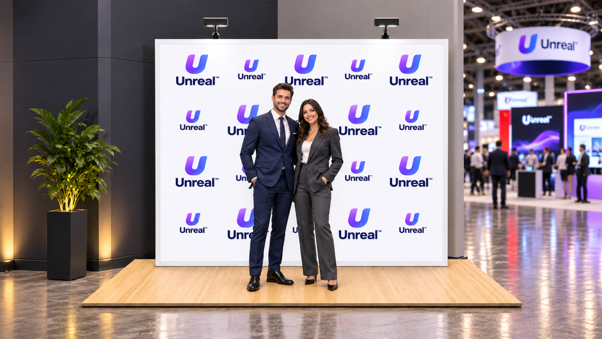
A branded photo backdrop might generate social media posts, but it won’t necessarily communicate what your company sells.
Instead, build the product into the experience.
A cycling brand could create a race-finish photo station featuring its latest bicycle. A travel company could recreate a destination setting with luggage and travel accessories.
Visitors leave with photographs that naturally feature the products.
Practical tip: Test the camera angle before the festival. Make sure the product, branding, and visitor are visible together without unnecessary visual clutter.
5. Introduce a Festival Discovery Passport
Turn a single booth visit into a series of short activities.
For example, a sustainability brand could create three stations:
- Discover: Compare everyday materials and their environmental impact.
- Experience: Test a reusable product.
- Complete: Choose a sustainable habit and receive a relevant sample.
Visitors collect a stamp after each activity, creating a reason to explore the entire promotional space.
Keep the activities short, optional, and easy to complete. A physical passport also works without internet access.
6. Offer Mini-Workshops Instead of Sales Presentations
Festival visitors don’t always want another sales pitch. A useful demonstration can give them a stronger reason to participate.
A bicycle accessories brand could offer five-minute safety checks. An outdoor cooking company could demonstrate practical cooking techniques using its equipment, subject to the event’s cooking rules.
The product becomes part of a helpful learning experience.
Practical tip: Advertise the next session using a simple schedule. Keep workshops short enough that new visitors can join throughout the day.
7. Partner With a Complementary Brand
Two businesses can create a more interesting activation together than they might individually.
For instance, a sportswear brand could collaborate with a fitness equipment company to create a movement-testing station.
Visitors could try equipment, compare clothing features, and receive personalised recommendations.
The experience serves both brands while creating more reasons for visitors to participate.
Before collaborating: Agree on space allocation, costs, staffing, branding, and lead ownership. Confirm that the festival permits shared promotional spaces.
8. Design for Canadian Festival Conditions
An attractive promotional area must remain functional when the weather or ground conditions change.
Plan protected equipment storage, safe electrical connections, accessible walking surfaces, and activities that can be paused during unsafe weather.
An inflatable structure may offer a distinctive outdoor presence, but proper anchoring and compliance with local event requirements remain essential.
For example, Calgary requires temporary tents to be appropriately weighted, braced, or anchored. Permit requirements depend on the structure and event conditions.
Also check the accessibility of entrances, demonstration counters, and pathways before installation.
Final Thoughts
The best festival promotional spaces give visitors something meaningful to experience, not just something attractive to photograph.
Whether it’s a product discovery station, interactive workshop, or collaborative activation, every element should support a clear purpose.
Start with the experience you want visitors to remember, then choose the layout, displays, and activities that help deliver it. A creative idea backed by practical planning can turn a temporary festival space into a valuable brand connection.
FAQs
How early should businesses book promotional space at Canadian festivals?
Start contacting organisers three to six months before the event. Large festivals may require earlier applications, especially for premium locations or sponsorship packages.
What additional costs should businesses consider?
Budget for electricity, insurance, transportation, installation, permits, security, waste disposal, and staffing. Review the exhibitor agreement for mandatory services and additional charges.
Can businesses sell products directly at Canadian festivals?
Many festivals allow direct sales, but businesses must follow organiser rules and applicable tax, licensing, and product regulations. Confirm requirements before bringing inventory or accepting payments.
To read more content like this, explore The Brand Hopper
Subscribe to our newsletter
Go to the full page to view and submit the form.