


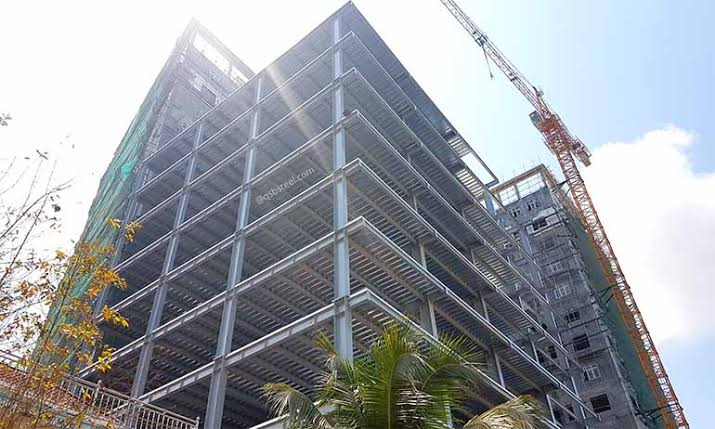
Selecting the right building dimensions creates a practical foundation for long-term performance and everyday usability. Width, length, and height influence how the structure functions, how equipment moves inside, and how future activities fit the available space. Careful planning helps create a layout that supports current needs without creating unnecessary unused areas.
Project goals should guide every size decision when planning engineered steel buildings. A storage building requires different dimensions than a workshop, warehouse, agricultural facility, or commercial space. Matching the building footprint to its intended use improves efficiency and helps create a practical layout from the beginning.
Define Building Requirements Before Choosing Dimensions
Every project begins with a clear understanding of how the space will be used each day. Vehicle storage, equipment placement, work areas, inventory space, and access routes all influence the required dimensions. Listing these requirements first creates a realistic starting point for selecting building size.
Estimate Interior Space Requirements
Measure the largest equipment, vehicles, or materials expected inside the building. Leave sufficient room for movement, loading, maintenance, and regular operations instead of planning only around storage capacity. Comfortable interior spacing improves accessibility and keeps daily tasks organized.
Select Width, Length, And Height That Match Daily Use
Building dimensions should support workflow without creating restricted areas or excessive open space. Every measurement should contribute to practical operation instead of simply increasing the overall footprint. Balanced proportions create a building that remains functional for years.
Choose An Appropriate Building Width
Building width determines aisle space, equipment placement, and interior flexibility. Wider layouts may accommodate multiple work zones or storage rows without creating congestion. The selected width should reflect operational needs instead of estimated future possibilities.
Plan The Right Building Length
Length affects storage capacity, traffic flow, and future organization. Longer buildings can provide dedicated sections for equipment, inventory, or maintenance activities while maintaining clear movement paths. Logical spacing supports efficient daily operation throughout the structure.
Allow Adequate Interior Height
Wall height and roof clearance should match the tallest equipment or intended activities inside the building. Proper vertical clearance supports overhead doors, storage systems, lifting equipment, and ventilation needs. Sufficient height also creates greater flexibility if operational requirements change later.
Account For Site Conditions Before Finalizing Dimensions
Available property space plays an important role when selecting building size. Property boundaries, access roads, grading, drainage, and local building requirements should all be considered before confirming final dimensions. A well-planned site layout supports easier construction and efficient building access.
Key site considerations include:
- Maintain adequate space around the structure for vehicle access.
- Allow room for future building additions if expansion is anticipated.
- Position entrances to support smooth traffic movement.
- Consider grading and drainage when determining the building footprint.
Include Future Growth In Dimension Planning
Buildings frequently serve changing operational needs over time. Choosing dimensions that allow additional storage, new equipment, or modified interior layouts helps extend the building’s usefulness without major structural changes. Forward planning supports greater flexibility throughout the building’s service life.
Well-planned engineered steel buildings benefit from dimensions that balance present requirements with practical long-term use. Accurate width, length, and height selections improve workflow, interior organization, and site compatibility while supporting dependable daily performance. Careful dimension planning creates a structure that remains efficient, adaptable, and suitable for its intended purpose for years ahead.
Choose A Steel Building Company That Delivers Engineered Building Solutions
A qualified steel building company provides engineered building solutions that match the intended use, site requirements, and preferred dimensions of each project. Accurate engineering helps ensure structural integrity, proper component fit, and dependable long-term performance. Experienced guidance also supports practical design decisions before manufacturing begins.
Choosing the right building dimensions creates a strong foundation for a functional and efficient structure. Careful planning, accurate engineering, and purpose-driven design help support current operations while allowing flexibility for future needs. A well-sized steel building delivers lasting value through dependable performance and practical everyday use.
To read more content like this, explore The Brand Hopper
Subscribe to our newsletter
Go to the full page to view and submit the form.