


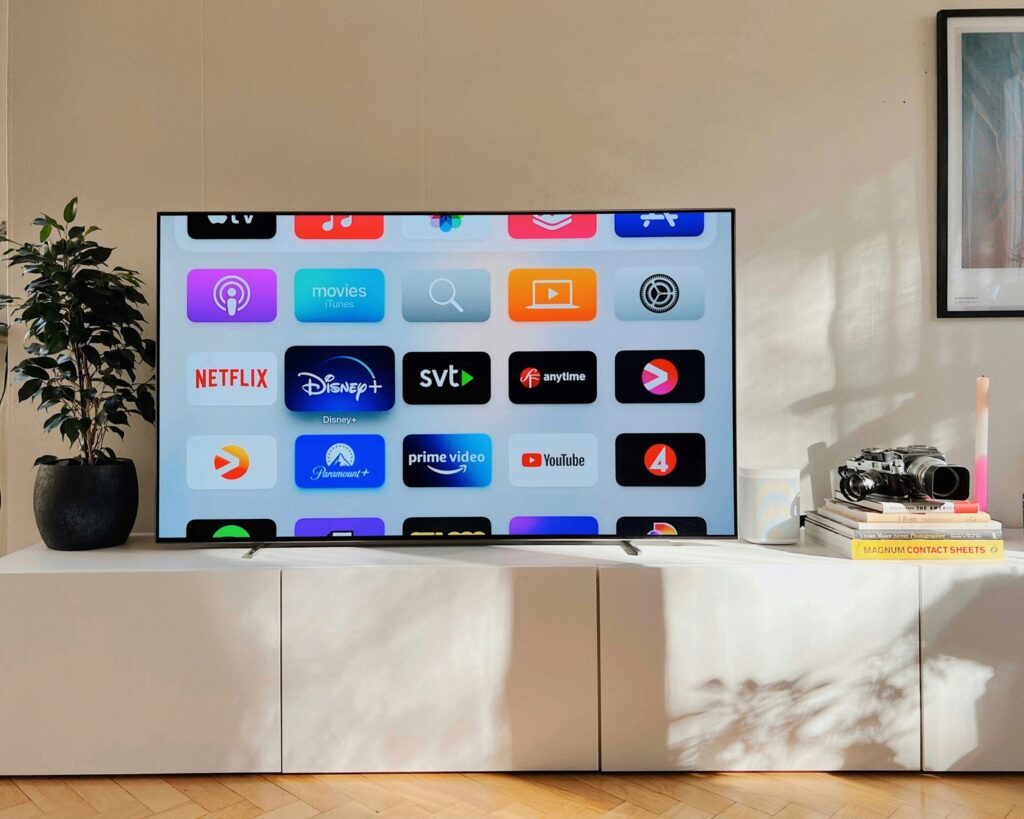
A great deal can make a streaming subscription or fantasy sports contest hard to resist. But there’s some clever business thinking behind those tempting offers, and the really interesting part is discovering what makes one worth taking in the first place.
There’s a lot to love about entertainment right now. You can lose an entire evening watching YouTube videos, get hooked on a Netflix series or spend Sunday following your fantasy sports picks. And the companies behind all that entertainment would love you to spend a little more time with them. They’re competing for your attention, and some of the deals they’ve come up with are worth examining.
The interesting question is what you’re actually getting. A cheap subscription or a generous welcome offer can sound terrific, although the details tell you whether it’s worth your money.
Entertainment Companies Are Competing for Attention
YouTube has a rather enviable position in the entertainment business. Millions of people visit without spending a cent, watch whatever catches their interest and return the following day. The advertising pays the bills, and the audience keeps growing.
The numbers are impressive. Nielsen recorded streaming at 49.6% of American television viewing in August 2026, with YouTube alone accounting for 15.8%. YouTube viewing increased 6% from July, including a 9% increase among viewers aged 50 and older.
That’s an enormous audience watching everything from gaming videos to cooking demonstrations, often on the same television they once used exclusively for broadcast programmes.
Google bought YouTube for $1.65 billion in 2006, and its place within Alphabet’s business has helped turn free video into a remarkably successful advertising operation.
The appeal is obvious. You can watch without worrying about another monthly bill, and YouTube earns money from the advertisements accompanying that viewing.
Paid entertainment companies have to make a different argument. They need to convince you that opening your wallet is worthwhile.
Subscription Pricing Gives Customers Different Choices
Netflix has an interesting problem. It wants as many subscribers as possible, although some people would rather put up with advertisements than pay full price.
Its answer is a choice of plans. The American Standard subscription with advertising costs $8.99 a month, while the advertising-free version costs $19.99. Both provide 1080p streaming and allow two people to watch simultaneously.
That’s $132 a year between the two plans. You could put that money towards another streaming subscription, or decide that watching your favourite series without commercial interruptions is worth the extra expense.
Disney+ has been having its own fun with subscription pricing. Its $12.99 monthly bundle combines Disney+ and Hulu with advertisements, giving customers access to both libraries under one payment.
The Netflix and Disney+ competition gets particularly interesting when you consider their programmes. Netflix might have the series everyone at work is talking about, while Disney+ has the Marvel and Star Wars franchises.
There’s no universal winner because people don’t all watch the same things. A household with young children might get tremendous use from Disney+, while someone who enjoys crime dramas could spend most evenings on Netflix.
And then there’s the subscription you forgot you had. At $8.99 a month, a service you haven’t watched since April has cost you another $53.94 by October.
That makes the real value of a subscription rather simple to judge: are you getting enough enjoyment to justify keeping it?
Welcome Offers Add Another Way to Compete
Fantasy sports brings another approach to the entertainment business. Instead of paying every month to watch something, you’re entering contests based on what happens during actual sporting events.
There’s plenty of appeal in that, particularly when you’re already following a match and have a strong opinion about how a particular player will perform. The contest gives you another reason to pay attention to the action.
Underdog Fantasy’s welcome offer gives new customers bonus entries after a qualifying $5 contest entry. Covers.com details the terms behind it , including when the bonus entries become available, how they can be used and when they expire. These details give the $50 offer its full context.
The bonus entries provide additional opportunities to participate in fantasy contests. They’re used within the games rather than withdrawn as cash, which makes understanding their conditions useful.
It’s an appealing way to introduce a sports enthusiast to fantasy contests, especially when the additional entries allow more participation beyond the first qualifying contest.
Clear Conditions Protect the Value of an Offer
There’s nothing quite as annoying as signing up for a bargain and discovering you’ve agreed to something you didn’t expect. Automatic renewals are a particular nuisance when the introductory price expires and the next bill comes as a nasty surprise.
Shutterstock learned an expensive lesson about this. In May 2026, the Federal Trade Commission announced a proposed $35 million settlement after alleging that the company hadn’t properly disclosed renewal conditions and cancellation fees. The FTC also accused Shutterstock of making subscriptions unnecessarily difficult to cancel.
The proposed settlement included customer refunds and changes to Shutterstock’s subscription practices.
Streaming subscriptions and fantasy sports promotions have different rules, but customers still need to know what they’re signing up for. Nobody wants to discover an unexpected charge or find that their bonus entries have expired before they’ve had a chance to use them.
The Product Must Deliver Beyond the Promotion
There’s a limit to what a good deal can accomplish. You might subscribe to a streaming service because the price is attractive, but you’ll probably cancel when you’ve watched everything that interests you.
The same goes for fantasy sports. A welcome promotion can make trying the contests more attractive, although the games themselves have to be enjoyable enough to keep your interest.
YouTube understands this particularly well. Its enormous collection of videos gives people plenty of reasons to return, and there’s always something else to watch when one video finishes.
Netflix and Disney+ have to work harder to keep their paying customers entertained, especially when cancelling a subscription takes only a few minutes.
That’s the real test of an entertainment promotion. A good offer gets your attention and makes the first experience attractive. After that, the company has to earn your continued business.
And when the entertainment is good enough, you won’t need another promotion to persuade you to come back.
To read more content like this, explore The Brand Hopper
Subscribe to our newsletter
Go to the full page to view and submit the form.