


Growth is a goal for most small business owners. Whether it’s increasing revenue, expanding your customer base, or opening new locations, growth often signals success. But not all growth is created equal. Rapid expansion can be exciting, but if it’s not well-managed, it can lead to cash flow issues, burnout, or even business failure.
Sustainable growth, on the other hand, focuses on scaling at a pace your business can support financially and operationally. It involves building a strong foundation, planning for the future, and making deliberate investments, sometimes with the help of financial tools like term loans, to grow in a controlled and strategic way.
In this article, we’ll break down the key differences between fast growth and sustainable growth, the risks and rewards of each, and how to grow your business in a way that supports long-term success.
What Does “Growing Fast” Look Like?
Fast growth often means your business is scaling quickly—adding new customers, expanding your offerings, or entering new markets in a short time frame. This can happen through:
- Sudden spikes in demand
- Viral marketing success
- Winning a large new client or contract
- Access to a large pool of funding
Fast growth can be exciting, but it also brings pressure. You may need to hire staff quickly, increase production, invest in infrastructure, or spend more on customer service and support. If your operations, systems, and finances aren’t ready for the demand, growth can expose weaknesses rather than celebrate wins.
What Does “Growing Sustainably” Mean?
Sustainable growth focuses on expanding your business at a manageable pace. It means making strategic decisions that balance short-term gains with long-term stability. Sustainable growth typically involves:
- Gradually increasing capacity to meet demand
- Maintaining a healthy cash flow
- Investing in processes and systems that scale
- Growing revenue without sacrificing profitability
This approach prioritizes smart use of capital, building customer loyalty, and preparing for market changes. It may not grab headlines like fast growth, but it’s often more durable and less risky.

The Financial Challenges of Fast Growth
One of the biggest risks with fast growth is that it can outpace your cash flow. Even if sales are booming, you may not get paid fast enough to cover the costs of scaling. For example:
- If you need to fulfill a large order, you may need to buy inventory or hire labor upfront before receiving payment.
- If your customer base grows rapidly, your support team may be overwhelmed, leading to lost business or bad reviews.
- If you’re investing heavily in marketing or operations without a clear return, profits can shrink even as revenue increases.
This is where financing tools come into play. Many businesses use term loans to fund growth initiatives like purchasing equipment, upgrading systems, or opening a second location. But borrowing without a plan for how to repay can increase financial strain instead of relieving it.
Operational Risks of Scaling Too Quickly
Fast growth can also strain your internal operations:
- Hiring too quickly can result in poor employee fit or high turnover.
- Customer service may suffer if your team can’t keep up with new demand.
- Quality control may break down if production or service delivery is rushed.
- Technology systems may not scale efficiently, leading to downtime or inefficiencies.
Without the right infrastructure in place, fast growth can lead to mistakes that hurt your reputation and customer relationships.
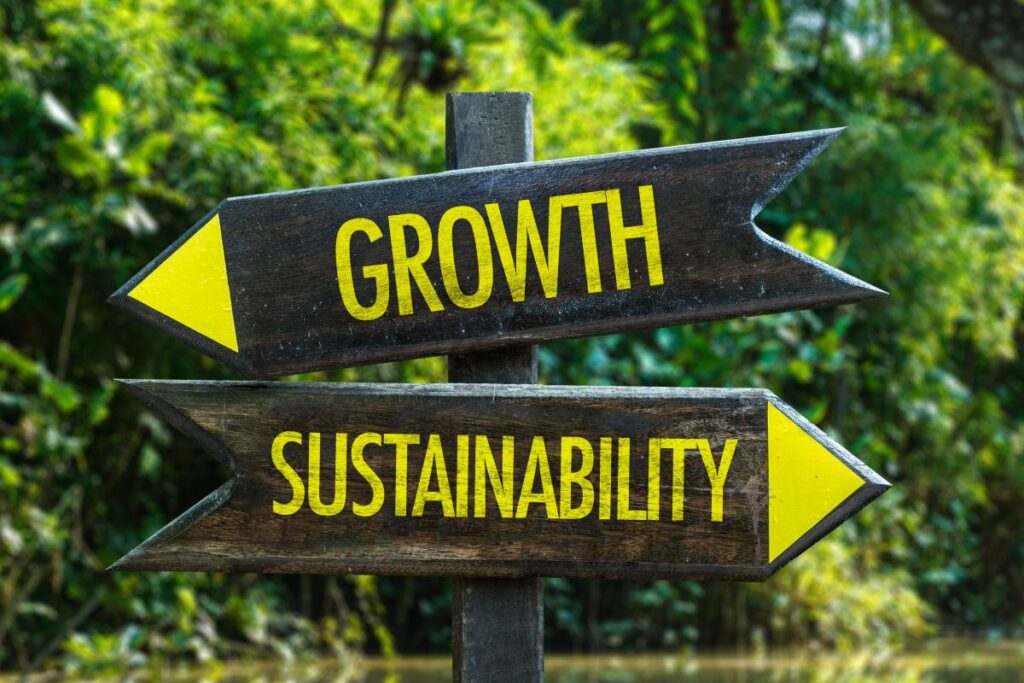
Why Sustainable Growth Is Often More Effective
Sustainable growth puts long-term health over short-term gains. It allows you to:
- Retain more profit by controlling costs and avoiding unnecessary debt
- Strengthen operations before expanding further
- Build brand loyalty by providing consistent quality and service
- Adapt to change by avoiding overextension
This doesn’t mean slow growth. It means intentional growth. For example, instead of opening three new locations in a year, a sustainably growing business might open one, refine its operations, and then expand again once it’s financially and operationally stable.
How to Grow Sustainably: Practical Tips
If your business is growing—or you want to encourage growth—here are some strategies to do it sustainably:
1. Create a Growth Plan
Map out how you want to grow. This includes your goals, timeline, resources needed, and potential risks. Your plan should also outline how you’ll finance growth—whether through savings, reinvested profits, or external funding.
2. Use Data to Guide Decisions
Track your key performance indicators (KPIs) to understand what’s working. Look at customer acquisition costs, average order value, profit margins, and employee productivity to make informed decisions about where to invest.
3. Invest in Scalable Systems
As your business grows, your systems should scale with you. This includes software for accounting, inventory, customer management, and communication. Investing early in tools that grow with you saves time and money later.
4. Prioritize Cash Flow
Even profitable businesses can struggle if they don’t have cash on hand. Monitor your accounts receivable, keep expenses under control, and consider a small business line of credit for short-term needs so you don’t drain reserves during periods of growth.
5. Consider Strategic Financing
Sustainable growth often involves investing ahead of returns. This is where financing can help. Term loans are a popular option for making large investments—such as equipment or renovations—because they offer predictable payments over time. Use financing wisely and only when the return on investment justifies the cost.
6. Hire Deliberately
Instead of hiring reactively when things get busy, plan ahead for staffing needs. Hire with growth in mind, and focus on training and retaining high-quality employees who can support your goals over time.
When Fast Growth Can Work
While sustainable growth is generally safer, fast growth can work—if you’re prepared. Businesses with access to capital, strong systems, and clear processes may be able to scale quickly without breaking down.
In fact, some industries demand fast growth to stay competitive. Tech startups, for example, often need to scale rapidly to attract investment or dominate market share.
The key is knowing whether your business has the resources and structure to support that speed—and whether the opportunity is worth the risk.
Final Thoughts
Growing fast can feel like a sign of success, but if it comes at the expense of stability, customer satisfaction, or profitability, it may not be sustainable. Small businesses that grow deliberately are more likely to succeed over the long term.
Whether you’re expanding your team, launching new products, or entering new markets, take the time to evaluate whether your growth is setting you up for lasting success. Tools like term loans can support that growth, but only if they’re part of a broader plan rooted in financial discipline and operational readiness.
Sustainable growth may not be as flashy as fast growth, but it builds businesses that last, and that’s the kind of success that matters.
To read more content like this, explore The Brand Hopper
Subscribe to our newsletter
Go to the full page to view and submit the form.