


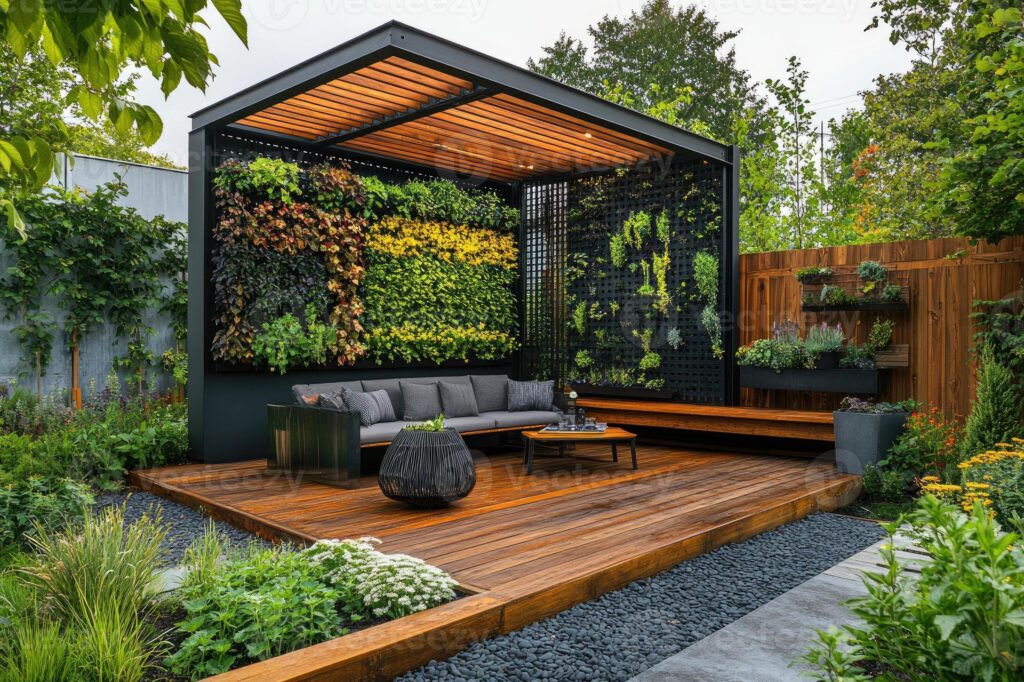
Picture two patios on the same street. Same size, same pavers, same sturdy table. One hosts a party twice a summer and spends the rest of the year looking tidy. The other has a coffee mug sitting on the table by seven every morning.
Nothing about the furniture explains the difference. Neither owner is more outdoorsy, and neither spent more money. Yet one patio feels like a destination reserved for special occasions, while the other works like another room of the house, rarely empty and pleasantly messy.
People gravitate toward certain spaces for reasons they rarely say out loud. Comfort, light, and a sense of ease do the quiet work. Homeowners designing more inviting outdoor environments, sometimes with the help of a professional company such as Marygrove, tend to start by asking what makes staying feel effortless.
People Follow Comfort Without Thinking About It
Nobody walks onto a patio and runs through a checklist. Still, the body keeps score. Temperature, sunlight, seating, noise, and the feeling of being watched all nudge a person toward staying or leaving, usually before a single conscious thought shows up.
That explains why guests always crowd one corner of a party. The shaded chairs fill first, the exposed bench stays empty, and nobody announces why. People simply drift toward whatever feels easiest, like water finding the downhill route across a driveway.
Privacy plays a sneaky role as well. A spot that feels exposed to the street or a neighbor’s kitchen window invites a low-grade self-consciousness. Add a little screening, and suddenly shoulders drop, voices relax, and the chairs get a lot more use.
The Best Spaces Remove Little Reasons to Leave
Most people do not leave a patio because of one big problem. They leave because of five tiny ones. A phone screen that turned into a mirror, a chair that feels like a punishment, and a sudden urgent need for a glass of water inside.
Hot furniture is a classic offender. Sitting down on a sun-baked seat is a quick lesson in why indoors has air conditioning. Direct afternoon sun does the rest, turning a lovely lunch into a squint-off that nobody signed up for.
Fixing these annoyances rarely requires drama. A softer seat, a patch of shade, and a spot to set a drink go a long way. Every small friction removed is one fewer excuse for heading inside, and excuses are what indoors runs on.
Outdoor Living Needs Everyday Habits
A patio becomes part of life the same way a favorite chair does, through repetition. It needs to work for ordinary moments, not just celebrations. If it only makes sense with a guest list and a playlist, it will stay a venue.
Consider the day in slices. Morning coffee, a book after lunch, a laptop session when the house gets loud, a family meal, and a slow wind-down once the dishes are done. Each slice has different needs for light, seating, and temperature.
When a space handles several of those slices, it earns a spot in the routine. People stop asking whether to go outside and just do it. The habit forms quietly, which is exactly how the best habits form, with no motivational poster required.
A Space Can Feel Like a Room Without Having Walls
Rooms feel like rooms because they have edges and a purpose. Outdoors, those edges can be borrowed. A patch of shade overhead, a cluster of chairs, and a few tall planters can sketch a boundary that the brain happily accepts as walls.
Furniture layout does a lot of the work. Chairs angled toward each other say conversation. A table near the grill says dinner. A lone lounger tucked in a corner says nobody will ask anything of you, which is its own kind of luxury.
Lighting finishes the job. Warm string lights or a lantern on the table keep the space going well after sunset, and planters soften the edges. Together they give the patio a clear identity, with no drywall, paint swatches, or ceiling fan debates required.
Conclusion
Owning a patio and living in one are different experiences, even when the square footage matches. One is a line on the property listing. The other is where the morning newspaper ends up, where the dog naps, and where evening conversations run long.
The most successful outdoor spaces are rarely the most elaborate ones. A modest patio with shade, a decent chair, and a little privacy will beat a showpiece that nobody can stand to sit in after noon, no matter how many throw pillows it has.
What matters is whether a space keeps inviting people to stay, day after day. Make it comfortable, make it easy, and it stops being a place to visit. It becomes the place everyone mentions when somebody asks, “Where is everybody?”
To read more content like this, explore The Brand Hopper
Subscribe to our newsletter
Go to the full page to view and submit the form.