


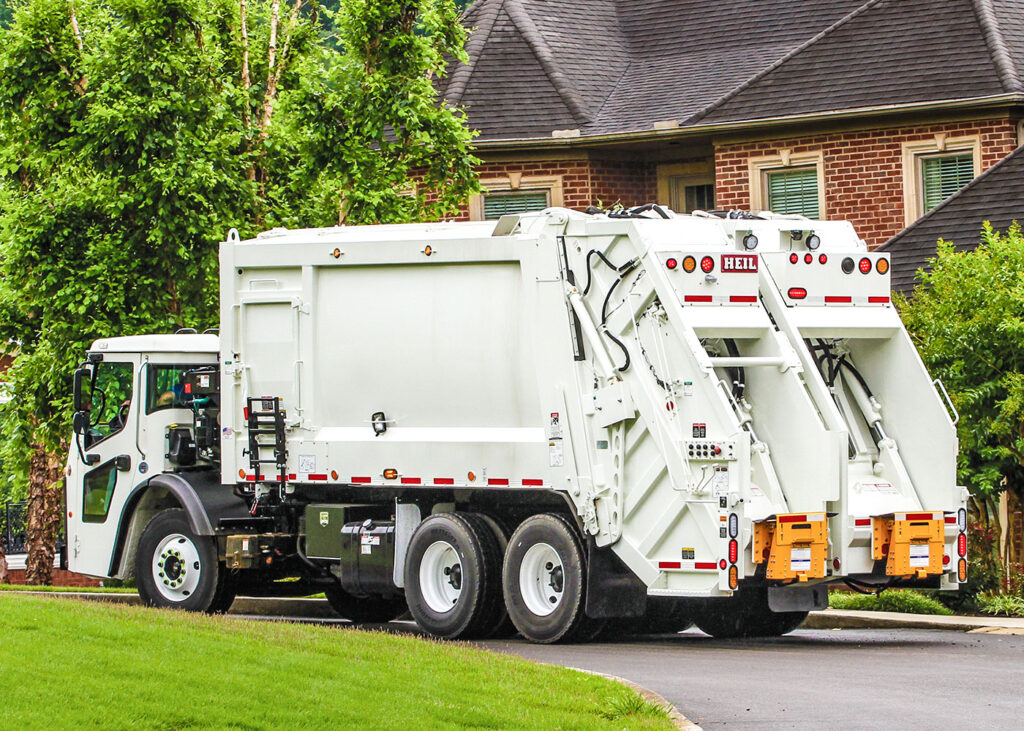
Most large vehicles on the road follow a fairly predictable rhythm, moving steadily forward with occasional stops at intersections or designated points along a route. Garbage trucks break that pattern entirely, performing one of the more unusual driving routines found on residential streets.
Throughout a single route, these trucks repeatedly stop, back up, turn, and pause directly in front of homes, often operating in close proximity to workers on foot, parked vehicles, and pedestrians who may not anticipate this kind of constant, irregular movement.
That unpredictable pattern plays a direct role in understanding garbage truck accidents, since the vehicle’s unusual operating rhythm creates circumstances considerably different from how most large vehicles typically move through residential neighborhoods.
Frequent Stops Create Constant Changes in Traffic
Unlike vehicles that maintain relatively steady movement, garbage trucks stop repeatedly throughout a single route, often within short distances of each previous stop. That constant starting and stopping creates unpredictable conditions for drivers following behind or approaching from side streets.
Sudden braking becomes a regular occurrence rather than an occasional event, catching following vehicles off guard if they aren’t anticipating the truck’s next stop. Lane blockages frequently occur too, particularly on narrower residential streets without much room for other vehicles to pass safely.
This reduced predictability means drivers sharing the road with garbage trucks need to maintain considerably more attention than they might for typical large vehicles, since the truck’s next move often isn’t obvious until it actually begins happening directly ahead.
Workers May Be Outside the Truck
Garbage collection frequently involves workers moving on foot around the vehicle, whether loading materials, guiding the truck through tight spaces, or simply walking alongside it during a particular stop along the route through a residential area.
That human presence outside the vehicle introduces risk that doesn’t apply to most other large trucks on the road. Blind spots become particularly relevant here, since workers moving quickly around the vehicle may not always remain clearly visible to the driver at every moment.
This dynamic means garbage truck operation extends well beyond simply controlling the vehicle itself. It also involves careful coordination with workers moving nearby, adding a layer of complexity that most other large commercial vehicles simply don’t need to manage.
Backing Creates a Different Kind of Risk
Reversing represents one of the more hazardous maneuvers any large vehicle can perform, and garbage trucks often need to back up considerably more frequently than typical commercial vehicles, particularly on narrow residential streets or within tight cul-de-sacs.
Limited rear visibility compounds this challenge significantly, especially in neighborhoods with driveways, parked cars, and other obstacles that can be difficult to spot through mirrors alone. Narrow streets leave little margin for error during these backing maneuvers.
Residential environments generally aren’t designed with large vehicle backing in mind, meaning garbage trucks often navigate spaces that weren’t originally intended to accommodate this kind of frequent, careful reversing throughout an entire collection route.
Size Still Matters Even at Low Speeds
Despite operating at relatively low speeds throughout most residential routes, garbage trucks remain genuinely large, heavy vehicles. That size doesn’t disappear simply because the truck is moving slowly through a quiet neighborhood street during a routine collection.
Turning radius remains considerably larger than a typical passenger vehicle, requiring more space to navigate corners safely. Blind areas around the vehicle stay significant too, regardless of how slowly the truck happens to be moving at any particular moment.
Even at low speed, an impact involving a vehicle this large and heavy can produce serious consequences, meaning size-related risk doesn’t diminish simply because garbage trucks typically operate well below highway speeds throughout most of their routes.
Conclusion
Garbage collection combines the inherent risks associated with large vehicles alongside an unusually stop-and-go operating pattern, creating a genuinely distinct set of challenges compared to how most other commercial trucks typically move through residential and commercial areas.
Frequent stops, workers operating outside the vehicle, extensive backing, and persistent size-related risk all combine throughout a single collection route, requiring considerable attentiveness from both drivers and everyone else sharing the road nearby.
Recognizing this unique operating pattern helps explain why garbage trucks deserve particular caution and awareness from surrounding traffic, even during routine, everyday collection routes that might otherwise seem entirely unremarkable to passing drivers.
To read more content like this, explore The Brand Hopper
Subscribe to our newsletter
Go to the full page to view and submit the form.