


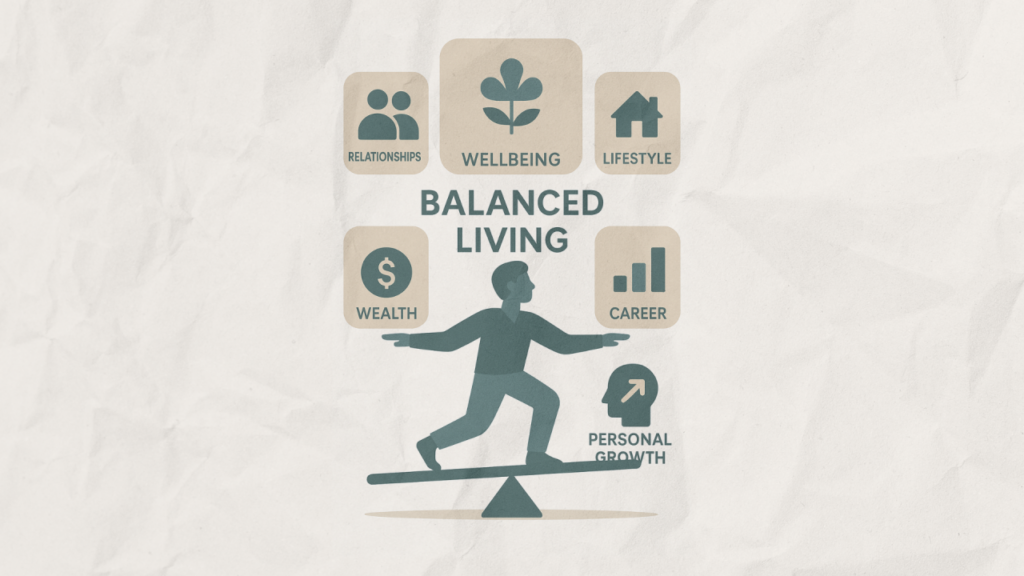
Are you actually living your life or just getting through it? It’s an uncomfortable question, mostly because so few people stop long enough to answer it honestly. Between work, errands, and a constant stream of notifications, entire weeks can pass on autopilot.
A balanced lifestyle doesn’t happen by accident; it comes from a handful of small, intentional habits. Here are eight tips to help you build that balance into your everyday rhythm.
1) Spend Time Outside
A simple way to unwind is to spend even ten minutes outside, whether that’s a walk around the block or sitting quietly in a nearby park. Physical activity does not have to feel like a grueling chore, and screen time cannot replicate the calm that comes from fresh air. Studies show that spending at least two hours a week in nature is often associated with improved health and well-being. Sometimes, sitting under a tree with nowhere to be is enough.
2) Enjoy Some Low-Key Entertainment
Not every hour of downtime needs to be productive. An hour after dinner spent on entertainment for its own sake, whether that involves a show or a game, can do more for your mental state than pushing through another task. Why not try Super Ace online, for example, if you’re looking for a new e-game to play?
What matters isn’t the specific choice but the shift it creates: attention pulled away from work long enough to actually rest. Approached with a bit of balance, this kind of downtime can feel more like a reset than a distraction.
3) Prep for the Week Ahead
A practical habit worth building is meal prepping, even if it’s just chopping vegetables and cooking a batch of protein. This one habit saves money and significantly reduces daily decision fatigue. People who plan their meals also enjoy a wider variety and better nutritional intake. The upfront effort reclaims several hours later in the week, making it a form of self-care that pays lasting dividends.
4) Keep Learning and Upskilling
Growth doesn’t have to stop the moment the workday ends. A single lesson on Coursera, Udemy, or YouTube, twenty minutes at most, is often enough to keep the momentum going without turning learning into another obligation. It could be a new language, the basics of design, or a recipe worth mastering. Small and steady beats ambitious and abandoned, especially when the goal is long-term progress rather than an overnight overhaul.
5) Clear One Cluttered Space
Messy desks or overflowing drawers have a way of nagging at you long after you’ve stopped consciously noticing them. One small area, tackled instead of a full deep clean, tends to be far more sustainable and just as satisfying to finish. A tidier space sharpens focus and eases background stress more than most people expect. Even a single finished task can leave you with a sense of accomplishment that carries into the rest of the week.
6) Unplug with Slow Media
In a culture dominated by fast-moving feeds and short-form content, trading one scrolling session for a few pages of a book or an episode of a podcast can feel almost radical. The pace alone makes a difference: slower media tends to sharpen attention span in a way that an endless feed never will. It’s a kinder way to let your brain rest, still engaged but without the constant ping for your attention.
7) Reconnect with People
Relationships tend to get sidelined first when the week gets busy, even the ones that matter most. A family lunch, a video call with an old friend, or a quick coffee run nearby doesn’t take much time but tends to leave a mark.
Social wellness is a core pillar of overall health, and genuine conversation offers a kind of support that a text thread never quite replaces. These moments are what keep you feeling connected, not just busy.
8) Take Time to Reflect
Sometimes, the most beneficial thing you can do is pause completely. Fifteen to twenty minutes of mindfulness or quiet reflection helps clear mental clutter and lower daily stress levels. Intentional rest has been shown to improve sleep quality and emotional regulation. That deeper pause is what makes the demands of the days ahead easier to handle.
Balance Is Built, Not Found
Balance is less a lifestyle you arrive at and more a skill you keep practicing, one small choice at a time. The version that works for you today might look different next year, and that’s fine; what matters is staying willing to adjust rather than chasing a fixed formula. A life that bends without breaking is, in the end, the most balanced one you can build.
To read more content like this, explore The Brand Hopper
Subscribe to our newsletter
Go to the full page to view and submit the form.