


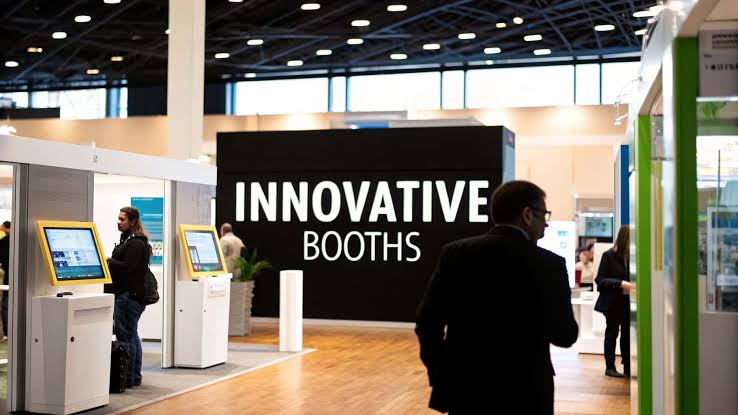
Expanding into a new retail market can be expensive. Leasing a storefront, hiring employees, and building local awareness require significant investment before a brand knows whether customers will respond to its products. Pop-up events and trade shows offer a more flexible way to test demand before making those commitments.
The right trade show booth ideas can turn a temporary retail space into a valuable market research opportunity. Instead of focusing only on immediate sales, businesses can use events to evaluate product preferences, pricing, customer behavior, and potential demand in different locations.
For brands attending smaller events or testing a new city, 8ft trade show displays offer a compact, professional way to showcase products and attract shoppers without requiring an elaborate exhibit.
The key is treating each event as a controlled retail experiment rather than simply another opportunity to sell merchandise.
1. Define What You Want to Learn From the Market
Before choosing booth graphics or display furniture, identify the business question you want the event to answer. A brand exploring a new city might want to understand whether local shoppers recognize its products. Another business may be testing a new collection, comparing prices, or evaluating which customer segments respond most positively.
Trying to test everything at once usually produces scattered feedback. Instead, choose one primary objective and two or three supporting metrics.
For example:
- Product demand: Which items attract the most attention and generate purchases?
- Price acceptance: Do shoppers consider the current price reasonable?
- Customer preferences: Which colors, sizes, styles, or features are most appealing?
- Brand awareness: Have visitors encountered the brand before?
- Market potential: Does the audience show enough interest to justify additional events or distribution?
Suppose a skincare company is testing two product lines in a new region. Rather than displaying its entire catalog, it could feature a small selection from each line and compare demonstrations, purchases, and customer questions. This focused approach makes the results easier to interpret.
2. Choose a Booth Layout That Makes Browsing Easy
A successful retail booth should feel like a miniature store rather than a crowded promotional table. Visitors need to understand what the business sells, identify products that interest them, and interact with merchandise without navigating around bulky fixtures. For brands that need more room for product displays and customer interactions, a 10×10 trade show booth offers 100 square feet of space to create a functional retail setup. With the right layout, businesses can accommodate merchandise, a compact checkout station, and a small demonstration area without overwhelming visitors.
Whether you’re working with an 8×10 or 10×10 booth footprint, every display element should have a specific purpose.
| Booth area | Purpose | Practical example |
|---|---|---|
| Front | Capture attention | Hero product or featured collection |
| Side wall | Communicate product benefits | Vertical shelving and branded visuals |
| Central interaction area | Encourage product discovery | Samples, testers, or demonstrations |
| Rear or side checkout | Support purchases | Compact POS station with storage |
| Hidden storage | Keep the space organized | Inventory and packaging supplies |
Keep the Entrance Open
Avoid placing large tables directly across the front of the booth. They can create a physical barrier between visitors and products. Instead, position merchandise so shoppers can approach naturally and understand the offering from the aisle. If event rules permit, a small display near the entrance can highlight a bestseller or new launch without blocking circulation.
Use Height Instead of More Furniture
Vertical shelving, lightweight display stands, and wall graphics can help showcase merchandise while preserving usable floor space. This is especially important when staff members need room to demonstrate products or complete transactions.
Before opening, walk through the booth as if you were a first-time visitor. If reaching a product requires moving around several fixtures, simplify the layout.
3. Feature a Curated Product Selection
One of the most common retail booth mistakes is bringing too much inventory. A crowded display makes it difficult for visitors to identify important products and for the brand to determine which items genuinely attract interest. Instead, build the selection around a clear testing strategy. Consider displaying three categories:
Established bestsellers: Products with a proven sales history provide a useful reference point when comparing customer preferences.
New or experimental products: These reveal whether the new market responds to unfamiliar designs, features, or product categories.
Complementary items: Accessories, bundles, or related merchandise help test opportunities for additional purchases.
For example, a fashion accessories company might display its bestselling handbags alongside two experimental styles and a small range of matching accessories. The team could then compare which products customers examine, ask about, and ultimately purchase. Keep additional inventory in labeled storage containers rather than placing every available unit on display. A focused assortment creates a cleaner presentation and produces more meaningful product-level feedback.
4. Create Interactive Experiences That Reveal Customer Preferences
Some of the most useful trade show booth ideas encourage shoppers to interact with products before making a purchase. Physical retail has an advantage over online shopping: customers can touch materials, compare options, test functionality, and ask questions immediately. Use that opportunity to learn what influences purchasing decisions.
Offer Hands-On Product Demonstrations
For beauty and wellness brands, demonstrations might involve comparing textures, scents, or application methods. For home goods, visitors could handle different materials or see how products function in everyday situations.
Demonstrations should be brief, accessible, and focused on one meaningful benefit. Rather than delivering a lengthy sales presentation, ask visitors what matters most to them and adapt the demonstration accordingly.
Let Customers Vote on New Products
A simple preference station can provide useful directional feedback about future product development. For example, display two packaging designs or color options and invite shoppers to choose their favorite.
Record responses without requiring a purchase. To make the results more useful, track whether stated preferences align with actual purchases. A color that receives the most votes may not necessarily generate the highest sales.
Test Product Bundles
Create two different bundles featuring similar products and compare how shoppers respond. One might emphasize convenience, while another highlights savings or a particular use case. This can reveal whether customers respond more strongly to practical benefits, product combinations, or perceived value. Keep the test conditions as consistent as possible so the results are easier to interpret.
5. Test Pricing Without Confusing Customers
Price sensitivity is one of the most important factors to understand before entering a new market. However, simply asking shoppers whether something is too expensive rarely provides a complete answer. Customer behavior often reveals more than a general opinion. Start by displaying clear prices and observing purchasing decisions.
Record questions such as:
- Why does this product cost more than similar alternatives?
- Is a smaller size available?
- Do you offer bundle discounts?
- What makes this product different?
- Is there an introductory offer?
These questions can reveal concerns about value, affordability, or product positioning. If comparing two price points, use a structured testing plan rather than changing prices randomly throughout the day. For example, a brand might test different bundles at comparable events while keeping the product assortment and presentation consistent.
Remember that event-only discounts can distort demand. A product that sells well at a steep promotional price may perform differently at its intended retail price. Record the actual selling price alongside every transaction so the results remain useful.
6. Use Branding to Understand Customer Response
Booth graphics should communicate more than the company name. When testing a new market, messaging can help reveal which product benefits resonate with unfamiliar audiences. For example, an eco-conscious home goods brand might emphasize material durability, easy maintenance, or reduced packaging. Rather than presenting all three messages equally, select one primary value proposition and observe how visitors respond. Pay attention to the language customers use when discussing the products. Do they mention quality, convenience, price, design, or sustainability?
These conversations can inform future website copy, advertising, product descriptions, and retail merchandising. Use a clear visual hierarchy: a recognizable logo, one concise headline, strong product visuals, and a straightforward next step. The most effective branding makes it easy for visitors to understand the product before speaking with staff.
7. Train Staff to Collect Useful Feedback Naturally
A well-designed display attracts interest, but staff conversations often provide the most valuable market insights. Team members should do more than explain prices and process sales. They should understand what the brand hopes to learn.
Encourage natural questions such as:
- Have you seen products like these before?
- What caught your attention?
- How would you use this product?
- What would make you more likely to purchase it?
- Is there anything you expected us to offer?
Avoid turning every interaction into a formal survey. Instead, train staff to record recurring observations between conversations. For example, if multiple shoppers ask whether a product is available in a smaller size, that may indicate an assortment opportunity.
Distinguish between direct customer statements and staff interpretations. Recording a shopper’s exact wording can be particularly useful when reviewing feedback later. A short daily debrief can also help the team identify common objections and adjust its approach during multi-day events.
8. Capture Interest From Visitors Who Are Not Ready to Buy
Not every interested shopper will make a purchase during the event. Some may need more information, want to compare alternatives, or prefer ordering online later. A retail booth should provide a convenient way to maintain that relationship.
Options include QR codes linking to product pages, email sign-up forms, digital catalogs, and follow-up offers. Give visitors a clear reason to subscribe, such as early access to a product launch, restock notifications, or relevant product updates.
Be transparent about how personal information will be used and obtain appropriate consent for marketing messages. For brands testing a new city, collecting interested subscribers can help assess potential local demand beyond immediate event sales. However, distinguish general newsletter sign-ups from stronger purchase signals, such as product reservations, completed orders, or requests for local availability.
9. Measure More Than Total Sales
Revenue is important, but it does not explain why a pop-up performed well or poorly. A useful market test measures shopper engagement, conversion, purchasing behavior, and operational performance.
| Metric | What it reveals | How to use it |
|---|---|---|
| Booth visitors | Overall interest and traffic | Compare engagement across events |
| Product interactions | Which items attract attention | Refine the display assortment |
| Conversion rate | Percentage of tracked visitors who purchase | Evaluate the selling experience |
| Average order value | Average revenue per transaction | Assess pricing and bundles |
| Customer questions | Barriers or unmet needs | Improve messaging and products |
| Email sign-ups | Interest beyond immediate sales | Build future customer relationships |
| Gross profit after event costs | Financial contribution of the event | Evaluate commercial viability |
For example, imagine a retail brand participates in two events. At the first event, 300 visitors enter the booth and 30 make a purchase, producing a 10% conversion rate. At the second event, 200 visitors enter and 40 purchase, producing a 20% conversion rate.
Although the first event attracted more people, the second converted a greater share of its visitors into customers. These figures are illustrative, but they show why brands should look beyond foot traffic when evaluating market potential.
Compare results carefully. Different event audiences, weather conditions, competing vendors, and promotional offers can influence performance. A successful market test requires interpreting the numbers alongside those external factors.
10. Turn Event Findings Into a Market Expansion Decision
The value of a temporary retail event comes from what the business does with the information afterward. Within a few days, review sales data, customer feedback, product preferences, and staff observations. Organize the findings around three decisions.
What Should We Keep?
Identify products, messages, and display elements that consistently performed well. These provide a starting point for future events in the same market.
What Should We Change?
Look for repeated objections, confusing product information, poor display placement, or inventory problems. For example, strong interest but low conversion might indicate pricing concerns, limited sizing, or an unclear value proposition.
What Should We Test Next?
Use the findings to identify the next experiment. A brand might return with a revised product assortment, test a different event audience, or compare results in a nearby city. Avoid committing to permanent retail expansion based on a single successful event. Repeated testing can help determine whether customer demand is sustainable rather than driven by temporary promotions or event-specific conditions.
Frequently Asked Questions
Are pop-up trade show booths useful for small retail brands?
Yes. Temporary booths allow brands to test products, meet potential customers, and gather market feedback without committing to a permanent storefront. They are particularly useful for businesses exploring new geographic markets or introducing unfamiliar product categories.
Can an 8×10 trade show booth support retail sales?
Yes. An 8×10 booth can accommodate a curated product assortment, compact checkout station, and space for customer conversations. Vertical displays and limited furniture help maximize the available footprint.
What products should retailers bring to a market-testing event?
Bring a focused mix of proven bestsellers, experimental items, and complementary products. This allows the brand to compare established demand with new opportunities while keeping the display organized.
How do you know whether a new retail market is promising?
Evaluate conversion rates, customer feedback, product interest, average order value, and event profitability. Compare results across multiple events where possible, since one successful pop-up does not necessarily indicate sustainable long-term demand.
Should retailers prioritize sales or customer feedback?
Both matter. Sales demonstrate willingness to purchase, while feedback helps explain customer preferences and buying barriers. Combining these insights provides a stronger foundation for future product and market decisions.
Final Thoughts
Testing a new retail market does not have to begin with a permanent store or a major investment. With a focused product assortment, practical booth layout, engaging demonstrations, and consistent measurement, temporary retail events can reveal how customers respond before a brand makes larger commitments. The most useful trade show booth ideas do more than attract attention. They help businesses understand what shoppers want, what influences their purchases, and which opportunities deserve further investment.
By treating every pop-up as a learning opportunity, retail brands can make more informed decisions about where and how to grow.
To read more content like this, explore The Brand Hopper
Subscribe to our newsletter
Go to the full page to view and submit the form.