


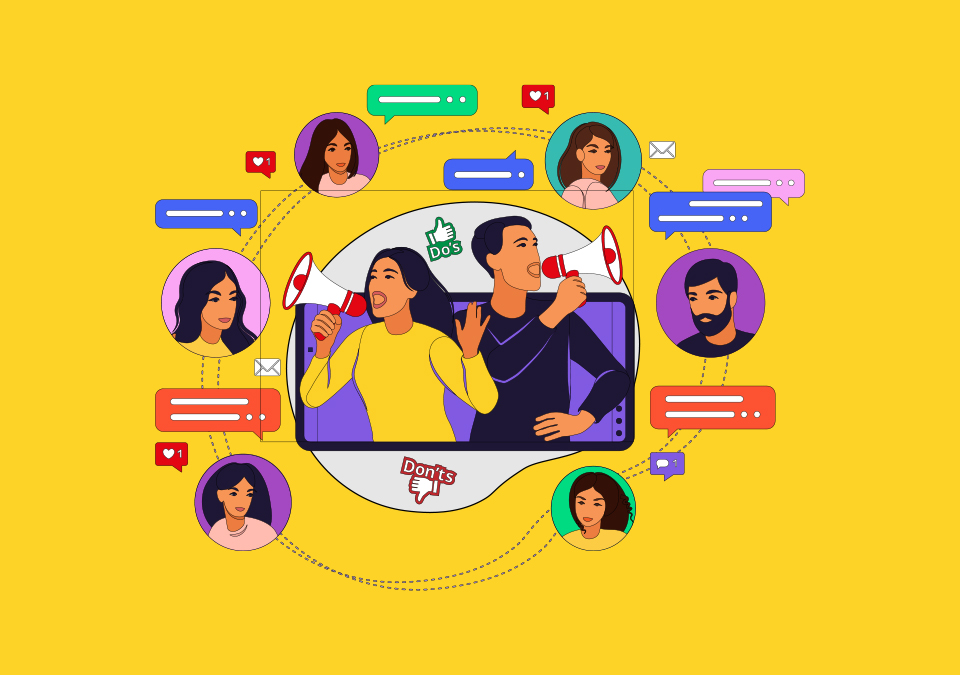
Today’s influencer partnerships look very different from the celebrity endorsement model that dominated social media a decade ago. Consumers have become more selective, algorithms reward authentic engagement over vanity metrics, and brands expect measurable business results instead of simple awareness. Successful partnerships now require careful planning, thoughtful creator selection, and ongoing collaboration that benefits everyone involved. Companies that understand these shifts are more likely to build campaigns that strengthen their reputation while delivering meaningful returns on investment.
Choose Creators Who Match Your Audience, Not Just Your Budget
The foundation of every successful campaign starts with selecting creators who genuinely connect with the people a company wants to reach. A massive following may look impressive at first glance, but audience quality, trust, and engagement often matter much more than raw numbers. Many brands are discovering that smaller creators with dedicated communities consistently outperform larger personalities when it comes to driving conversations and purchasing decisions.
This is why businesses increasingly invest time to find influencers for your brand instead of simply searching for the biggest names available. A creator whose audience already shares similar interests, values, or buying habits can introduce products in a way that feels natural instead of forced. Consumers recognize when a recommendation fits the creator’s usual content, and they respond more positively when the partnership makes sense.
Brands should also evaluate posting consistency, audience demographics, comment quality, previous sponsorships, and communication style before signing an agreement. A careful review reduces surprises later and creates stronger partnerships that can grow over time instead of ending after a single campaign.
Measure What Actually Matters to Business Growth
Many companies have moved beyond counting likes and impressions as the primary indicators of campaign success. While those metrics still provide useful information, leadership teams increasingly want evidence that influencer campaigns contribute to larger business objectives.
That is where influencer marketing measurement becomes an essential part of campaign planning rather than an afterthought. Brands should establish goals before any content goes live. Those goals may include website traffic, email signups, product purchases, coupon redemptions, app downloads, qualified leads, or customer retention. Clear objectives make it much easier to evaluate performance after the campaign concludes.
Tracking should also account for qualitative benefits. Positive conversations, improved brand perception, user-generated content, and stronger community engagement often create value that extends well beyond a campaign’s official end date. Combining hard data with broader marketing outcomes gives decision makers a more complete understanding of return on investment and helps shape future partnerships.
Give Creators the Freedom to Sound Like Themselves
One of the biggest mistakes brands continue to make is overcontrolling sponsored content. Long scripts, rigid talking points, and excessive approval requirements can remove the personality that attracted audiences in the first place. Consumers recognize overly polished advertising quickly, and engagement often suffers when creators lose their authentic voice.
Strong partnerships begin with clear expectations while allowing creators flexibility in how they tell the story. Brands should communicate required messaging, legal disclosures, product details, and campaign goals. After establishing those basics, creators should have room to present products in ways that match their established style and audience expectations.
Open communication also improves results. When creators can ask questions, provide feedback, and discuss audience preferences before publishing, campaigns often become more informative and more relatable. The relationship becomes collaborative instead of transactional, which benefits both parties over time.
Long-term partnerships deserve additional consideration as well. Audiences tend to trust repeated recommendations more than one-time promotions because consistent use signals genuine confidence rather than a temporary sponsorship opportunity.
Think Beyond a Single Social Platform
The influencer landscape has expanded considerably as consumer habits continue to evolve. Brands that focus on only one platform risk missing valuable audiences who consume content in different ways. Short videos, podcasts, newsletters, livestreams, blogs, and community platforms all create opportunities for creators to build meaningful relationships with followers.
An effective strategy considers where the intended audience spends time and how people prefer to discover new products. A home improvement company may benefit from detailed video tutorials, while a beauty brand may see stronger performance through short demonstrations combined with educational content. Business goals should determine platform selection rather than chasing the latest trend.
Repurposing creator content also extends campaign value. With proper agreements in place, brands can adapt influencer content for email marketing, paid advertising, websites, retail displays, and social channels. This approach increases the lifespan of high-performing content while improving overall marketing efficiency.
Build Partnerships That Last Beyond One Campaign
The most valuable influencer relationships resemble trusted business partnerships instead of isolated marketing transactions. Brands that invest in long-term collaboration often receive more authentic content, stronger audience trust, and greater consistency across multiple campaigns.
Respect plays an important role throughout the relationship. Timely payments, realistic deadlines, transparent communication, and mutual feedback encourage creators to prioritize future collaborations. Likewise, brands benefit from creators who become familiar with their products, understand company values, and confidently answer audience questions.
Flexibility also matters because social media platforms, consumer behavior, and digital trends continue to evolve. Companies that regularly review campaign performance, experiment with new content formats, and adjust strategies based on reliable data remain better positioned for sustainable success. Strong influencer partnerships are built through continuous learning rather than assuming one successful campaign guarantees future results.
In today’s marketing environment, brands achieve stronger outcomes when they focus on authenticity, measurable performance, creative collaboration, and long-term relationships. Those priorities create campaigns that resonate with audiences while supporting lasting business growth.
To read more content like this, explore The Brand Hopper
Subscribe to our newsletter
Go to the full page to view and submit the form.