


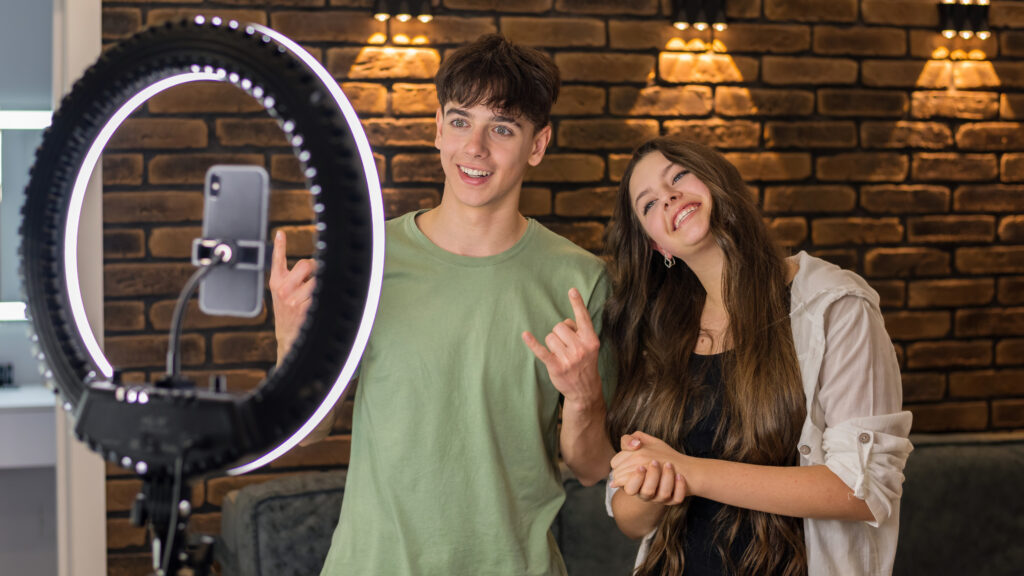
Over the last few years, influencer marketing has grown in the digital landscape. As Statista reports, the global influencer marketing market was on track to surpass $32 billion in 2025. That represents 35% growth over the previous year. And these figures are just part of the bigger picture. Using influencers for brand advertising is now arguably considered more effective than traditional methods. However, not every social media creator needs millions of followers to make an impact. Others build their influence in many ways. A specific interest. A close-knit community. An area of expertise. Modern approaches that keep people coming back for their content. These creators are often called micro-influencers.
These small-scale creators have taken much of the burden off businesses looking to connect with audiences. But what exactly are micro-influencers? Here’s a closer look at why brands are paying attention.
What Makes a Micro-Influencer?


A micro-influencer is typically defined as a social media creator with a smaller but highly engaged following. One largely operates on popular social media platforms. Like Instagram, Facebook, TikTok, and YouTube. Compared to celebrities or popular online personalities, a micro-influencer often focuses on a particular niche, industry, or interest. A home cook who makes three-way meal reels. A physio who explains gym exercises. A local camper who reviews weekend getaways.
Traits That Set Effective Micro-Influencers Apart
Many characteristics define micro-influencers. Qualities that separate them from regular social media users. For the most part, they:
- Build their platforms around specific subjects. Not just anything under the sun. This gives their content a recognizable direction and voice within their respective communities.
- Have an engaged community, wherein audiences regularly interact with their content. In the same way, they may have more opportunities to respond and maintain personal exchanges.
- Maintain a consistent online presence by posting content regularly. From reviews to tutorials, they post often. And that gives brands predictable windows of exposure.
Micro-Influencers vs. Other Influencer Types
One common way to distinguish a micro-influencer from others is by follower count. Although there’s no single universal cutoff, here’s a look at how most platforms and agencies draw the line:
| Type of Influencer | Follower Count |
| Nano-Influencer | 1,000 – 10,000 followers |
| Micro-Influencer | 10,000 – 100,000 followers |
| Macro-Influencer | 100,000 – 1,000,000 followers |
| Mega-Influencer | Over 1,000,000 followers |
As such, brands need to consider their marketing priorities when choosing creators to work with. For instance:
- Nano-influencers are effective for building community trust and connecting with local audiences.
- Micro-influencers work well for niche-focused campaigns. Ones that prioritize engagement and affordability.
- Macro-influencers help brands reach wider audiences and build much stronger awareness.
- Mega-influencers are ideal for large-scale campaigns that aim for mass exposure and solid brand recognition.
That said, numbers aren’t the deciding factor. What matters more is the relationship behind it. But overall, a micro-influencer hits the sweet spot between reach and engagement. They show that bigger doesn’t always mean better in marketing.
The Role of Micro-Influencers
Brands work with a micro-influencer in a handful of common ways. That includes gifted products, paid posts, affiliate deals, ambassador programs, and content licensing. They’re often the right fit for these campaigns because of what they bring to the table.
Micro-influencers give businesses access to communities that are harder to reach. Their specialized content also introduces brands to the target audience. On top of that, micro-influencers provide a more flexible option for businesses working with tight campaign budgets.
Beyond Follower Counts: Finding the Right Fit
Micro-influencers are one of the biggest trends in digital and influencer marketing. They suit brands that want what celebrity endorsers struggle to deliver effectively. Authenticity. Specific audiences. Measurable testing. But even with these advantages, choosing a partner still requires careful evaluation. In that area, an experienced influencer agency in New York can take much of the guesswork out of the process.
To read more content like this, explore The Brand Hopper
Subscribe to our newsletter
Go to the full page to view and submit the form.