


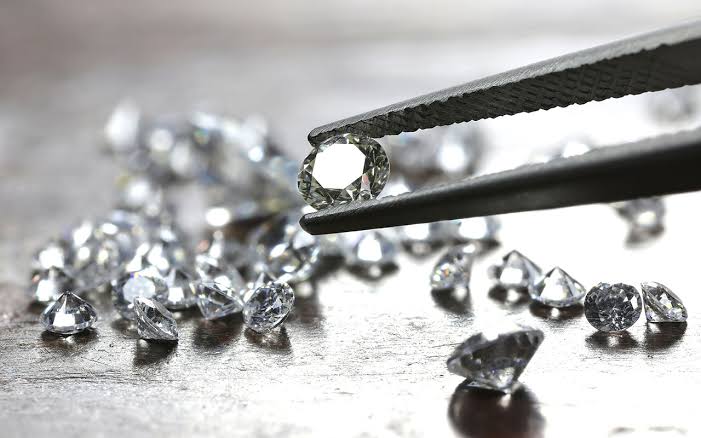
Every first-time diamond shopper gets the same advice within minutes: remember the four Cs. What nobody explains is which C deserves your money, which one you can safely compromise on, and why two stones with identical grades can look completely different in real light.
Shoppers comparing stones from New York showrooms to online inventories quickly discover that the grades on a certificate are a language, and learning to read it is what separates a smart purchase from an expensive guess. The four Cs aren’t a checklist to maximize; they’re a set of trade-offs to balance around how a diamond will actually be worn and seen.
Let’s decode them one at a time.
1. Carat Weight Doesn’t Determine Diamond Size
Carat is the C everyone thinks they understand, and it hides the most surprises. It measures weight, not appearance, and how big a diamond looks depends on how that weight is distributed.
- A well-cut smaller stone can look larger than a deep-cut heavier one
- Milestone weight pricing: prices jump at round numbers, so 0.9 carats costs notably less than 1.0.
- Face-up size by shape: varies since some shapes carry more weight in the depth
- Fingers and settings: change how any carat weight actually reads on the hand
The takeaway: shop just under the milestone weights and prioritize how the stone looks from above. Nobody at the dinner party is weighing it.
2. Color Grades Reward What You Cannot See
Color grading is the art of ranking near-identical things. The FTC’s consumer guidance explains that color is often graded on the Gemological Institute of America’s scale from D to Z, with D at the top, and that the more color a diamond has, the lower its value. It also advises getting the details in writing, ideally with a grading report from a gemological laboratory.
Here’s the practical secret: the differences near the top of that scale are invisible outside a lab. A D and an F look identical to almost everyone, and stones a few grades down still read as white once set, especially in yellow gold. Paying for letters you can’t see is the classic first-timer mistake; near-colorless grades are where value lives.
3. Clarity Is About What the Eye Actually Notices
Clarity grades catalogue a diamond’s internal birthmarks, from flawless down to visibly included, and the scale tempts shoppers into paying for microscopic perfection. The honest question is simpler: can you see anything at arm’s length? Most inclusions in the middle grades are invisible without magnification, which is why comparing certified diamonds side by side with real photos and videos teaches more than any chart.
Retailers such as Ritani display magnified imagery for each stone, so shoppers can judge with their own eyes rather than the grade alone. The pros call it eye-clean: a stone whose flaws exist only on paper. Finding an eye-clean diamond a grade or two below flawless is the single most reliable way to free up budget for the C that actually creates beauty.
4. Cut Does the Most Work for Sparkle
If the four Cs held a talent show, cut would win every year, because cut is what turns light into fire. It grades how well the stone was shaped and faceted, and it’s the difference between a diamond that performs and one that merely sits there.
- Proportions: decide whether light returns to your eye or leaks out the sides
- Polish and symmetry: sharpen every flash the stone throws
- An excellent cut: can visually outperform higher color and clarity grades
- A poor cut: makes even a flawless stone look dull and small
This is the C to protect when the budget tightens. Sparkle is the thing everyone actually notices across a room, and cut is where sparkle comes from.
Balancing the Four Cs Is Where Smart Budgets Win
Once you understand each C, the real skill is trading them against each other. The goal isn’t the best certificate; it’s the most beautiful stone your budget can buy, and those are rarely the same purchase. A balanced approach starts with an excellent cut, settles into near-colorless color and eye-clean clarity, and then puts whatever remains into carat weight.
Think about the wearer, too. A stone destined for daily wear beside an active life has different priorities than an anniversary piece. Setting metal, finger size, and personal taste all bend the formula, which is why the same budget can produce a dozen right answers. The certificate informs the choice; it shouldn’t make it.
Conclusion
The four Cs were invented to give shoppers a common language, and somewhere along the way people started shopping for the language instead of the diamond. The stone that makes someone gasp is rarely the one with the most impressive paperwork; it’s the one where the light does something the certificate can’t record. Learn the grades, use them to narrow the field, and then trust your eyes for the final call. Buy the sparkle, not the letters. Years from now, nobody will ever ask what clarity grade is on that hand. They’ll just notice it caught the light from across the room, which was the entire point all along.
To read more content like this, explore The Brand Hopper
Subscribe to our newsletter
Go to the full page to view and submit the form.