


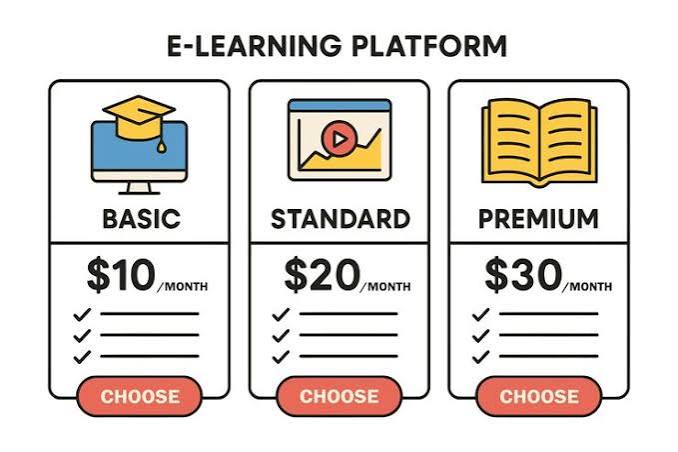
Choosing a learning platform pricing plan requires careful review of teaching goals, enrollment numbers, technical resources, and future income. The lowest advertised fee may exclude essential tools or create extra charges later. Understanding the full cost picture early on prevents unwelcome surprises down the road. That is why a structured evaluation matters before committing to any plan.
Schools, companies, and independent educators should assess the complete financial commitment before signing up. Reviewing LearnDash pricing alongside other options is one practical way to compare plan levels and included functions. A practical comparison protects cash flow, prevents disruptive changes, and helps each organization select technology that supports reliable course delivery. The sections below outline the key factors worth evaluating before making a decision.
Clarify the Buying Model
Pricing models vary considerably. Some providers charge monthly fees, while others bill annually or request a one-time license payment. Buyers should check renewal rates, installation costs, hosting, customer assistance, updates, and required extensions.
For teams reviewing WordPress-based teaching systems, LearnDash pricing offers useful information about plan levels, included functions, and possible additional expenses. A careful reading helps decision-makers compare the initial fee with longer-term ownership costs. It also gives course managers a clearer basis for budget planning before enrollment begins.
Count Active Users
Learner volume can affect the final invoice more than the opening price suggests. Some providers bill registered accounts, whereas others count participants who log in during a billing cycle.
A realistic estimate should include students, instructors, administrators, corporate groups, and seasonal enrollment increases. Teams should model present demand alongside expected growth. That exercise reduces the chance of choosing a package that becomes restrictive after a successful course launch.
Separate Core Costs
The subscription fee rarely covers every operational requirement. Extra spending may include website hosting, domain registration, payment processing, video storage, email delivery, course authoring tools, and technical assistance.
Each expense belongs in a separate budget line. Comparing total ownership cost offers a more accurate picture than reviewing the advertised charge alone. This method can also reveal whether a cheaper package remains economical after practical requirements are included.
Review Included Features
Every package deserves comparison against essential teaching and administrative needs. Relevant functions may include quizzes, assignments, certificates, progress reports, discussion areas, subscriptions, memberships, and group enrollment.
A lower tier may exclude a function that later becomes central to instruction. Buyers should create a requirements list before examining packages. Clear priorities prevent attractive pricing from hiding gaps that could weaken learner service or increase manual work.
Examine Payment Charges
Processing fees can reduce earnings, especially when courses have low prices or frequent transactions. Providers may apply percentage charges, fixed amounts, or extra costs for subscriptions and overseas payments.
Financial forecasts should test several sales levels instead of relying on one average order. This shows how fees affect margins. Refunds, failed transactions, taxes, and currency conversion also belong in the calculation before projected income is accepted.
Compare Support Access
Technical assistance has measurable financial value. Delayed answers can interrupt enrollment, payment collection, reporting, or lesson access. Plan details should identify available channels, such as email, live chat, forums, documentation, or specialist help.
Response times and service hours matter as well. A higher fee may reduce internal workload if qualified assistance arrives quickly. Teams should estimate the staff time required to resolve technical problems without provider involvement.
Assess Content Capacity
Lessons require adequate storage, dependable delivery, and practical file handling. Buyers should review limits for videos, documents, images, audio files, and downloadable materials.
Restricted storage may require separate hosting services. Bandwidth rules deserve equal attention because popular lessons can increase delivery costs. Capacity estimates should reflect current materials, future publishing plans, and expected viewing activity rather than the first course alone.
Consider Scalability
A suitable package should accommodate growth without requiring an immediate move to an expensive enterprise level. Important questions include user increases, instructor permissions, site support, group enrollment, automation, reporting, and account administration.
Growing organizations may need advanced controls after adding departments or new courses. Reviewing upgrade paths early helps prevent forced migrations, repeated setup work, and interruptions during active enrollment periods.
Check Ownership and Control
Hosted services generally reduce maintenance duties, while self-managed installations often provide greater control over customization and data. Neither arrangement suits every organization.
Self-managed systems require updates, security checks, backups, and hosting administration. Hosted products may restrict access or modification. Buyers should match control preferences with available technical skills. Data export procedures also require review before any contract begins.
Calculate Return on Investment
A pricing decision becomes clearer when connected to measurable results. Useful figures may include course sales, completion rates, staff hours saved, learner retention, certification income, or reduced training expenses.
A simple forecast can compare yearly technology costs with expected financial gains. Conservative assumptions are essential. Staff time, refunds, marketing expenses, and support requirements should appear in the estimate. This prevents optimistic sales projections from shaping a major purchase.
Conclusion
Selecting a learning platform plan requires a financial review alongside an operational assessment. Subscription charges matter, yet user limits, payment fees, integrations, storage, assistance, ownership, and upgrade paths can determine the true cost. Organizations should compare realistic teaching scenarios rather than headline figures. A written forecast clarifies tradeoffs and exposes hidden expenses. With defined priorities and measured assumptions, each team can choose technology that supports effective instruction without creating unnecessary financial pressure.
To read more content like this, explore The Brand Hopper
Subscribe to our newsletter
Go to the full page to view and submit the form.