


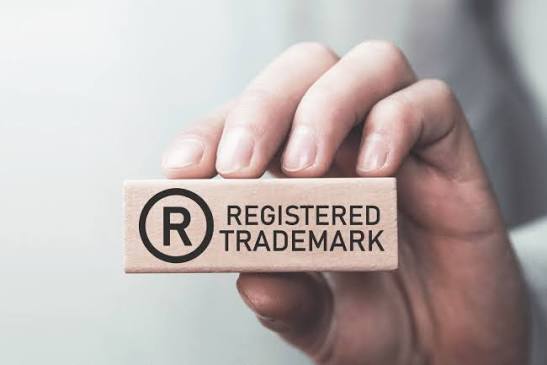
If a name feels obvious to you, there’s a good chance it has felt obvious to thousands of other founders too. While choosing a brand name is meant to be an exercise in creativity and differentiation, the data suggests founders think remarkably alike.
An analysis of 8.6 million registered trademarks found many familiar descriptive and aspirational words appearing thousands—and in some cases tens of thousands of times—across the register revealing an interesting quirk of human psychology.
When we’re trying to be different, we often reach for what feels familiar, clear and commercially appealing, which are the very same instincts thousands of other founders are following at exactly the same time. The result is a marketplace full of businesses trying to stand out in remarkably similar ways.
So how do you choose a name that’s both distinctive and legally protectable?
What is a brand name?
A brand name is the word, phrase or combination of words that identifies your business, product or service and distinguishes it from your competitors. It’s often the first thing customers remember, search for and recommend.
When a brand name is legally protectable, it becomes one of your most valuable intellectual property assets, giving you the exclusive right to use it for specific goods or services. That’s why the strongest brand names don’t just sound memorable; they’re distinctive enough to function as a trademark and difficult for competitors to copy.
Why do so many brands sound alike?
Most founders don’t set out to copy each other. They simply respond to the same psychological cues. Names that sound aspirational, descriptive or familiar feel like the safest choice because they immediately communicate what a business does or what it stands for. If a name feels obvious to you, there’s a good chance it has felt obvious to thousands of other founders too.
Trademark data bear that out. Trama’s analysis of more than 8.6 million registered trademarks found the word “NEW” appearing more than 20,000 times. Familiar adjectives and geographic terms also appear repeatedly, with words such as “International”, “Global”, “First”, “American” and “United” featuring across thousands of registrations. The pattern suggests founders consistently draw from the same pool of familiar language rather than inventing something more distinctive.
That’s where psychology collides with trademark law. Familiar words may feel like the safer commercial choice, but trademark law rewards names that distinguish one business from another. The more businesses rely on the same vocabulary, the harder those words become to register, protect and enforce. That’s why experienced founders typically check whether a name is both distinctive and available before investing in it. Trama’s guide to US trademark registration explains how the registration process works and what businesses should consider before filing.
What makes a strong brand trademark?
The strongest trademarks are names your competitors would never naturally choose. trademark lawyers describe this as the spectrum of distinctiveness: the further a name sits from describing the product or service itself, the easier it is to register, protect and enforce. Invented and arbitrary names receive the broadest protection, while descriptive names are much harder to register and generic terms can’t function as trademarks at all.
The trademark data tell an interesting story. Millions of businesses set out to build distinctive brands, yet many begin with the same familiar vocabulary. The brands that endure usually make a different choice. They choose names customers remember, competitors can’t copy and trademark law is designed to protect.
How important is finding the right brand name at the start?
It’s important, but not because you’ve found the perfect name. Where your business starts and where it ends up can be very different. The priority is choosing a name you can legally protect and one you can confidently invest in from day one. Founders who want a head start often browse curated brandable names that already come with a matching domain. A distinctive, registrable brand name gives you the confidence to build your website, marketing and reputation without worrying about an expensive rebrand later. Your products, positioning and messaging may evolve, but a protected trademark provides the legal foundation for your brand to grow.
What can successful brands teach you about trademarks?
If you’re choosing a brand name today, it’s worth looking at the companies that have done it well. Their stories show that the strongest brands don’t just have memorable names; they have names that can be protected, defended and built on for decades.
Apple is a reminder that even a brilliant brand name isn’t enough if someone else got there first. When Apple Computer launched, it spent decades in a trademark dispute with Apple Corps, the Beatles’ record company, before finally reaching a settlement in 2007. The lesson is simple: always clear existing rights before you invest in a brand.
Xerox shows the opposite problem. The company invented a completely new word, making it highly distinctive and easy to protect. But it became so successful that people started using “xerox” as a verb for photocopying. Xerox had to actively encourage people to say “photocopy” instead, helping preserve its trademark rather than letting it become the generic name for the product.
Kodak demonstrates the value of starting with a truly distinctive name. George Eastman deliberately invented a word that meant nothing before adopting it for his business, making it highly protectable from day one. More than a century later, although the company has changed dramatically, the Kodak name remains one of its most valuable assets.
Conclusion
Perhaps that’s why the same handful of words appear tens of thousands of times across the trademark register. Human instinct pulls us towards familiarity; successful branding demands distinctiveness. The brands that endure are rarely the ones that sound like everyone else. They’re the ones customers remember, competitors can’t copy and trademark law is designed to protect.
To read more content like this, explore The Brand Hopper
Subscribe to our newsletter
Go to the full page to view and submit the form.