


For years, a manufacturer’s brand rested on quality and price. Today it increasingly rests on the machines behind the product. How a factory runs has become part of how the company is perceived, by customers, buyers, and talent alike.
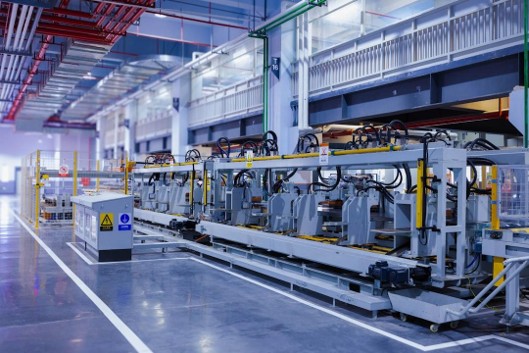

That shift is visible on the shop floor. A tool such as a set of conveyor loading systems for 5-axis cnc machines lets a plant run around the clock, and that capability now shapes reputation. This guide covers how automation became a brand asset, and what it means for competitive position.
Why Does Shop-Floor Technology Shape a Brand?
Because it shapes everything customers actually feel. Automation affects delivery speed, consistency, and price, which are the traits buyers judge a supplier on.
A brand is the set of expectations customers hold about a company. In manufacturing, those expectations are built on reliability. A shop that misses deadlines or ships uneven parts loses trust fast. Automation directly supports the promises a manufacturer makes, so it has become part of the brand story rather than a back-office detail.
The scale of the sector explains the stakes. Manufacturing is a large slice of national output, as the Bureau of Economic Analysis GDP by industry figures make clear. In a market that size, small efficiency gains translate into real competitive separation.
How Does Automation Change the Competitive Picture?
It resets the baseline for what customers expect. Once a few suppliers run lights-out, the rest have to keep pace.
Consider the numbers behind a single automated cell. One supplier reports 52% labor savings across more than 1,225 machines, with stations running 24 hours a day. Across the top industrial brands, that kind of output gap is hard to hide. The overall trend shows up in the Federal Reserve industrial production index, which tracks how much the sector actually makes.
What Does a Modern System Look Like?
It is more capable and more affordable than many expect. A conveyor loading system stores raw parts and feeds them into a machine automatically.
A current model handles around 150 pounds of stock, adjusts to new part sizes in minutes, and starts near $21,490. It works with common 5-axis machines from Haas, Doosan, and Mazak. Suppliers of motion and pneumatics leaders sit alongside these systems in a growing automation ecosystem.
What Are the Brand Benefits?
They extend well past raw output. Automation strengthens several parts of a manufacturer’s reputation at once.
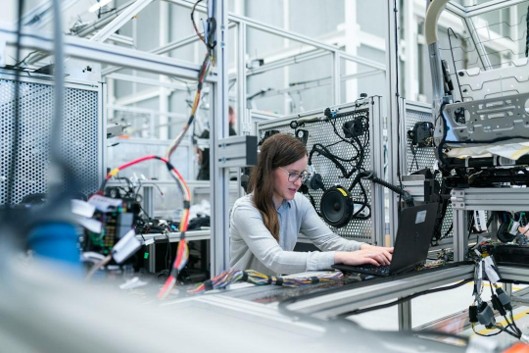
The main brand advantages are these 5:
- Consistent parts build customer trust.
- Around-the-clock output shortens lead times.
- Lower labor cost supports competitive quotes.
- Modern shops attract skilled workers.
- Advanced technology signals a serious operator.
Each benefit compounds the others. A reliable, fast, well-staffed shop simply wins more repeat business than a manual competitor.
| Brand trait | Manual shop | Automated shop |
| Delivery speed | One shift | Around the clock |
| Consistency | Operator-dependent | Machine-repeatable |
| Quoting power | Higher labor cost | Leaner cost base |
| Talent appeal | Routine tasks | Technical roles |
| Market signal | Traditional | Forward-looking |
The contrast is the point. Buyers increasingly read automation as a sign of a supplier worth committing to.
Is Automation Only for Large Manufacturers?
Not anymore, and that is the real change. Falling equipment prices have opened these tools to smaller shops.
A single conveyor or part-handling station costs a fraction of a full robotic line. That lets a small manufacturer punch above its weight, delivering big-shop consistency on a modest footprint. For an emerging brand, that capability can be the difference between winning a contract and losing it to a larger name.
What to Remember
- A manufacturer’s brand now includes how its factory runs.
- Automation shapes delivery speed, consistency, and price.
- Reported labor savings can reach 52% across many machines.
- Modern loading systems start near $21,490, not millions.
- Reliability and speed drive repeat business and reputation.
- Smaller shops can now compete on capability, not just price.
The Factory Is Part of the Brand
Manufacturing branding used to live in logos and catalogs. Now it lives partly on the shop floor, in the machines that decide whether a customer’s order ships on time and to spec. The manufacturers building strong brands treat automation as a strategic investment, not just an operational one. In a competitive market, the way a factory runs has quietly become one of the clearest signals of the brand behind it.
Frequently Asked Questions
How Does Automation Affect a Manufacturer’s Brand?
Automation shapes the traits customers judge a supplier on: delivery speed, product consistency, and price. A shop that runs reliably and quickly builds trust and wins repeat orders, which is the foundation of a strong industrial brand. It also signals to buyers and job candidates that the company is a serious, forward-looking operator, so the effect reaches reputation and recruiting, not just output.
Is Factory Automation Affordable for Small Shops?
Increasingly, yes. Individual stations, such as a conveyor loader or a part-handling unit, cost a fraction of a full robotic line, with some systems starting around twenty thousand dollars. That lets a small manufacturer deliver the consistency and lead times customers expect from much larger competitors. Falling equipment prices have made capability, rather than sheer size, the deciding factor in many contracts.
What Is a Conveyor Loading System?
A conveyor loading system stores a queue of raw parts and feeds them automatically into a CNC machine, so the machine keeps working without an operator loading each piece. Modern units handle a range of stock weights, adjust to new part sizes quickly, and pair with common 5-axis machines. The result is continuous, lights-out production that raises output without adding shifts.
Why Do Buyers Care How a Factory Runs?
Because how a factory runs determines whether they get their parts on time and to specification. A buyer choosing a long-term supplier is really betting on reliability. Evidence of automation reassures them that the manufacturer can hold quality and meet deadlines even at volume. In that sense, shop-floor technology has become a visible part of the trust a brand earns with its customers.
To read more content like this, explore The Brand Hopper
Subscribe to our newsletter
Go to the full page to view and submit the form.