


A maple leaf on a syrup jar, a silver fern on a shoe, or an eagle on a coin does something a logo built from scratch cannot. Each arrives preloaded with meaning before a buyer examines the product itself.
A new logo usually begins without those associations. People must see it repeatedly, connect it with a product, and learn what the company wants it to represent. A national symbol, however, is already familiar to much of its intended audience.
The question is not whether people recognize these emblems, but how that recognition transfers to ordinary products. That requires examining the transfer mechanism, the clearest real-world case, and the points where the tactic begins to break down.
The Short Answer: Borrowed Meaning Sells Faster
A national symbol skips the expensive stage of teaching strangers what a mark means. Most companies spend years building a universally recognized visual identity, while a national flag or emblem begins with broad recall across its home market.
The symbol lends three attributes to the product: origin, familiarity, and an assumption of standards. Together, they can give an ordinary product an immediate brand identity and create brand equity before it has established a reputation of its own.
Still, that meaning remains borrowed. If the product fails to support the promise suggested by the logo, the audience can withdraw that brand value as quickly as it granted it.
How Meaning Moves From Emblem to Product


A national symbol transfers meaning in two related ways. First, it signals an origin and the qualities associated with that place. Second, repeated exposure creates familiarity, allowing recognition to feel like evidence before the product has proved itself.
What a Flag Says Before the Label Is Read
The maple leaf did not suddenly acquire meaning when Canada placed it on the national flag in 1965. It had represented the country and its people for much longer, as shown by the maple leaf’s long-standing role as a Canadian symbol. Lester B. Pearson’s support for a distinctly Canadian flag formalized an existing association.
Once transferred to packaging, an emblem answers the question of origin before the label does. That origin then suggests other qualities: Canadian syrup evokes its source, New Zealand wool suggests local material, and Swiss precision frames expectations about workmanship. The brand is not creating those associations. It is inheriting them.
Why Familiarity Reads as Lower Risk
Repeated exposure makes a familiar mark easier to process, and people often interpret that comfort as reliability. A symbol seen on flags, public buildings, sports uniforms, and documents since childhood therefore starts with an advantage over an unfamiliar visual identity.
Private companies must earn that effect through consistent exposure. Even globally recognized brand symbols required sustained use before audiences understood them without supporting text. Public symbols begin from the opposite position.
The silver fern shows how recognition can move into commerce. Its association with New Zealand expanded from sports kits to export packaging, where it provides an immediate national cue. The product gains familiarity even when the buyer has not encountered that particular brand.
Sovereign Coins Show the Mechanism at Full Strength
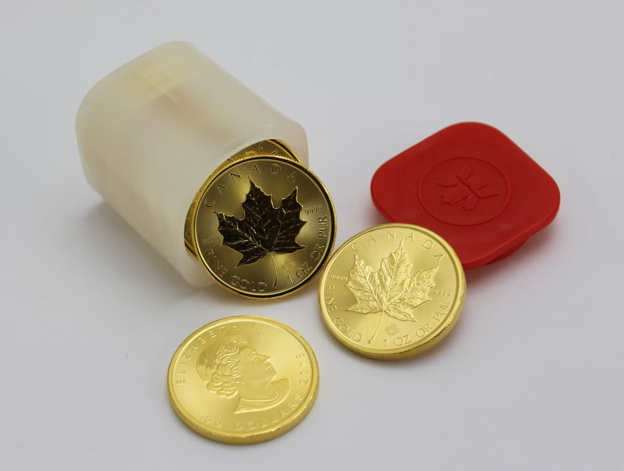
Sovereign coins make the transfer unusually easy to see. A one-ounce coin can contain the same weight and purity of metal as a generic round, yet its emblem affects recognition, pricing, and resale. The image is not simply decoration. It identifies the product line.
Why Buyers Ask for the Emblem by Name
Buyers often search for the emblem or series rather than the underlying metal. The phrase “Silver Eagles for sale” names a specific coin, not merely an ounce of silver. By comparison, generic rounds compete mainly through metal content, condition, and price because they lack the same established identity.
The pattern repeats across sovereign issues. The Canadian maple leaf, the Austrian orchestra, and the British sovereign distinguish recognized series from unbranded bullion with comparable specifications. Their images function like product names, allowing buyers and dealers to identify them quickly without studying a private logo.
That recognition creates brand equity that can pass between owners and markets without requiring the original seller to explain it again.
What a Government Mint Adds to the Mark
A familiar emblem provides emotional recall, while a government mint adds an institutional specification. Published weight, purity, denomination, and legal tender status make the design part of a defined product rather than an ornamental claim.
That distinction positions the American Eagle series as an investment-grade bullion piece backed by the U.S. Mint, the Canadian maple leaf within Canada’s sovereign series, the Austrian orchestra on an official national issue, and the British sovereign under its established minting authority. Each combines recognizable imagery with documented specifications.
A private company can place an eagle or coat of arms on a round, but it cannot create sovereign status. Dealers therefore treat official coins as recognized product lines rather than anonymous metal. Their national symbols can remain consistent for decades because the institutional promise remains legible.
Where National Symbolism Breaks Down
Borrowed meaning comes with an owner, an audience, and a border. The owner can restrict its use, the audience can reject the intended message, and recognition can disappear outside the home market. A symbol’s existing power is precisely what limits a brand’s control over it.
Protected Emblems and Official Color Rules
National imagery is not free inventory for packaging. Flags, coats of arms, and official program marks often receive statutory, intellectual property, or trademark protection. Canada’s Federal Identity Program, for instance, governs official identifiers used by federal institutions. A designer cannot treat such a mark like an editable commercial logo.
Official specifications also constrain interpretation. The national colours, red and white, and the defined proportions of the Canadian flag leave less room for experimentation than a private brand style guide. The RCMP red serge carries similarly specific associations that an approximate imitation could weaken or misrepresent.
Accordingly, a brand must distinguish general national references from protected state marks. Brand consistency does not override the rules attached to an emblem.
Rebrands and Referendums That Fell Flat
Commercial recognition does not equal public consent. New Zealand’s silver fern performs strongly as a sporting and export symbol, yet voters chose to retain the existing flag with the Union Jack. The referendum showed that commercial familiarity and legitimacy as a national emblem are separate judgments.
That distinction matters whenever a rebrand turns popular imagery into an official-looking identity. Audiences do not automatically accept a commercial symbol as a substitute for one they already recognize.
Overuse creates another problem. When a mediocre product displays a flag prominently, buyers may read the imagery as patriotic washing rather than evidence of quality. The emblem then makes the weakness more conspicuous because the product cannot support the implied standards.
An Emblem That Means Nothing Abroad
National meaning also thins across borders. The Maple Leaf Tartan and the beaver carry dense historical and cultural associations in Canada, but many overseas buyers will not decode them without explanation. Recognition at home does not guarantee useful communication in an export market.
Consequently, export packaging often favors a clear flag or country name over local folklore. The broader cue establishes origin quickly, while the unfamiliar emblem risks becoming decorative noise.
A practical decision rule follows: use the most specific symbol the intended audience already understands. If the market recognizes the flag but not the cultural reference, the flag communicates more with less explanation. Unfamiliar symbolism cannot create authenticity when buyers cannot interpret it.
Borrowed Symbols, Earned Recognition
A national symbol does not make an ordinary product good. It makes a good product easier to find and a weak one harder to disguise. The emblem gives a brand identity immediate context, but that context remains a loan against a reputation the brand did not build.
Keeping that recognition requires the product to behave as though the reputation is deserved. Its origin must be genuine, its quality must match the implied standard, and official imagery must remain within its limits.
Where product and symbol support the same promise, as they do in sovereign coinage, recognition can endure across generations. Where they conflict, familiarity becomes scrutiny, and borrowed meaning becomes a liability.
To read more content like this, explore The Brand Hopper
Subscribe to our newsletter
Go to the full page to view and submit the form.