



Medical technology is one of the most fiercely competitive industries on earth. Companies battle not just over market share, but over which technologies will define how the world’s next billion patients are treated. Medtronic — the Dublin-headquartered giant that built itself into a global medical device leader over more than seven decades — sits at the centre of this battle, and the challengers pressing against it from every angle have never been stronger, better-funded, or more innovative.
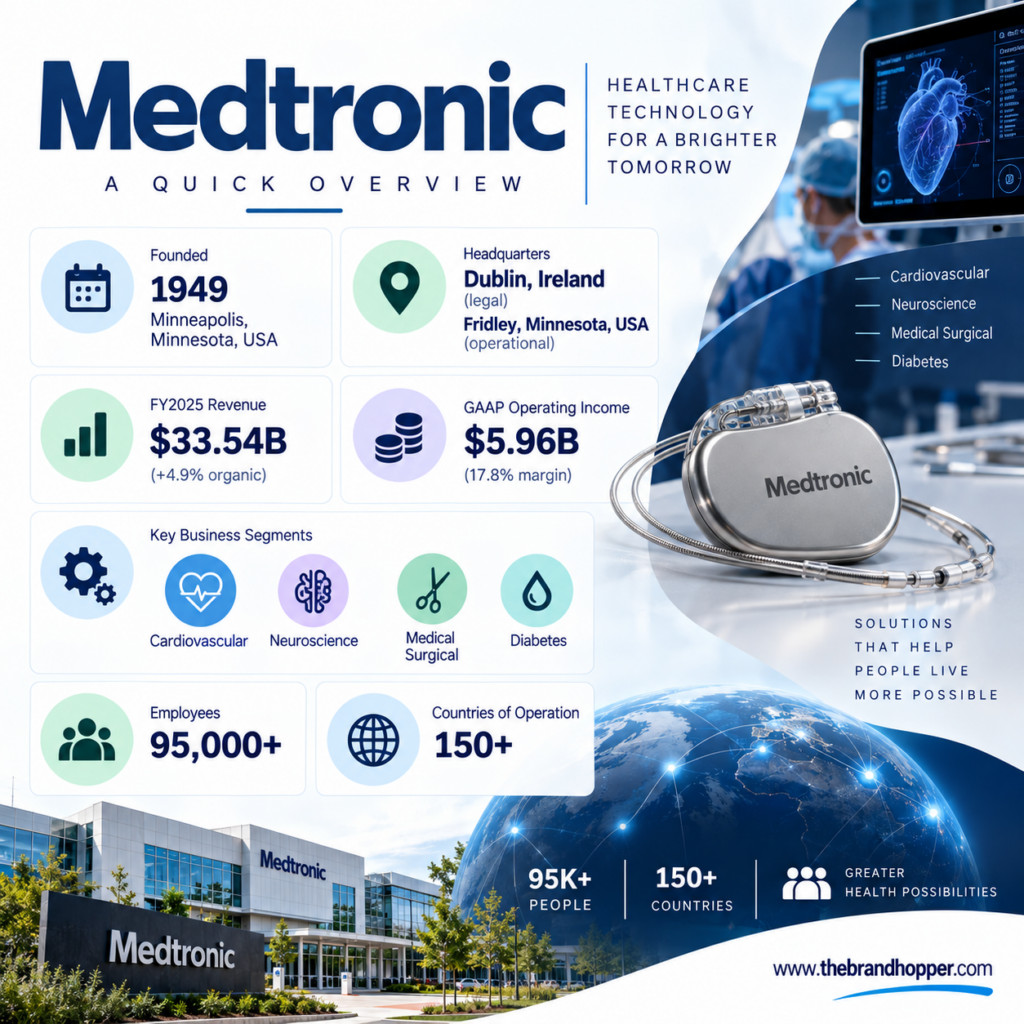
Medtronic reported worldwide revenue of $33.54 billion for its fiscal year ending April 25, 2025, growing 4.9% on an organic basis. It operates across four business segments: Cardiovascular, Neuroscience, Medical Surgical, and Diabetes. Its portfolio spans coronary stents, pacemakers, deep brain stimulation systems, spinal implants, surgical navigation, insulin pumps, and more than 10,000 other products. It holds approximately 56,000 patents and employs around 90,000 people across more than 150 countries.
Yet despite its scale, Medtronic has been growing more slowly than many of its rivals. Boston Scientific hit $20 billion in revenue in 2025 growing at 20%. Intuitive Surgical crossed $10 billion growing at 21%. Stryker crossed $25 billion growing at 11%. The global medical devices market was valued at $572 billion in 2025 and is projected to reach $795 billion by 2030. The players competing for that growth are the subject of this article.
This article profiles the most significant competitors challenging Medtronic. Each profile includes the latest verified revenue figures, the most relevant competitive overlaps with Medtronic, and the strategies and innovations setting each company apart.
Medtronic: A Quick Overview

The Medical Device Industry Landscape
The global medical devices market was valued at approximately $572 billion in 2025 and is expected to grow to $795 billion by 2030, according to KPMG research. North America accounts for the largest regional share (approximately 38%), followed by Europe and Asia-Pacific. The Asia-Pacific region is the fastest-growing, driven by expanding healthcare infrastructure in China, India, and Southeast Asia.
Several structural forces are shaping competition across the industry. First, the shift toward minimally invasive procedures is accelerating — robotics-assisted surgery, catheter-based interventions, and electrophysiology procedures are all growing faster than traditional open surgical markets. Second, artificial intelligence integration is becoming a competitive differentiator: companies embedding AI into diagnostics, imaging interpretation, surgical navigation, and post-procedure monitoring have a growing advantage in both clinical outcomes and operational efficiency. Third, the convergence of software and hardware in medical devices means that companies with stronger digital health platforms are commanding higher valuations, stickier customer relationships, and broader data assets.
Within this landscape, Medtronic faces pressure from two directions simultaneously: from scaled multinational conglomerates (Abbott, Siemens Healthineers, GE Healthcare) competing across multiple segments, and from highly focused pure-plays (Intuitive Surgical in robotics, Dexcom in glucose monitoring, Edwards Lifesciences in structural heart) that have achieved market leadership in specific categories by outinnovating the generalists.
Top Competitors of Medtronic
1. Abbott Laboratories

Website: abbott.com
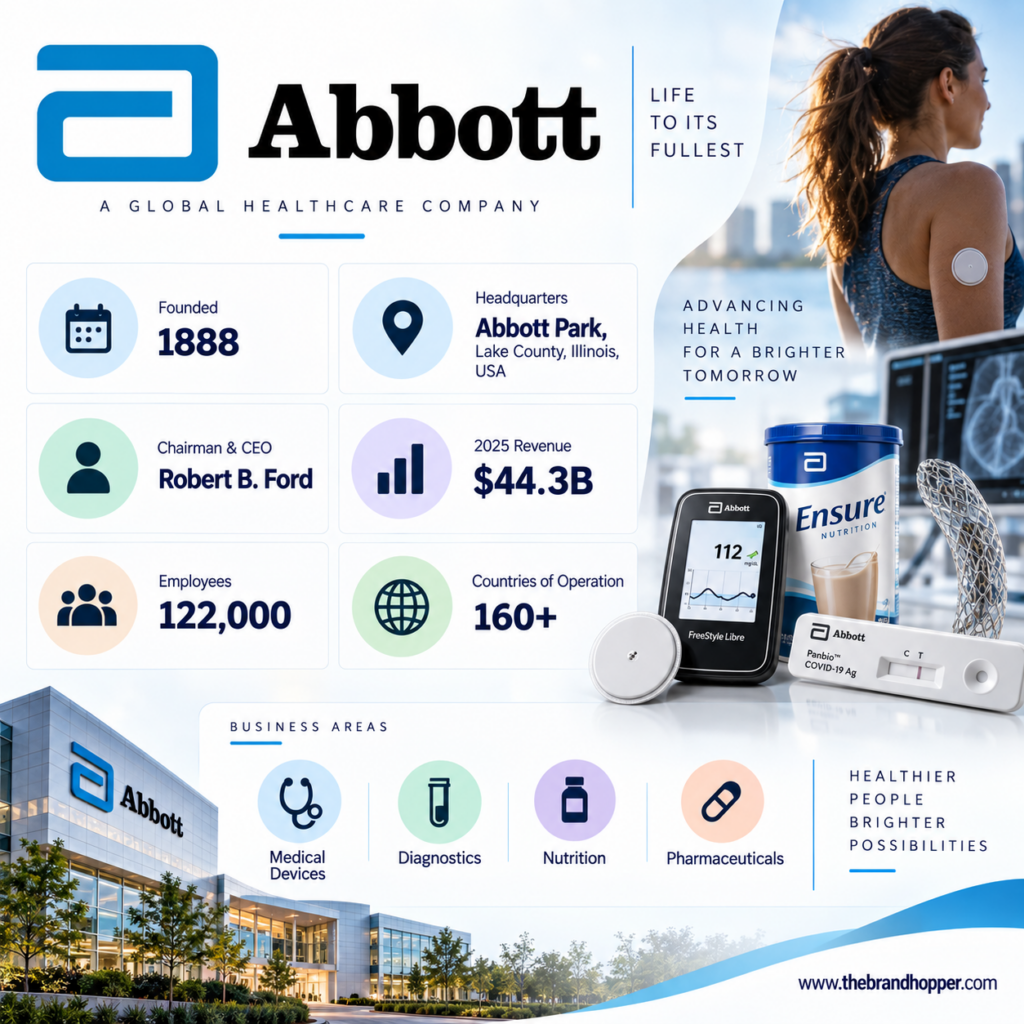
Abbott Laboratories is one of Medtronic’s most formidable across-the-board rivals, competing directly in cardiovascular devices, diabetes management, and neuromodulation. The company generated $21.39 billion in medical device revenue in 2025 — an increase of 12.65% year-over-year and a 12th consecutive quarter of double-digit device growth — making its medical device segment alone nearly as large as Medtronic’s entire cardiovascular business. Abbott’s total company revenue for 2025 reached approximately $44 billion.
In diabetes care, Abbott’s FreeStyle Libre continuous glucose monitoring (CGM) system is the world’s most-used CGM, with over 6.5 million users globally. Its Q4 2025 CGM sales grew 12.2% organically to $2.0 billion, making it the clear market leader in the segment and a direct threat to Medtronic’s Guardian Connect and simplera CGM systems. In structural heart, Abbott’s MitraClip (for mitral valve regurgitation) and Portico TAVI system compete with Medtronic’s CoreValve Evolut TAVI system in the fast-growing transcatheter valve market.
Abbott’s newest competitive thrust is in electrophysiology: its EnSite X EP System with EnSite Omnipolar Technology and the Aveir VR and Aveir DR leadless pacemakers — the first dual-chamber leadless pacemaker system commercially available — directly challenge Medtronic’s Micra AV, the current market leader in leadless cardiac pacing. The race to capture the leadless pacemaker market is one of the defining cardiovascular device battles of this decade, and both companies have made it a strategic priority.
2. Johnson & Johnson (MedTech)
Website: jnj.com
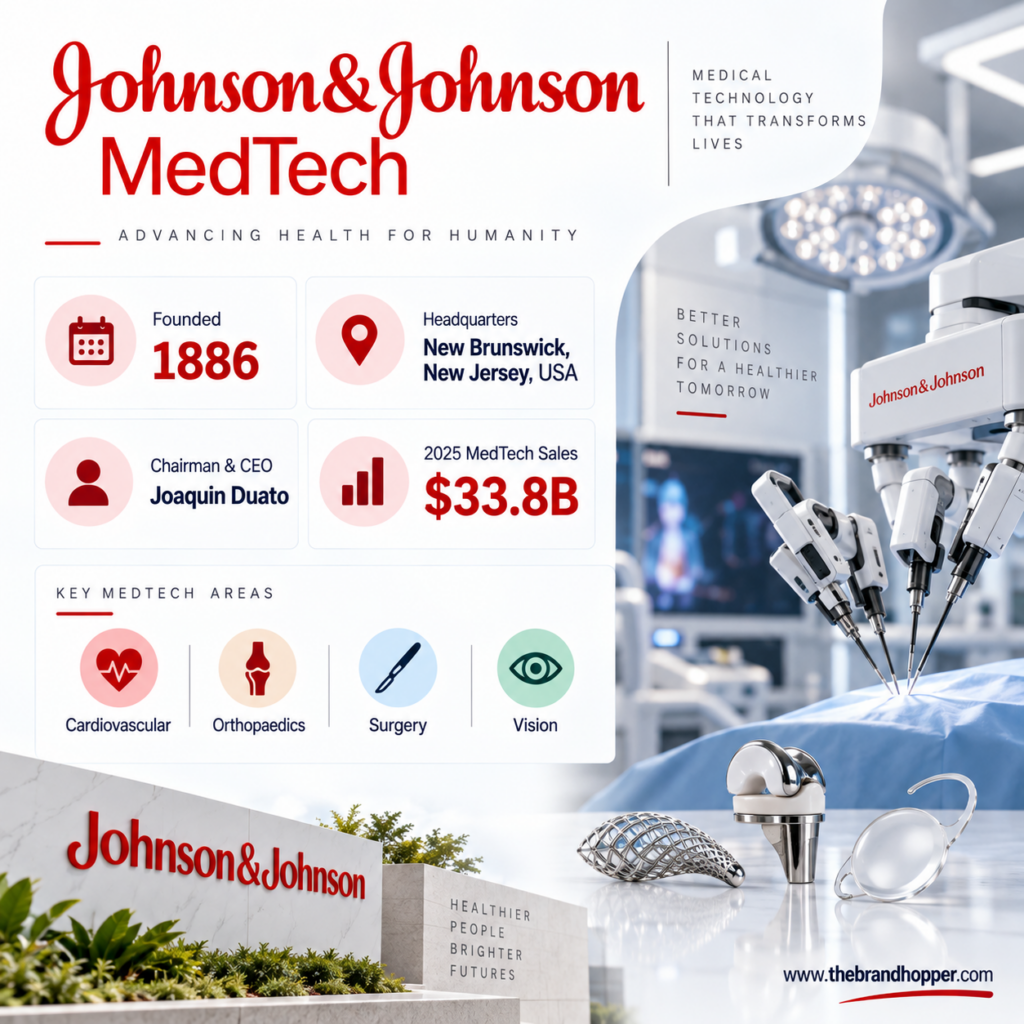
Following the spin-off of Kenvue (consumer health) in 2023 and the rebranding of its medical device division as Johnson & Johnson MedTech, J&J is now a pure healthcare company with two segments: Innovative Medicine (pharmaceutical) and MedTech. The MedTech segment generated approximately $15.29 billion in revenue in 2024, spanning surgery, orthopaedics, vision care, and interventional solutions. J&J MedTech is in active transformation — reshaping its portfolio via acquisitions, exits, and product innovation — with the goal of returning to sustained mid-single-digit organic growth.
The competitive overlap with Medtronic is extensive. In electrophysiology, J&J’s Biosense Webster Carto 3 mapping system and ThermoCool SmartTouch SF ablation catheter compete directly with Medtronic’s Affera and Aurora mapping systems in the rapidly growing cardiac arrhythmia treatment market. In spine and orthopaedics, J&J’s DePuy Synthes division — one of the largest orthopaedic businesses in the world — competes head-to-head with Medtronic’s spinal implant portfolio. In advanced surgical tools, J&J’s Ethicon unit (energy devices, staplers, and surgical instruments) competes with Medtronic’s covidien-origin surgical tools business.
J&J’s most significant near-term strategic bet is Ottava, its late-stage robotic surgery platform currently undergoing extensive human clinical trials. Ottava is designed to be a platform for flexible port robotic surgery, competing directly with both Intuitive Surgical’s da Vinci 5 and Medtronic’s Hugo robotic-assisted surgery system. Whichever company achieves scale in robotic surgery first in J&J’s target segments will hold a significant distribution and data advantage for years.
3. Boston Scientific

Website: bostonscientific.com
Boston Scientific has been one of the standout performers in the entire medical device industry over the past five years, with revenue growing from $11.0 billion in 2021 to $20.07 billion in 2025 — an increase of 82% in four years. Its 2025 revenue growth of 20.1% year-over-year is among the fastest of any large-cap medical device company, driven primarily by electrophysiology, structural heart, and endoscopy.
The single most important product in Boston Scientific’s competitive arsenal against Medtronic is the FARAPULSE Pulsed Field Ablation (PFA) system. PFA is a new energy modality for atrial fibrillation treatment that uses electrical pulses to selectively ablate cardiac tissue — offering improved safety profiles compared to traditional thermal ablation. FARAPULSE has been a commercial phenomenon since receiving FDA approval, and it positions Boston Scientific as the dominant player in the electrophysiology market precisely as that segment is growing fastest. Medtronic’s competing PFA product has lagged in market entry.
Beyond EP, Boston Scientific’s WATCHMAN FLX left atrial appendage occlusion device dominates the stroke prevention market for patients with non-valvular atrial fibrillation, competing with Medtronic’s Amulet device in an indication that is growing rapidly as catheter-based approaches replace anticoagulation therapy. In endoscopy, Boston Scientific’s Axios stenting system, Resolution 360 clip, and Spyglass DS direct visualisation system are category leaders in advanced interventional endoscopy. Source: Boston Scientific investor relations; company 2025 earnings release.
4. Siemens Healthineers
Website: siemens-healthineers.com
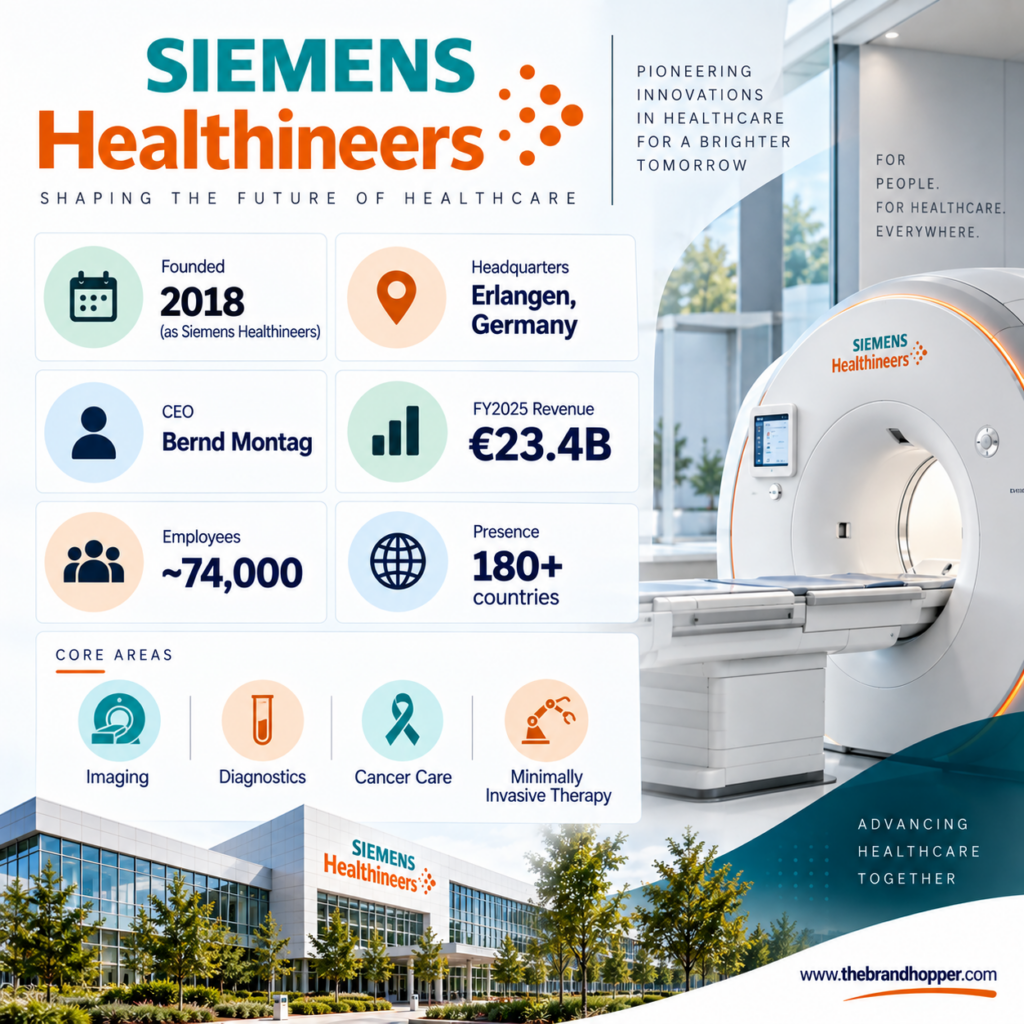
Siemens Healthineers is the world’s largest medical technology company by revenue, reporting $27.0 billion in its fiscal year 2025 (ending September 2025). The company operates in three segments: Imaging (CT, MRI, X-ray, PET), Diagnostics (laboratory solutions), and Advanced Therapies (interventional, radiation oncology). While Medtronic’s portfolio is concentrated in implantable devices and surgical tools, Siemens Healthineers competes in the diagnostic and image-guided intervention space — areas where Medtronic’s products operate downstream, meaning the two companies are as often complementary as competitive.
The most significant point of head-to-head competition is in image-guided therapies (IGT). Siemens’ Artis Icono and Artis pheno biplane angiography systems are used in the same catheterisation laboratories where Medtronic’s structural heart, cardiac rhythm, and neurovascular devices are implanted. Both companies are developing ecosystems around these procedures, and the workflow integrations, data connections, and software platforms they build into these labs influence which device brands gain or lose traction.
Siemens Healthineers’ 2021 acquisition of Varian Medical Systems for $16.4 billion also brought radiation oncology technology into its portfolio. Varian’s Ethos adaptive radiotherapy system uses AI to replicate treatment plans daily based on real-time imaging, representing a major competitive challenge in a segment Medtronic does not currently compete in but which absorbs significant hospital capital expenditure budget. The integration of AI across Siemens’ imaging platform — through its AI-Rad Companion suite and teamplay Digital Health Platform — is creating a data moat that diagnostic imaging competitors will find increasingly difficult to match. Source: Siemens Healthineers FY2025 annual report; investor relations.
5. Stryker Corporation
Website: stryker.com
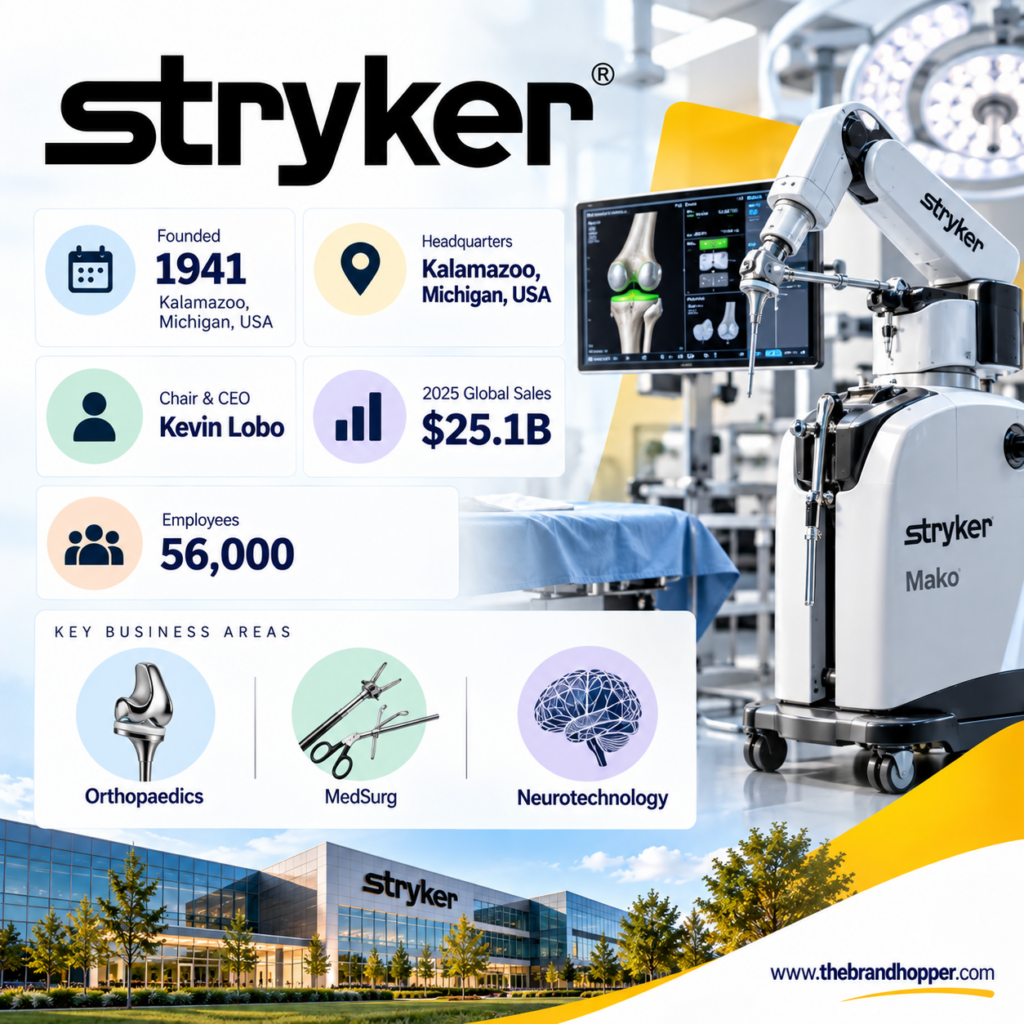
Stryker Corporation delivered $25.1 billion in revenue for 2025, up 11.2% from 2024 — one of the strongest growth rates among large-cap medical device companies. The company operates three segments: MedSurg (surgical equipment, hospital beds, endoscopes), Neurotechnology (neurovascular and ENT devices), and Orthopaedics (joint replacement, spine, trauma). Each segment is a substantial standalone business, and together they make Stryker one of the most diversified and consistently growing medical device companies in the world.
The MAKO SmartRobotics platform is Stryker’s sharpest competitive weapon against Medtronic. MAKO is a robotic arm-assisted surgery system for knee, hip, and spine procedures that uses patient-specific planning and real-time haptic guidance to improve implant positioning precision. MAKO is now the most widely installed orthopaedic robotic platform in the United States, with over 1,500 systems placed and growing placement volumes outpacing all rivals. Medtronic’s Mazor X Stealth robot (for spine) competes in a narrower segment, while J&J’s Velys and Zimmer Biomet’s ROSA compete more directly with MAKO in joint reconstruction. Stryker’s installed base advantage in robotics creates a durable competitive moat as hospitals increasingly commit their capital budgets to a single robotics ecosystem.
Stryker’s neurovascular division — which includes thrombectomy devices (Target Tetra coils, Embotrap III), aneurysm treatment products, and haemorrhagic stroke solutions — competes directly with Medtronic’s Neurovascular business and Penumbra Inc. As mechanical thrombectomy for ischaemic stroke expands globally (driven by robust clinical evidence and improving access), the neurovascular segment is among the fastest-growing in medical devices, and Stryker is well-positioned to capture that growth. Source: Stryker 2025 annual results press release (January 2026); Stryker investor relations.
6. Philips Healthcare
Website: usa.philips.com/healthcare
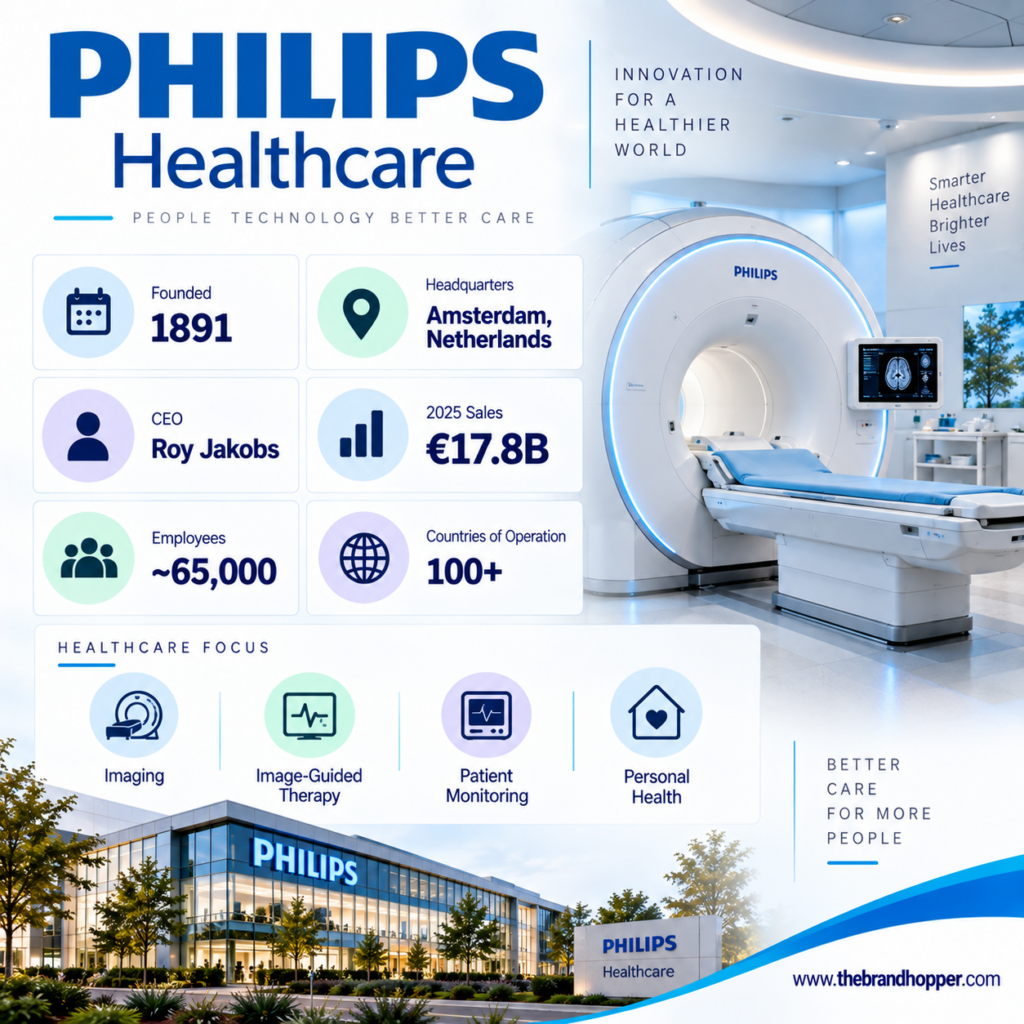
Royal Philips has refocused its entire business on health technology following the sale of its consumer electronics and lighting divisions, and today operates as a health technology company with revenue of approximately $20.6 billion. Its healthcare business spans three segments: Diagnosis & Treatment (imaging systems, ultrasound, image-guided therapy), Connected Care (patient monitoring, hospital command centres, telehealth), and Personal Health. After years of operational disruption and significant reputational damage from the 2021 DreamStation CPAP and BiPAP device recall — one of the largest medical device recalls in history, covering approximately 5.5 million devices and resulting in more than $1 billion in recall-related charges — Philips is actively rebuilding its respiratory care portfolio and restoring customer trust.
In patient monitoring, Philips’ IntelliVue patient monitors and HealthSuite Digital Platform compete directly with Medtronic’s Nellcor pulse oximetry, Covidien monitoring products, and patient data integration software. Philips’ Tele-ICU solutions — enabling remote intensivists to monitor dozens of ICU patients simultaneously — represent a software-led competitive model that Medtronic has not replicated at scale. In diagnostic imaging and ultrasound, Philips competes with Siemens Healthineers, GE Healthcare, and Canon Medical for hospital capital expenditure, and its AI-powered imaging software is increasingly embedded in clinical workflows.
Philips’ most significant competitive advantage relative to Medtronic is its position in connected care infrastructure. While Medtronic excels at standalone devices, Philips is building platform-level data connections across the patient care pathway — from imaging to monitoring to home care — that create integrated workflows which are difficult to displace. Hospitals that deeply integrate Philips’ command centre and monitoring ecosystem are less likely to switch to competing products from any individual device company. Source: Philips investor relations; Philips annual report 2025.
7. GE Healthcare
Website: gehealthcare.com
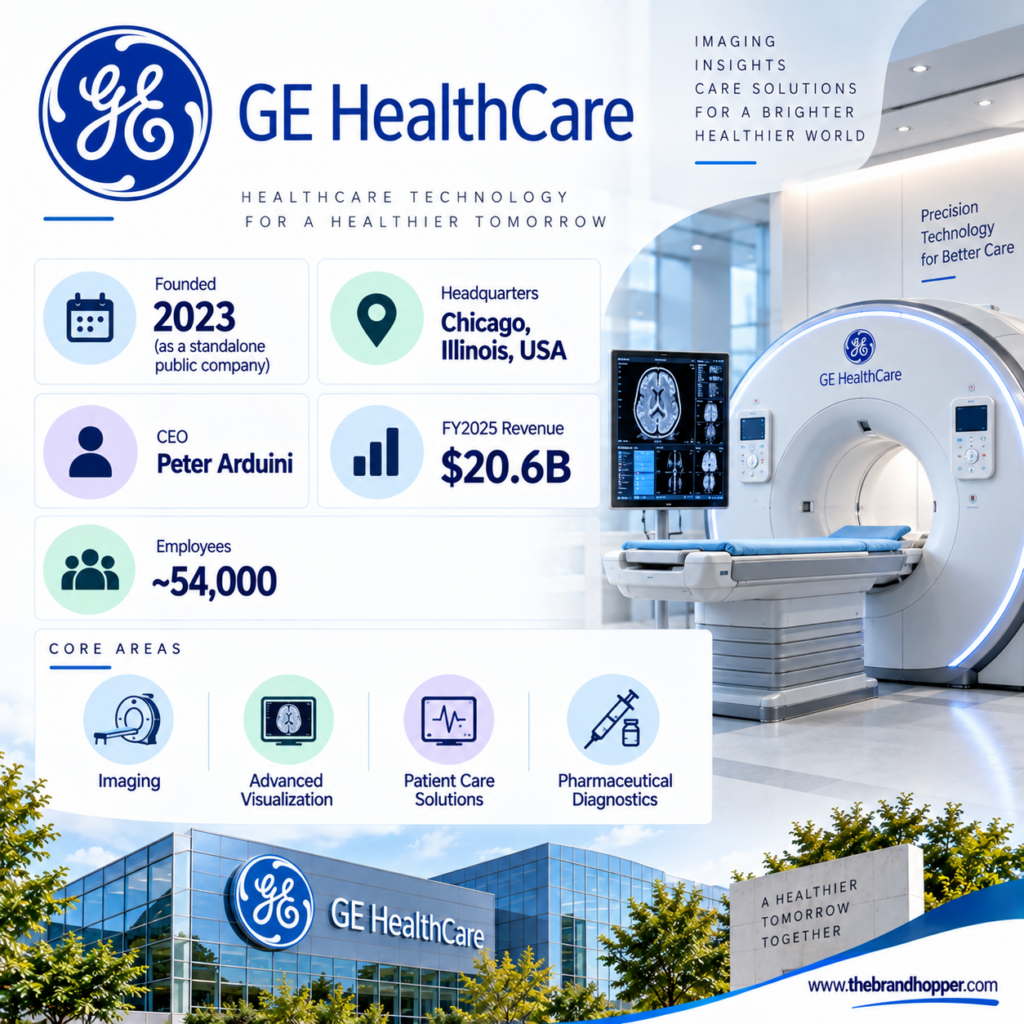
GE Healthcare Technologies (NYSE: GEHC) became an independent publicly listed company in January 2023 following its spin-off from General Electric, and has since established itself as a pure-play healthcare technology company. GE Healthcare reported total revenue of $20.63 billion for the full year 2025, up 4.8% from $19.67 billion in 2024. The company operates four segments: Imaging (CT, MRI, X-ray, molecular imaging), Ultrasound, Patient Care Solutions (monitoring, anaesthesia delivery, maternal infant care), and Pharmaceutical Diagnostics (contrast agents, radio-pharmaceuticals).
GE Healthcare competes with Medtronic most directly in patient monitoring. Its CARESCAPE patient monitoring systems — used in ICUs, surgical theatres, and step-down units — compete with Medtronic’s Guardian patient monitoring portfolio. GE Healthcare’s anaesthesia delivery systems, including the CARESTATION series, compete with Medtronic’s Puritan Bennett ventilators in the anaesthesia and critical care space. Beyond monitoring, GE Healthcare’s ultrasound business (Venue, Voluson, Vivid series) covers cardiology, women’s health, and point-of-care ultrasound applications that intersect with several Medtronic procedural markets.
What makes GE Healthcare a structural threat to device companies like Medtronic is its Edison AI platform. Edison is an intelligence offering that converts imaging data into clinical insights and enables AI-powered applications — from automated measurements in echocardiography to intelligent organ segmentation in CT — to be deployed at scale across GE’s installed base of over 4 million imaging systems worldwide. As AI-guided diagnostics and procedure planning increasingly influence which devices are implanted and how outcomes are measured, the company controlling the upstream diagnostic data has a growing advantage. Source: GE Healthcare FY2025 earnings release; GE Healthcare investor relations.
8. Becton, Dickinson and Company (BD)
Website: bd.com
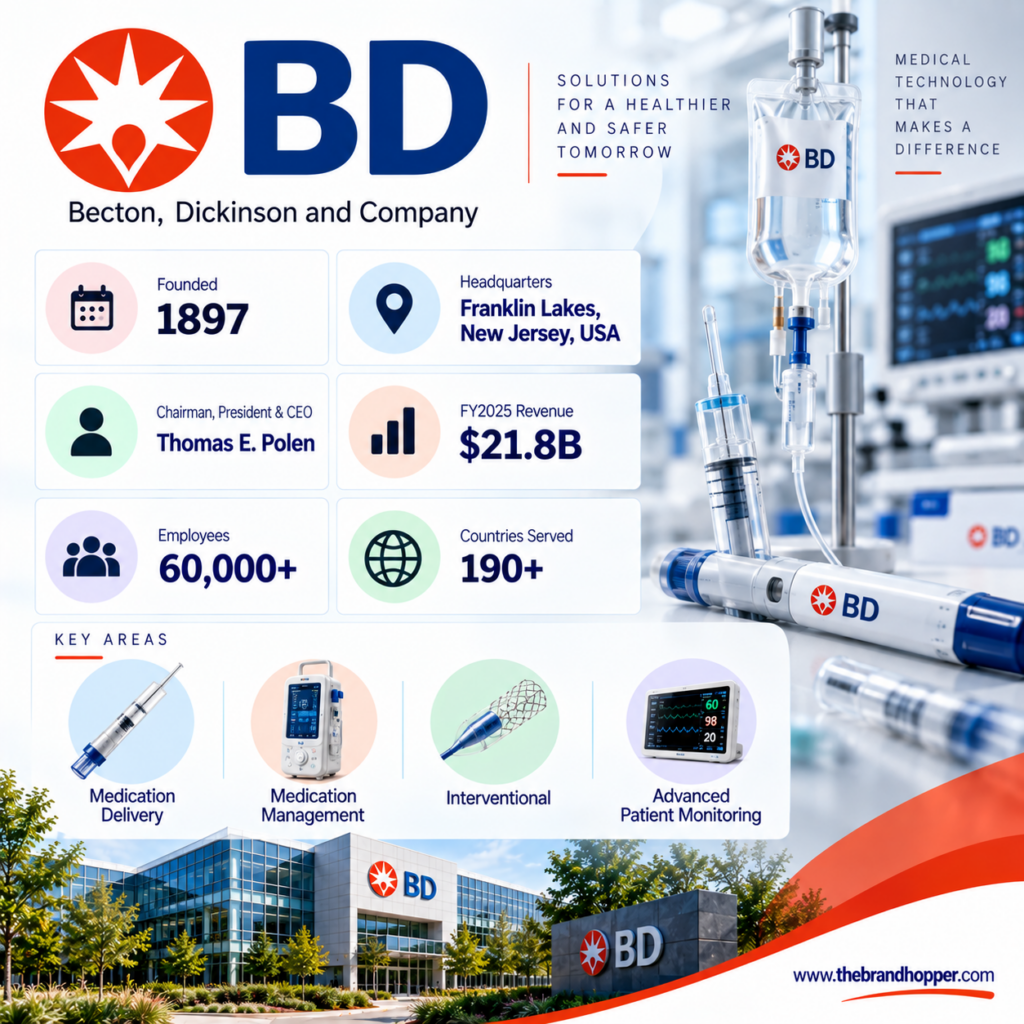
Becton, Dickinson and Company reported revenue of $21.84 billion for its fiscal year 2025 (ending September 2025), up 8.2% from $20.2 billion in FY2024. BD is in the process of a significant portfolio transformation: in 2024 it acquired Edwards Lifesciences’ Critical Care division for $4.2 billion, deepening its hemodynamic monitoring capabilities, and has announced plans to spin off its Biosciences and Diagnostic Solutions segment as a separate public company. The resulting BD will be a more focused medical devices and medication delivery company, increasing the competitive overlap with Medtronic.
BD competes with Medtronic primarily in medication delivery and infusion therapy. Its BD Alaris infusion pump system — one of the most widely installed infusion pumps in US hospitals — competes with Medtronic’s Syncromed drug delivery systems and the broader infusion technology market. In diabetes care, BD’s insulin syringes, pen needles, and related accessories address the same patient population that uses Medtronic’s MiniMed insulin pump systems, though through a lower-technology injection approach rather than pump-based delivery. BD also provides surgical tools and specimen management products that intersect with Medtronic’s surgical business.
Following the acquisition of Edwards’ Critical Care division (whose ClearSight, EV1000, and HemoSphere hemodynamic monitoring platforms are now part of BD), BD has expanded into sophisticated ICU monitoring — the same territory covered by Medtronic’s patient monitoring and Nellcor pulse oximetry products. This acquisition effectively creates a stronger combined competitor to Medtronic’s patient monitoring business, as BD now combines infusion therapy with real-time hemodynamic assessment across the same acute care setting. Source: BD FY2025 earnings release; BD investor relations.
9. Edwards Lifesciences

Website: edwards.com
Edwards Lifesciences is the most focused pure-play competitor in Medtronic’s cardiovascular portfolio, concentrating almost entirely on structural heart disease and critical care monitoring. After completing the sale of its Critical Care division to BD for $4.2 billion in 2024, Edwards is now exclusively focused on transcatheter aortic valve replacement (TAVR), transcatheter mitral and tricuspid therapies (TMTT), and surgical heart valves — making it Medtronic’s single most direct competitor in the structural heart space.
Edwards reported net sales of $6.07 billion for 2025, up 11.5% from $5.45 billion in 2024, with TAVR delivering double-digit constant-currency growth and TMTT — the emerging market for catheter-based repair and replacement of the mitral and tricuspid valves — growing significantly faster. Its SAPIEN 3 Ultra RESILIA and SAPIEN 3 Ultra valves are the leading TAVR platforms globally, competing directly with Medtronic’s CoreValve Evolut R and Evolut FX systems for the aortic valve replacement indication. Clinical trial data, device performance, and physician adoption are the key competitive battlegrounds in TAVR, and both companies invest heavily in long-term outcomes studies to differentiate their platforms.
The TMTT market — estimated at up to 4 million patients eligible annually in the US alone — is the frontier where the structural heart competition will be decided over the next decade. Edwards’ PASCAL Precision transcatheter valve repair system competes with Abbott’s MitraClip in mitral regurgitation. On the tricuspid side, Edwards’ EVOQUE transcatheter tricuspid valve replacement system has received FDA approval, while Medtronic’s Intrepid TMVR continues clinical development. Whoever achieves broader indication approvals and physician adoption in TMTT first will capture a significant long-term market leadership position. Source: Edwards Lifesciences Q4 and full year 2025 earnings release; Edwards investor relations.
10. Zimmer Biomet
Website: zimmerbiomet.com
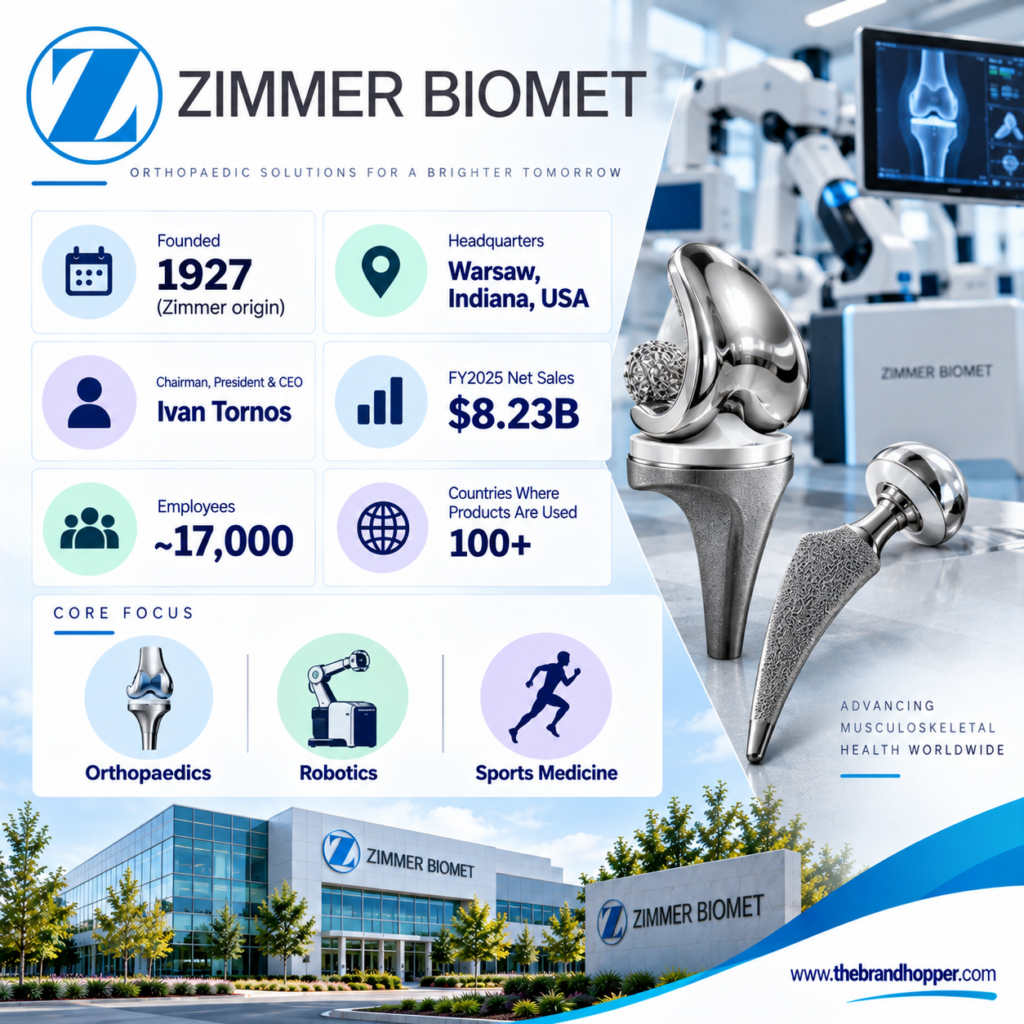
Zimmer Biomet is a global leader in musculoskeletal healthcare, reporting full-year 2025 revenue of $8.23 billion, up 7.2% from 2024 on a reported basis and 3.9% on an organic constant-currency basis. The company’s product portfolio spans hip reconstruction, knee reconstruction, extremities and trauma, spine, and dental implants, with the majority of revenue generated by joint replacement implants. Zimmer Biomet competes with Medtronic most directly in spine — where Medtronic holds the leading global market position — and in surgical robotics, where both companies are investing in robotic platforms that guide implant positioning.
The ROSA Robotics platform is Zimmer Biomet’s primary differentiation in the robotics era. ROSA Knee, ROSA Hip, and ROSA Spine are separate robotic applications operating on the same base system, allowing hospitals to purchase a single robotic infrastructure and deploy it across procedure types. This multi-application approach distinguishes ROSA from Stryker’s MAKO (primarily knee and hip) and positions it as a more capital-efficient choice for lower-volume orthopaedic programmes. Zimmer Biomet has accelerated ROSA placements significantly, though it still trails Stryker’s MAKO in total installed systems.
The mymobility platform — a digital care management app using data from the Apple Watch to monitor patient recovery after joint replacement — represents Zimmer Biomet’s bet on extending the competitive dimension beyond the operating room into pre-operative preparation and post-operative rehabilitation. By connecting surgeons with real-time patient activity and recovery data, mymobility creates a data feedback loop that could inform implant design improvements and surgeon technique optimisation. Medtronic has no equivalent digital rehabilitation platform in its joint replacement portfolio. Source: Zimmer Biomet full-year 2025 earnings release; Zimmer Biomet investor relations.
11. Intuitive Surgical
Website: intuitive.com/
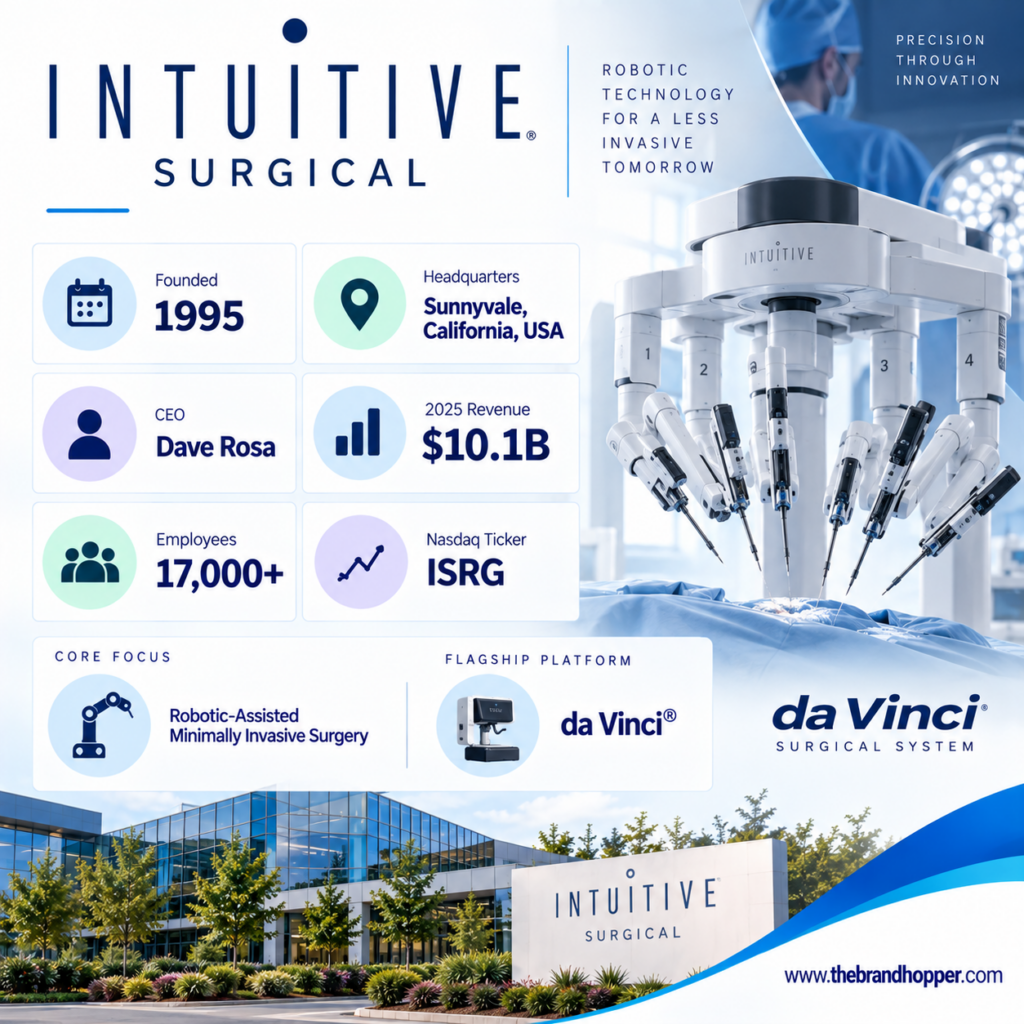
Intuitive Surgical is the company that most clearly illustrates the competitive risk that focused innovation poses to Medtronic’s broader portfolio. Founded in 1995 and launched to commercial scale in the early 2000s, Intuitive built the da Vinci surgical robot into the defining platform for minimally invasive abdominal and thoracic surgery — a market Medtronic had attempted to enter through its own robotic initiatives and the development of its Hugo robotic-assisted surgery system. Intuitive reported preliminary 2025 revenue of approximately $10.06 billion, up 21% from $8.35 billion in 2024. Approximately 3.15 million da Vinci procedures were performed in 2025, up 18% year-over-year.
Intuitive’s competitive moat is deep and multi-layered. Its installed base of over 9,500 da Vinci systems worldwide creates a training, data, and recurring revenue flywheel that is extremely difficult to dislodge. The da Vinci 5, launched in 2024, adds force feedback technology (the first in robotic surgery), an integrated computing platform, and advanced energy and stapling tools. Each system generates recurring revenue from instruments (~$600–$900 per procedure), accessories, and service contracts that provide high-margin annuity revenue streams. Medtronic’s Hugo has been commercially launched in select markets but has gained limited traction compared to da Vinci’s scale advantage.
Intuitive also operates the Ion endoluminal robotic platform for minimally invasive peripheral lung biopsy — a different clinical indication but the same strategic logic: robotics-assisted, catheter-based, minimally invasive, with proprietary instruments. The Ion platform creates a new competitive frontier in pulmonology that sits adjacent to Medtronic’s lung navigation and lung biopsy tools. As robotic surgery extends from its current applications (prostatectomy, hysterectomy, colorectal surgery, cholecystectomy) into cardiac, spine, and otolaryngology, Intuitive and Medtronic will compete across a growing number of shared procedural markets. Source: Intuitive Surgical preliminary 2025 results (January 2026); Intuitive Surgical investor relations.
12. Baxter International
Website: baxter.com
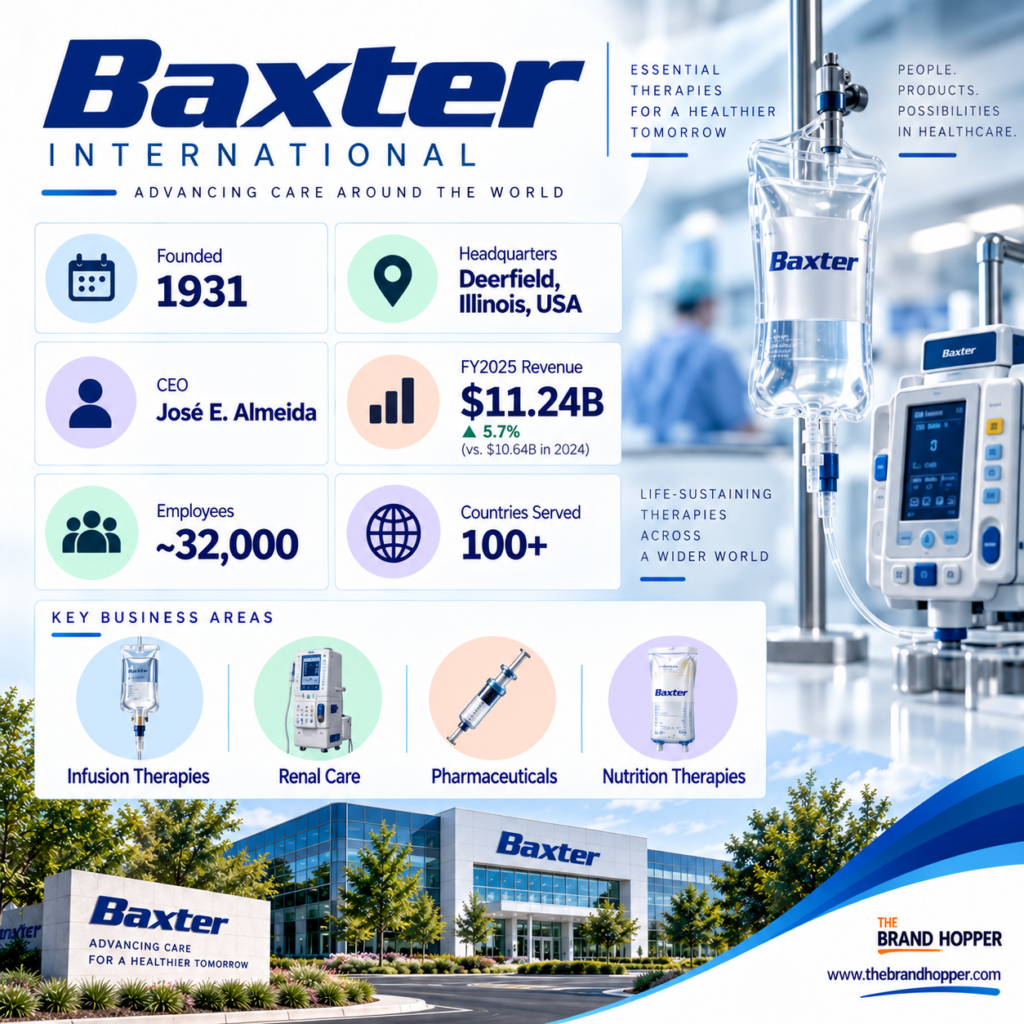
Baxter International reported revenue of $11.24 billion for 2025, up 5.7% from $10.64 billion in 2024. Following the spin-off of its kidney care division as an independent company named Vantive Health (completed in July 2024), Baxter is now a more focused medical products company operating across three segments: Medical Products & Therapies (infusion sets, IV solutions, nutrition), Healthcare Systems & Technologies (hospital infusion pumps, surgical tools, nutrition), and Pharmaceuticals (injectables, anaesthesia).
Baxter competes with Medtronic in two principal areas. In hospital infusion therapy, its Novum IQ infusion pump — developed to replace the BD Alaris as the leading smart infusion platform in US hospitals — and its comprehensive portfolio of IV solutions, parenteral nutrition, and anaesthetic agents compete with Medtronic’s intraoperative drug delivery and fluid management tools. In advanced surgical tools (inherited from the Hillrom and Cheetah Medical acquisitions), Baxter’s Progressa and Centrella smart beds, pressure injury prevention technologies, and patient handling systems intersect with Medtronic’s acute care equipment portfolio.
The strategic logic driving Baxter’s restructuring is to become a higher-margin, more focused acute care technology company — a positioning that overlaps meaningfully with Medtronic’s medical surgical segment. As both companies focus increasingly on the acute hospital environment (ICU, OR, and step-down units), their product lines will compete more directly for the same hospital budget lines and GPO contract relationships.
13. Smith+Nephew
Website: smith-nephew.com
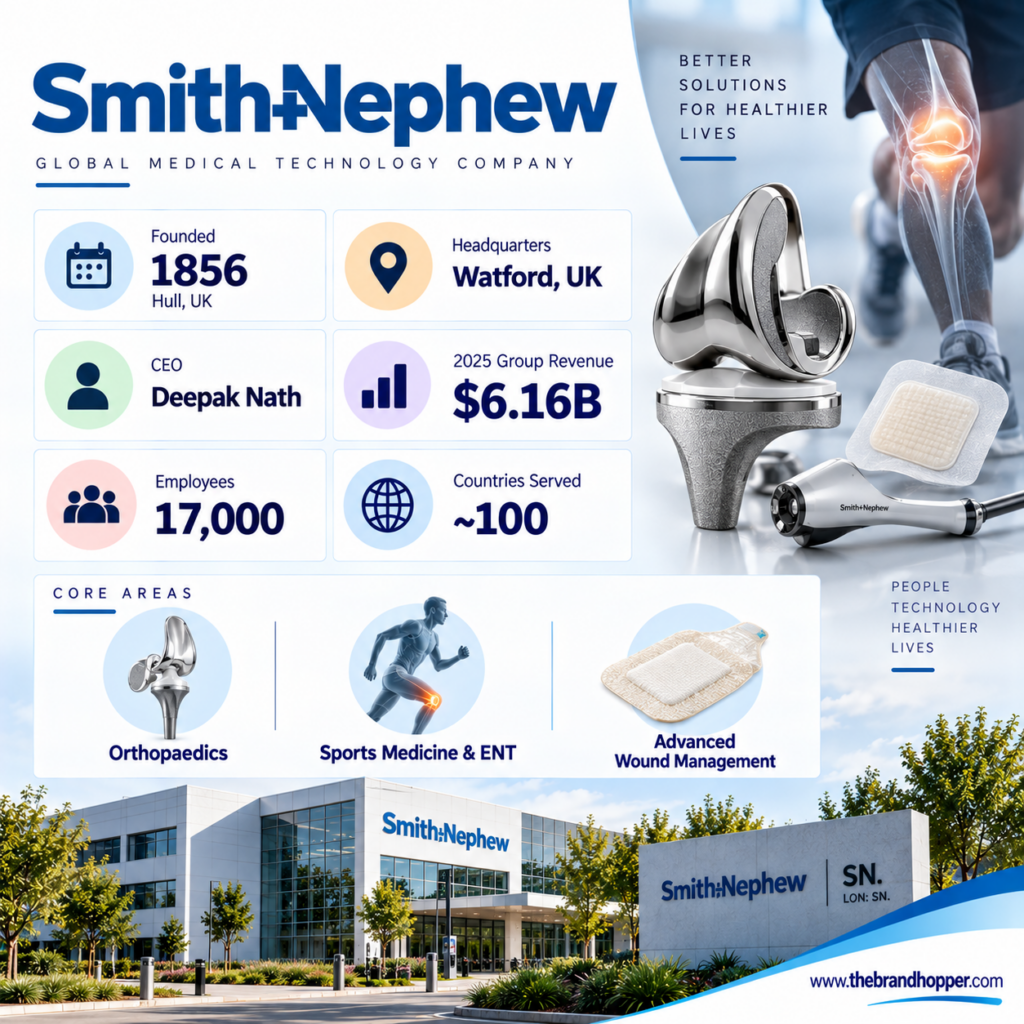
Smith+Nephew (LON: SN.) is a UK-based global medical technology company that reported $6.16 billion in group revenue for 2025, up 6.1% from $5.81 billion in 2024. It operates in three divisions: Orthopaedics (joint replacement, trauma), Sports Medicine & ENT (soft tissue repair, ear, nose, and throat surgery), and Advanced Wound Management (wound care dressings, bioactive therapies, negative pressure wound therapy). Its portfolio covers surgeries and wound care across more than 100 countries.
Smith+Nephew competes with Medtronic in orthopaedic surgery and spine. Its CORI surgical system — Smith+Nephew’s robotic-assisted surgery platform for knee replacement — competes with Stryker’s MAKO, Zimmer Biomet’s ROSA, and Medtronic’s Mazor X Stealth spine robot. In trauma and extremities, Smith+Nephew’s TRIGEN nail system and ANTHEM nail system compete with Medtronic’s trauma implant portfolio. In wound management, its PICO negative pressure wound therapy system is among the most widely used portable wound care devices globally, addressing a segment Medtronic exited.
Smith+Nephew’s most ambitious recent strategic initiative is in its Sports Medicine division, where procedures for cartilage repair, ACL reconstruction, rotator cuff repair, and hip arthroscopy are growing strongly as younger and more active patients seek earlier intervention. Its JOURNEY II knee system and LEGION revision system demonstrate the continued investment in premium orthopaedic implant technology that will keep Smith+Nephew competitive against Medtronic’s orthopaedic portfolio.
14. Dexcom
Website: dexcom.com
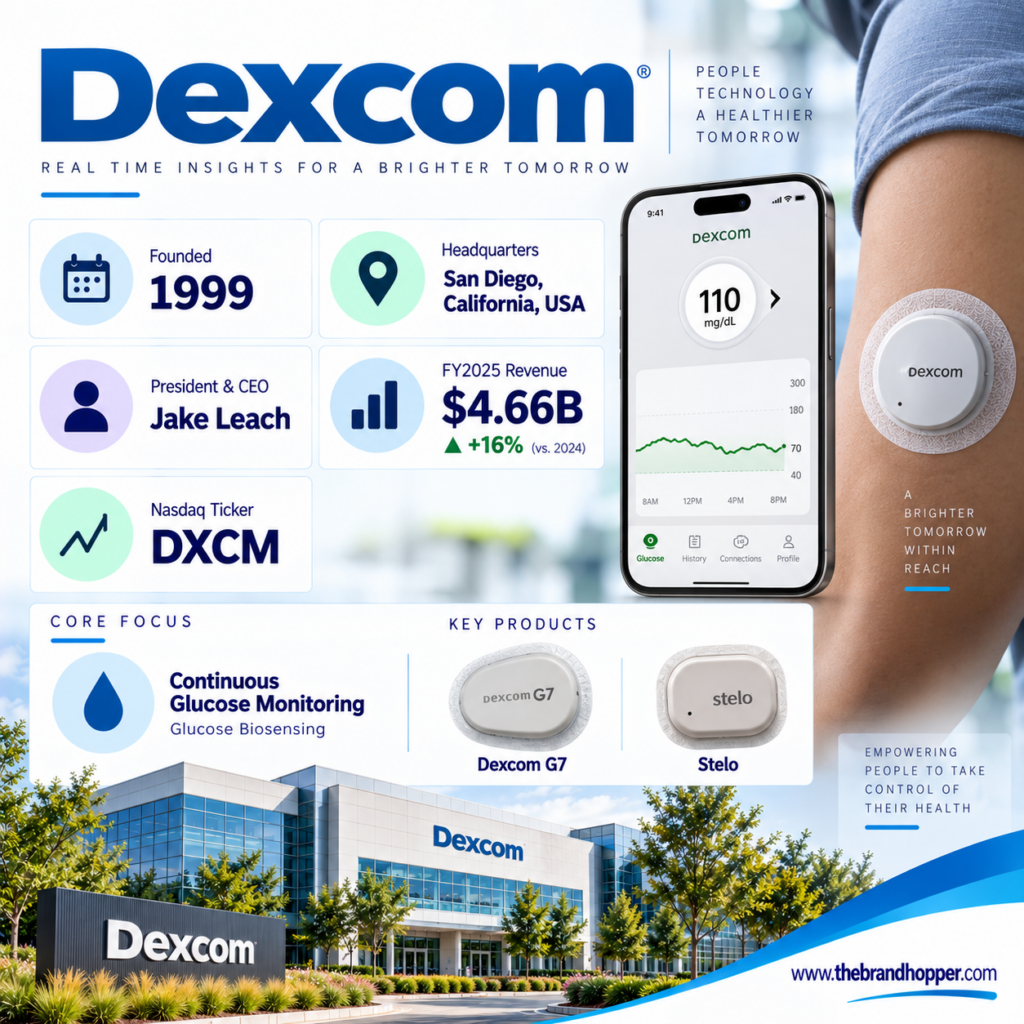
Dexcom (NASDAQ: DXCM) is Medtronic’s most direct competitor in continuous glucose monitoring, a segment that is one of the highest-growth areas in all of medical devices. Dexcom reported full-year 2025 revenue of $4.66 billion, up 16% from $4.03 billion in 2024, growing at a rate that far exceeds the broader medical device industry average. The company’s G7 CGM system — featuring a 10-day wear sensor, a 30-minute warmup period, and real-time glucose readings delivered to smartphones — is the leading CGM among insulin-using type 1 diabetes patients in the United States and several international markets.
Dexcom’s Stelo sensor, cleared by the FDA for over-the-counter purchase without a prescription, targets the much larger population of non-insulin-using type 2 diabetes patients and health-conscious individuals interested in metabolic monitoring. This consumer CGM segment is an addressable market many times larger than the traditional prescription CGM market, and Stelo’s OTC positioning gives Dexcom a distribution pathway through retail pharmacies and direct-to-consumer channels that Medtronic’s CGM products do not currently use.
Medtronic’s Guardian Connect and Simplera CGM systems compete in the same clinical CGM market but have consistently trailed Abbott’s FreeStyle Libre and Dexcom’s G7 in accuracy, user experience, and market share. Medtronic’s competitive advantage in diabetes is its MiniMed insulin pump ecosystem — particularly the MiniMed 780G advanced hybrid closed-loop system, which integrates with CGM to automate insulin delivery — which requires tight integration with its own CGM. But as Dexcom’s sensors become compatible with a broader range of insulin delivery systems through open integration agreements, the barriers to switching away from Medtronic’s pump-CGM ecosystem are declining.
15. Hologic

Website: hologic.com
Hologic (NASDAQ: HOLX) is a medical technology company focused exclusively on women’s health, with a portfolio spanning breast health and imaging, surgical solutions, diagnostics, and skeletal health. Its fiscal year 2025 (ending September 2025) revenue was approximately $3.9 billion. Hologic competes with Medtronic in minimally invasive gynaecological surgery — a segment Medtronic participates in through its Minimally Invasive Therapies business.
Hologic’s MyoSure hysteroscopic tissue removal system and NovaSure endometrial ablation system are among the most widely used minimally invasive treatments for abnormal uterine bleeding and uterine fibroids. The MyoSure system has become the market standard in hysteroscopic myomectomy, directly competing with Medtronic’s Olympus-inherited gynaecological devices. In breast health, Hologic’s Genius AI detection system — which uses deep learning algorithms to analyse 3D mammography images and flag potential malignancies — is the most widely deployed AI imaging decision support tool in screening mammography in the United States.
Hologic’s strategic focus on women’s health gives it a brand and research focus that Medtronic, as a diversified device company, cannot match in gynaecological surgery or breast health. As women’s health becomes a more prominent area for healthcare investment and hospital programme development, Hologic’s category focus is a durable competitive advantage that prevents Medtronic from easily challenging its leadership positions in these indications.
16. Terumo Corporation
Website: terumo.com
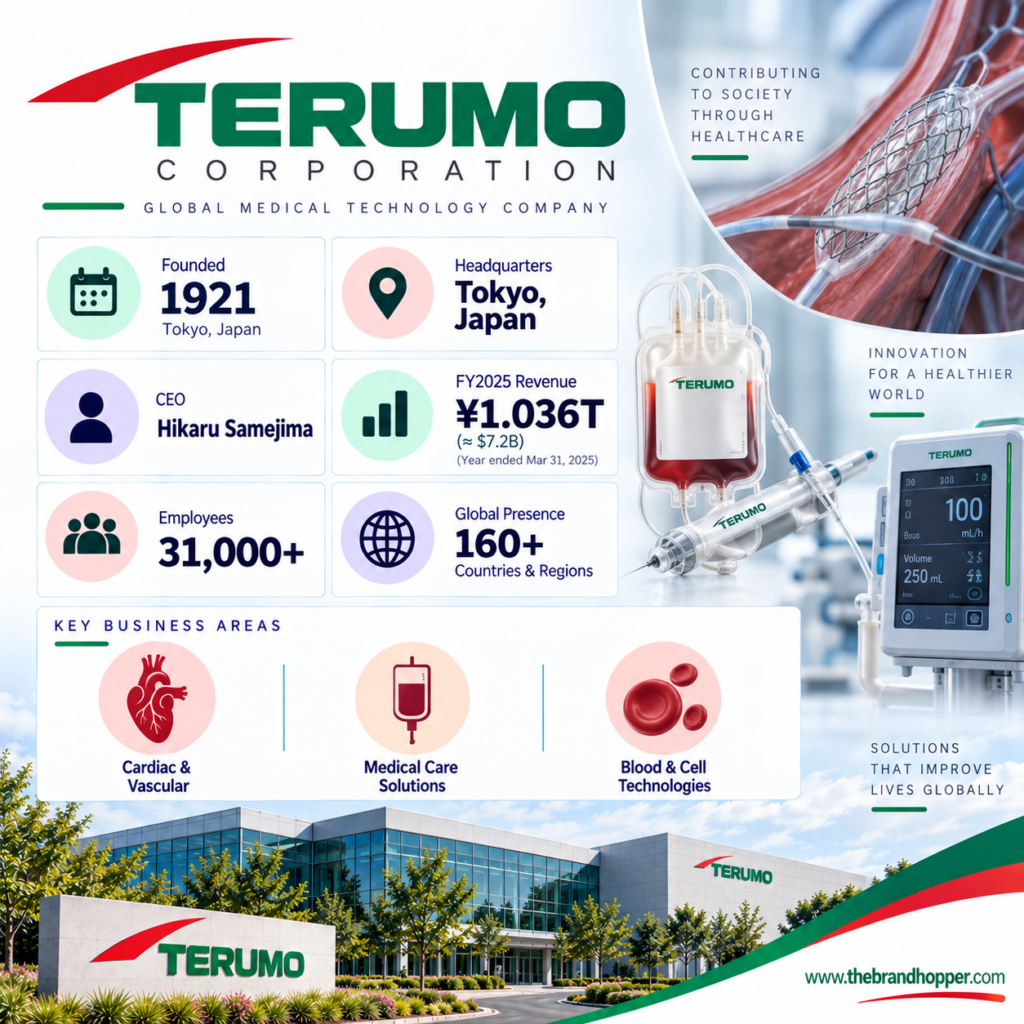
Terumo Corporation is a major Japan-based global medical technology company with a portfolio spanning blood and cell technologies, cardiovascular devices, and interventional systems. Its fiscal year 2025 (ending March 2025) revenue was approximately 1.11 trillion yen (approximately $7.2 billion at prevailing exchange rates), up from approximately 1.07 trillion yen in the prior year. Terumo has built global market leadership in blood bag systems, blood cell separation, and vascular graft technologies, while expanding aggressively in cardiovascular and neurovascular intervention.
Terumo competes with Medtronic primarily in interventional cardiovascular and neurovascular devices. Its Radial Force guide wires, Glidewire hydrophilic guide wires, and Glidesheath Slender introducer sheath products are catheterisation laboratory standards used alongside Medtronic’s structural heart and coronary intervention devices. In peripheral vascular disease, Terumo’s AngioSculpt scoring balloon competes with Medtronic’s peripheral balloon and stent technologies for the treatment of peripheral arterial disease.
Terumo’s neurovascular business — operating under the Microvention brand acquired in 2006 — competes directly with Medtronic’s Neurovascular division in aneurysm embolisation, stroke treatment, and arteriovenous malformation management. Microvention’s FRED flow diverter, Woven EndoBridge (WEB) aneurysm embolisation device, and SOFIA Plus aspiration catheters are significant competitive products in the interventional neuroradiology space where Medtronic’s Solitaire X stent retriever and Pipeline embolisation device currently hold strong positions. Source: Terumo investor relations; Terumo annual report FY2025.
Key Industry Trends Shaping the Competitive Landscape
1. Robotics and Surgical Automation
Robotic-assisted surgery has moved from a premium niche to a mainstream expectation in high-volume orthopaedic, urological, gynaecological, and general surgery centres. Intuitive Surgical’s da Vinci dominates soft tissue robotic surgery; Stryker’s MAKO leads in orthopaedic robotics; Medtronic’s Hugo is a late entrant trying to establish a position. The next five years will see robotic platforms expand into cardiac surgery, spine surgery, and ophthalmic surgery — territories where several competitors are in development simultaneously.
2. Artificial Intelligence in Diagnostics and Treatment
AI is being embedded across every stage of the medical device value chain: pre-operative planning, real-time procedure guidance, post-operative monitoring, and outcomes analysis. Companies that combine AI capability with large proprietary datasets — Siemens Healthineers (imaging AI), GE Healthcare (Edison), Intuitive Surgical (surgical video analytics), and Medtronic (cardiac electrogram data from its massive implanted device base) — have structural advantages that will compound over time as AI models improve with more data.
3. Convergence of Devices and Software
The distinction between a medical device company and a software company is dissolving. Device companies are increasingly valued on the software platforms, remote monitoring capabilities, and data connectivity they can provide alongside their hardware. Medtronic’s Cardiac Rhythm Management portfolio generates real-time data from millions of implanted pacemakers and defibrillators, giving it an unparalleled cardiac electrophysiology dataset. How it monetises this data asset while managing patient privacy and regulatory requirements will be a defining strategic question.
4. Structural Heart and Minimally Invasive Cardiovascular
Transcatheter heart valve procedures (TAVR, TMVR, TTVR) are growing at double-digit rates as an ageing global population drives demand, and the patient eligibility criteria for these procedures have expanded significantly with successive clinical trial results. Edwards Lifesciences, Medtronic, Abbott, and Boston Scientific are all investing heavily in this space. The company that achieves the broadest valve indication approvals and strongest long-term durability data will be rewarded with decades of market leadership in a high-growth, high-margin market.
5. Diabetes Technology: Closed-Loop Systems and Wearable Sensors
The diabetes management technology market is bifurcating: highly automated closed-loop insulin delivery systems (combining CGM with algorithmic insulin dosing) at one end, and affordable wearable CGM sensors for the broad population of non-insulin-using type 2 patients at the other. Medtronic, Abbott, and Dexcom are competing on both dimensions. The long-term winner in diabetes technology will be the company that achieves the best clinical outcomes at the best cost — and increasingly, the best software ecosystem connecting device data to the broader healthcare system.
Frequently Asked Questions (FAQs)
Q1. Who is Medtronic’s biggest competitor?
A: Medtronic faces formidable competition across different segments. By overall medical device revenue, Siemens Healthineers ($27.0B, FY2025) and Stryker ($25.1B, 2025) are larger on an annual revenue basis. Boston Scientific ($20.07B, 2025) is the fastest-growing large-cap competitor. In Medtronic’s most important segment — cardiovascular — Abbott Laboratories ($21.39B in medical devices, 2025) and Edwards Lifesciences ($6.07B, 2025) are the most direct rivals. In robotic surgery, Intuitive Surgical ($10.06B, 2025, growing 21%) represents the most significant competitive threat to Medtronic’s surgical portfolio. Source: Company investor relations (2025 annual results).
Q2. What is Medtronic’s annual revenue?
A: Medtronic reported worldwide revenue of $33.54 billion for its fiscal year ended April 25, 2025, up 3.6% as reported and 4.9% on an organic constant-currency basis. This includes revenue from its four business segments: Cardiovascular (the largest), Neuroscience, Medical Surgical, and Diabetes. Source: Medtronic FY2025 Q4 Earnings Release, May 21, 2025.
Q3. How big is the global medical devices market?
A: The global medical devices market was valued at approximately $572 billion in 2025 and is projected to reach $795 billion by 2030, according to KPMG research. North America accounts for approximately 38% of global market value. Asia-Pacific is the fastest-growing region, driven by healthcare infrastructure expansion in China, India, Japan, and Southeast Asia.
Q4. Does Medtronic have a surgical robot?
A: Yes. Medtronic’s Hugo robotic-assisted surgery (RAS) system is its robotic surgery platform, designed for laparoscopic (minimally invasive abdominal) surgical procedures. Hugo has received regulatory clearances in multiple markets outside the United States, where it is being commercially deployed. It competes with Intuitive Surgical’s da Vinci system (the market leader), J&J’s Ottava platform (in development), and CMR Surgical’s Versius system in Europe. Medtronic also operates the Mazor X Stealth robotic platform for spine surgery in partnership with Globus Medical.
Q5. Who are Medtronic’s key competitors in diabetes care?
A: Medtronic’s diabetes portfolio — including the MiniMed 780G insulin pump and Guardian/Simplera CGM — competes primarily with Abbott Laboratories (FreeStyle Libre, the world’s most-used CGM with over 6.5M users), Dexcom (G7 CGM system, $4.66B revenue in 2025, +16%), and Insulet Corporation (Omnipod tubeless patch pump). The diabetes technology competitive landscape is evolving rapidly toward integrated closed-loop systems and wearable consumer sensors, and all major players are investing significantly in software and algorithm development.
Q6. Which company leads in cardiac electrophysiology devices?
A: The cardiac electrophysiology (EP) market — covering mapping systems, ablation catheters, and management of arrhythmias such as atrial fibrillation — is led by Johnson & Johnson MedTech (Biosense Webster), Boston Scientific (FARAPULSE PFA), Abbott (EnSite X), and Medtronic (Affera and Aurora mapping systems). Boston Scientific’s FARAPULSE pulsed field ablation system has been a particular commercial success following its FDA approval, and has rapidly captured market share in AF ablation.
Q7. What are the fastest-growing segments competing with Medtronic?
A: The fastest-growing competitive segments challenging Medtronic are: (1) Robotic surgery, led by Intuitive Surgical growing at 21% in 2025 and Stryker growing at 11%; (2) Cardiac electrophysiology, with Boston Scientific’s EP business growing significantly above industry average; (3) Structural heart, with Edwards Lifesciences growing at 11.5% and TMTT (mitral/tricuspid therapies) growing significantly faster; (4) Continuous glucose monitoring, with Dexcom growing at 16% and Abbott’s FreeStyle Libre growing 12%+ organically.
Q8. Is Medtronic still the largest medical device company?
A: By revenue, Medtronic ($33.54B in FY2025) remains among the largest pure-play medical device companies globally. However, Siemens Healthineers ($27.0B), BD ($21.84B), Stryker ($25.1B), and GE Healthcare ($20.63B) are all large-cap device companies. Johnson & Johnson’s MedTech segment (~$15.5B) is standalone smaller, though J&J as a total company is much larger. If Abbott Laboratories’ total medical device revenue ($21.39B) is counted separately, the competitive landscape shows multiple companies approaching or exceeding $20 billion in device revenue.
Conclusion
Medtronic is one of the most important medical technology companies in the world, and its competitive challenges are equally significant. The 16 competitors profiled in this article are not marginal players — they are some of the best-capitalised, most innovative, and most clinically credible companies in healthcare. Some, like Boston Scientific, are growing faster than Medtronic in Medtronic’s own core markets. Others, like Intuitive Surgical, are building platform moats in robotic surgery that Medtronic’s Hugo has struggled to penetrate. Still others, like Dexcom and Edwards Lifesciences, are executing focused strategies in individual segments with a depth of specialisation that diversified companies find difficult to match.
For Medtronic, the competitive response requires progress on multiple fronts simultaneously: accelerating its Hugo surgical robot’s commercial rollout, strengthening its CGM and insulin pump technology to compete with Abbott and Dexcom, expanding its cardiac ablation portfolio to match Boston Scientific’s FARAPULSE, and advancing its AI-enabled device data platform to compete with the software capabilities being built by Siemens Healthineers and GE Healthcare. The company’s scale, global distribution infrastructure, and clinical relationships remain formidable advantages — but in a market growing at $60+ billion per year, those advantages must be actively deployed, not simply assumed.
The winners in medical technology over the next decade will be companies that combine clinical efficacy, platform thinking, software capability, and regulatory execution — and the competitive pressure each of these 16 rivals applies to Medtronic is, ultimately, what drives the innovation that benefits patients worldwide.
Also Read: Micron’s 16 Toughest Competitors in the Memory Chip Race
Also Read: CVS Health Competitors: 17 Rivals Challenging the Giant
To read more content like this, subscribe to our newsletter
Go to the full page to view and submit the form.