The advent of generative AI has sparked a technological revolution, transforming industries from art and design to healthcare and finance. However, the gap between expectations and reality in generative AI development has become increasingly evident. This article delves into the nuances of this gap, exploring both the hype surrounding generative AI and the actual capabilities of these technologies. We will examine case studies of successes and shortcomings, discuss the impact on jobs and skills, and outline strategies for bridging the gap between expectations and reality.
Setting the Stage: The Hype Around Generative AI
Expectations of Generative AI
Generative AI, with its ability to create novel content, has captured the imagination of the public and industry leaders alike. Expectations range from automating complex tasks to revolutionizing creative industries. Media and popular culture often portray generative AI as a panacea for efficiency and innovation, fueling high hopes about its potential impact on various sectors.
For instance, generative AI is expected to transform healthcare by creating personalized treatment plans, enhance customer service with AI-powered chatbots, and revolutionize education by generating customized learning materials. These expectations are not unfounded; generative AI has shown remarkable capabilities in generating realistic images, videos, and text, which can indeed streamline processes and enhance productivity. Companies like a generative AI development company are at the forefront of realizing these expectations, leveraging advanced AI technologies to create innovative solutions that meet the evolving needs of businesses and industries.
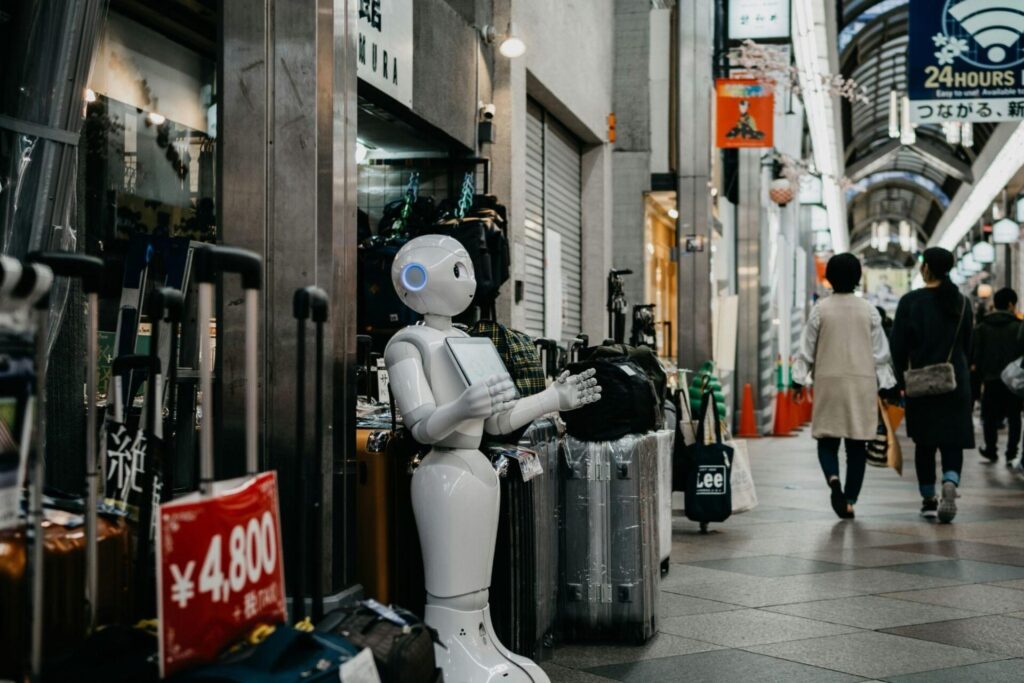
The Reality Check
Despite the hype, the reality of generative AI is more nuanced. While it has achieved impressive feats, such as generating realistic images and text, it often falls short of expectations in real-world applications. For example, AI-generated content may lack the nuance and context that human creators can provide, leading to limitations in its practical use.
Studies have highlighted discrepancies between expectations and reality. For instance, a report by McKinsey noted that while AI can automate certain tasks, it often requires significant human oversight to ensure accuracy and relevance. This oversight is crucial because AI systems can struggle with understanding complex human emotions and context, which are essential for many applications.
Case Studies: Successes and Shortcomings
Successful Implementations
Several companies have successfully leveraged generative AI to enhance their operations. For example, Adobe has integrated AI into its creative suite, allowing users to automate repetitive tasks and focus on more creative aspects of design. Similarly, Google has used generative AI to improve its search results by better understanding user queries and providing more personalized responses.
These successes demonstrate that, when aligned with realistic expectations, generative AI can significantly enhance productivity and innovation. However, these implementations often require careful planning and integration to ensure that AI systems complement human capabilities rather than replace them.
Challenges Faced
Despite these successes, there are instances where generative AI has not met expectations. For example, AI-generated content may lack originality or fail to capture the subtleties of human emotion, leading to a disconnect with audiences. Additionally, the quality of AI outputs is heavily dependent on the quality of the data used to train the models, which can be a significant challenge.
Change management is another critical aspect that is often underestimated. Implementing AI solutions requires not only technological expertise but also organizational readiness and cultural adaptation. Companies must invest in retraining employees and adapting workflows to effectively integrate AI into their operations.
The Impact on Jobs and Skills
Job Displacement vs Job Transformation
One of the most pressing concerns about generative AI is its potential to displace jobs. While automation does replace some roles, it also transforms others, creating new opportunities for workers. For instance, AI can automate routine tasks, freeing up professionals to focus on more strategic and creative work.
However, this transformation requires workers to acquire new skills. The ability to work alongside AI systems, understand their limitations, and leverage their capabilities effectively will become increasingly valuable. Upskilling and reskilling programs are essential for ensuring that workers can adapt to these changes.
New Opportunities Created by Generative AI
Generative AI is also creating new job roles that did not exist before. Positions such as AI ethicist, AI trainer, and AI data curator are emerging as crucial components of AI development teams. These roles require a deep understanding of AI systems, their potential biases, and how to ensure they are used responsibly.
Moreover, the development of generative AI itself requires a multidisciplinary approach, involving not just technologists but also artists, ethicists, and social scientists. This interdisciplinary collaboration opens up new career paths and opportunities for innovation. However, navigating AI expectations vs reality is essential in this context, as it helps teams set realistic goals for AI projects and manage stakeholder expectations, ensuring that the potential of these new roles is fully realized and that the benefits of generative AI are effectively harnessed.
Bridging the Gap: Strategies for Realistic Expectations
Educating Stakeholders
Managing expectations is key to bridging the gap between what generative AI can do and what stakeholders expect. Clear communication about the capabilities and limitations of AI is essential. Companies should educate both internal teams and external stakeholders about what to realistically expect from AI solutions.
This includes setting clear goals for AI projects, ensuring that they align with business needs, and providing ongoing feedback and evaluation to adjust expectations as needed. Transparency about AI’s role in decision-making processes can also help manage expectations and build trust.
Responsible Development Practices
Responsible AI development practices are crucial for aligning expectations with reality. This involves not just technical considerations but also ethical ones. Developers must ensure that AI systems are fair, transparent, and free from bias. This requires careful data curation, continuous testing, and ongoing evaluation of AI outputs.
Moreover, companies should prioritize explainability and accountability in AI systems. This means developing AI that can provide insights into its decision-making processes and ensuring that there are mechanisms in place to address any issues that arise.
Future Outlook: What Lies Ahead for Generative AI?
As generative AI continues to evolve, we can expect significant advancements in its capabilities. Emerging technologies like quantum computing and edge AI could further enhance the performance and accessibility of generative AI solutions.
Regulatory frameworks will also play a crucial role in shaping the future of AI. Governments and international bodies are increasingly focusing on AI governance, which will help ensure that AI is developed and used responsibly.
Conclusion
Navigating the gap between expectations and reality in generative AI development is essential for maximizing its potential. By understanding both the hype and the actual capabilities of these technologies, stakeholders can set realistic goals and work towards integrating AI in a way that complements human capabilities.
As we move forward, it is crucial to engage in informed discussions about AI’s role in society, ensuring that we harness its power to enhance productivity, creativity, and innovation while mitigating its risks. By doing so, we can unlock the true potential of generative AI and create a future where technology enhances human life without replacing it.
To read more content like this, explore The Brand Hopper
Subscribe to our newsletter