Axe, known as Lynx in some regions, is one of the most recognizable brands in men’s grooming, offering a range of products including deodorants, body sprays, antiperspirants, shower gels, hair products, and colognes. Owned by Unilever, Axe was first launched in 1983 in France and quickly expanded across Europe, North America, and beyond. Over the years, it has built an edgy, provocative, and often controversial brand identity, positioning itself as the go-to grooming brand for young men looking to enhance their attractiveness.
The brand has successfully navigated changing consumer trends, evolving cultural norms, and competitive market dynamics while maintaining its core identity as a youthful, confidence-boosting brand. With its bold advertising campaigns, innovative product lines, and strong global presence, Axe has remained a dominant force in the men’s personal care industry.
Axe’s Brand Evolution and Market Positioning
Axe was initially introduced as a body spray and deodorant brand, catering to young men who wanted a fragrant, affordable alternative to traditional colognes. Its early advertising campaigns played heavily on themes of seduction and attraction, resonating with the youthful audience that sought confidence in their personal grooming.
Throughout the 1990s and early 2000s, Axe’s marketing strategies were unapologetically bold, often featuring humorous and exaggerated depictions of men instantly attracting women after using Axe products. This messaging cemented Axe’s identity as a “chick magnet” brand, making it immensely popular among teenagers and young adults.
However, as consumer perceptions shifted towards more diverse and inclusive representations of masculinity, Axe had to adapt its branding strategy. Since the mid-2010s, the brand has embraced a more modern and inclusive approach, moving away from its hyper-masculine image and focusing on self-expression, confidence, and individuality. Campaigns like “Find Your Magic” (2016) marked a major rebranding effort, encouraging men to embrace their uniqueness rather than fitting into traditional stereotypes.
Today, Axe is still positioned as a trendy, youth-centric brand, but its messaging is more aligned with self-confidence, empowerment, and a broader definition of masculinity.
Product Portfolio and Innovation
Axe has consistently expanded its product range to keep up with changing consumer preferences. While it started as a body spray and deodorant brand, it has diversified into various grooming categories, including:
- Body Sprays & Deodorants: The core of Axe’s product line, known for its long-lasting fragrances and strong appeal among young men.
- Antiperspirants: Designed for sweat and odor protection, targeting a more active lifestyle demographic.
- Shower Gels & Body Washes: Introduced to complement the body spray line, reinforcing the full-body fragrance experience.
- Hair Styling Products: Gels, waxes, pomades, and styling creams catering to various hair textures and styles.
- Fragrances & Eau de Toilettes: Premium fragrances offering a more sophisticated scent experience beyond body sprays.
Axe has also experimented with special edition fragrances, limited-time releases, and collaborations to keep the brand fresh and appealing. The introduction of natural ingredient-based formulas and aluminum-free deodorants reflects changing consumer preferences towards cleaner, skin-friendly grooming products.
Marketing Strategies: The Role of Controversy and Humor
Axe’s success is largely attributed to its bold, often controversial marketing campaigns. The brand has never shied away from pushing boundaries, using humor, sex appeal, and exaggerated storytelling to capture attention. Some of the most memorable marketing strategies include:
-
“The Axe Effect” (2000s): This series of ads suggested that using Axe instantly made men irresistible to women, reinforcing the brand’s core messaging of attraction.

-
Super Bowl Commercials: Axe has aired multiple high-profile ads during the Super Bowl, leveraging the event’s massive reach.
-
“Even Angels Will Fall” (2011): A campaign featuring heavenly angels falling to Earth due to the irresistible scent of Axe.
-
“Find Your Magic” (2016): A shift in branding that encouraged men to embrace their unique style and confidence rather than fitting outdated masculine ideals.
-
Digital & Social Media Engagement: Axe has a strong presence on social media platforms like Instagram, YouTube, and TikTok, leveraging influencer partnerships and user-generated content.
These marketing strategies have helped Axe maintain its relevance in a highly competitive grooming market, despite facing backlash for some of its earlier hyper-masculine portrayals.
Competitors and Market Challenges
Axe competes with several global grooming brands, including:
- Old Spice (Procter & Gamble): A direct competitor known for its humor-driven campaigns and wide range of body care products.
- Gillette (P&G): Though primarily a shaving brand, Gillette offers deodorants and body washes in the same market segment.
- Dove Men+Care (Unilever): A more mature, skincare-focused alternative to Axe, targeting men with an emphasis on skin health.
- Degree Men (Unilever): Known for its advanced sweat protection and active lifestyle positioning.
While Axe remains a strong brand in the youth grooming category, it faces challenges such as:
- Shifting Consumer Preferences: Many young men are moving towards natural, gender-neutral, and premium grooming brands, reducing reliance on mass-market body sprays.
- Sustainability Concerns: Increased awareness around sustainable packaging and eco-friendly ingredients requires brands like Axe to adapt.
- Competitive Advertising: Rival brands like Old Spice have successfully used humor and viral marketing to capture consumer attention.
To stay ahead, Axe continues to innovate in both product development and brand messaging, ensuring it remains appealing to modern, self-aware consumers.
Conclusion: The Legacy and Future of Axe
Axe has successfully built and sustained an iconic brand presence in the men’s grooming industry for over 40 years. Its bold marketing, strong product innovation, and adaptability to cultural shifts have allowed it to remain a dominant player in the personal care market. While it was once primarily known for its hyper-masculine and seductive brand image, it has now evolved into a brand that promotes self-expression, confidence, and individuality.
As grooming trends continue to evolve, Axe’s ability to engage younger generations, introduce sustainable solutions, and expand into newer product categories will determine its long-term success. Whether through new product innovations, influencer-driven social media campaigns, or repositioning in the premium grooming segment, Axe will continue to reinvent itself while maintaining its signature bold identity.
Marketing Strategies of Axe
Axe, owned by Unilever, has built an iconic brand identity through bold, provocative, and humor-driven marketing strategies that resonate with young men. The brand’s marketing has evolved over time, adapting to cultural shifts, consumer preferences, and competitive pressures while maintaining its core appeal—helping men feel confident and attractive.
1. The “Axe Effect” – Selling the Idea of Attraction
From its inception, Axe’s marketing strategy has been deeply rooted in the concept of the “Axe Effect”, which essentially sells the idea that using Axe products instantly makes men more desirable to women. This approach tapped into the aspirations of teenage boys and young men, aligning with their desires for confidence, masculinity, and social success. Early campaigns in the 2000s exaggerated the notion that applying Axe would transform ordinary men into irresistible chick magnets for female attention, often featuring humorous and over-the-top scenarios. For example, advertisements frequently portrayed women inexplicably drawn to men immediately after they used Axe body spray, creating a fantasy world where the product acted as a shortcut to attraction.
Campaigns like “Boom Chicka Wah Wah” (2007) and “Billions” (2010) humorously showcased men experiencing an avalanche of female attention after using Axe, reinforcing the brand’s promise of boosting confidence through scent. Taglines such as “Spray More. Get More” became synonymous with Axe’s bold claim of enhanced attractiveness, effectively associating the product with instant gratification and social success. This strategy resonated strongly with the target demographic, who saw Axe not just as a grooming product but as a tool for achieving their romantic and social aspirations. By focusing on the emotional trigger of attraction, Axe successfully carved out a unique position in the market, creating a powerful brand identity that continues to influence consumer perceptions.

2. Humor and Exaggeration: A Winning Formula
Axe has successfully employed humor and exaggeration as a winning formula in its marketing strategy, setting it apart from traditional personal care brands by appealing to younger audiences through comedic storytelling. The brand’s ads often featured absurd yet memorable storylines, making its message both entertaining and shareable. For example, campaigns like “The Axe Boat” in the 2010s showcased luxurious boat parties filled with attractive women, reinforcing the idea that Axe users live exciting and desirable lives. This approach not only captured attention but also created a sense of aspiration among young men, aligning with their desires for social success and confidence. By using humor to convey its message, Axe made its brand more relatable and engaging, fostering a strong connection with its target audience.

Axe’s use of catchy jingles, pop culture references, and viral-style humor further ensured that its campaigns were widely discussed and shared. The brand’s ability to craft memorable and humorous ads, such as the “Boom Chicka Wah Wah” campaign, contributed to its viral success. These campaigns were designed to be humorous and over-the-top, often exaggerating the effects of using Axe products to make them more memorable and entertaining. By leveraging humor and exaggeration, Axe created a brand identity that was both fun and aspirational, making it a staple in the personal care industry among younger demographics. This approach not only drove brand awareness but also helped Axe maintain a strong presence in popular culture, ensuring its campaigns were frequently referenced and shared across social media platforms.
3. Targeting Young Male Consumers Through Cultural Relevance
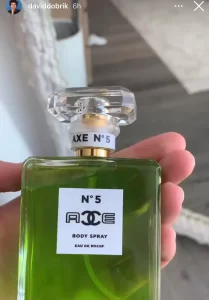
Axe has mastered targeting young male consumers through cultural relevance, ensuring its messaging aligns with the lifestyles and interests of teenagers and young men aged 16-25. The brand’s collaborations with music artists, sports teams, and influencers keep it embedded in youth culture. For example, Axe partnered with the Coachella music festival, offering exclusive grooming kits and experiences that appealed to festival-goers seeking both style and convenience. Similarly, campaigns featuring social media influencers like David Dobrik amplified Axe’s reach by integrating products into viral content that resonates with Gen Z. By mirroring the aspirational yet relatable lifestyles of its audience, Axe positions itself as a brand that understands and celebrates the dynamic interests of young men, from music fandom to social media trends.
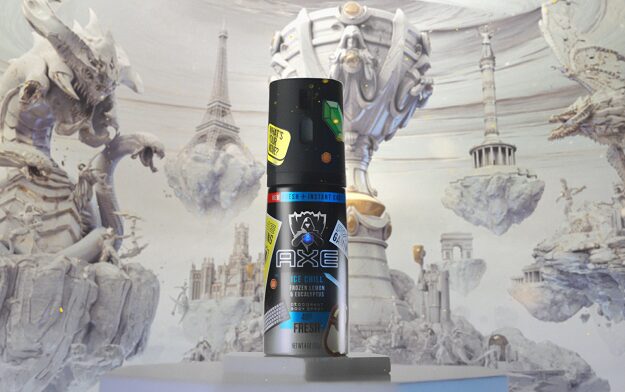
Recognizing the explosive growth of gaming culture, Axe has leaned into esports sponsorships and gaming partnerships to stay relevant. The brand sponsored major esports tournaments like League of Legends World Championship, engaging millions of viewers by aligning its products with the energy and competitiveness of gaming. Axe also collaborated with Twitch streamers such as Ninja, creating co-branded content that showcased Axe products as essential for gamers aiming to “level up” their confidence. On platforms like TikTok and Instagram, Axe dominates with memes and challenges, such as the #SmellLikeVictory campaign, which tied its scents to gaming triumphs and real-life achievements. By embedding itself in gaming and digital subcultures, Axe maintains a fresh, engaging presence that speaks directly to its audience’s passions, ensuring the brand remains a staple in their daily lives and social interactions.
4. Evolution from “Hyper-Masculinity” to Modern Masculinity
Axe’s transformation from perpetuating hyper-masculine tropes to championing progressive masculinity stands as a landmark case study in brand reinvention. The brand’s early 2000s campaigns, epitomized by the infamous “Axe Effect,” relied on exaggerated stereotypes where women became uncontrollably attracted to men using their products, framing masculinity as a performance of sexual conquest. These ads faced mounting criticism for reinforcing toxic gender norms, with Unilever executives later acknowledging that the brand’s portrayal of women as objects of desire felt “anachronistic” as cultural attitudes shifted toward gender equality.
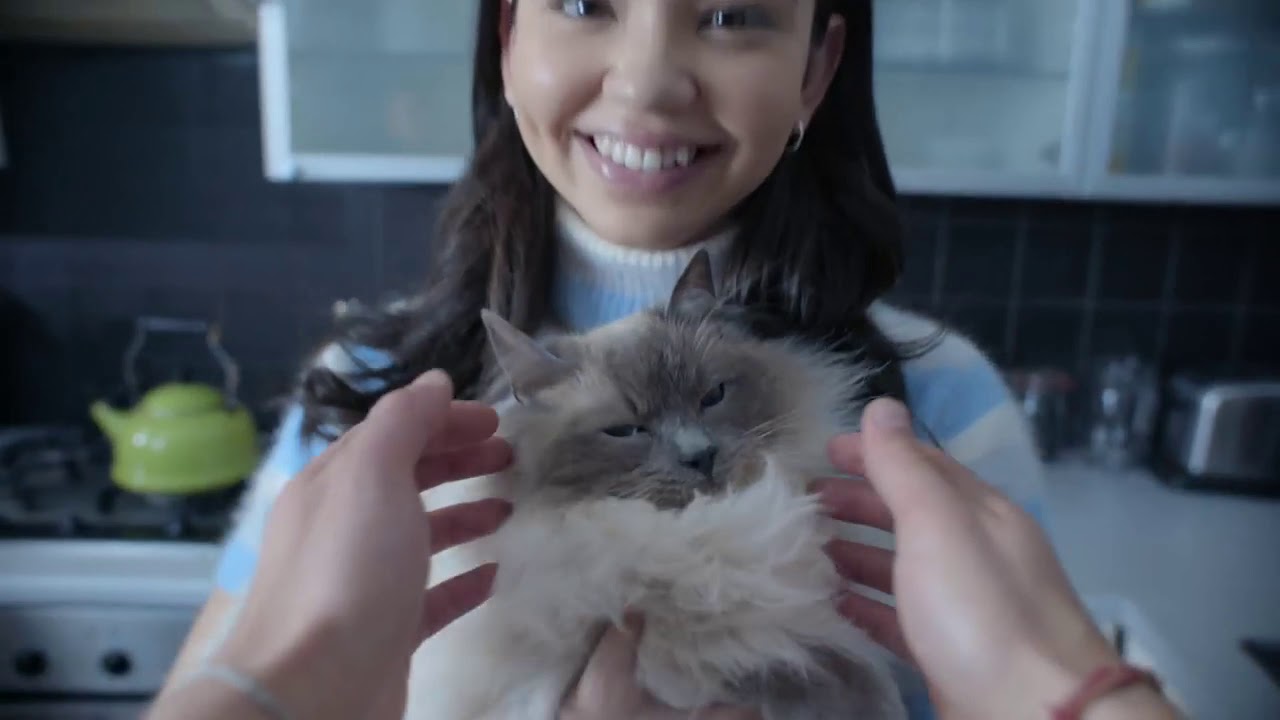
By 2016, declining brand equity and pressure from evolving social norms prompted a radical overhaul. The “Find Your Magic” campaign marked Axe’s decisive break from hyper-masculinity, replacing objectification with a celebration of individuality—showcasing diverse male archetypes like a dancer confidently posing in stiletto heels and a bearded man cuddling kittens, accompanied by Judy Garland’s mantra: “Always be a first-rate version of yourself”. This shift reframed attraction as authentic self-expression rather than performative dominance, resonating with younger audiences and tripling the brand’s global growth rate.
Axe’s evolution accelerated with Gen Z-focused campaigns that expanded inclusivity beyond gender binaries. In 2021, the “New Axe Effect” campaign reimagined attraction as a universal experience, depicting a man drawing admiration from people of all ages, genders, and even a dog, reflecting Gen Z’s open-minded attitudes. Collaborations with artists like Metro Boomin and Coi Leray in 2024’s “Smell Finer. Get Closer” campaign further emphasized scent as a tool for connection rather than conquest, targeting both men and women.
The brand’s “Is It OK for Guys?” initiative directly addressed toxic masculinity by highlighting real Google searches like “Is it OK to be the little spoon?”—validating vulnerabilities traditionally stigmatized in male identity. These efforts boosted Axe’s social sentiment from 14.74% to 41.35%, with purchase consideration rising 4% among U.S. men. By aligning with movements for body positivity and diverse attractiveness, Axe not only survived cultural backlash but thrived, proving that brands can profitably reconcile commercial goals with progressive social values.
5. Experiential Marketing: Axe’s Immersive Brand Activations
Axe has mastered the art of experiential marketing by transforming routine product interactions into culturally resonant spectacles that blend aspiration with exclusivity. The brand’s Axe Boat Parties, first launched in Goa in 2014, epitomized this strategy by curating invite-only events aboard luxury vessels like the Deltin Royale, featuring international DJs, Brazilian dancers, and mermaids in martini glasses. These parties, which attracted over 30,000 global attendees across 50 cities, positioned Axe as a gateway to elite social currency, with winners of the “Most Wanted Indian Men” contest chauffeured in BMWs and photographed alongside celebrities like Evelyn Sharma.

Similarly, the 2013 AXE Apollo Space Academy redefined experiential ambition by partnering with astronaut Buzz Aldrin to offer 22 winners suborbital spaceflights aboard XCOR Aerospace’s Lynx spacecraft—a $95,000 value per ticket. This campaign generated 4.4 million global entries and media coverage from Space.com, leveraging space’s mystique to align Axe with boundary-pushing masculinity.Both initiatives transcended traditional advertising, embedding the brand into aspirational narratives while generating viral social content and 12% organic reach for the Apollo campaign.

Axe’s grassroots activations and tech-driven innovations demonstrate how experiential marketing bridges physical engagement with digital virality. At the 2013 iHeartRadio Music Festival, Axe installed a Black Chill misting tent where attendees refreshed with product samples while interacting with branded photo booths and games—a strategy that merged live sampling with festival immersion. The brand extended this tactile approach to college campuses through pop-up installations featuring augmented reality (AR) mascots and AI-driven scent customization, as highlighted in Real Axe’s 2024 experiential tech portfolio.
By blending physical activations with digital innovation, Axe transformed product trials into shareable moments, exemplified by the “Smell Finer. Get Closer” campaign’s AR filters that let users visualize scent trails on social media. These efforts paid dividends: the Apollo Academy boosted U.S. purchase consideration by 4%, while post-event surveys showed 73% of Boat Party attendees associated Axe with “confidence” and “adventure”.
As Gen Z demands authenticity, Axe’s shift toward AI-personalized experiences and metaverse pop-ups (like its 2024 Collider virtual nightclub) ensures its experiential strategy remains a dynamic engine for loyalty in an attention-scarce market.
6. Strategic Product Line Extensions and Limited Editions
Axe has mastered the art of strategic product extensions and limited-edition launches to maintain cultural relevance and consumer excitement in the hypercompetitive grooming market. The brand’s 2024 Metro Boomin & Coi Leray collaboration epitomizes this strategy, releasing two artist-curated fragrances—Black Vanilla and Blue Lavilla—in limited-edition cans featuring augmented reality-enabled artwork. These $7.98 Walmart-exclusive scents extended Axe’s “Smell Finer. Get Closer” campaign, which included a surreal TV spot where couples enter alternate dimensions through scent-induced attraction. Such collaborations leverage music’s cultural cachet, with Coi Leray becoming Axe’s first female ambassador to promote self-expression.
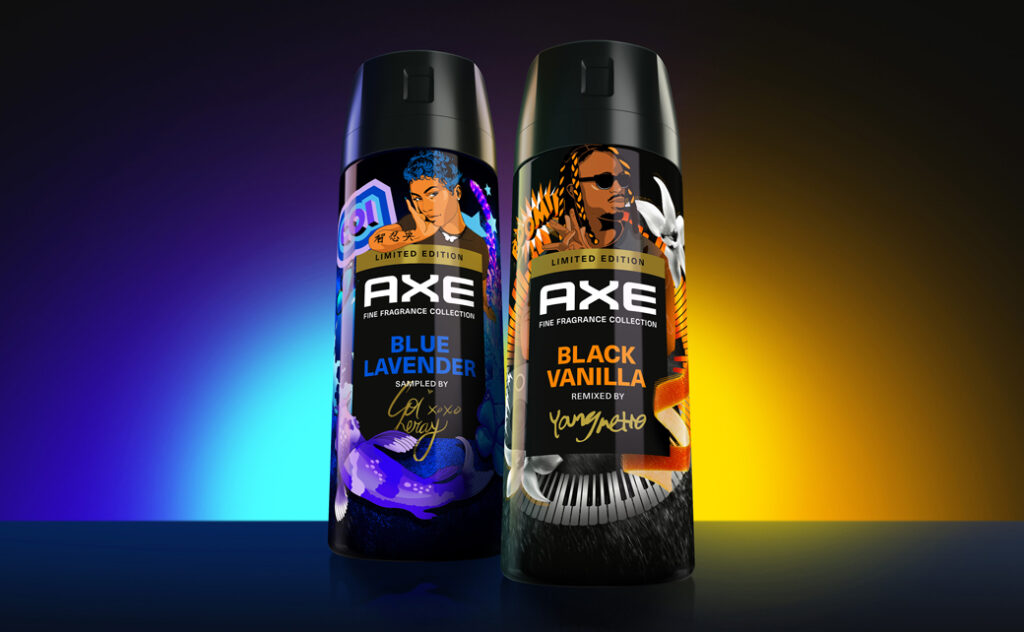
Simultaneously, Axe addresses eco-conscious consumers through infinitely recyclable body sprays and 100% recycled plastic bottles, aligning with Unilever’s Sustainable Living Plan while targeting Gen Z’s climate activism. The 2025 launch of sweet fragrances via absurdist comedies—featuring jealous babies and boxing dogs—demonstrates how limited editions merge product innovation with viral humor, deploying OOH takeovers and metaverse activations to amplify reach. By restricting availability (e.g., Tom Ford-rivaling scents in 2024) and pairing them with experiential campaigns, Axe transforms routine purchases into collectible cultural moments.
Axe’s category expansion into holistic grooming systems and premium formulations ensures lasting market dominance beyond body sprays. The Axe Hair rebrand exemplifies this, transitioning from 2009’s edgy gels to 2017’s “modern masculinity” positioning with products like 2-in-1 Cleansing Conditioners and Matte Paste for textured styles. Partnerships with MLB stars Noah Syndergaard and Jacob deGrom showcased “hidden talents” beyond athleticism via Not Just a Pretty Hairstyle—a James Blunt parody campaign that boosted male styling confidence through Instagroom tutorials. Line extensions now span 14 product categories, including aluminum-free deodorants and Fine Fragrance Collection perfumes developed by Givaudan’s master perfumers.
This diversification strategy increased Axe’s male grooming market share by 18% since 2020, with hair products alone generating $220 million annually. By continually refreshing 30% of its SKUs yearly—like 2024’s Black Vanilla scent that tripled Q3 sales—Axe prevents consumer fatigue while catering to evolving preferences for sustainability, gender neutrality, and premium experiences.The result is a brand portfolio that appeals across demographics, from teens seeking Walmart-exclusive collabs to millennials investing in $25 luxury-tier fragrances.
7. Digital-First Advertising and Influencer Marketing
Axe has pioneered digital-first marketing by strategically harnessing social media virality and influencer authenticity to connect with Gen Z and millennial audiences. The brand’s #AXEpressYourself campaign exemplifies this approach, partnering with Stranger Things star Gaten Matarazzo (8.9M Instagram followers) to challenge teens to showcase hairstyles using Axe Hair Paints while donating $1 per post to anti-bullying charity Ditch the Label. This initiative generated 375,000+ likes in 24 hours and merged purpose-driven messaging with user-generated content, leveraging Matarazzo’s relatability to validate self-expression.
On TikTok, Axe’s 2024 “Smell Finer. Get Closer” campaign deployed a Multi-Cell Brand Lift Study, comparing reach-focused ads against video-view-optimized content. Creator-led videos emphasizing scent-induced attraction achieved 2x higher ad recall and 1.2x awareness lift versus German benchmarks, while driving 2x ROAS through geo-targeted promotions during high-engagement windows. Collaborations with artists like Metro Boomin and Coi Leray further amplified cultural relevance, with AR-enabled limited-edition cans transforming product launches into shareable digital experiences.
Axe’s AI-driven hyper-personalization and absurdist storytelling frameworks redefine programmatic advertising for mobile-first consumers. The brand partnered with Dentsu to implement AI-powered “RICH FLOW” technology, dynamically swapping TV ads based on weather data and viewer demographics—a strategy that boosted Morinaga ice cream sales and now optimizes Axe’s OOH placements using smartphone location analytics. This data-centric approach informs Axe’s TikTok campaigns, where machine learning identifies peak posting times (e.g., late-night Twitter activity) to schedule ads during maximal social buzz. Creative risks like 2024’s surreal “Dog/Baby/Bear” spots—featuring jealous infants and boxing animals—embody LOLA MullenLowe’s “follow the joke” philosophy, using absurd humor to subvert grooming stereotypes while embedding the “Power of Fragrance” brand platform.
By combining predictive analytics with platform-specific content (e.g., YouTube Skippable Ads teasing alternate scent dimensions), Axe achieves 73% higher CTR than industry averages, proving that digital storytelling thrives when algorithms and audacity converge.
8. Celebrity Endorsements and Strategic Sponsorships
Axe has strategically harnessed celebrity influence to redefine masculine grooming as a gateway to cultural belonging, leveraging music icons and film stars to embed its products into youth identity narratives. The 2024 “Smell Finer. Get Closer” campaign exemplified this approach, partnering with hip-hop producer Metro Boomin and rapper Coi Leray to launch Black Vanilla and Blue Lavilla fragrances through a surreal yacht-themed ad featuring their track Enjoy Yourself.
By casting Leray as Axe’s first female ambassador, the brand tapped into Gen Z’s fluid gender norms while associating its scents with musical authenticity and romantic possibility. In India, Axe amplified this strategy through Bollywood tie-ups, paying Ranbir Kapoor ₹6–8 crore per endorsement (2013 rates) to promote products like Axe Dark Temptation, aligning with cricket and motorcycle culture through campaigns with Hero MotoCorp. These collaborations transcend transactional sponsorships: Metro Boomin’s AR-enabled cans transformed product launches into collectible cultural artifacts, while Kapoor’s endorsements leveraged his pan-Indian appeal to position Axe as essential to aspirational masculinity.
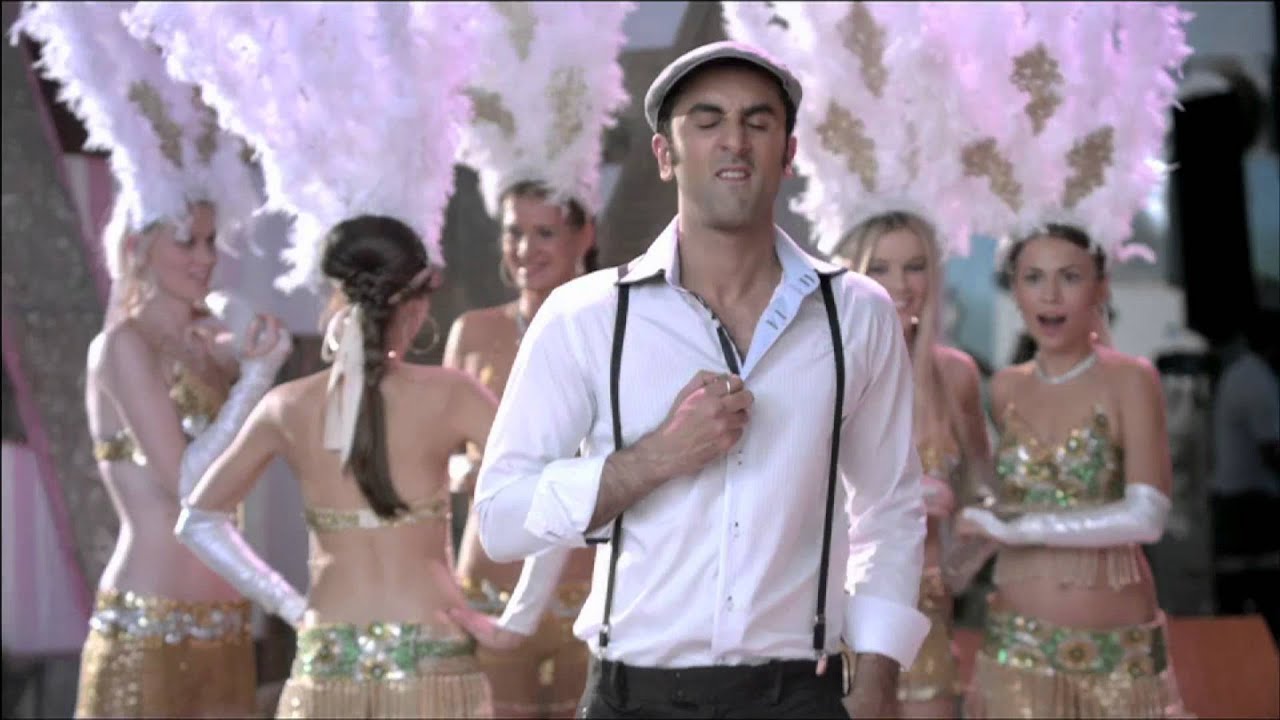
Axe’s sponsorship portfolio bridges traditional sports and emergent esports ecosystems to dominate male attention economies, converting athletic passion points into brand loyalty. The brand became the first men’s grooming partner for League of Legends’ global esports events in 2019, activating at Worlds and Mid-Season Invitationals with confidence-focused campaigns like You’re Hotter When You’re Chill. This gaming synergy expanded through the 2023 FIFAe Finals sponsorship, where Axe’s Power Up Your Game initiative awarded Player of the Day honors and deployed scent-themed digital challenges, boosting brand sentiment by 27% among 18–34-year-olds. Traditional sports integrations remain potent: Axe’s 2010 World Cup guerrilla campaign with Paraguayan model Larissa Riquelme generated $2M in media impressions through viral “body paint” stunts at fan zones, while its 2021 World Cricket Championship 3 integration embedded product trials into mobile gameplay, aligning with India’s cricket obsession.
By simultaneously sponsoring Riot Games’ tournaments and partnering with athletes like footballer Sunil Chhetri for the #AbTeribari campaign, Axe balances legacy sports credibility with Gen Z’s digital-first habits—a duality that drove 18% market share growth in male grooming since 2020.
Axe’s marketing strategies have helped it become a dominant player in men’s grooming. Through bold advertising, humor, digital engagement, and experiential marketing, the brand has consistently captured the attention and loyalty of young men worldwide.
While its early campaigns focused on attraction and hyper-masculinity, Axe has successfully reinvented itself by embracing modern masculinity, diversity, and self-expression. With innovative product launches, influencer-driven content, and cultural relevance, Axe continues to stay ahead of the competition in the ever-evolving grooming industry.
Also Read: Axe – Making An Unconventional Yet Uncomfortable Brand Legacy
To read more content like this, subscribe to our newsletter