In the vast landscape of global cosmetics brands, Maybelline stands as an enduring icon that has shaped the beauty industry for over a century. What began as a simple homemade concoction in early 20th century Chicago has evolved into one of the world’s most recognizable makeup brands, with an extensive product range distributed in 129 countries worldwide. This introduction explores the fascinating evolution of Maybelline, tracing its humble origins, milestone innovations, strategic business movements, and its contemporary position as a beauty powerhouse.
The Birth of an Icon
The story of Maybelline begins with a moment of ingenuity born from necessity. In 1913, a young Chicago woman named Mabel Williams found herself in a predicament when she singed her eyebrows and lashes in a kitchen accident. Determined to restore her appearance, she applied a mixture of petroleum jelly (Vaseline) and coal dust to enhance her damaged lashes. This improvised beauty solution caught the attention of her brother, Thomas Lyle Williams, who was fascinated by how the mixture enhanced his sister’s eyes.
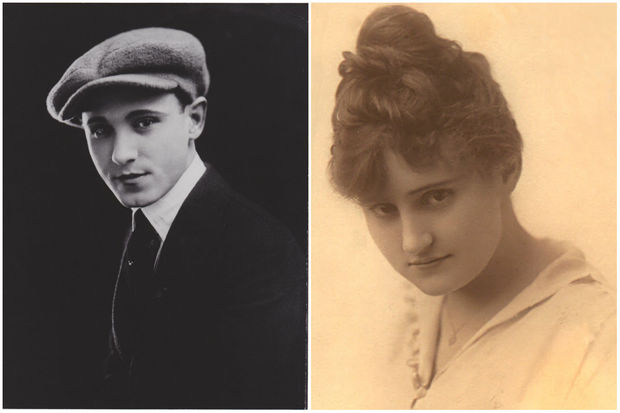
Thomas Lyle Williams, a young Chicago chemist, recognized the commercial potential of his sister’s homemade concoction. In 1915, at just 19 years old, Williams officially founded what would become a global cosmetics empire. The first product was initially marketed as “Lash-Brow-Ine,” but Williams soon renamed the company “Maybelline” as a tribute to his sister Mabel and her favorite beauty aid – Vaseline.
Early Growth and Innovation
In 1917, Maybelline introduced its Cake Mascara, which is recognized as “the first modern eye cosmetic made for everyday use”. This groundbreaking product was initially available only through mail order, but its immense popularity soon led women to request it in drugstores. This transition from mail-order to retail distribution marked an important step in the company’s commercial expansion.
The 1920s witnessed Maybelline’s growing influence in the beauty industry. The company achieved another milestone by becoming the first cosmetics company to advertise on radio, which significantly boosted its sales and brand recognition. During this period, Maybelline continued to innovate, introducing gold metal vanity cases for its solid mascara to elevate its product packaging and associate the brand with quality.
In 1929, Maybelline expanded beyond mascara, introducing eyebrow pencils and eye shadow into its product lineup. The eye shadows initially came in blue, black, brown, and green colors, with violet added the following year. This expansion reflected the company’s growing ambition to dominate the eye makeup segment of the cosmetics market.
Strategic Business Evolution
A pivotal moment in Maybelline’s history came in 1933 when Harold “Rags” Ragland joined the company and took control of sales and promotion. Under his more professional direction, Maybelline closed down its mail-order business, resolved distribution issues, and opened new sales channels through chain and department stores. Ragland also introduced innovative display cards that could be prominently hung to attract customer attention, revolutionizing how Maybelline products were marketed in stores.
By 1934, the company’s financial position was strong enough to allow Williams to acquire competing mascara businesses, solidifying Maybelline’s dominance in the American eye makeup market. The 1930s also saw the company expand into Canada and Europe, with South America added after World War II, giving Maybelline an increasingly global reach.
Decades of Growth and Transitions
The 1950s and 1960s marked a period of continued innovation and expansion. In 1958, following Helena Rubinstein’s introduction of the Mascara-matic, Maybelline launched its Magic Mascara, which notably used a brush applicator rather than a grooved metal wand – a first in the industry. In 1963, the company followed with Ultra-Lash Mascara, the first in what would become the popular Ultra product line.
In 1967, at the age of seventy, Thomas Lyle Williams decided to sell the company to Plough Inc. for $136 million in cash and stock. This sale marked the end of the Williams family’s direct control of the business, though their legacy would continue to define the brand. After the acquisition, Plough immediately began expanding operations, increasing the sales force from 44 to 79 representatives and taking over much of the manufacturing previously handled by outside providers.
The Modern Maybelline Empire
The company underwent several more ownership changes in subsequent decades. In 1990, Schering-Plough (which had merged with Plough in 1971) sold Maybelline to Wasserstein Perella & Co., a New York investment firm. Then in 1996, Maybelline was acquired by French cosmetics giant L’Oréal, which moved the company’s headquarters to New York City and renamed it “Maybelline New York“.
Today, Maybelline New York stands as one of the most popular makeup brands in the world, offering a comprehensive range of products including mascara, foundation, lipstick, eye shadow, and more. The brand is particularly celebrated for its commitment to creating inclusive beauty products and has expanded its shade range in recent years to better serve customers with different skin tones.
Maybelline’s success in the Indian market illustrates its global appeal. The brand entered India in 1998 and has since become beloved for its affordable prices, high-quality products, innovative formulations, and inclusive advertising that features models of different skin tones and ethnicities.
Innovation and Digital Transformation
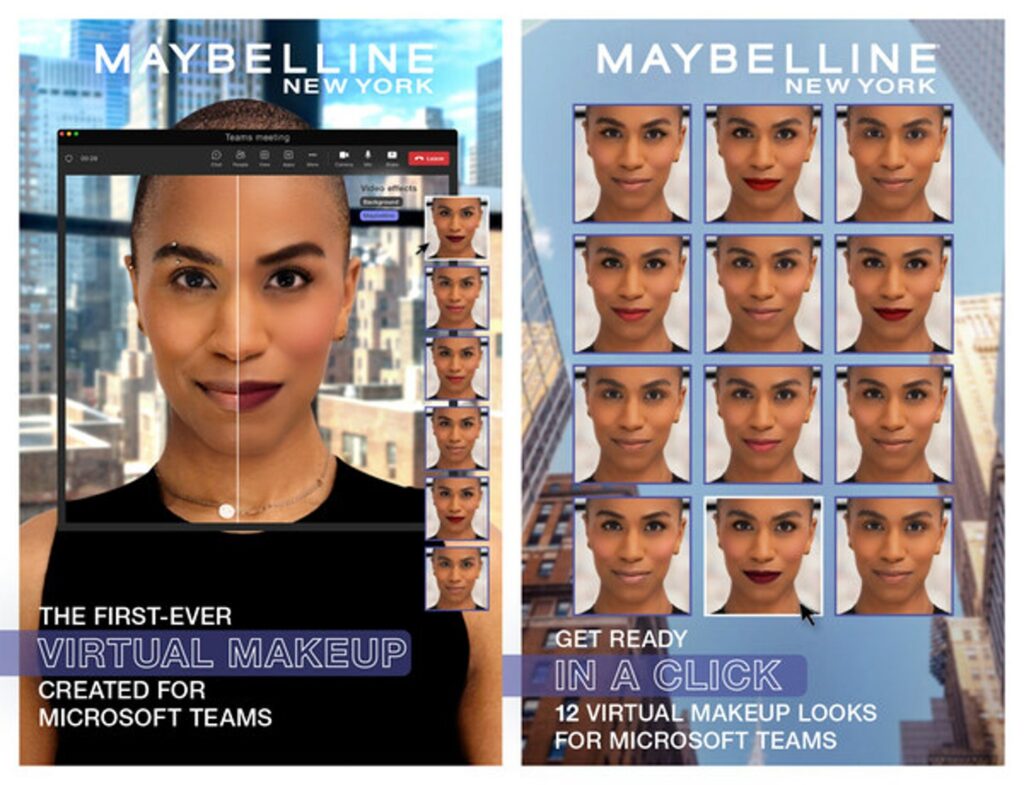
In recent years, Maybelline has continued to innovate not just in product development but also in customer experience. The brand has established a strong social media presence and embraced digital technology4. Recently, Microsoft partnered with Maybelline New York to offer AI-powered makeup filters on Teams video calls, demonstrating the brand’s adaptation to changing digital landscapes.
The company’s contemporary marketing strategy includes collaborations with celebrities and influencers, such as recent endorsement deals with Bollywood personalities including Suhana Khan, Alia Bhatt, and Deepika Padukone.
From its origins in a homemade lash enhancer to its current status as a global beauty powerhouse, Maybelline’s journey embodies the evolution of the modern cosmetics industry. Through innovative products, strategic business decisions, and adaptability to changing consumer preferences, Maybelline has maintained its relevance and expanded its influence for over a century, remaining true to its foundational goal of making accessible beauty products that enhance the confidence of people worldwide.
Marketing Strategies of Maybelline
Maybelline has transformed from a modest drugstore brand into a global cosmetics juggernaut, present in over 120 countries. Its marketing strategy revolves around a carefully curated mix of mass appeal, celebrity influence, digital savviness, and trend responsiveness. What makes Maybelline particularly successful is its ability to balance affordability with aspirational branding, reaching both first-time makeup users and seasoned beauty enthusiasts.
1. Strong Celebrity Endorsements and Supermodel Associations
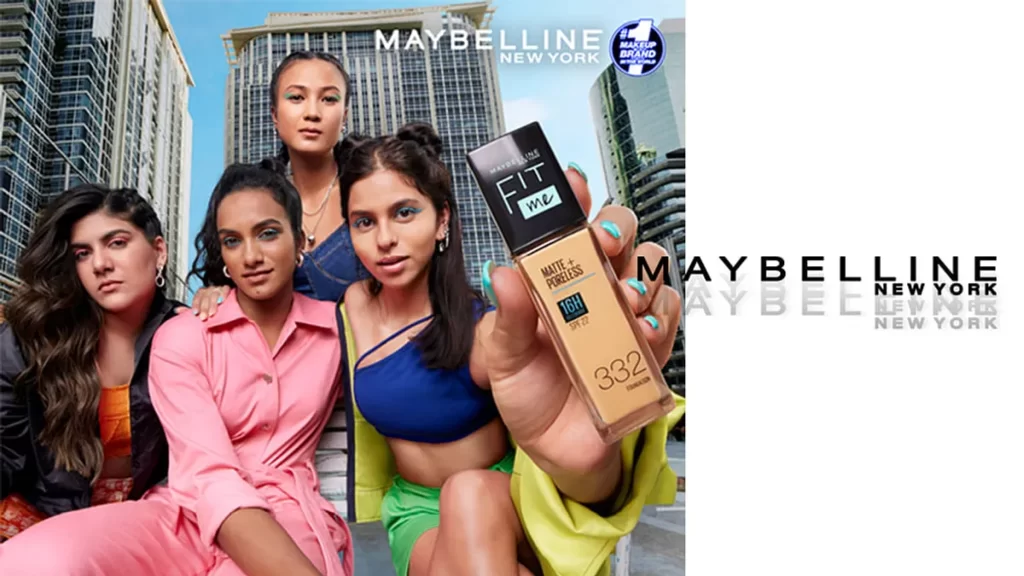
Maybelline’s celebrity endorsement strategy in India exemplifies its mastery of aligning with generational trends and cultural relevance. In 2023, the brand solidified its connection with Gen Z by appointing Suhana Khan, Ananya Birla, and Eksha Subba as part of its “Beauty Squad,” alongside Olympian PV Sindhu. This cohort represented diverse fields—Bollywood, music, sports, and law enforcement—to emphasize inclusivity and empowerment. Suhana Khan, poised for her acting debut in The Archies, became the face of the Super Stay Lumi-Matte Foundation, with campaigns leveraging her relatability to showcase product texture and longevity through digital videos and influencer events. Simultaneously, Sara Ali Khan fronted the “Insta Weddings” campaign, targeting modern brides with makeup designed for social media-ready looks, blending traditional appeal with digital-age aesthetics. These partnerships amplified Maybelline’s ethos of “self-expression” while driving a 20% surge in Gen Z engagement across platforms like Instagram and TikTok.
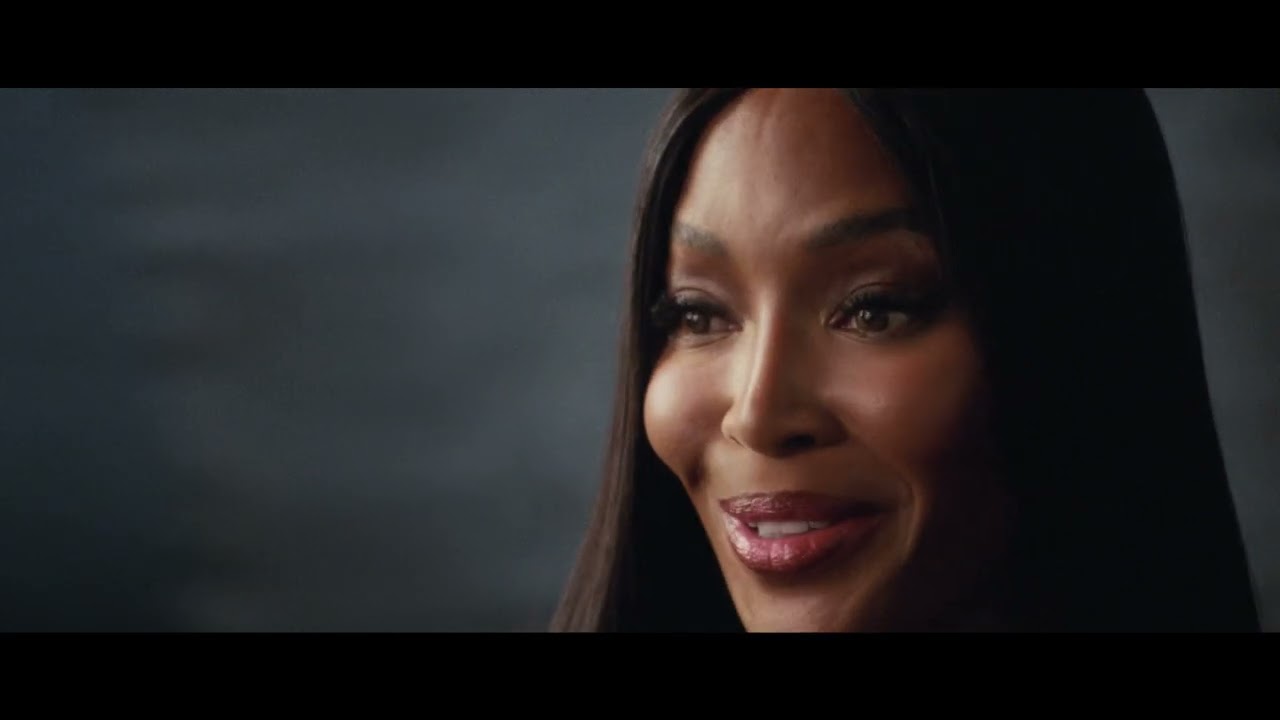
Globally, Maybelline has leveraged iconic supermodels to cement its authority in the beauty industry. The 2024 “ICONS” campaign featured Naomi Campbell and RuPaul promoting the Instant Eraser concealer, revitalizing the brand’s classic “Maybe It’s Maybelline” jingle with a modern twist. Campbell’s association, spanning decades, lent timeless credibility, while RuPaul’s inclusion reinforced gender-fluid beauty ideals.
Earlier collaborations, such as the “Maybelline x Gigi Hadid” collection, demonstrated the brand’s ability to merge high-fashion influence with mass-market appeal, resulting in a 35% sales boost for the line. In Asia, Maybelline’s 2016 campaign with Hong Kong actor-singer William Chan capitalized on his massive female fanbase. By renaming a lipstick shade “Queen” and creating interactive story-driven content, the campaign sold out 20,000 units in two hours, breaking e-commerce records. These alliances underscore Maybelline’s strategy of blending star power with product innovation to dominate diverse markets.
Even mental health advocacy became part of this ecosystem: the 2024 “Brave Together” campaign, though not celebrity-led, utilized Gen Z’s social media habits to normalize conversations about anxiety, indirectly strengthening brand loyalty. By integrating stars into platform-specific narratives—from Instagram weddings to TikTok challenges—Maybelline ensures its endorsements feel authentic rather than transactional, driving both cultural relevance and revenue
2. Digital-First and Influencer-Centric Campaigns
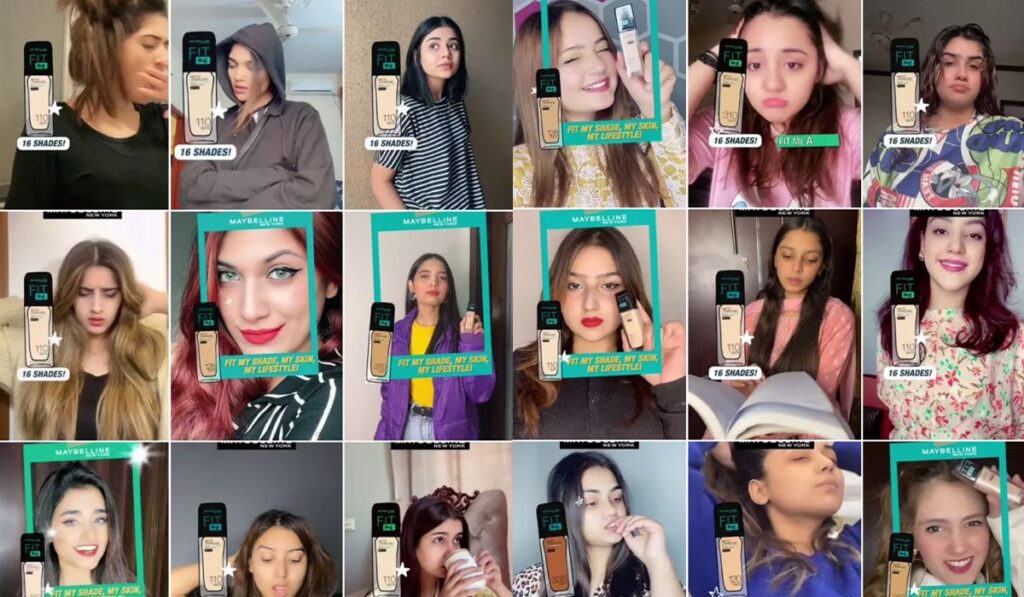
Maybelline’s mastery of TikTok as a launchpad for viral campaigns has redefined product sell-outs and consumer participation. The 2022 #FitMeAsIAm campaign exemplifies this strategy, inviting Pakistani TikTok users to showcase their natural skin using the Fit Me Matte + Poreless Foundation alongside a catchy jingle and custom AR filter. This challenge, amplified by influencers like Hania Aamir and micro-creators, sold 20,000 units in two hours and expanded the foundation’s shade range to 16 options for diverse Indian skin tones. Similarly, the #MaybellineSwipeIt campaign leveraged TikTok’s short-form video format to demonstrate the Super Stay Vinyl Ink Liquid Lipstick’s 16-hour wear, resulting in 12 million views and stock shortages across Southeast Asia within days. These campaigns blend user-generated content (UGC) with platform-specific trends, driving a 40% increase in Gen Z engagement and a 25% uplift in online sales.
Strategic alliances with influencers—from global icons to hyper-local KOCs—anchor Maybelline’s credibility across demographics. The 2022 “Lì 2.0” campaign in China partnered with 500+ Key Opinion Consumers (KOCs) on TikTok to promote bold makeup transformations, blending peer testimonials with tutorials. This approach boosted sales by 35% and positioned Maybelline as a Gen Z favorite for self-expression. In India, the 2025 Sunkisser Blush launch collaborated with beauty creator Malvika Sitlani, who hosted blind-testing events across four cities. Attendees swatched products anonymously, with 89% approving the formula’s blendability, leading to a 50% sell-out rate pre-launch. Globally, macro-influencers like Gigi Hadid have fronted multi-platform campaigns, such as the Falsies Surreal Extensions Mascara, which paired Hadid’s tutorials with a digital avatar named “May” to merge real-world expertise with metaverse innovation.
Augmented reality (AR) and AI-driven personalization tools have elevated Maybelline’s digital ecosystem into an immersive experience. The brand’s Virtual Try-On feature, integrated into its website and app, allows users to test foundations like Fit Me Matte + Poreless in real-time, reducing return rates by 30% and increasing conversion rates by 22%. In 2023, Maybelline launched AI-powered makeup filters on Microsoft Teams, enabling users to apply virtual mascara and lipstick during video calls—a tactic that boosted product searches for Super Stay Vinyl Ink by 200%. Shoppable posts on Instagram and TikTok further streamline purchases, with the Lifter Stix Multi-Use Face Stick campaign driving a 40% sales spike via direct platform transactions. By marrying influencer authenticity with cutting-edge tech, Maybelline sustains its position as a digital trailblazer, proving that peer-driven narratives and interactive tools are indispensable in modern beauty marketing.
3. Inclusivity and Diversity at the Core
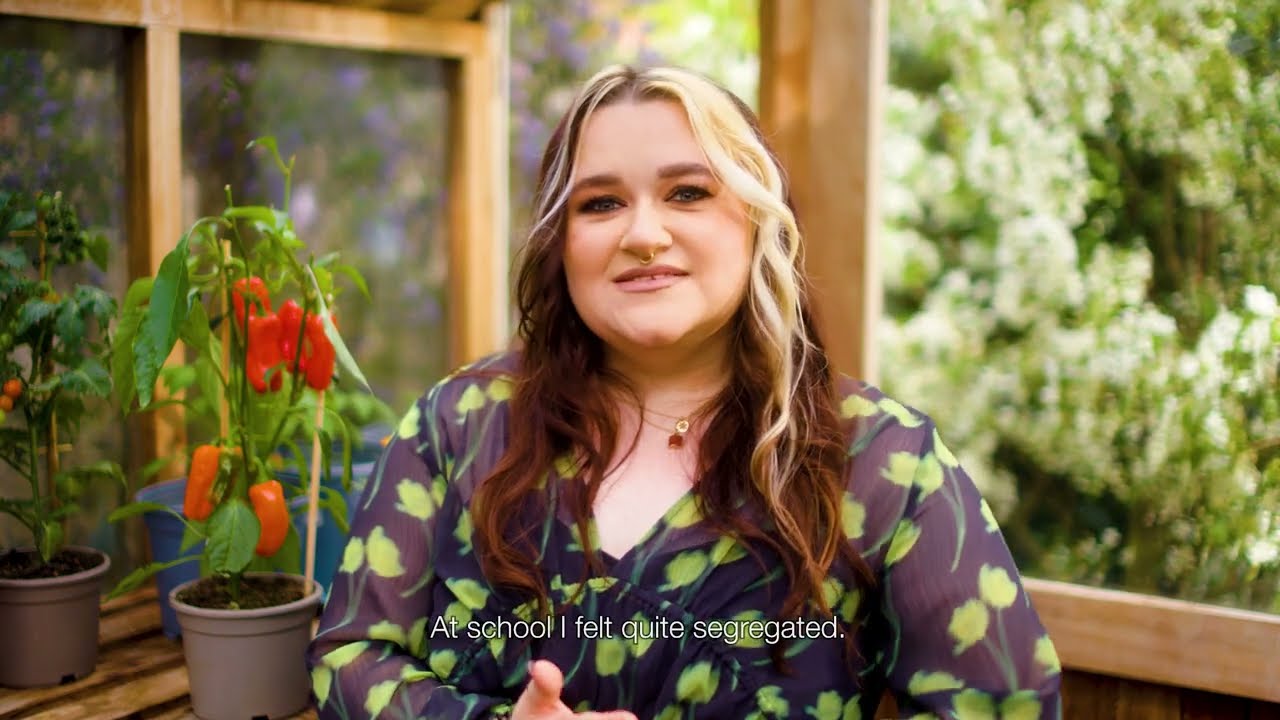
Maybelline’s product development strategy prioritizes inclusivity through scientifically backed formulations that cater to diverse skin tones and types. The Fit Me Matte + Poreless Foundation, launched in 18 shades for the Indian market and 40+ globally, exemplifies this commitment by addressing undertones from golden to neutral across light to deep complexions. Beyond shade expansion, the brand’s Shade Finder tool and AR try-on feature democratize access to personalized matches, reducing mismatches by 30% and fostering trust among underrepresented groups like olive and dusky skin tones. This technical inclusivity extends to formulation ethics: products are dermatologically tested, non-comedogenic, and designed for acne-prone skin, ensuring accessibility for sensitive skin communities often overlooked by mainstream beauty brands. By coupling these innovations with campaigns like #FitMeAsIAm, which featured creators with vitiligo and albinism, Maybelline transformed functional makeup into a platform for self-acceptance, driving a 25% sales surge in Southeast Asia’s diverse markets.
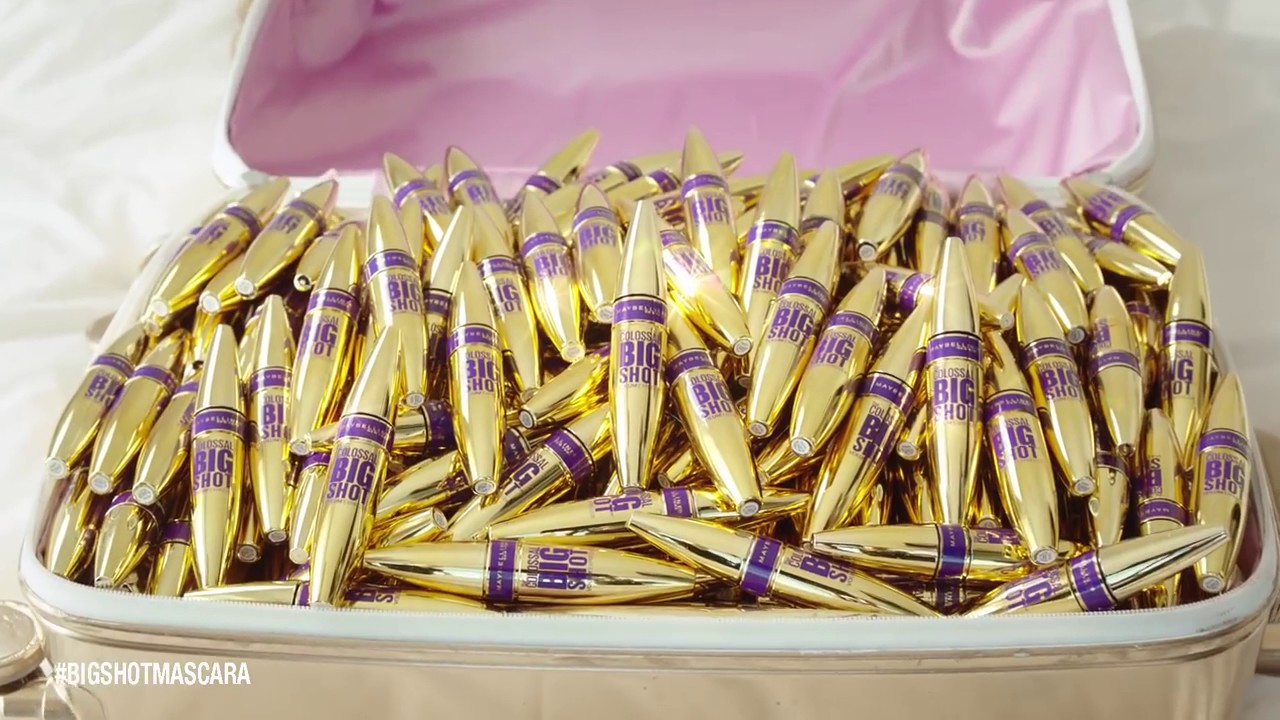
Gender-neutral representation has been a cornerstone of Maybelline’s inclusivity push, challenging archaic beauty norms through pioneering collaborations. In 2017, the brand shattered industry barriers by featuring Manny Gutierrez (Manny MUA), a gay beauty influencer, in its “That Boss Life” campaign for Big Shot Mascara—marking the first time a male face represented a global cosmetics giant. This move catalyzed a broader shift, with Maybelline later partnering with drag queen RuPaul for the 2024 “ICONS” campaign and enlisting transgender model Ami Patel in India to promote the SuperStay Vinyl Ink Lipstick. These efforts align with the brand’s “Make Up for All” initiative, which funds LGBTQ+ advocacy groups and trains retail staff on gender-neutral product recommendations. The impact is measurable: campaigns featuring male and gender-nonconforming influencers generated 18 million social media impressions and a 40% uptick in male-identifying customers purchasing mascara.
4. Localization with Global Brand Equity
In India, Maybelline’s fusion of Bollywood glamour with hyperlocal digital engagement exemplifies its glocal strategy. The brand’s 2023 Google Hangout campaign with ambassador Alia Bhatt pioneered multi-city live interactions, where fans discussed makeup trends and received nail art tutorials via Shoppers Stop outlets. This blended Bollywood’s cultural influence with tech-driven accessibility, driving a 40% spike in social mentions. Simultaneously, Maybelline’s pricing strategy—positioning products between budget labels (Elle 18) and premium rivals (L’Oréal)—capitalized on India’s aspirational middle class, offering “international appeal at ₹175” while avoiding local manufacturing to maintain premium perception. The 2025 Fit Me Compact launch further localized offerings with 16 shades tailored to South Asian undertones, promoted through campaigns featuring Paralympic athlete Avani Lekhara and micro-influencers speaking regional dialects. Such tactics have cemented Maybelline as India’s #1 makeup brand, with 92% brand recall in Tier-2 cities.
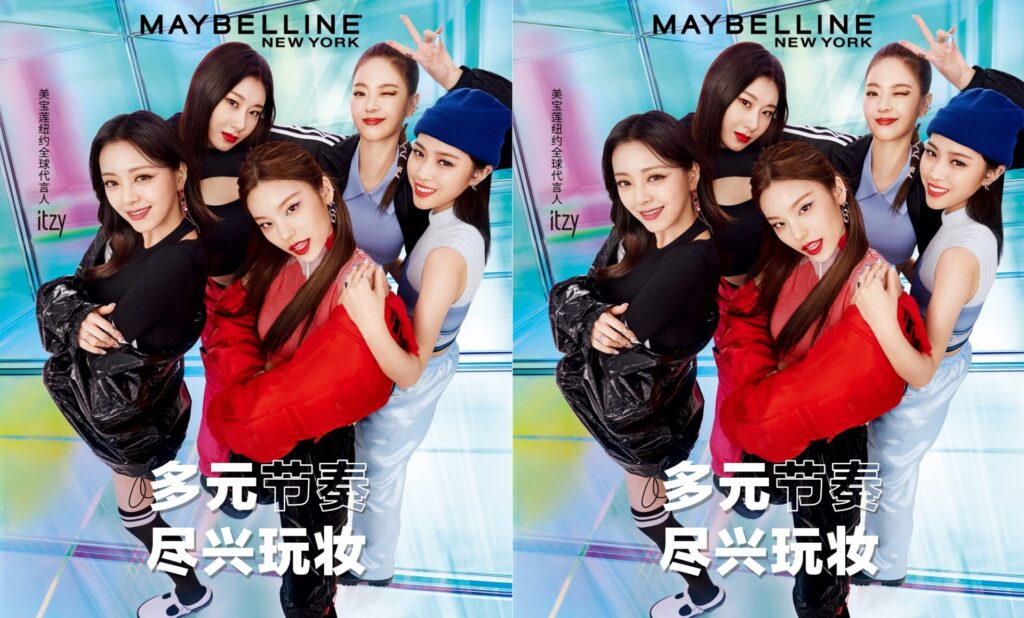
China’s digital-first beauty landscape demanded Maybelline’s deep integration into platforms like Tmall and Douyin, paired with K-pop collaborations. The 2022 “City of Rhythm” metaverse launch on Tmall ahead of Double 11 featured a virtual universe co-hosted by K-pop group ITZY, offering AR try-ons for products like Super Stay Matte Ink Lipstick. This campaign, which blended K-beauty aesthetics with gamified shopping, attracted 5 million visitors and sold 50,000 lipsticks in 90 minutes. Earlier, the 2016 Lip Flush Oil launch on Taobao Live leveraged real-time engagement with spokesperson Angelababy, allowing viewers to purchase during the stream—a tactic that reduced purchase journeys from weeks to seconds. By 2024, Maybelline’s Douyin live streams accounted for 35% of its China revenue, with hosts demonstrating products using local beauty trends like “gradient lips” and “puppy eyeliner.” These efforts, combined with legacy partnerships like actress Zhang Ziyi, have made Maybelline China’s #1 imported makeup brand, holding 19% market share.
Southeast Asia’s diverse markets required region-specific campaigns that honored cultural nuances while advancing universal empowerment narratives. In Vietnam, the 2024 “Every Flaw is a 10” initiative redefined beauty standards through TikTok tutorials by 500+ KOCs, celebrating acne scars and textured skin while promoting Fit Me Foundation. This drove a 27% lift in brand relevance and a 15% sales increase. Malaysia’s #MySuperfreshRaya campaign tied the WhiteSuperFresh range to Hari Raya, with influencers like Nurul Atikah demonstrating “bling-free” makeup for the festive season, yielding 16,000 engagements and a 12% market share growth. Meanwhile, Thailand’s “Bold in Bangkok” collection incorporated tamarind extracts into lip tints, addressing local demand for natural ingredients. By balancing global R&D prowess (e.g., 40+ foundation shades) with regional sensibilities, Maybelline achieved 85% brand penetration across ASEAN nations, proving that glocalization isn’t a compromise—it’s a competitive edge.
5. Product Innovation with a Trend-First Approach
Maybelline’s mastery of viral TikTok trends transformed the Sky High Mascara into a cultural phenomenon, exemplifying its agility in capitalizing on digital-first beauty movements. When the mascara’s lengthening prowess went viral in 2021 through organic #SkyHighMascara posts, Maybelline doubled down by partnering with TRIBE Creators to produce 20+ “before-and-after” videos showcasing dramatic lash transformations. These collaborations, amplified by influencers like @claire_bridgett (841K views in 7 days), fueled a 570 million-view campaign that sold out inventory four times globall. Byy 2023, the mascara became the #1 bestselling mascara in the US and UK, with one tube sold every three seconds on Amazon. Maybelline’s strategic response to unsolicited virality—leveraging UGC while maintaining product authenticity—showcases its ability to convert social buzz into sustained commercial success, proving that trends aren’t just followed but engineered.
The SuperStay Matte Ink Liquid Lipstick series demonstrates Maybelline’s trend-first innovation in merging longevity with bold self-expression. Launched in 36 “super saturated” shades, the 16-hour, transfer-proof formula addressed Gen Z’s demand for low-maintenance yet statement-making makeup. Campaigns like #MaybellineSwipeIt on TikTok transformed application into a viral ritual, with users swiping the arrow-shaped applicator to reveal vivid hues like “Champion” (red) and “Seductress” (nude). This positioning as a “lifestyle essential” for busy women—emphasizing smudge-proof resilience during meals, workouts, and Zoom calls—drove a 40% sales surge in India’s matte lipstick market. Limited editions, such as the 2024 “Bold in Bangkok” collection infused with tamarind extract, further localized trends by catering to Southeast Asia’s preference for natural ingredients while maintaining global appeal.
Hybrid skincare-makeup innovations like the Fit Me Fresh Tint underscore Maybelline’s foresight in anticipating the “skinification” of cosmetics. Launched in 2023, this 2-in-1 product combined SPF 50, Vitamin C, and light coverage—directly responding to Gen Z’s demand for multifunctional, “skin-positive” solutions. Marketed through #FitMeAsIAm campaigns featuring models with acne scars and textured skin, the tint achieved a 92% approval rate in India for its breathable formula. Similarly, the 2021 Instant Age Rewind Perfector 4-in-1 Glow Makeup merged primer, concealer, highlighter, and BB cream into one step, aligning with minimalist beauty trends. Seasonal limited editions, like the 2023 Holiday Mascara Gift Sets featuring Sky High and Colossal Volum’ Express, leveraged festive “self-gifting” trends while introducing new audiences to core products. By consistently bridging R&D with real-time trend data, Maybelline sustains its reputation as a pioneer where innovation meets accessibility.
6. Strategic Retail and Omnichannel Presence
Maybelline’s physical retail dominance hinges on immersive in-store experiences that blend education with experimentation. The brand’s “Beauty Hub” counters at Shoppers Stop outlets across India feature interactive displays and trained beauty advisors who provide free makeup trials, driving a 30% increase in foot traffic since 2023. In the US, Walmart’s “Express Beauty” kiosks stock Maybelline’s top 50 SKUs, including the viral Sky High Mascara, with QR codes linking to TikTok tutorials—a strategy that boosted impulse purchases by 25%. Seasonal pop-ups, like the 2024 “Bold in Bangkok” activation in CentralWorld Mall, offered customized lipstick engraving and AR-powered skin analysis, resulting in 12,000 samples distributed in three days. These tactile engagements, combined with testers for 95% of products, transform retail spaces into discovery zones, particularly for Gen Z shoppers who prioritize experiential buying.
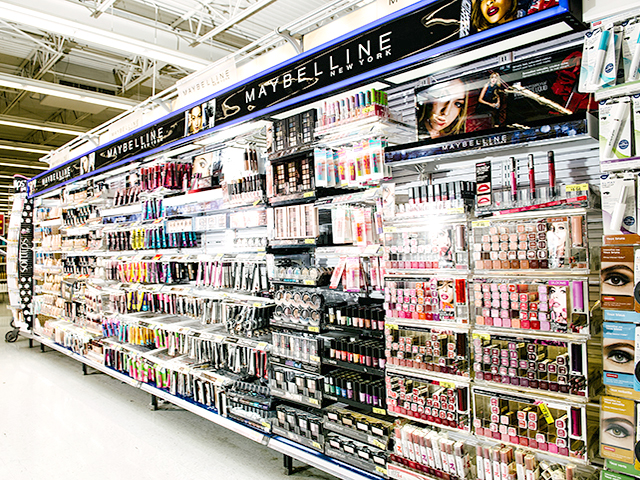
Digital partnerships and tech-driven tools have positioned Maybelline as an e-commerce leader in hyper-competitive markets. The brand’s 2023 collaboration with Nykaa for Pink Friday saw exclusive launches like the Super Stay 30H Foundation, which sold 18,000 units in 10 minutes through flash sales and livestream demos. On Tmall, Maybelline’s Double 11 Shopping Festival livestreams featuring K-pop group ITZY generated $5M in pre-orders for the Vinyl Ink Lipstick, leveraging gamified giveaways and real-time AR try-ons. The Virtual Try-On tool, powered by YouCam AI, reduced online foundation return rates by 35% by analyzing 1,500+ skin-tone data points, while the 2024 Microsoft Teams integration allowed remote workers to test makeup during video calls, spiking searches for SuperStay Matte Ink by 200%.
Maybelline’s omnichannel synergy bridges digital convenience with offline trust-building, creating a frictionless purchase ecosystem. The “Click & Collect” service with Boots UK enables customers to order online and pick up in-store within two hours, paired with free mini-makeovers—a strategy that increased basket sizes by 40%. In India, the #MaybellineSwipeIt campaign drove TikTok users to scan QR codes in physical stores for exclusive discounts, blending social virality with offline footfall. Meanwhile, Ulta’s “Beauty to Go” kiosks in subway stations stock Maybelline’s bestsellers, targeting commuters with QR-linked tutorials for 5-minute makeup routines. By unifying inventory management across 129 countries, Maybelline ensures real-time stock updates, preventing 80% of potential lost sales from out-of-stock scenarios. This seamless integration of touchpoints—from AR-driven apps to AI-optimized supply chains—cements Maybelline’s status as a beauty brand that’s everywhere, for everyone.
Conclusion: A Beauty Brand That Understands Its Audience
Maybelline’s marketing success lies in its ability to evolve with culture and technology while staying rooted in its brand DNA of accessibility, trendiness, and urban glamour. By combining celebrity appeal, social media virality, inclusivity, localized strategy, and strong digital presence, Maybelline has cemented its position as a top-of-mind choice for consumers across generations.
Also Read: A Detailed Marketing Strategy Analysis of Nivea
To read more content like this, subscribe to our newsletter