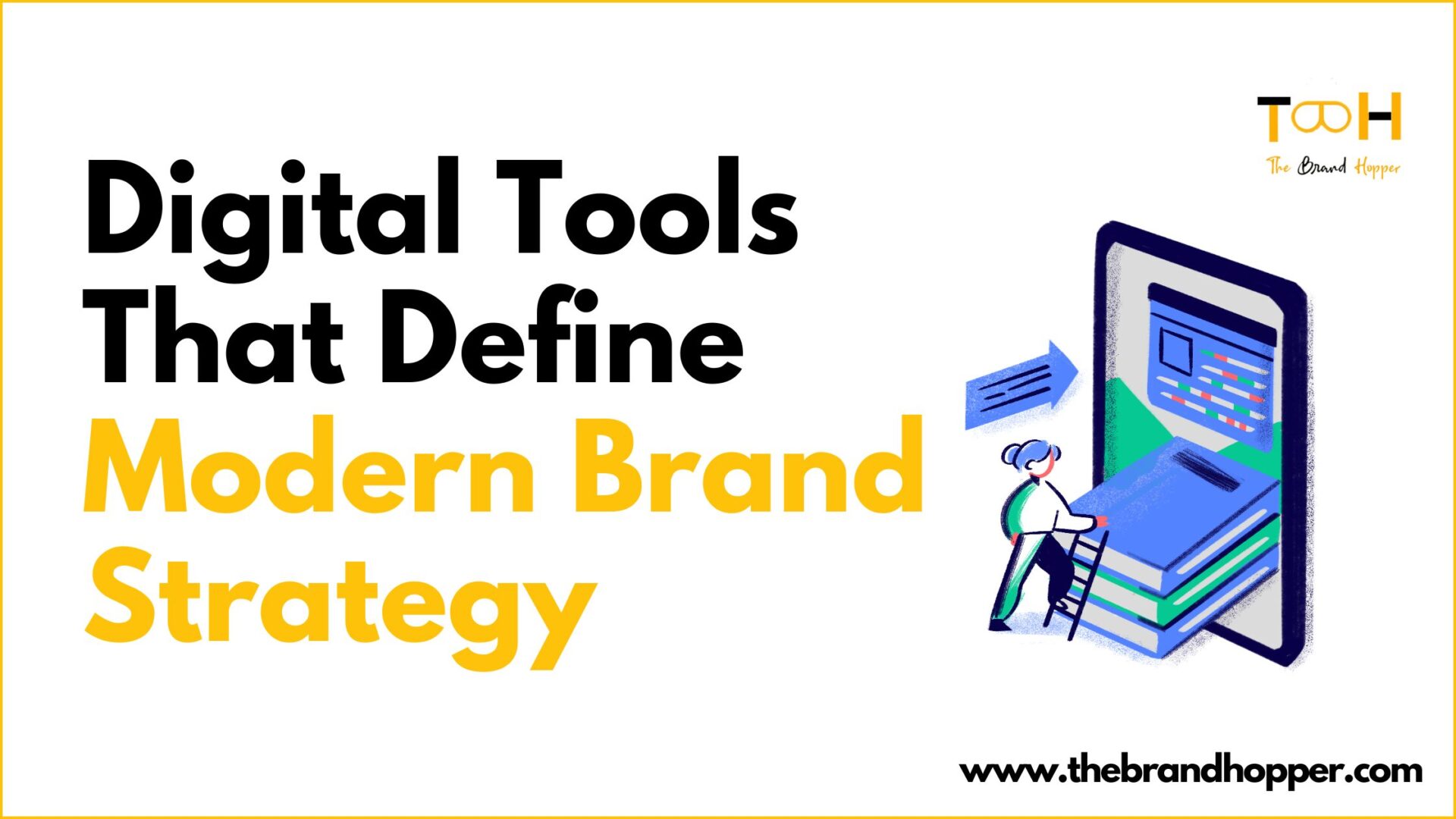
Once upon a time—not so long ago, in fact—brand strategy was mostly billboards, jingles, and intuition. But the world spins fast. The 2020s have flipped the playbook. Now, algorithms inform decisions faster than meetings do. Digital tools? They’re not extras. They’re the core. From sales outreach to customer support feedback loops, modern brand strategies are built not on guesswork but on data, speed, and seamless integration. And that changes everything.
A recent Salesforce report claims that 78% of customers expect consistent interactions across departments, yet only 50% of companies deliver. That’s not just a gap—it’s an opportunity screaming for digital alignment.
Sales: Smarter, Faster, Less Pushy
Today’s sales teams don’t walk around with binders and hope. They click, analyze, and personalize. Tools like CRM platforms (think HubSpot, Pipedrive, or Zoho—not by name, of course) let reps know what prospects click on, what emails they read, and even when they’re most likely to respond. Some might call it surveillance. Marketers call it precision.
Sales enablement platforms now house digital content libraries, interactive product demos, and real-time performance analytics. Gone are the generic sales pitches; now it’s “Hey, noticed you looked at X three times yesterday—want to dive deeper?” Smooth. Efficient. Human, yet enhanced.
Marketing That’s More Algorithm Than Art (But Still a Bit of Both)
Let’s be honest: branding used to be a lot of guesswork dressed up in good design. Now? It’s analytics dashboards blinking with user data, A/B testing tools, and AI-powered sentiment analysis. We’re in the era where every pixel is measured.
Social media management platforms don’t just schedule posts. They optimize timing, assess engagement heat maps, and even suggest which keywords are outperforming. Email marketing tools use predictive AI to test subject lines before a human sees them. And let’s not ignore influencer tracking tools—they quantify impact per dollar, not per vibe.
According to Statista, digital advertising spend is expected to reach $835 billion globally by 2026. You don’t throw that kind of money at pretty guesses. You invest in tools that tell you what works before you even blink.
Customer Support: No More Hold Music
In the past, customer support meant a phone call, a long wait, and a script-reading agent. Now? Chatbots handle FAQs with eerie accuracy. Live agents—when needed—are prepped with full customer histories thanks to unified communication tools.
Platforms integrate emails, chats, social DMs, and even reviews. A customer complains on Twitter? Support already knows their last ticket from six months ago. Speed matters. Consistency matters more. With automation and digital escalation workflows, brand trust isn’t just maintained—it’s built, 24/7.
Recording calls is a key step in providing quality customer service and achieving high levels of satisfaction. For businesses, these recordings offer insight goldmines: tone analysis, pain points, unresolved issues. Individuals can benefit from a call recording app too—ever forget what was promised in a call? Hit replay. If before everyone was held back by the need to invest a lot of money in equipment, today it is enough to download on iPhone iCall and the problem is solved. Used ethically and transparently, it’s a simple habit with long-lasting strategic impact.
Internal Communication: No More Silos, Please
Digital brand strategy isn’t just what the world sees—it’s what happens behind closed Slack channels and Trello boards too. Tools that keep marketing, sales, support, and product teams aligned are the unsung heroes. Internal misalignment kills campaigns. Collaborative platforms prevent that.
Imagine a support agent seeing a new product feature in a chat before it’s live. Or a sales rep giving feedback that marketing instantly turns into messaging. Tools don’t just track work—they link thinking. They turn employees into a synchronized machine rather than scattered soloists.
And let’s not forget analytics. When teams can access shared KPIs and dashboards, they aren’t working blindly. They’re aiming at the same target. With the same bow. At the same time.
Strategy Isn’t a Plan. It’s a System.
Let’s shake off that old belief that a strategy is something you write once and dust off quarterly. No. In a digital-first brand landscape, strategy is a living, breathing organism—one that evolves with every click, complaint, and comment.
That’s why digital tools matter. They don’t just assist the strategy—they are the strategy.
From conversation recordings that improve coaching, to CRM systems that reveal buying behavior, from AI that enhances outreach timing to support platforms that reduce churn, each piece connects to a larger structure. That structure defines your brand.
And that brand? It’s not a logo. It’s how your tools work in unison to deliver value—day in, day out.
Final Word: More Than Tools—It’s About Intent
Digital tools won’t save a bad brand. They amplify what already exists. If your intent is to create value, deliver consistency, and respond with agility, then your tools become your backbone.
Think of it this way: tools are instruments. But music? That’s strategy.
Use them well. Use them intentionally. And your brand won’t just survive in the digital age—it will lead.
To read more content like this, explore The Brand Hopper
Subscribe to our newsletter