Once a symbol of Germany’s post-war economic miracle and the creator of the world’s most beloved car, the Beetle, Volkswagen now finds itself struggling to navigate an increasingly complex automotive landscape. The company that once epitomized reliability and innovation has faced a series of missteps and challenges that have fundamentally altered its trajectory, raising questions about its future in a rapidly evolving industry.
From People’s Car to Global Powerhouse
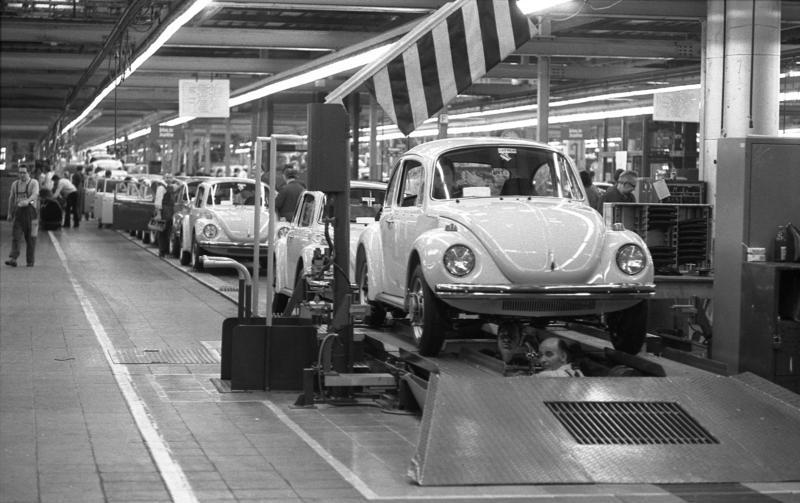
Volkswagen’s journey began in 1937 with a simple yet ambitious goal: to create a “people’s car” that ordinary Germans could afford. The iconic Beetle, originally known as the KdF-Wagen, became the foundation of what would grow into one of the world’s largest automakers. After World War II, under British oversight and later German management, Volkswagen experienced remarkable growth, with the Beetle becoming a global phenomenon and selling over 21.5 million units.
The company’s success continued through the decades, with innovative models like the Golf, Passat, and Polo establishing Volkswagen as a dominant force in European markets. By the early 2000s, the Volkswagen Group had assembled an impressive portfolio of brands including Audi, SEAT, Škoda, Bentley, Lamborghini, and Porsche. In 2000, the company achieved record deliveries of over 5 million vehicles and saw its pre-tax profits increase by 37.5%.
The Dieselgate Scandal: A Devastating Blow
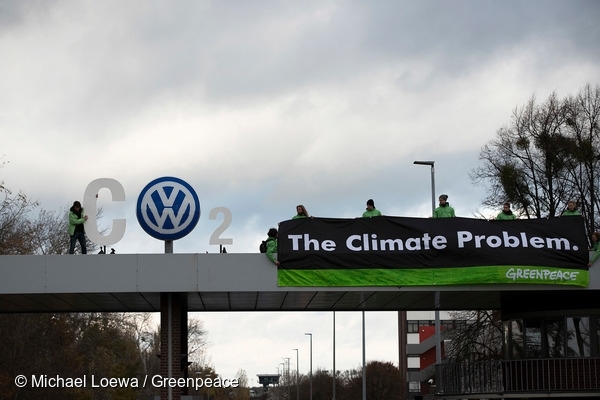
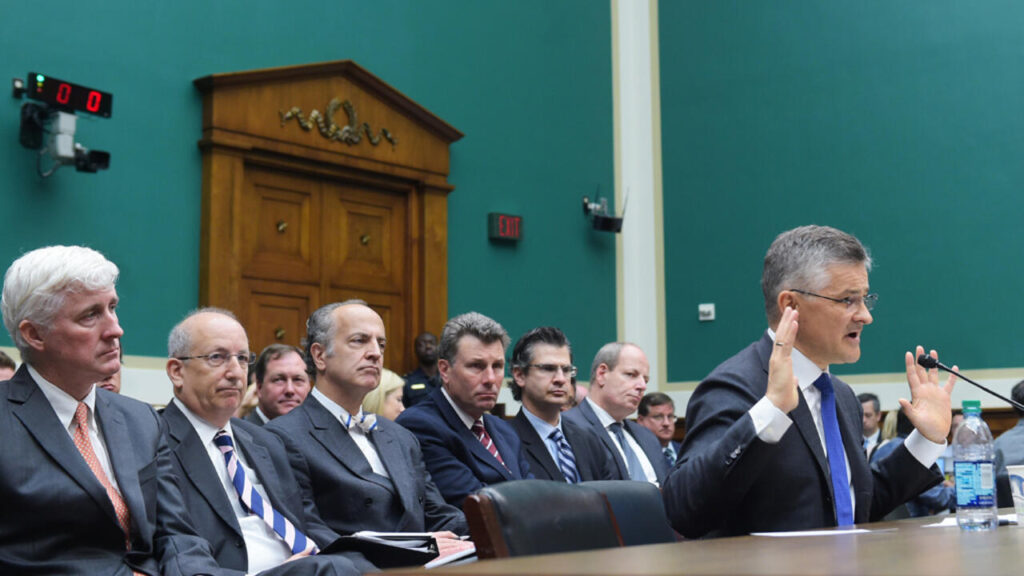
The first major indication that Volkswagen had lost its way came in September 2015 with the eruption of the Dieselgate scandal. The U.S. Environmental Protection Agency discovered that Volkswagen had intentionally installed “defeat devices” in approximately 11 million diesel vehicles worldwide, including 500,000 in the United States. These devices were designed to detect when vehicles were undergoing emissions testing and would activate emissions controls only during laboratory tests, while allowing vehicles to emit up to 40 times more nitrogen oxides during normal driving.
The scandal proved catastrophic for Volkswagen’s reputation and finances. As of June 2020, the company had paid $33.3 billion in fines, penalties, financial settlements, and buyback costs. More damaging than the financial impact was the destruction of trust that Volkswagen had built over decades. The company that had marketed its diesel vehicles as “clean” and environmentally friendly was exposed as having systematically deceived regulators and consumers.
The scandal forced a complete strategic rethink. In 2016, Volkswagen appointed a Sustainability Council to help transform the company into a “world-leading provider of sustainable mobility”. This marked the beginning of an aggressive pivot toward electric vehicles, but the transition would prove more challenging than anticipated.
The Electric Vehicle Transition Struggles
Following Dieselgate, Volkswagen committed heavily to electric mobility, announcing plans to launch up to 75 all-electric models over the next decade. The company invested billions in its ID series of electric vehicles, positioning them as central to its future. However, the EV transition has been fraught with difficulties.
The ID lineup has underperformed expectations, suffering from initial software challenges and weak demand both domestically and internationally. In 2024, Volkswagen admitted it would need to increase production of plug-in hybrids due to the deceleration of EV sales. The company has abandoned plans for a €2 billion EV factory in Germany and scrapped outside investment in its battery unit.
Perhaps most tellingly, Volkswagen is selling so many combustion engine cars that it’s projected to exceed its emissions allowance, forcing CEO Oliver Blume to request flexibility from European regulators. This represents a stark contradiction to the company’s stated commitment to electrification and climate goals.
Chinese Market Challenges
Nowhere has Volkswagen’s decline been more evident than in China, traditionally its largest and most profitable market. The company is struggling to compete with domestic Chinese EV manufacturers like BYD, which dominate through aggressive pricing and innovation. Chinese consumers, who once favored Volkswagen’s brand prestige, are increasingly choosing local EV brands that offer better value and more advanced technology.
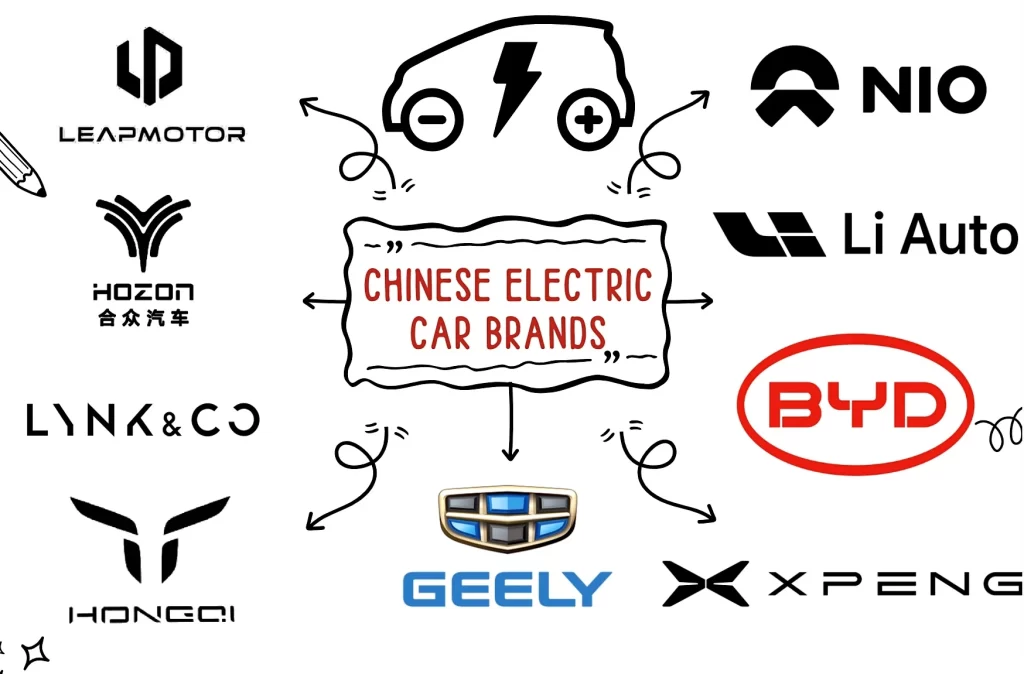
The Chinese price war has forced Volkswagen to cut prices to remain competitive, severely squeezing profit margins. The company’s reliance on traditional combustion engine vehicles has left it particularly vulnerable in a market rapidly transitioning to electric mobility. Chinese manufacturers, supported by government subsidies and lower production costs, have successfully undercut global brands including Volkswagen.
This market shift represents more than just lost sales; it signals a fundamental change in global automotive dynamics where traditional Western automakers no longer hold the technological and brand advantages they once enjoyed.
European and Global Market Pressures
Volkswagen’s challenges extend beyond China to its home market in Europe. Rising interest rates and inflation have discouraged consumers from purchasing new vehicles, particularly expensive EVs. The reduction of government subsidies for electric vehicles in countries like Germany and Sweden has further dampened demand.
The European automotive market has shrunk by approximately two million vehicles annually since 2020, with industry observers noting that “the sector was stagnating and will not recover in the foreseeable future”. Despite holding a quarter of European market share, Volkswagen faces overcapacity and declining profitability in its core markets.
These pressures have led to unprecedented decisions, including the company’s first-ever consideration of closing plants in Germany. Such closures would not only impact thousands of jobs but also symbolize the end of an era for German industrial prowess.
Internal Challenges and Strategic Missteps
Beyond external market pressures, Volkswagen has struggled with internal challenges that reflect poor strategic planning and execution. The company has been slow to adapt its production facilities for efficient EV manufacturing, resulting in high production costs that Chinese competitors largely avoid.
The transition from air-cooled to water-cooled engines in the 1970s represented a successful technological shift, but the current transition to electric mobility has proven far more complex. Supply chain disruptions, lack of key EV components like batteries, and production inefficiencies have hampered the company’s ability to scale EV production effectively.
Volkswagen’s brand portfolio, once a strength, has become a liability in some segments. The company’s mass-market brands like SEAT and Škoda often compete directly with Volkswagen-branded vehicles, creating internal competition and confusing market positioning.
A Uncertain Future
The convergence of these challenges has left Volkswagen at a critical juncture. The company that once symbolized German engineering excellence and reliability now faces questions about its long-term viability. While Volkswagen continues to invest in electric mobility and has set ambitious targets for EV sales, the gap between aspirations and reality continues to widen.
The automotive industry’s transformation toward electrification, digitalization, and autonomous driving represents both an opportunity and an existential threat for traditional automakers like Volkswagen. The company’s ability to navigate these changes while maintaining profitability and market relevance will determine whether it can reclaim its position as an industry leader or continue its decline into irrelevance.
Volkswagen’s fall from grace serves as a cautionary tale about the dangers of complacency, the consequences of ethical failures, and the challenges of managing technological transitions in rapidly evolving markets. How the company responds to these challenges will shape not only its own future but also the broader transformation of the global automotive industry.
To read more content like this, explore The Brand Hopper
Subscribe to our newsletter