For nearly a century, a simple, interlocking plastic brick has sparked imaginations, built worlds, and fostered creativity across generations. LEGO, a name derived from the Danish phrase “leg godt” meaning “play well,” transcends being merely a toy manufacturer. It is a cultural phenomenon, an educational tool, a design icon, and a masterclass in brand resilience. This is the story of how a humble carpenter’s workshop in rural Denmark laid the foundation for a global empire built on dreams, one brick at a time.
Foundations in Wood: The Vision of Ole Kirk Christiansen (1932-1949)
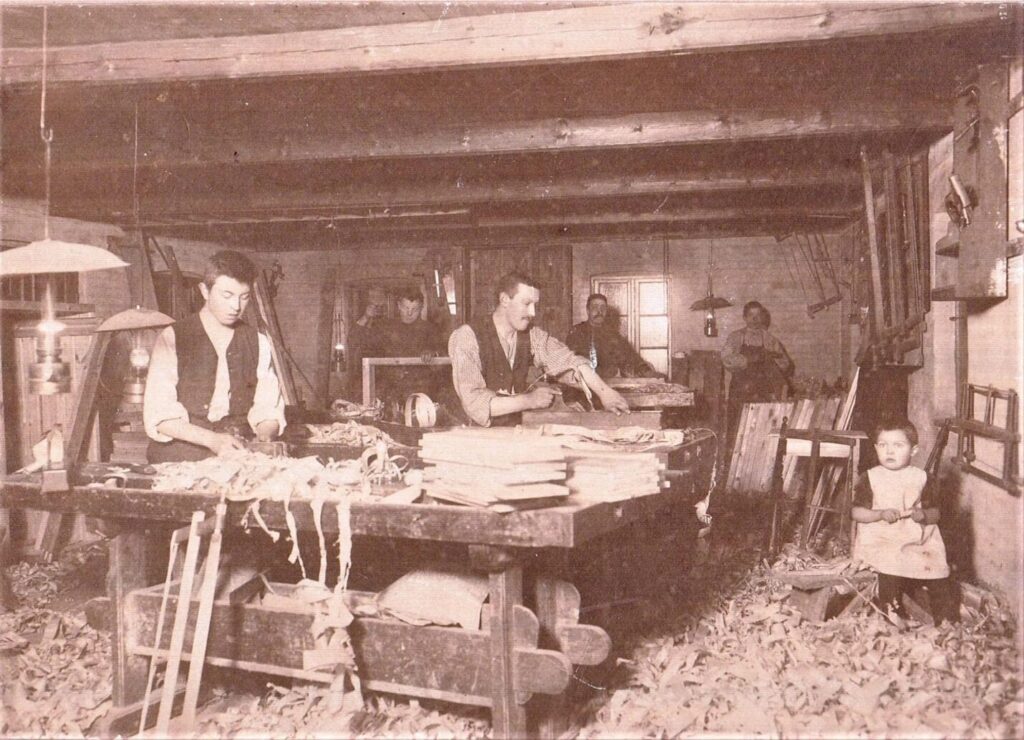
Our story begins not in plastic, but in wood, amidst the economic hardships of the Great Depression in 1932. In the small village of Billund, Denmark, master carpenter Ole Kirk Christiansen found his business struggling. Seeking new avenues, he pivoted towards crafting practical wooden household items and miniature versions as toys. This marked the birth of the company, initially named “Billund Maskinsnedkeri” (Billund Woodworking and Carpentry Shop). The name “LEGO” was officially adopted in 1934, reflecting Ole Kirk’s core belief: that play was essential for child development.
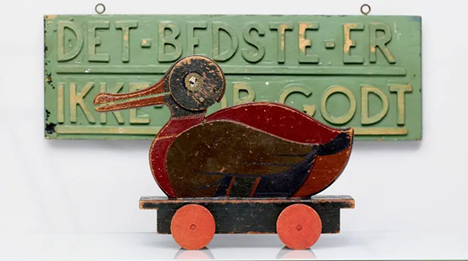
Despite adversity, including a devastating workshop fire in 1942, Ole Kirk persevered. His motto, “Det bedste er ikke for godt” (“Only the best is good enough”), became the company’s guiding principle, emphasizing quality and craftsmanship ingrained in the brand’s DNA. Early wooden toys included yo-yos, pull-along animals, and trucks. The seeds of the system were sown in 1947 with the acquisition of Denmark’s first plastic injection molding machine, initially used for simpler items like plastic teddy bears and a truck with interlocking plastic bricks – a glimpse of the future.
The Birth of the Brick: Evolution of the System (1949-1958)
The true revolution began in 1949 with the introduction of the “Automatic Binding Bricks.” Made of cellulose acetate, these bricks, based loosely on a UK patent by Hilary Page (Kiddicraft), were hollow rectangles with four or eight studs on top. They could interlock, but their clutch power was limited, and they lacked the tubes underneath that define modern LEGO bricks. Crucially, Ole Kirk and his son, Godtfred Kirk Christiansen (who joined the company as a child and became Managing Director in 1956), envisioned more than individual toys. They saw the potential for a system.
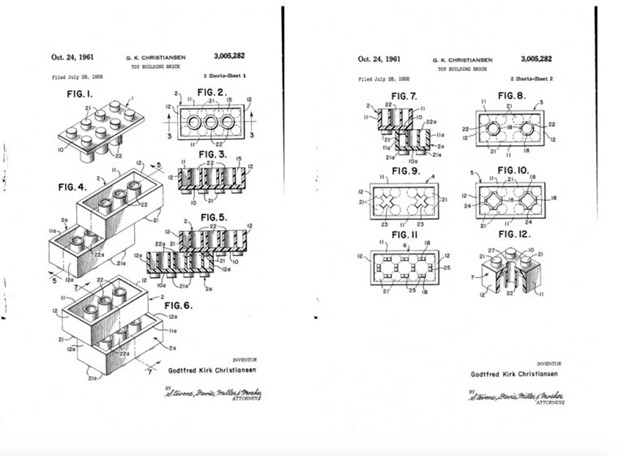
Godtfred crystallized this vision in 1954 during a conversation with an overseas toy buyer. He articulated the “LEGO System of Play” – the revolutionary idea that every LEGO set, no matter its theme, should be compatible with every other LEGO set. This principle of limitless interconnectivity became the bedrock of the brand. The critical breakthrough came in 1958 with the patenting of the modern LEGO brick design: the hollow tubes underneath the brick significantly improved clutch power and stability. This iconic design, virtually unchanged for over 60 years, ensured creations wouldn’t easily topple and enabled unprecedented structural complexity. Tragically, Ole Kirk passed away this same year, leaving Godtfred to build upon the foundation.
Building Momentum: Growth, Themes, and the Minifigure (1959-1988)
The 1960s and 70s marked a golden age of expansion. LEGO bricks gained international traction, with sales growing exponentially. Key developments fueled this growth:
- Wheels (1962): Adding mobility revolutionized play, enabling cars, trucks, and trains, expanding the system’s possibilities.
- LEGO DUPLO (1969): Recognizing the needs of younger children, larger, softer bricks were introduced, opening the brand to a new demographic.
- The Minifigure (1978): Perhaps the most significant innovation after the brick itself. These small, yellow, customizable figures (initially without facial expressions or movable arms) breathed life into LEGO creations. They became avatars for play, enabling storytelling and character-driven narratives. Classic themes like LEGO Castle (1978), LEGO Space (1978), and LEGO Town (1978) launched alongside them, providing context and fueling imagination. These themes established the blueprint for decades of future sets.
Godtfred continued to champion the System of Play and quality, ensuring consistency across factories opening worldwide. LEGO Parks (later LEGOLAND) began as a small display in Billund in 1968, evolving into dedicated theme parks celebrating the brick.
The Plastic Empire Expands: Diversification & Growing Pains (1989-2003)
Following Godtfred’s death in 1995, the third generation, Kjeld Kirk Kristiansen (Godtfred’s son), took the helm. The 1990s saw aggressive expansion and diversification:
- Ambitious New Themes: LEGO Technic (geared towards older builders), LEGO DUPLO expanded, and hugely successful licensed themes emerged, most notably LEGO Star Wars (1999), proving the power of pop culture partnerships. Themes like BIONICLE (2001) introduced unique building systems and rich mythology.
- Venturing Beyond Bricks: LEGO invested heavily in video games (LEGO Island, 1997), clothing lines, LEGOLAND parks globally, media productions, and even unsuccessful forays like LEGO-branded watches and children’s apparel via licensing. The product portfolio exploded.
- Cultural Icon Status: LEGO cemented its place in popular culture, synonymous with creativity and quality construction toys.
However, this rapid expansion came at a cost. The core principles began to blur:
- Complexity Creep: Sets became more specialized, with unique, single-use parts increasing dramatically. This eroded the “System” principle, as parts from one theme often didn’t integrate well with others.
- Cost & Complexity: Manufacturing became more complex and expensive with the sheer number of unique elements. Inventory management became a nightmare.
- Loss of Focus: Resources were spread thin across too many non-core ventures, diluting the brand’s identity.
- Competition: Video games and other electronic toys captured children’s attention.
- Innovation Stagnation: Core brick innovation slowed amidst the diversification.
The result was a slow-motion crisis. By the early 2000s, LEGO was haemorrhaging money, facing its first-ever loss in 1998, and plummeting towards near-bankruptcy by 2003. The beloved brand was on the brink.
Back to the Brick: The Phoenix Rises (2004-Present)
Facing potential collapse, Kjeld Kirk Kristiansen made a pivotal decision: bringing in an outsider, Jørgen Vig Knudstorp, as CEO in 2004. Knudstorp, a former McKinsey consultant, initiated one of the most remarkable turnarounds in corporate history. His strategy was brutally simple: Return to the Core.
- Radical Simplification: Drastically reduced the number of unique elements (SKUs), eliminating overly specialized parts. Reaffirmed the System of Play – ensuring new parts enhanced, not hindered, compatibility.
- Innovation Refocused: Investment poured back into core brick innovation (new colors, elements, techniques) and high-quality licensed themes (Harry Potter, Super Heroes) and evergreen themes (City, Creator). Ideas like LEGO Mindstorms (robotics) and Architecture flourished.
- Operational Overhaul: Streamlined manufacturing, outsourced non-core functions (like video games to TT Games), and implemented strict financial discipline. Sold off the LEGOLAND parks (while retaining a stake and brand rights).
- Embracing the Community: Recognized and empowered the Adult Fans of LEGO (AFOLs). Launched LEGO Ideas (2008) (originally CUUSOO), where fans submit designs, and popular votes can turn them into official sets. This created incredible goodwill and direct consumer insight.
- Strategic Licensing: Doubled down on successful partnerships (Star Wars, Marvel, DC, Disney) while ensuring sets maintained the LEGO build experience and charm.
- Digital Integration: Developed successful digital platforms like LEGO Life (later merged), LEGO Builder’s App, and immersive video games that complemented, rather than competed with, physical play.
- Sustainability Drive: Launched ambitious goals to use sustainable materials in core products and packaging by 2032, investing heavily in bio-based and recycled plastics.
The turnaround was spectacular. LEGO returned to profitability swiftly and grew to become the world’s largest toy manufacturer by revenue in 2014, a position it has largely held since.
Beyond the Brick: Cultural Impact and the LEGO Ecosystem
LEGO’s impact extends far beyond the playroom:
- LEGO in Education: LEGO Education provides tools for hands-on STEM/STEAM learning, used in schools worldwide. Concepts like robotics (Mindstorms/SPIKE Prime) and early learning (DUPLO) are integral to curricula.
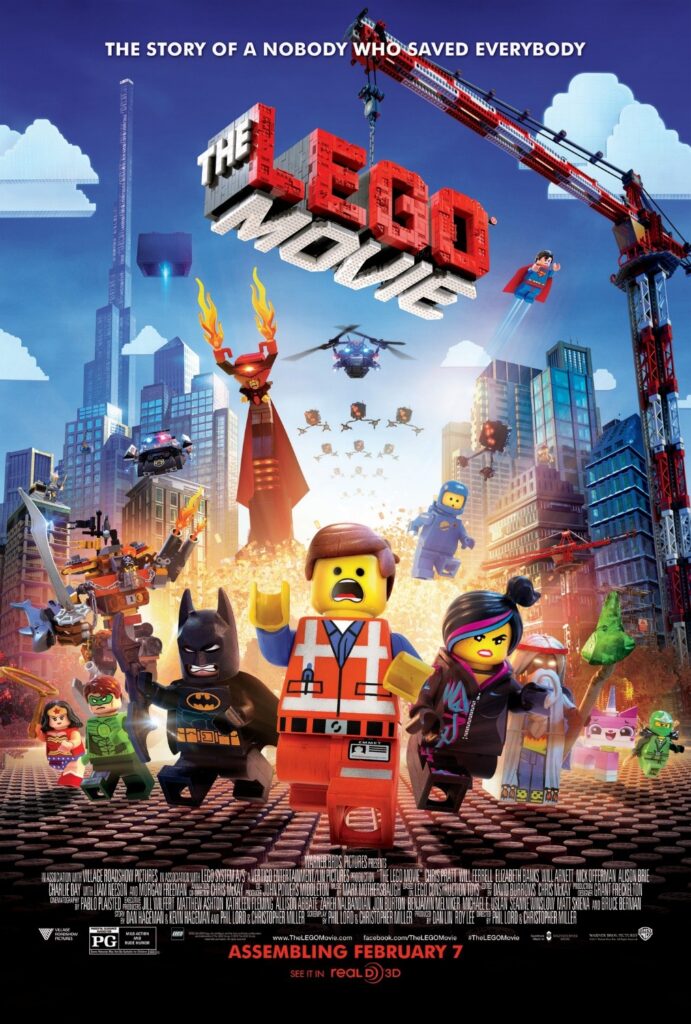
- The LEGO Cinematic Universe: The LEGO Movie (2014) and its sequels/spin-offs were critical and commercial triumphs. They masterfully captured the brand’s anarchic creativity, humor, and core message: “Everything is Awesome” when you embrace imagination and collaboration. They revitalized the brand for a new generation.
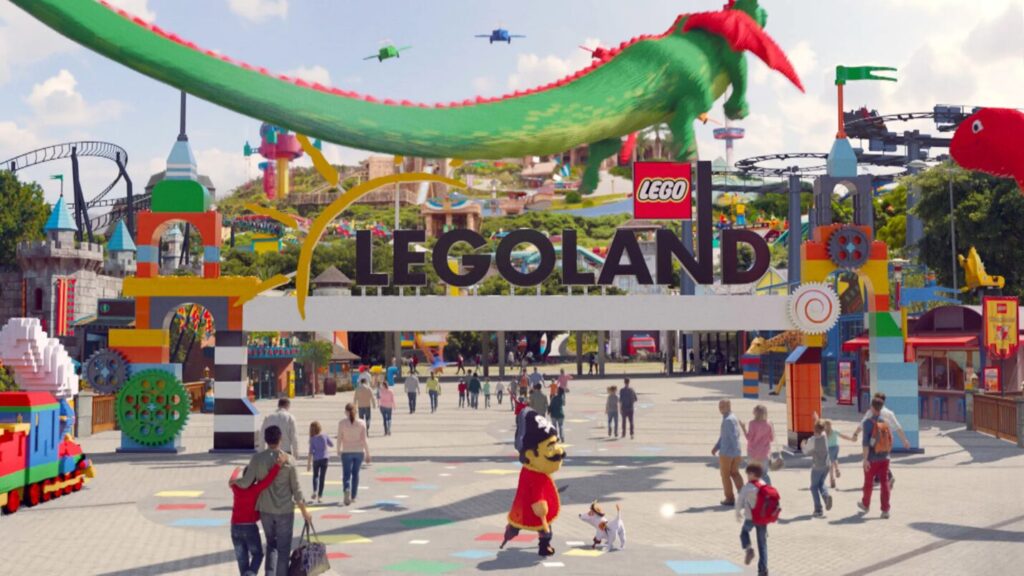
- Theme Parks & Experiences: LEGOLAND Parks (now owned by Merlin Entertainments, but LEGO-branded) and LEGO Discovery Centers offer immersive brick-based experiences globally.
- Art & Design: LEGO is embraced by artists and designers for large-scale sculptures, mosaics, and conceptual art, recognized as a legitimate medium.
- Adult Building: AFOLs drive a vibrant community with conventions (BrickCon, BrickFair), online forums, intricate custom builds (MOCs – My Own Creations), and a thriving market for rare sets. LEGO explicitly caters to them with sophisticated sets (Creator Expert, Technic, Architecture, Icons).
The Enduring Magic: Why LEGO Endures
What is the secret to LEGO’s enduring appeal and resilience?
- The Power of the System: Unlimited potential. A finite set of bricks can create infinite possibilities, limited only by imagination. This fosters open-ended play and creativity.
- “Only the Best is Good Enough”: Uncompromising quality and consistency. Bricks made decades ago still clutch perfectly with those made today. This builds immense trust.
- Timelessness: The core brick transcends trends. While themes evolve, the fundamental joy of building remains constant.
- Nostalgia & Multi-Generational Appeal: Parents who played with LEGO eagerly introduce it to their children, creating shared experiences and a powerful emotional connection.
- Learning Through Play: LEGO intuitively teaches spatial reasoning, problem-solving, fine motor skills, storytelling, and collaboration.
- Adaptability: The brand successfully navigated the digital age, integrating technology meaningfully while keeping physical bricks central. It embraces fan input and adapts to cultural shifts.
- Universal Themes: Building, creating, storytelling – these are fundamental human desires LEGO taps into across cultures.
Conclusion: More Than Just Bricks
From the ashes of a carpenter’s fire to the brink of financial collapse and back to global dominance, the LEGO story is a testament to vision, resilience, and unwavering belief in the power of play. It’s a story of staying true to core values while fearlessly innovating. LEGO bricks are more than plastic; they are vessels for dreams, tools for learning, and connectors across generations and cultures.
The brand’s enduring magic lies in its simplicity and infinite potential. A child building their first tower experiences the same fundamental joy as an engineer crafting a complex Technic masterpiece or an artist creating a breathtaking sculpture. LEGO empowers everyone to be a creator, a storyteller, an architect of their own imagination. It reminds us that sometimes, the most profound innovations are also the simplest, and that rebuilding, whether after a literal fire or a metaphorical collapse, often leads to something even stronger. As long as there are dreams to build and stories to tell, LEGO will continue to inspire, one click at a time, building dreams one brick at a time. The next chapter, built on sustainability and continued innovation, is already being assembled, ensuring those bright plastic bricks will spark joy and creativity for generations to come.
Also Read: Why LEGO is considered Iconic? – Success Factors of LEGO
To read more content like this, subscribe to our newsletter