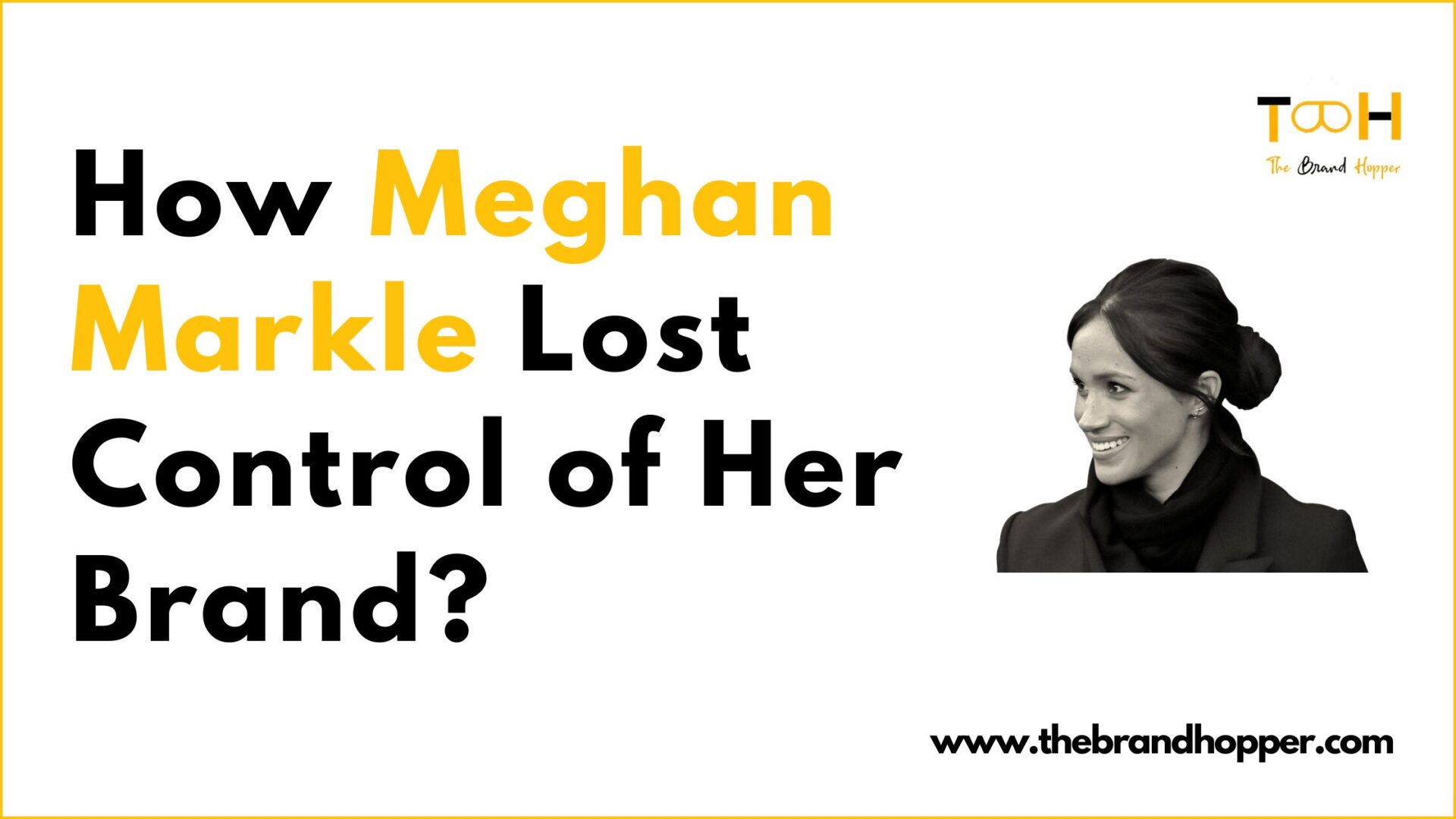
When Meghan Markle stepped onto the world stage, she had all the elements of a breakout brand: a modern fairytale, a platform built on purpose, and a media narrative ready to cheer her on. But what started as a powerful personal brand rooted in change and courage quickly became… fuzzy.
Not in message. In meaning.
For founders and entrepreneurs trying to build brands that scale with authenticity and impact, Meghan’s trajectory offers a masterclass, not in success, but in the cost of misalignment.
Let’s break it down.
Act I: The Brand Promise Was Strong
In the early days, Meghan Markle was everything a modern brand wants to be:
- Culturally aware
- Socially driven
- Disruptive in all the right ways
- Beautifully positioned as a relatable outsider inside one of the world’s oldest institutions
She wasn’t just part of the royal story. She was the modern rebrand. The humanizing force. The bridge between monarchy and modernity.
Her personal brand was elegant but outspoken. Polished but progressive. For a while, the world believed in the power of her narrative.
But in branding, consistency is currency. And soon, the value started to drop.
Act II: Where the Messaging Cracked
The first real shift came not from what she said, but from what wasn’t said clearly enough.
Brands live and die by clarity. And Meghan’s brand began to drift into contradictions:
- A desire for privacy paired with a multimillion-dollar Netflix deal
- A rejection of institutional constraints followed by a cascade of exclusive contracts
- A spoken commitment to service, but limited, visible follow-through in the public domain
To be clear: none of this is inherently wrong. Brands evolve. People evolve. But without a clear narrative thread, audiences start asking: Wait—what are we doing here?
The result? Confusion. Skepticism. Distance.
It’s not that people didn’t want to root for her. It’s that they didn’t know what they were rooting for anymore.
Act III: The Overexposure Trap
The more the brand tried to “course correct,” the more it fractured.
In 2023 alone, multiple ventures fell flat:
- Spotify pulled the plug on their deal after one underwhelming season
- Netflix content stalled or was met with lukewarm response
- Archetypes, her podcast, was praised for tone but criticized for repetition and lack of originalityThen came the American Riviera Orchard launch—a social media rollout that felt more like a lifestyle parody than a brand renaissance. A cursive logo, a jar of jam, and… radio silence.
No product details. No launch strategy. No brand story. Just optics.
In branding, aesthetic without substance is death by pretty.
What Founders Can Learn
This isn’t about Meghan the person. It’s about the disconnect between brand promise and brand execution—something countless startups, influencers, and founders fall into.
Here are the takeaways that matter:
1. Clarity Beats Complexity
You can have ten ideas, ten partnerships, ten ambitions. But your brand needs one throughline. One message that holds it all together. When in doubt, simplify.
2. You Don’t Have to Be Everything to Everyone
Trying to hit every demographic, every value system, and every audience is the fastest way to dilute your message. Focus builds belief.
3. People Forgive Imperfection. They Don’t Forgive Inauthenticity
If you pivot, say it. If you made a mistake, own it. What erodes trust isn’t change. It’s pretending nothing changed.
4. You Can’t Outsource Identity
A great PR team can’t fix brand confusion. Slick design won’t save weak positioning. Strategy has to start at the core—or the rest won’t matter.
When the Brand Drifts, So Does the Revenue
Deals fall apart when audiences disengage. That’s not just a celebrity problem. That’s a startup problem. A solopreneur problem. A founder problem.
People invest in what they understand. When your message gets muddled, your business model follows.
And when your image outpaces your infrastructure, you can get stuck building on visibility without viability.
That’s where a lot of business owners start scrambling. Looking for stopgaps, pressure valves, any financial solution that gives them enough time to reset the foundation.
Sometimes, that means rethinking priorities. Sometimes, it means having access to tools that help you pause the fire drill and make a clear plan. That’s where a personal lending option like MoneyKey may help—not as a magic fix, but as a resource when you need some breathing room to get back on track.
The Meghan Effect: Relevance Without Resonance
Here’s the real kicker.
Meghan Markle’s brand still gets attention. Still gets headlines. Still drives clicks. But the resonance? The emotional pull that makes people trust, follow, buy, advocate?
That’s what’s been lost.
And that’s what founders can’t afford to overlook. Because you don’t need millions of followers to lose your edge. All it takes is one off-brand move. One unclear message. One failed promise.
What Brand Equity Really Means (And Why Meghan’s Diminished)
Founders love to talk about brand equity. It sounds impressive. It sounds valuable. But what does it actually mean?
It’s not just your logo. It’s not how often people say your name. Brand equity is the trust people place in you to deliver something meaningful and to keep doing it over time.
The reason Meghan’s brand took such a hit isn’t because she pivoted. It’s because the audience wasn’t sure why. Was she building a media empire or launching luxury goods? Was she advocating for social impact or lifestyle aesthetics? Was it about disruption or exclusivity?
When your brand goals get blurry, so does your value.
In business, the same thing happens when a SaaS company tries to appeal to everyone. When a personal brand starts chasing virality instead of value. When a founder launches five projects without a clear thread.
You don’t have to be predictable. But you do have to be anchored.
And that anchor isn’t built in a launch. It’s built over time through clarity, consistency, and connection.
Final Word: Image Won’t Save You
If you’re a founder, a marketer, a personal brand, take this as a warning, not a takedown.
Your visuals can be flawless. Your story can be compelling. But if your execution doesn’t match your positioning, people will walk.
So build slow. Speak clearly. Deliver consistently. And remember:
A strong brand isn’t what people say about you at your best. It’s what they still believe about you when things get quiet.
To read more content like this, explore The Brand Hopper
Subscribe to our newsletter