Last Updated on June 6, 2025 by Team TBH
The story of Chanel is far more than a tale of fashion success—it is the extraordinary journey of a woman who rose from abject poverty to revolutionize how women dress, think about themselves, and move through the world. Gabrielle “Coco” Chanel transformed fashion from an instrument of restraint into a tool of liberation, creating a brand that has endured for over a century and remains synonymous with timeless elegance, innovation, and female empowerment.
From her humble beginnings in a French orphanage to building one of the world’s most prestigious luxury empires, Chanel’s story embodies the spirit of reinvention, resilience, and an unwavering commitment to freeing women from the constraints of their time. Her legacy lives on through iconic designs that continue to define modern femininity, a fragrance that remains the world’s most famous perfume, and a brand philosophy that champions simplicity, elegance, and the radical notion that luxury should serve the woman, not constrain her.
From Orphanage to Empire: The Making of a Visionary
The origins of the Chanel empire begin with a childhood marked by abandonment, poverty, and resilience that would shape both the woman and the brand she would create. Gabrielle Bonheur Chanel was born on August 19, 1883, in a poorhouse in Saumur, France, to Albert Chanel, a street vendor and market merchant, and Eugénie Jeanne Devolle, a laundrywoman. Her surname was even misspelled as “Chasnel” on her birth certificate, a detail that would later symbolize her ability to reinvent herself completely. The family lived in grinding poverty, moving throughout the French countryside as Albert peddled his wares, sometimes abandoning his family for extended periods.
The defining tragedy of Chanel’s early life came in 1895 when her mother died, leaving eleven-year-old Gabrielle and her siblings orphaned. Her father, true to his unreliable nature, abandoned his five children immediately after the funeral, never to be seen again. Gabrielle and her two sisters were sent to the convent-run orphanage of Aubazine, while her brothers were placed with a farm family as unpaid laborers. The stark, disciplined life at the convent would profoundly influence Chanel’s aesthetic sensibilities—the clean lines, simple black and white color palette, and emphasis on functionality that would later define her designs all traced back to the austere beauty of convent life.
At Aubazine, Gabrielle learned the skill that would change her life: sewing. The nuns taught her to create clothing with precision and care, skills she absorbed alongside the convent’s values of simplicity, discipline, and rejection of excess ornamentation. Even decades later, as one of the world’s wealthiest women, Chanel would remember the smell of freshly scrubbed skin and soap from her convent days, influencing her later insistence on cleanliness and the fresh scent that would characterize Chanel No. 5.
At age eighteen, Chanel moved to Moulins, where she attended school while living in another convent. By 1902, she struck out on her own, working as a seamstress while pursuing a brief career as a café singer. It was during this period that she earned the nickname “Coco,” possibly from songs she performed including “Ko Ko Ri Ko” and “Qui qu’a vu Coco?”. Though not particularly gifted as a vocalist, her charisma and presence on stage foreshadowed the magnetic personality that would later captivate Parisian society.
Revolutionary Designs: Liberating Women Through Fashion
Chanel’s entry into the fashion world began through her relationships with wealthy men who recognized her potential and provided the financial backing for her initial ventures. Around 1906, she met Étienne Balsan, a wealthy textile heir and horse breeder who became her lover and patron. Balsan introduced her to Parisian high society, where she observed the restrictive, elaborate fashions that wealthy women wore—massive hats laden with feathers, corsets that compressed the torso, and layers of petticoats that made movement difficult.
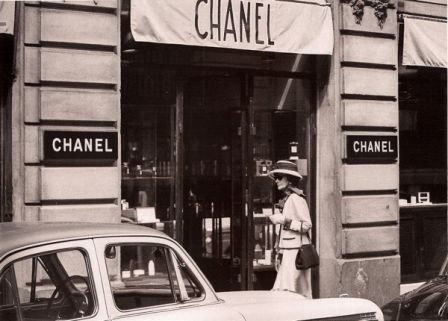
In 1909, Chanel opened her first business venture: a millinery shop in Balsan’s Paris apartment. Her simple, elegant hat designs quickly attracted attention from influential women seeking alternatives to the overwrought styles of the era. The following year, she established Chanel Modes at 21 rue Cambon in Paris, a location that would become the brand’s legendary headquarters. With financial assistance from Arthur “Boy” Capel, another wealthy admirer who became both her lover and business partner, Chanel expanded rapidly.
The revolutionary moment in Chanel’s career came when she began designing clothing that prioritized comfort and functionality without sacrificing elegance. In 1913, she opened a boutique in Deauville, where she introduced sportswear made from jersey fabric—a material previously used only for men’s underwear. This seemingly simple innovation was actually radical: jersey was comfortable, moved with the body, and allowed women unprecedented freedom of movement. The success was immediate, as women embraced the opportunity to dress in clothes that accommodated their increasingly active lifestyles.
Chanel’s design philosophy was fundamentally different from her contemporaries. While other designers focused on decoration and display, she stripped away excess to reveal essential elegance. Her famous quote, “Fashion fades, but style remains,” encapsulated her approach to creating timeless pieces rather than fleeting trends. She borrowed elements from menswear—clean lines, tailored cuts, practical pockets—and adapted them for women’s clothing, creating a new language of feminine dressing that was both sophisticated and practical.
Building an Empire: From Boutique to Global Brand
By 1915, Chanel had opened a third boutique in Biarritz, which specialized in haute couture and employed 300 people. The business proved so successful that by 1916, she was able to reimburse Capel’s original investment. This financial independence was crucial to Chanel’s sense of self-worth and her ability to maintain creative control over her designs. In 1918, she moved her operations to 31 rue Cambon in Paris, which became the brand’s permanent headquarters.
The 1920s marked Chanel’s golden age of innovation. She introduced the concept of luxury sportswear, creating elegant clothes that women could actually live in rather than merely display. Her designs reflected the spirit of the era—the newly liberated women of the post-World War I period who were entering the workforce, demanding the right to vote, and embracing new freedoms. Chanel understood that these women needed clothes that matched their changing lives.
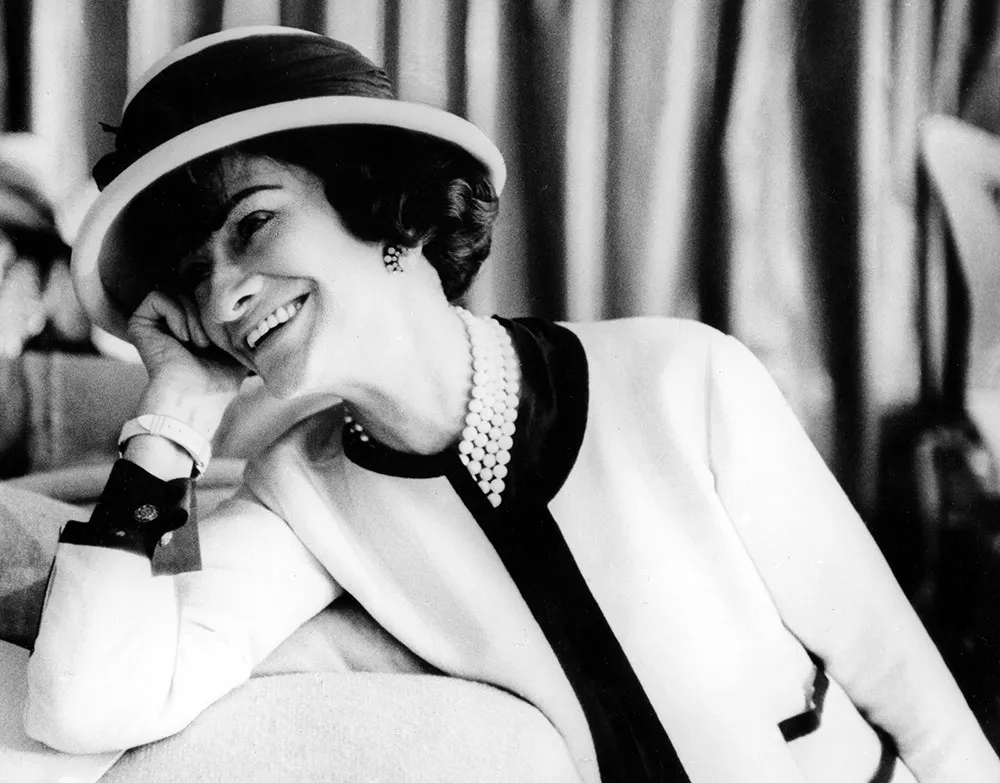
During this period, Chanel also began developing what would become the brand’s signature aesthetic elements. She popularized costume jewelry, believing that women should be able to wear beautiful accessories without the burden of displaying actual wealth. Her signature style included multiple strands of pearls, which she often wore herself and which became synonymous with effortless elegance. She also introduced the use of gold chains in her designs, inspired by the chains that convent caretakers used to hold their keys.
The Iconic Products: Defining Modern Luxury
Chanel No. 5: A Revolution in Scent
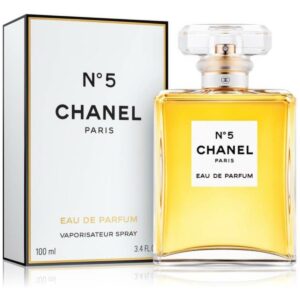
In 1921, Chanel created what would become the world’s most famous perfume. Partnering with French-Russian chemist Ernest Beaux, she sought to create a fragrance that would make a woman “smell like a woman, and not like a rose”. Traditional women’s perfumes fell into two categories: respectable single-flower scents for proper ladies, or heavy, musky fragrances associated with courtesans. Chanel wanted something entirely different—a complex, sophisticated scent that would appeal to the modern woman.
When Beaux presented her with numbered samples, she chose the fifth vial, declaring that since she presented her collections on the fifth of May, the fifth month of the year, they should keep the number five. The name proved prophetic—Chanel No. 5 became an icon that has maintained its popularity for over a century. The perfume’s success lay not only in its revolutionary scent but also in its elegant, simple bottle design, which rejected the ornate containers typical of the era in favor of clean, modernist lines.
The Little Black Dress: Democratizing Elegance
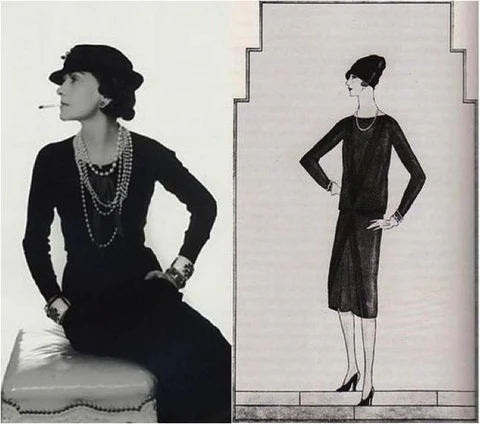
In October 1926, Chanel’s long-sleeved, calf-length black dress appeared on the cover of Vogue, marking the birth of what would become every woman’s wardrobe essential. Before Chanel, black dresses were associated with mourning, service uniforms, or piety. Chanel transformed black into the ultimate expression of chic sophistication, creating a dress that could be dressed up or down for any occasion.
The genius of the little black dress lay in its democratic luxury—it was elegant enough for high society events yet simple enough for working women to afford and wear. Chanel’s famous quote about the design reflected her philosophy: “Thanks to me, they (the non-wealthy) can walk around like millionaires”. This concept of “luxurious poverty” became central to the Chanel brand—the idea that true style didn’t require ostentatious display of wealth.
The Chanel Suit: Redefining Power Dressing
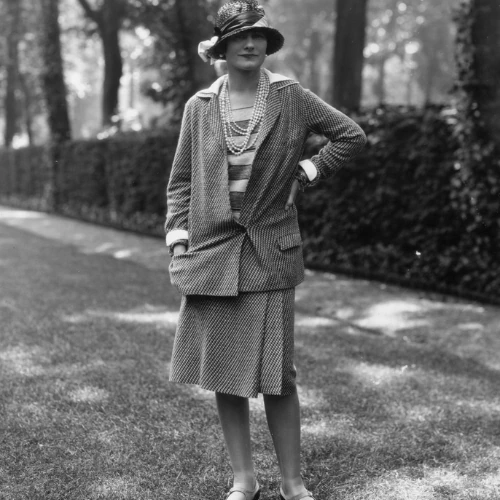
The Chanel suit, introduced in the 1920s and perfected in the 1950s, revolutionized women’s professional attire. The suit featured a straight, boxy jacket without darts or overly feminine shaping, paired with a skirt that allowed for ease of movement. Made from tweed and other comfortable fabrics, the suit was designed to move with the wearer rather than restrict her.
What made the Chanel suit revolutionary was its rejection of the hourglass silhouette that had dominated women’s fashion. Instead, it embodied a new, streamlined aesthetic that was both professional and feminine. The suit became a symbol of women’s increasing presence in the workforce and their demand for clothing that matched their professional ambitions.
The 2.55 Bag: Freedom and Functionality
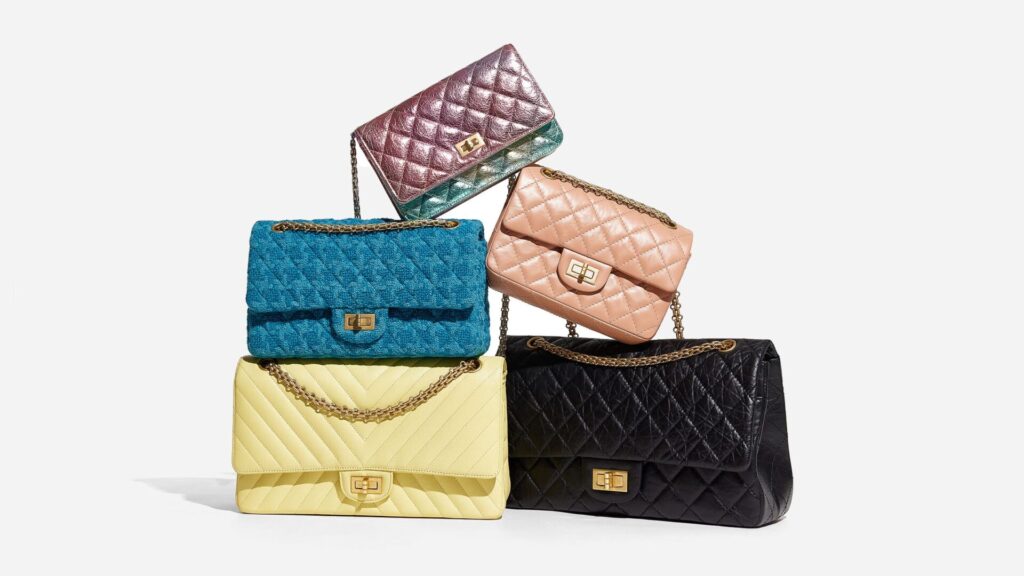
In February 1955, Chanel introduced the 2.55 handbag, named for its creation date. The bag was born from Chanel’s frustration with having to carry handbags in her arms, inspired by the straps on soldiers’ bags. The resulting design featured a quilted diamond pattern inspired by jockeys’ riding coats and the stained-glass windows of Aubazine abbey.
Every detail of the 2.55 reflected Chanel’s personal history: the burgundy lining represented the color of convent uniforms, the front flap compartment was rumored to store love letters, and the chain strap echoed the chains used by convent caretakers. The bag’s “Mademoiselle Lock” honored Chanel’s unmarried status, while its practical design gave women the freedom to keep their hands free during social functions.
Wartime Controversies and Exile
Chanel’s story includes a dark chapter during World War II that complicated her legacy. When the war began, she closed her couture house and lived at the Ritz Hotel in Paris during the Nazi occupation. Declassified documents later revealed that she had collaborated with the Nazi intelligence service and had a liaison with German diplomat Baron Hans Günther von Dincklage. She even participated in a failed SS peace mission to Churchill in 1943.
After the war ended, Chanel was interrogated about her wartime activities but was not charged as a collaborator, reportedly due to intervention by Winston Churchill. The scandal forced her into exile in Switzerland, where she lived for nearly a decade before returning to Paris in 1954. This period of her life remains controversial and has been the subject of extensive historical debate and research.
Revival and Reinvention: The 1950s Comeback
Chanel’s return to fashion in 1954, at age 71, was initially met with skepticism from critics who dismissed her designs as outdated. However, her timing proved perfect—women were tired of the restrictive “New Look” popularized by Christian Dior and yearned for the comfort and elegance that Chanel offered. Her comeback collection featured updated versions of her classic designs: the tweed suit, simple day dresses, and the reintroduced 2.55 bag.
The success of her comeback demonstrated the enduring appeal of her design philosophy. American buyers, in particular, embraced her return, and by the late 1950s, Chanel was once again at the forefront of international fashion. Her ability to reinvent herself and her brand at an advanced age became part of the Chanel legend, reinforcing the brand’s association with timeless style that transcends trends.
The Lagerfeld Era: Modernizing a Legend
When Coco Chanel died in 1971, the brand faced an uncertain future. By 1983, Chanel was struggling with a lack of creative direction and was perceived as outdated. The appointment of Karl Lagerfeld as creative director marked the beginning of a new chapter that would transform Chanel into a global powerhouse while honoring its heritage.
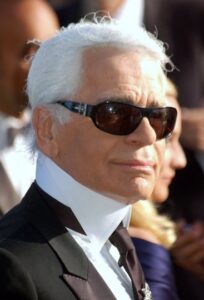
Lagerfeld’s genius lay in his ability to modernize Chanel’s codes without destroying their essence. He created the interlocked CC logo that became instantly recognizable worldwide and developed a vocabulary of “Chanelisms”—the tweed suit, the little black dress, quilting, camellias, golden chains, and the number five—that he could remix and reinterpret for contemporary audiences. Rather than simply imitating Coco’s designs, he created an ongoing dialogue between the brand’s heritage and contemporary culture.
Under Lagerfeld’s direction, Chanel became more than a fashion house—it became a cultural institution. His spectacular runway shows, often held in elaborate sets at the Grand Palais, turned fashion presentations into theatrical events that captured global attention. He also expanded the brand’s reach through strategic collaborations and by embracing new technologies and social media platforms.
Modern Chanel: Continuing the Legacy
Following Lagerfeld’s death in 2019, Virginie Viard was appointed as Chanel’s new creative director. Viard, who had worked closely with Lagerfeld for decades, represents continuity rather than revolution. Her approach focuses on preserving the essence of Chanel while subtly updating it for contemporary women.
Today, Chanel remains one of the world’s most valuable luxury brands, still privately owned by the Wertheimer family. The company continues to prioritize craftsmanship, maintaining specialized ateliers for embroidery, shoes, and other luxury goods. Under current CEO Leena Nair, the brand has also embraced sustainability initiatives, committing to reduce carbon emissions by 50% in production and 40% in supply chain management by 2030.
Brand Philosophy and Values: The Enduring Vision
Chanel’s mission statement—”To be the Ultimate House of Luxury, defining style and creating desire, now and forever”—reflects the brand’s commitment to maintaining its position at the pinnacle of luxury fashion. The company’s core values of creativity, elegance, luxury, excellence, and craftsmanship continue to guide every aspect of the business.
The brand’s philosophy remains rooted in Coco Chanel’s original vision of liberation through design. Whether through the comfort of jersey fabric, the practicality of the 2.55 bag, or the democratic elegance of the little black dress, Chanel continues to create products that enhance rather than restrict women’s lives. This commitment to functional luxury has enabled the brand to remain relevant across multiple generations and cultural shifts.
Conclusion: A Legacy of Liberation
The story of Chanel is ultimately the story of transformation—of a woman who refused to accept the limitations imposed by her circumstances and created a brand that continues to challenge conventions more than a century after its founding. From her impoverished beginnings in a French orphanage to her position as one of the 20th century’s most influential figures, Coco Chanel’s journey embodies the transformative power of vision, determination, and authentic innovation.
Today, the Chanel brand stands as testament to the enduring appeal of designs that prioritize both beauty and functionality. In an era of fast fashion and fleeting trends, Chanel’s commitment to timeless elegance and superior craftsmanship offers a compelling alternative model for luxury consumption. The brand’s continued success demonstrates that true luxury lies not in ostentatious display but in the confidence that comes from wearing clothes designed to enhance rather than constrain the wearer.
As Chanel moves forward into the 21st century, it carries with it the revolutionary spirit of its founder—a woman who understood that fashion’s highest purpose is not decoration but liberation. In every Chanel suit that allows a woman to move with confidence, every No. 5 fragrance that captures sophisticated femininity, and every 2.55 bag that provides elegant functionality, the brand continues to fulfill Coco Chanel’s original promise: to free women from the constraints of their clothing and, in doing so, to free them to become their most authentic selves.
Also Read: Chanel – History, Marketing Mix, Product Line & Success Factors
To read more content like this, subscribe to our newsletter