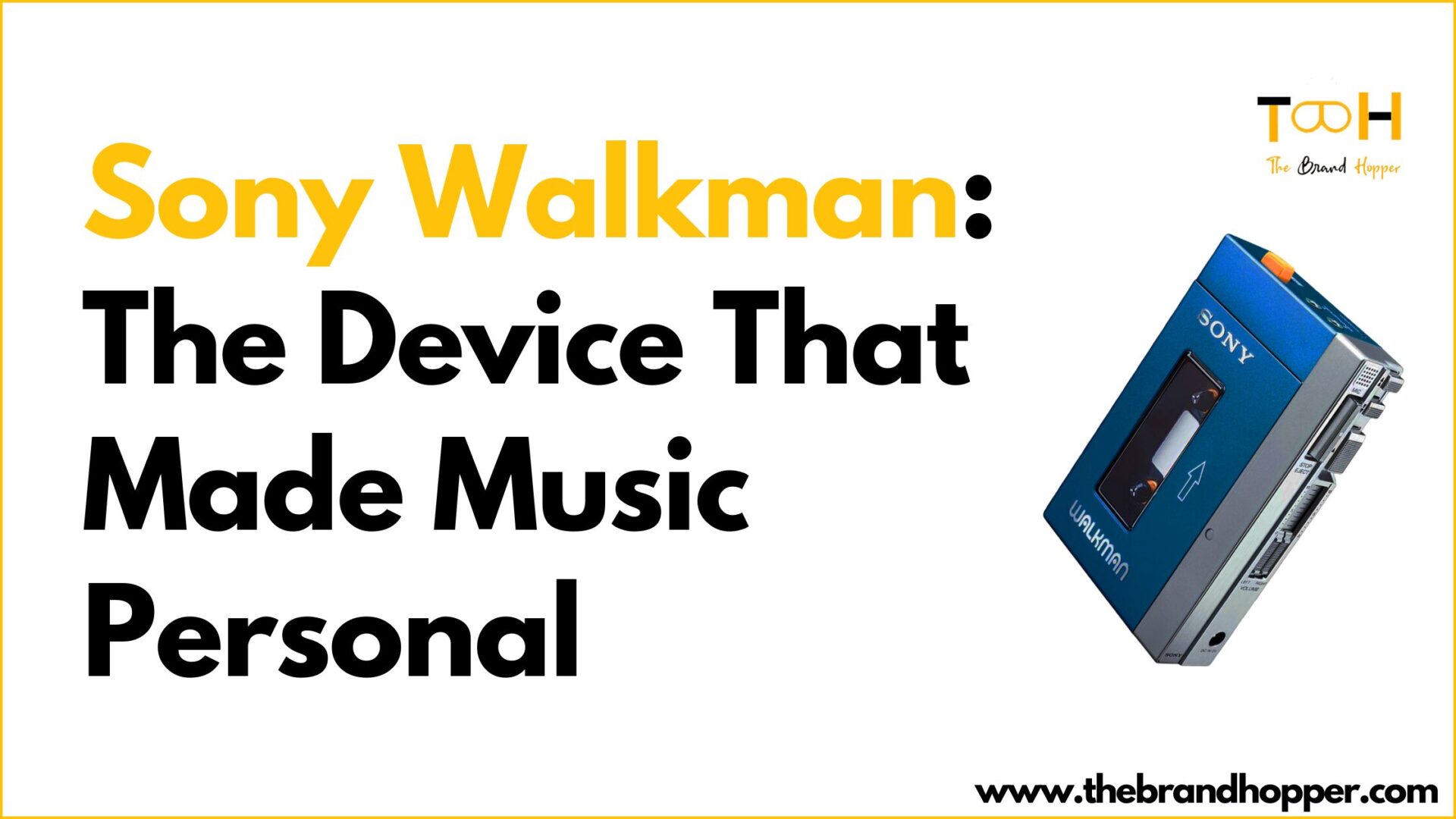
The Sony Walkman stands as one of the most transformative inventions in consumer electronics, reshaping how humanity interacts with music, technology, and urban life. Born from a simple desire to listen to opera on long flights, this pocket-sized device catalyzed a cultural revolution, turning music into a deeply personal experience and laying the groundwork for the digital audio landscape we inhabit today. From its humble beginnings as a modified cassette player to its modern iterations as a high-fidelity digital companion, the Walkman’s story is a testament to innovation, adaptability, and the enduring power of music to define generations.
The Birth of a Revolution: Solving a Problem No One Knew Existed
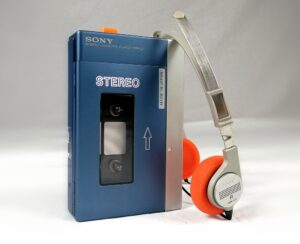
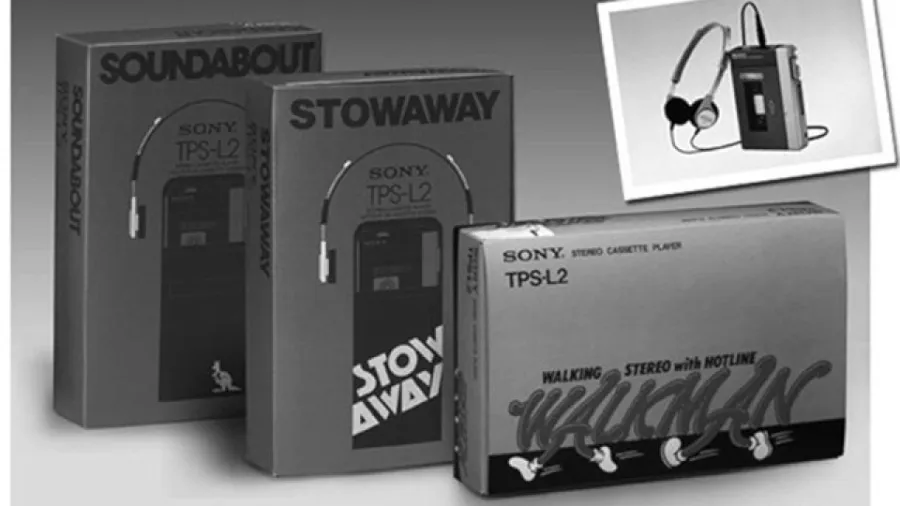
The Walkman’s origins trace back to 1979, when Sony co-founder Masaru Ibuka grew frustrated with the bulkiness of the company’s TC-D5 cassette recorder during business trips. He tasked engineer Norio Ohga with creating a portable stereo player optimized for headphones. The result was the TPS-L2, a 14-ounce, blue-and-silver cassette player that Sony initially doubted would succeed. Priced at ¥33,000 (roughly $150), the device lacked a recording function—a feature Sony executives feared would limit its appeal.
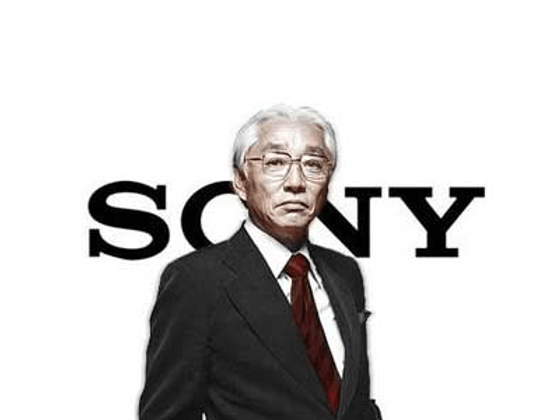
Yet Akio Morita, Sony’s visionary chairman, saw potential in marketing the Walkman not as a gadget but as a lifestyle. “The market research is in my head; we create markets,” he declared, bypassing traditional consumer surveys. This audacity paid off. After a slow start—only 3,000 of the initial 30,000 units sold in the first month—the Walkman became a cultural phenomenon. By 1983, Sony had sold 1.5 million units in Japan alone, and by 1986, “Walkman” entered the Oxford English Dictionary.
Design Innovations That Defined an Era
The TPS-L2 introduced features that became hallmarks of personal audio:
- Dual headphone jacks: Intended for shared listening, this feature was phased out as users preferred solitary experiences.
- Hotline button: A microphone allowed users to converse without removing headphones, but this too disappeared as societal norms shifted toward private listening.
- Lightweight headphones: At 45 grams, Sony’s MDR-3L2 headphones were revolutionary, enabling comfortable extended use.
Sony’s engineers relentlessly miniaturized subsequent models. The 1983 WM-20 matched the size of a cassette tape, while the 1987 WM-101 introduced “gum stick” rechargeable batteries. These innovations weren’t merely technical feats—they redefined portability, making music an invisible companion to daily life.
The Walkman Effect: Reshaping Society’s Soundscape
In 1984, musicologist Shuhei Hosokawa coined the term “Walkman effect” to describe how the device granted users control over their auditory environment. This phenomenon manifested in three transformative ways:
1. The Rise of the Urban Flâneur
The Walkman turned cities into personalized soundtracks. Commuters could drown out subway noise with Beethoven or Bruce Springsteen, transforming mundane routines into cinematic experiences. As Hosokawa noted, the device created a “mobile privatization” where users inhabited public spaces while remaining psychologically insulated.
2. The Democratization of Music Curation
Before playlists, there were mixtapes. The Walkman empowered users to become amateur DJs, crafting cassettes that reflected moods, memories, and identities. This shift from album-oriented listening to personalized curation anticipated Spotify’s algorithm-driven playlists by decades.
3. The Birth of the Fitness Culture
Sony’s early ads featured joggers and skateboarders, positioning the Walkman as essential workout gear. Sales data from 1987–1997 showed a 30% increase in recreational walking, partly attributed to the device. Fitness clubs soon piped in music, recognizing its motivational power—a trend rooted in Walkman culture.
Technological Evolution: From Cassettes to Hi-Res Audio
The Walkman’s 45-year journey spans five distinct eras, each reflecting technological and cultural shifts:
The Cassette Era (1979–1990s)
Sony sold over 200 million cassette Walkmans, dominating 50% of the portable audio market by 1989. Iconic models included:
- WM-10 (1983): The smallest cassette player, requiring expansion before use.
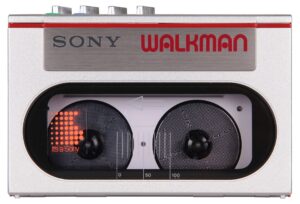
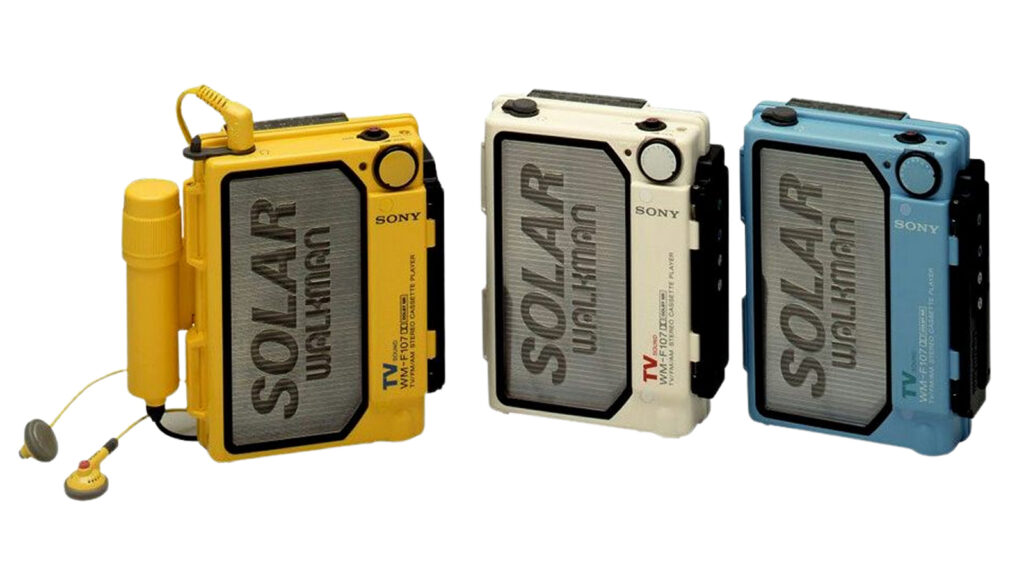
- WM-F107 (1987): A solar-powered model emphasizing eco-consciousness.
The Discman and MiniDisc Era (1984–2000s)
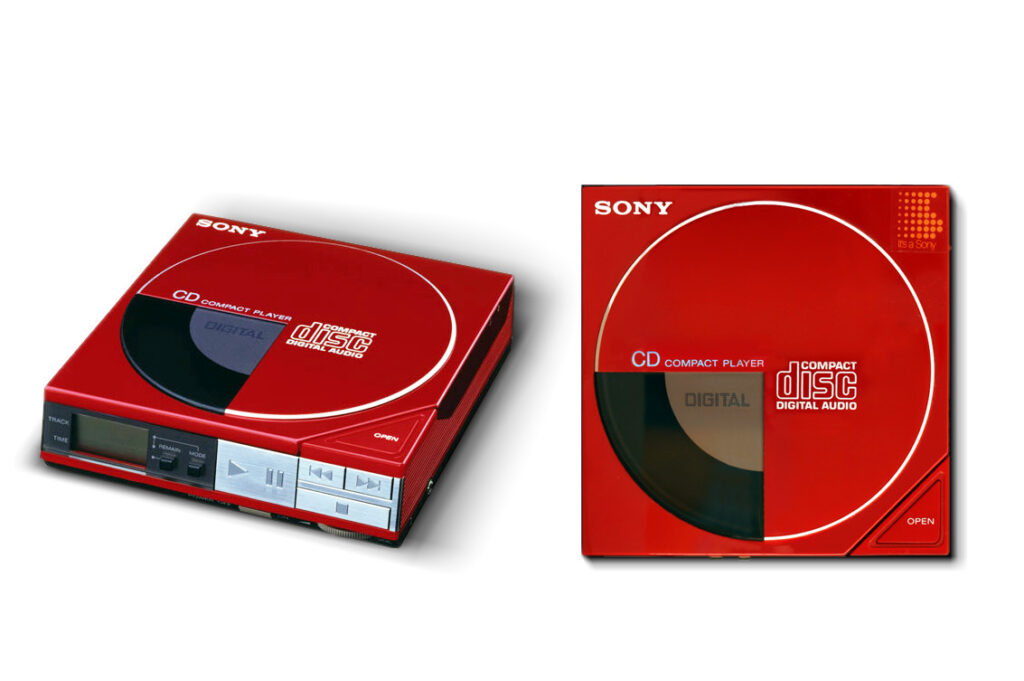
Sony’s 1984 Discman (CD Walkman) faced initial criticism for skipping during movement. Engineers solved this in 1992 with Electronic Skip Protection (ESP), which buffered 3 seconds of audio into RAM. Meanwhile, the 1992 MiniDisc Walkman offered editable tracks but remained niche due to costly media.
The Digital Transition (1999–2010)
Sony’s 1999 Memory Stick Walkman (NW-MS7) stored 64MB of MP3s, while 2005’s NW-A1000 hard drive player held 20GB. However, the company struggled against Apple’s iPod, which launched in 2001 with superior marketing and iTunes integration.
The Streaming Age (2010–Present)
Modern Walkmans like the $3,199 WM1Z cater to audiophiles with 4.4mm balanced outputs and DSD playback. Sony also transitioned to software, rebranding its Xperia phone music app as “Walkman” in 2012 before simplifying it to “Music”.
Marketing Masterstrokes: From Celebrity Endorsements to Viral Stunts
Sony’s marketing strategies evolved alongside the Walkman:
1980s: Creating Aspirational Icons
Early campaigns targeted youth culture through:
- Celebrity seeding: Free Walkmans given to musicians and actors.
- Provocative slogans: “Walkman. It’s like having your own personal concert”.
- Lifestyle imagery: Ads showed skaters and joggers, linking the device to vitality.
2000s–2010s: Experiential Campaigns
Sony adopted “show, don’t tell” tactics:
- Waterproof Walkman vending machines (2010s): MP3 players submerged in water bottles at gyms demonstrated durability.

- James Bond tie-ins (2012): A waterproof Xperia phone rang during a Skyfall screening, blending product placement with spectacle.
Legacy Marketing
Recent efforts leverage nostalgia:
- 40th-anniversary editions: Silver-plated reissues of the TPS-L2.
- Collaborations: Limited runs with fashion brands like ACRONYM®.
Challenges and Controversies
The Walkman’s journey wasn’t without missteps:
The Digital Resistance
Sony’s insistence on proprietary formats (ATRAC3, MiniDisc) alienated users during the MP3 revolution. While Apple embraced open standards, Sony’s Secure Digital Music Initiative (SDMI) restricted file sharing, slowing digital adoption.
Legal Battles
In 2003, inventor Andreas Pavel settled with Sony over his 1977 “Stereobelt” patent. The confidential agreement reportedly included royalties on later models.
Cultural Backlash
Critics accused Walkman users of antisocial behavior. A 1984 Chicago Tribune article warned the device created “a generation of zombies,” foreshadowing modern debates about smartphone addiction.
Legacy: The Walkman’s Enduring Echo
Though Sony retired cassette production in 2010, the Walkman’s DNA persists:
Technological Foundations
- Personalized audio: Noise-canceling headphones and spatial audio stem from Walkman-era innovations.
- Portability standards: The “pocketable” design ethos influenced smartphones and wireless earbuds.
Cultural Impact
- The playlist economy: Spotify’s Discover Weekly algorithm is a direct descendant of mixtape culture.
- Podcasting: The Walkman’s emphasis on mobile listening paved the way for on-demand audio.
Nostalgia and Revival
Vinyl-like nostalgia for cassettes has sparked a Walkman resurgence. Refurbished TPS-L2s sell for $799 on Etsy, while Gen Z artists like Billie Eilish release limited-edition cassettes.
Conclusion: The Soundtrack of Selfhood
The Sony Walkman did more than play music—it redefined humanity’s relationship with sound. By putting control of auditory space into individuals’ hands, it anticipated our modern era of personalized media ecosystems. Today, as we stream playlists through wireless earbuds, we enact a ritual pioneered by Walkman users in 1979: curating our sensory world to reflect our innermost selves.
In an age where technology often alienates, the Walkman’s legacy reminds us that innovation, when rooted in human desire, can become a canvas for identity. As Shuhei Hosokawa observed, the device wasn’t just a player but a “strategy” for existing in modernity. Forty-five years later, that strategy remains indispensable—a testament to Sony’s vision of music not as background noise, but as the heartbeat of personal freedom.
Also Read: From Walkman to PlayStation: The Legacy of Sony Corporation
To read more content like this, subscribe to our newsletter