There was a moment last year when I stood in my warehouse, sweating like an unpaid intern, and thought: “I hate this place.”
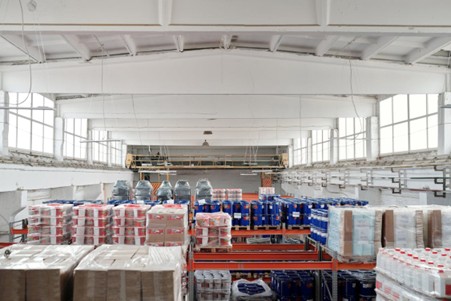
I didn’t hate the work, and I definitely didn’t hate the people. It was the space. Or more accurately, the waste of it. We had pallets stacked like Jenga towers, aisles too narrow for forklifts, and shelves that hadn’t been reorganized since the early 2000s.
Our storage strategy was basically: “Let’s put stuff wherever it fits.”
At that point, I wasn’t even surprised when we misplaced $4,000 worth of cable reels for a full week. They were right there the whole time, just hidden behind three other shipments and a rogue vending machine.
That was the moment I knew I had to address our layout problem, and I ended up delving deep into the world of vertical storage systems, a concept I wish someone had introduced to me years ago.
Floor Space Is a Lie
We tend to think horizontally when organizing, especially in storage. You fill a row, then the row behind it, and so on. But in doing that, you leave most of your vertical space untouched.
I did some informal measuring in our facility. More than 50% of our usable height was just air. So when I first started exploring vertical storage systems, I felt that pang of missed opportunity.
These systems basically act like smart vending machines for your inventory. Items go in on trays or bins, and with the push of a button, the system delivers what you need at an ergonomic height. It’s like storage with a brain.
Our turning point wasn’t glamorous. We weren’t trying to be innovative or modern. We were just exhausted.
Every week, one of my guys would spend 10+ hours walking around the warehouse looking for parts. Ten hours! That’s a full workday just playing hide-and-seek with bolts and bearings. If you multiplied that across the team and the month, we were losing hundreds of hours to bad storage.
Even worse were the injuries. We had three back strain incidents in six months from someone reaching too high, bending too low, or carrying too much because we’d stuffed a part into some inaccessible corner.
After we introduced vertical storage systems, these problems disappeared almost overnight.
Some Convincing Math
If you’ve ever tried to pitch an investment in infrastructure to your own finance department, you’ll know they speak the language of numbers. So, I did the math.
After reorganizing just one zone of our warehouse using a vertical storage unit, we recovered about 75% of the floor space in that area. That’s space we’re now using for incoming shipments and light assembly.
But what really sold it to the team upstairs was picking efficiency. Retrieval time dropped by nearly 80%. Stock accuracy improved, too, because the software tells you exactly what’s in each tray.
Plus, this is a full-on industry trend. The global market for automated storage and retrieval systems is projected to grow from $9.86 billion in 2025 to $14.80 billion by 2030, at a compound annual growth rate of 8.5%, according to MarketsandMarkets.
Inventory Should Not Be a Treasure Hunt
Let me give you a scenario. One of our suppliers short-ships us. We double-check the packing list. It says the missing item was “confirmed delivered.” Now we have two problems: is it on their side, or did we misplace it?
In the old system, resolving that would have taken an hour, maybe more. Sometimes it meant escalating the issue and going through inventory logs that were… let’s call them “aspirational.”
In the new system, it’s five minutes. Search the item ID, pull the tray, and verify. Done.
I’m not saying vertical storage is magic, but it removed one of our biggest stressors: the constant fear of not knowing where something is.
Lessons From the Transition
The switch wasn’t seamless, and I made a few mistakes early on. For example:
- Underestimating training time. It’s easy to assume a new system is “intuitive.” It isn’t, at least not right away. We needed two weeks of shadowing and hands-on practice to get everyone comfortable.
- Not involving the team early enough. The operators who had been managing our clunky old system had valuable input that I ignored at first. Bad move. Once I brought them in, they helped streamline the process of configuring trays and naming locations.
- Trying to do too much at once. I wanted to roll out multiple machines across three departments in a single quarter. That was optimistic. We ended up doing one department at a time, and that worked far better.
The lesson is that new tech won’t fix bad habits overnight. But if you’re willing to slow down at the start, you’ll be flying by the end.
If I could go back and give past-me a talking-to, I’d say this:
You don’t need more space. You need smarter storage. That warehouse you’re complaining about is not too small; you’re just using it like it’s still 1995. And if you think vertical storage systems are only for huge, Fortune 500 operations, you’re wrong. If you’ve got SKUs and shelving and humans walking more than working, then you’re a candidate.
You don’t need a full digital twin or a warehouse with facial recognition drones or whatever the latest buzzword is. You just need to get your inventory off the floor and into the air, where it belongs.
The New Normal
Fast forward to today, and walking into our facility feels like stepping into a completely different operation. We’ve got fewer forklifts, less shouting, fewer injuries, and more control.
Oh, and we’ve stopped losing inventory behind vending machines.
If you’re in operations or logistics, or even if you just manage a small stockroom, I’m telling you to stop thinking horizontally. Your floor space isn’t your limit. Your ceiling is. And with the right approach, you might even start to enjoy being in your warehouse again.
To read more content like this, explore The Brand Hopper
Subscribe to our newsletter