Alfred Dunhill stands as one of Britain’s most distinguished luxury goods brands, representing over 130 years of craftsmanship, innovation, and sophisticated menswear. Founded in 1893 by Alfred Dunhill himself, this London-based company has evolved from a modest saddlery business into a global symbol of British luxury, synonymous with impeccable craftsmanship and refined design.
Origins and Early Evolution
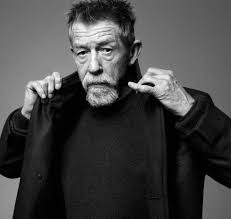
The Dunhill story began when Alfred Dunhill, at just 21 years old, inherited his father’s saddlery business on London’s Euston Road in 1893. Recognizing the emerging automotive revolution, the enterprising young businessman transformed the operation into something entirely new. He developed a pioneering line of automobile accessories called “Dunhill’s Motorities,” operating under the innovative slogan “Everything But The Motor”. This first collection included car horns and lamps, leather overcoats, goggles, picnic sets, and timepieces, positioning Dunhill as a forward-thinking company that anticipated and served the needs of the modern motorist.
The business quickly gained momentum, and by 1902, Dunhill had opened his first shop in Conduit Street, Mayfair, catering to both chauffeurs and their affluent employers. In 1904, demonstrating his inventive spirit, Alfred Dunhill patented the “Windshield Pipe,” designed specifically to allow motorists to smoke comfortably while driving. This innovation marked the beginning of Dunhill’s long-standing association with smoking accessories and tobacco products.
Expansion into Tobacco and Luxury Goods
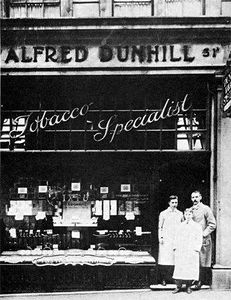
A pivotal moment came in 1907 when Alfred Dunhill opened a dedicated tobacconist’s shop on Duke Street in St. James’s, London. This move into the tobacco business proved transformative, as the shop offered tailored tobacco blends and quickly established itself among London’s exclusive men’s clubs. By 1910, recognizing the importance of quality control, Dunhill opened his own pipe factory near the store, establishing two fundamental principles: pipes would be made only from the finest quality briar by expert craftsmen, and they would be priced to reflect their superior value.
In 1912, Dunhill introduced what would become one of the most recognizable trademarks in luxury goods: the White Spot. This simple white dot served a practical purpose, helping customers correctly position hand-cut mouthpieces on their pipes, but it soon evolved into an internationally registered trademark symbolizing the highest standards of workmanship and quality.
International Growth and Innovation
The 1920s marked a period of significant international expansion for Dunhill. The company opened stores in New York in 1921 and Paris in 1924, establishing its presence on the global luxury stage. This international growth was fueled by exponential increases in production during World War I, with pipe sales growing from 10,000 in 1914 to 276,000 by 1921.
Dunhill’s commitment to innovation continued throughout the decades. In the 1950s, the company produced one of the first butane gas lighters, creating an iconic design that has remained relatively unchanged since. This lighter became famous beyond the luxury goods world, regularly appearing as James Bond’s preferred lighter in both Ian Fleming’s novels and the subsequent films.
Modern Era and Current Status
Today, Alfred Dunhill Limited operates as a subsidiary of Richemont Holdings (UK) Limited, maintaining its headquarters in Westminster, London. The company is currently managed by CEO ad interim Andrew Holmes, following recent leadership transitions within the organization. With a network of 85 stores worldwide, Dunhill continues to serve a global clientele seeking the finest in British luxury.
The modern Dunhill brand encompasses a comprehensive range of luxury goods for men, including ready-to-wear and bespoke menswear, tailoring, leather goods, accessories, and footwear. The company maintains its founding commitment to craftsmanship through specialized divisions including bespoke tailoring, bespoke leather goods, and made-to-measure services. The White Spot division continues Alfred’s original vision for excellence, creating some of the finest pipes and smoking accessories available today.
Heritage and Craftsmanship
Throughout its evolution, Dunhill has maintained the founding values of creativity and craftsmanship established by Alfred Dunhill himself. The brand’s heritage is reflected not only in its products but also in its approach to luxury retail and customer service. From serving distinguished customers like Sir Winston Churchill and King George VI in its early days to continuing its tradition of excellence today, Dunhill represents the pinnacle of British luxury goods manufacturing.
As Dunhill celebrates over 130 years of operation, it remains “the foremost British men’s luxury House,” successfully balancing its rich heritage with contemporary innovation and design. The company’s enduring success demonstrates how traditional British craftsmanship can evolve and thrive in the modern luxury market while maintaining the exacting standards and attention to detail that have defined the Dunhill name for more than a century.
Marketing Strategies of Dunhill
Let’s explore comprehensive deep-dive into the marketing strategies of Dunhill, the heritage-rich British luxury menswear brand. As a brand deeply rooted in craftsmanship, tradition, and understated sophistication, Dunhill’s marketing is a masterclass in refined positioning, discreet storytelling, and strategic cultural alignment—all carefully crafted to attract the modern gentleman without sacrificing its classical appeal.
1. Heritage Storytelling with a Contemporary Lens
Dunhill has masterfully refined its marketing strategy through heritage storytelling with a contemporary lens, leveraging its 130-year legacy while aligning with modern luxury sensibilities. Central to this approach is the reinterpretation of archival designs and narratives for today’s discerning audience. For its 130th-anniversary campaign in 2023, the brand released a film tracing its evolution from Alfred Dunhill’s 1893 motor accessories shop to a global luxury house, emphasizing craftsmanship and “timeless masculine elegance”. This visual narrative intertwined historical artifacts like the Windshield Pipe and White Spot trademark with modern menswear, framing tradition as a dynamic force rather than a relic.
The Autumn/Winter 2025 collection further exemplifies this strategy, reimagining the 1930s English Drape suit in lightweight cashmere wool and updating archival leather car coats with French plonge leather—bridging interwar sophistication with contemporary minimalism . By contextualizing heritage within current design languages, Dunhill positions itself as both a curator of British style and an innovator.
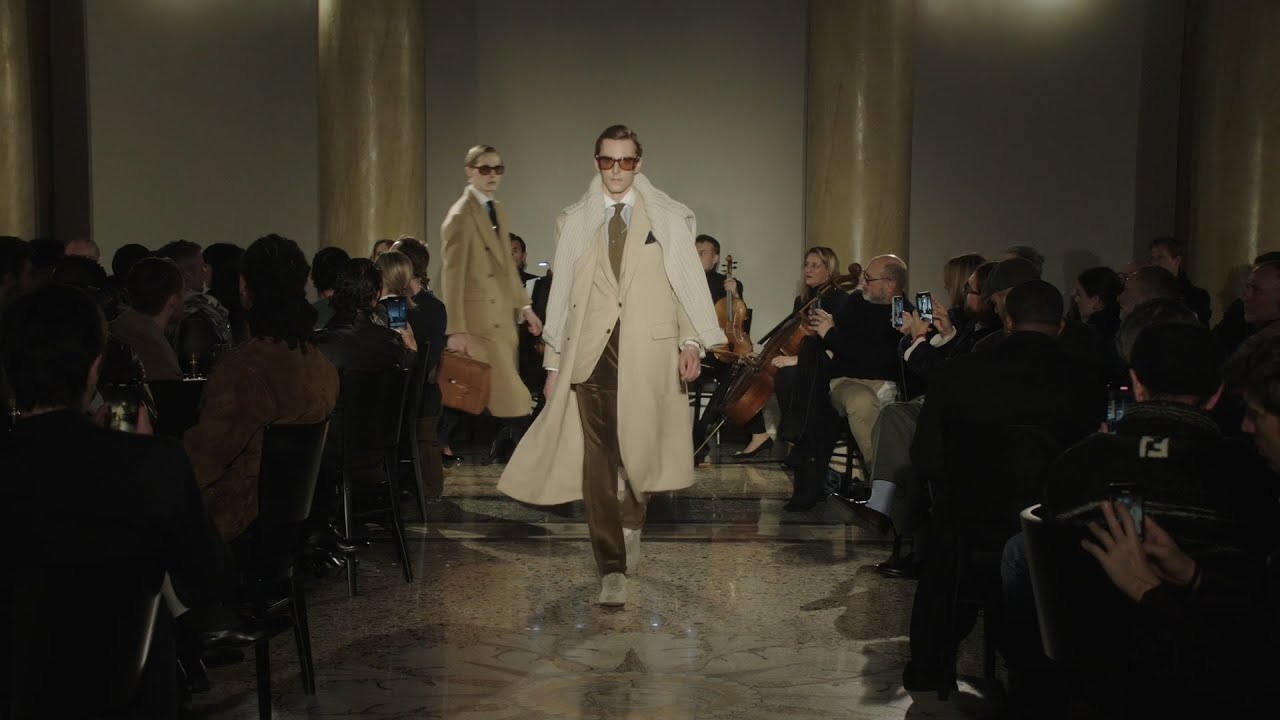
Collaborations with cultural institutions have become a pillar of Dunhill’s modern storytelling. The brand extended its partnership with Frieze Masters through 2026, sponsoring talks that explore art historical themes alongside contemporary creativity. This aligns with Creative Director Simon Holloway’s decision to debut his FW24 collection at London’s National Portrait Gallery, where models walked beneath portraits of historical figures, creating a dialogue between Regency-era aesthetics and modern tailoring .
Similarly, the Spring/Summer 2025 “Town” campaign filmed in St. James’s—a district integral to Dunhill’s 1902 retail history—showcased Century Collection leather goods inspired by the 1920s Rollagas lighter, photographed against neoclassical architecture. These efforts transcend product promotion, instead positioning Dunhill as a cultural interlocutor that connects patrons to a continuum of British artistry.
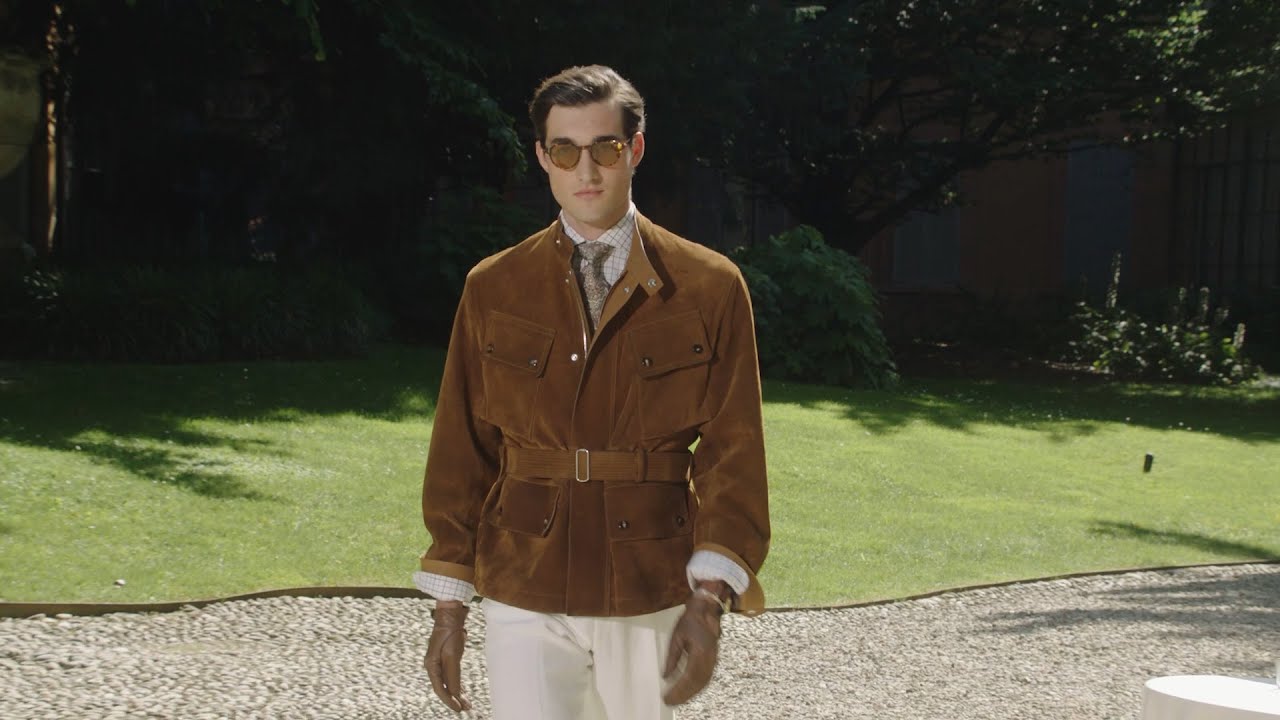
Cinematic partnerships have emerged as Dunhill’s most audacious contemporary storytelling vehicle. The 2025 collaboration with Steven Soderbergh’s spy thriller Black Bag saw costume designer Ellen Mirojnick integrate archival tailoring into Michael Fassbender’s wardrobe, echoing Dunhill’s legacy of dressing icons like Sean Connery’s James Bond. This followed the AW25 campaign’s focus on “the problematic history” of British classicism, using layered narratives to acknowledge past complexities while redefining modern elegance. Even the brand’s product launches now employ serialized storytelling, as seen in the SS25 campaign’s “evolving chapters” released across digital platforms. By framing heritage through filmic suspense and episodic content, Dunhill appeals to younger demographics while maintaining its core identity—proving that 19th-century craftsmanship can thrive in a TikTok era.
2. Quiet Luxury & Discreet Branding
Dunhill’s approach to quiet luxury represents a sophisticated evolution of traditional British elegance, positioning the brand as a leader in the understated luxury movement that has gained significant traction in recent years. Under the creative direction of Simon Holloway, who was appointed in 2024, Dunhill has strategically embraced what industry observers describe as “timeless luxury” rather than conventional quiet luxury.
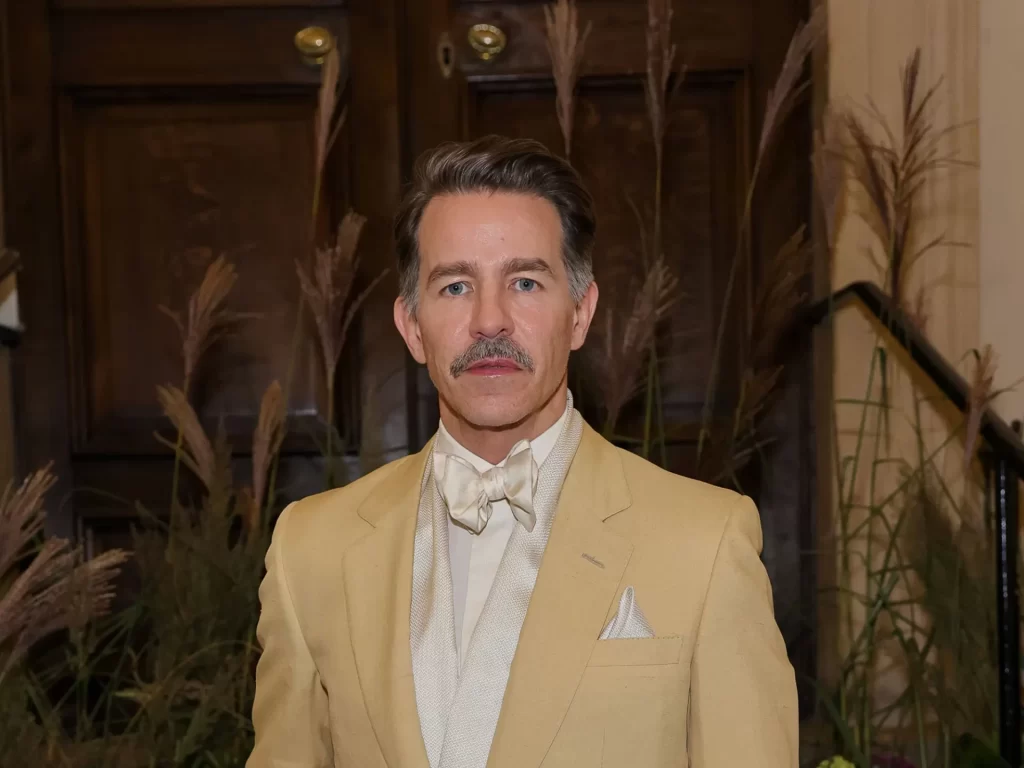
This positioning is exemplified through the brand’s SS24 “Classicism Now” campaign and subsequent seasonal collections that emphasize discreet branding, superior craftsmanship, and refined aesthetics over ostentatious logos. The brand’s products consistently feature “discreet branding” and “subtle Alfred Dunhill branding,” as seen in their eyewear collections where logo placement serves as “a subtle nod to the brand’s heritage” rather than prominent display. This approach has earned Dunhill recognition among the “15 best quiet luxury brands for men in 2025,” with industry experts noting how the brand “tends to step out of the spotlight” while maintaining its prestigious positioning.
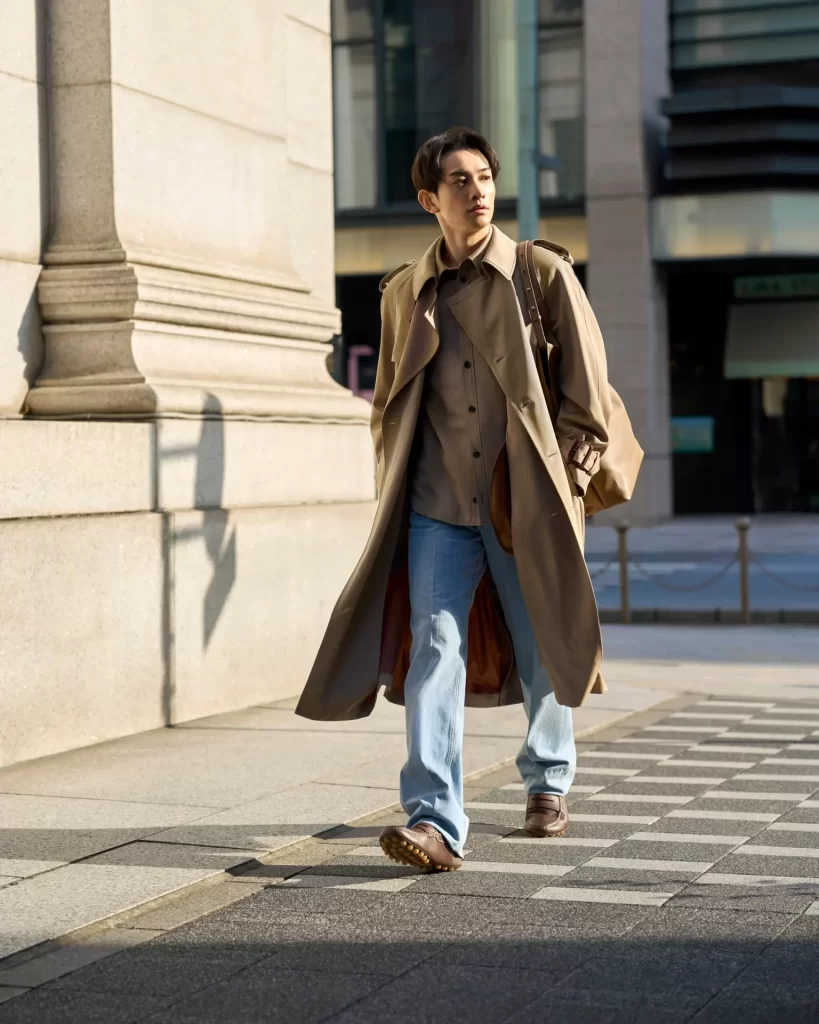
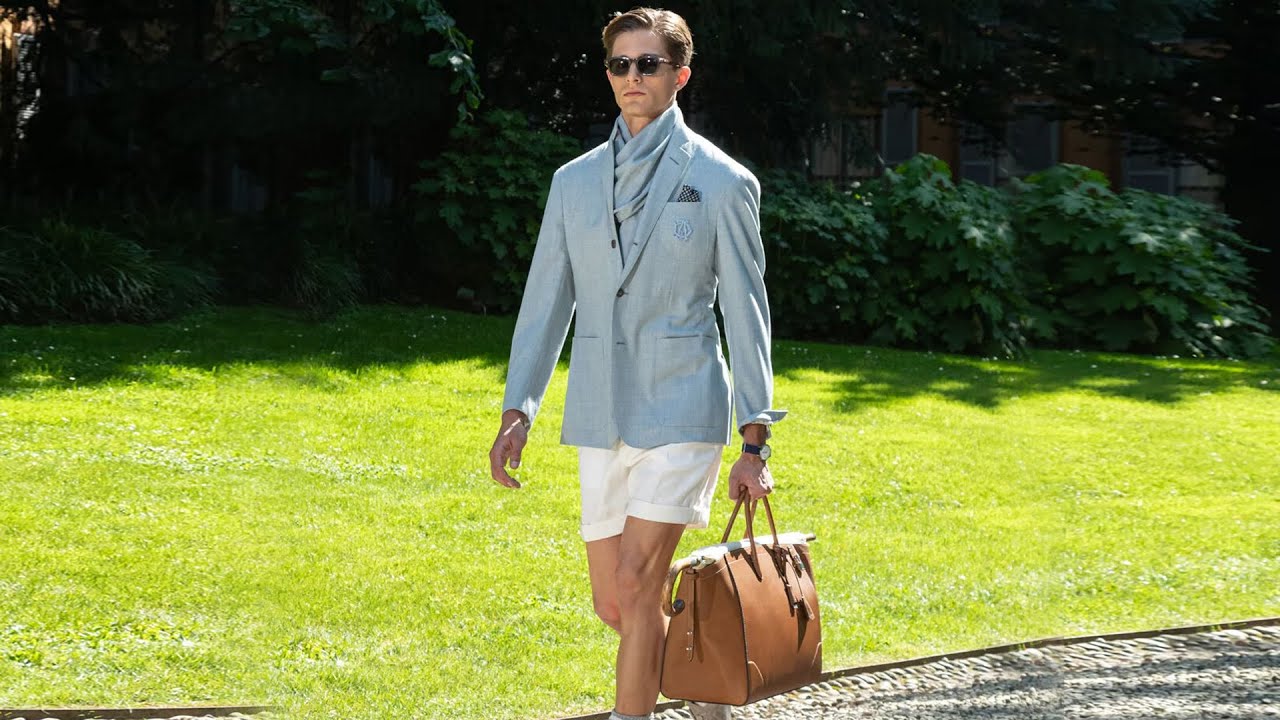
The brand’s latest marketing campaigns demonstrate a comprehensive commitment to this discreet luxury strategy, particularly through their episodic Spring/Summer 2025 campaign series that launched in early 2025. The multi-chapter approach, beginning with “Town” and continuing with “The Sporting Life,” showcases Holloway’s vision of creating “sartorial solutions” for the modern gentleman while maintaining the brand’s emphasis on “lightweight fabrics,” “luxurious leathers,” and “historically exclusive” British styling.
Dunhill’s return to runway shows in February 2024 after a four-year hiatus, staged at London’s National Portrait Gallery, reinforced this strategy by presenting collections in an intimate, aristocratic setting that embodied “luxury and classicism” without relying on flashy presentation. The brand’s focus on “timeless elegance and uncompromising dedication to craft” is further reinforced through collaborations with photographer Luis Alberto Rodriguez and stylist Tom Guinness, creating campaigns that highlight “precision, detail and care woven into formal tailoring” while celebrating “British elegance and masculinity” in understated, sophisticated imagery.
3. Sharp Focus on Asian Markets (Especially Japan & China)
In response to the explosive growth of luxury spending in mainland China and the post‑COVID rebound, Dunhill has significantly refocused its China strategy. In May 2024, Dunhill announced robust sales growth in major cities like Beijing, Shanghai, Shenzhen, and Chengdu—driven by young, style-conscious consumers attracted to “old money” British craftsmanship and bespoke menswear offerings such as footwear, knitwear, outerwear, writing instruments, lighters, and pipes. Riding this wave, Dunhill continues its physical presence while boosting digital infrastructure: the launch of a Tmall flagship, nurturing a high-performing Weibo and WeChat presence (Notably ranking #3 during men’s fashion weeks with a 34 % higher engagement rate than the previous season), alongside a WeChat mini‐program offering runway-to-doorstep commerce, private service, and 72‑hour delivery.
To resonate more deeply with the culturally nuanced East Asian markets, Dunhill has pursued collaborations and ambassador partnerships tailored to local sentiments. In China, the brand tapped actor Yang Yang—selected as its global ambassador in late 2020—for regional eyewear campaigns across 2021 and 2022. Complementing this, Dunhill’s design team is releasing limited-edition Chinese New Year capsule collections, spanning garments and accessories . In Japan, Dunhill embraced the culturally significant “White Day” on March 14 by co‑creating a limited-edition Lock bag with top influencer Mr Bags. Only 100 pieces were released via his WeChat store, showcasing a rich gradient blue ink attaché inspired by heritage archives, which adeptly echoed local reciprocal-gift traditions.

4. Elevated Flagship Stores and Experiential Retail
Dunhill’s flagship stores—including its recent openings in The Dubai Mall, Ginza (Tokyo), and Wuhan SKP—transpose its British heritage into immersive environments that blend retail with bespoke services. These stores feature distinctive architectural elements like bronzed brass, wood, leather accents, and metal details that echo the brand’s craftsmanship DNA. Beyond showcasing collections, they host in-store barber lounges, cocktail bars, tailoring suites, and even private client services such as personal shoppers and chauffeurs. The result: flagships transform from mere product outlets into experiential hubs, reinforcing Dunhill’s identity as a luxury menswear atelier.

Dunhill is extending its elevated-store concept through strategic pop-up activations, notably the early 2025 Shanghai pop-up at Hang Lung Plaza. Styled after its London Bourdon House flagship, it integrated off‑white paneling, curved wood‑and‑glass displays, and featured exclusive pieces—including a limited Rollagas Year‑of‑the‑Snake lacquered lighter—timed to coincide with Lunar New Year festivities. Another 2024 pop-up in Wuhan SKP followed a similar flagship-inspired aesthetic, transporting London’s Mayfair charm using Edwardian paneling and antique furnishings. Through these experiential mini‑flagships, Dunhill amplifies brand awareness at scale, showcasing its craftsmanship even in temporary locations.
These elevated retail environments align tightly with Dunhill’s seasonal branding campaigns. Its Spring/Summer 2025 (SS25) collection—centered around “the modern Dunhill gentleman” in London—reinforced the narrative in-store, with pop-ups aligning physically and thematically to this refined tailoring message. The interplay with flagship interiors—exposed wood, metal detailing, bespoke tailoring rooms—mirrors the elegance and craftsmanship featured in campaigns, ensuring consistency. Meanwhile, timing a special product drop (like the snake-themed lighter during Chinese New Year) enhances both product excitement and experiential resonance.
5. Emphasis on Craftsmanship and Made-to-Measure Services
Craftsmanship has always been woven into Dunhill’s DNA, and under Creative Director Simon Holloway, it has taken on renewed significance. Holloway, a self‑confessed “fabrics geek,” draws lives into Dunhill’s bespoke atelier at Bourdon House, where Savile Row‑trained cutters create made‑to‑measure and fully bespoke suits. His Autumn/Winter 2024 and 2025 collections prominently feature fabrics sourced from renowned British mills in Yorkshire and Somerset—ensuring that each garment reflects meticulous material integrity before it even reaches the cutting room . This vertical control—from mill to garment—reinforces a brand image of “British classicism at its best,” appealing to both traditional luxury clientele and a younger generation of connoisseurs seeking substance and craft.
Dunhill’s Spring/Summer 2025 “Town” campaign, set against London’s St James’s backdrop, showcases both finely tailored suits and leather goods created with craftsmanship at heart. This campaign aligns with the launch of the Century leather collection, integrating Rollagas‑inspired hardware and refined bespoke briefcases and leather accessories. Simultaneously, festive and Valentine’s Day frames, such as the bespoke tailoring packages and a pewter flask gift set, were featured in early 2025—clearly conveying Dunhill’s offerings of engraved penmanship and tailored sartorial bespoke as heartfelt, handcrafted tokens. These campaigns strategically weave craftsmanship into product storytelling—emphasizing personalization, tradition, and emotional value.
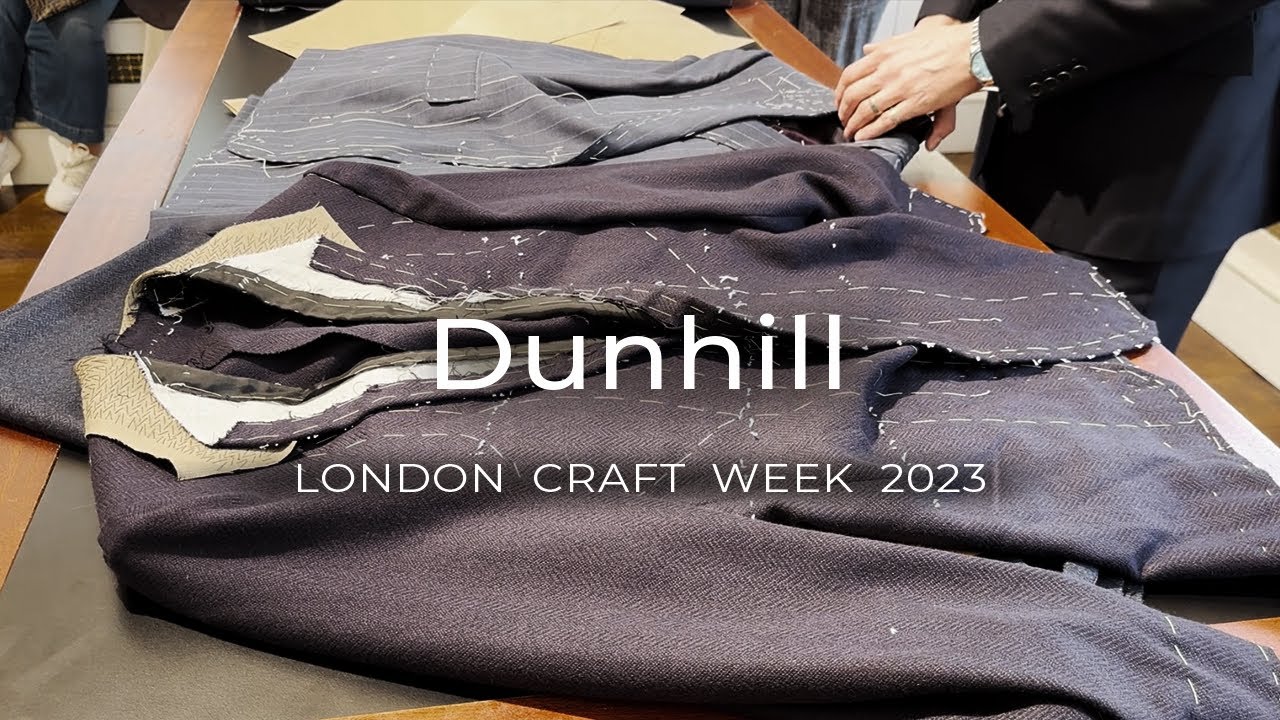
Dunhill continues to actively sponsor London Craft Week, offering behind‑the‑scenes access to its Walthamstow leather workshop and Bourdon House tailoring studio, using these events to solidify its artisanal credentials . Meanwhile, in China—a critical emerging market—Dunhill reports growing custom‑made outfit sales and a rising appetite for limited‑edition, made‑to‑measure tailoring among younger consumers. Locations like Beijing, Shanghai, Shenzhen, and Chengdu are seeing an amplified demand, which Dunhill is catering to by enhancing its tailoring and bespoke services to align with local tastes, festivals, and styles.
6. Content-Driven Digital Marketing
Dunhill has recently partnered with BAFTA Elevate, launching a multi‑year digital storytelling initiative focused on spotlighting underrepresented creative talent in documentary and factual filmmaking. These stories are shared across the brand’s owned channels (website, social) with documentary-style video content and written profiles of emerging filmmakers hosted in iconic settings like Bourdon House. By weaving engagement‑driven editorial with mentorship storytelling, Dunhill positions itself as a brand that stands for creative empowerment—fostering deep brand affinity via purpose, not just products.
With its SS25 campaign, Dunhill has leaned into an episodic, chapter‑based format (“Town”, “The Sporting Life”) across digital platforms—blending cinematic photography, short-form video, and immersive editorial on Instagram, YouTube, and web. Each “chapter” targets a lifestyle moment—urban elegance, leisurely sport, etc.—enabling discrete content drops that continually engage audiences. This serialized structure ensures sustained attention over the collection’s seasonal window and encourages platforms to surface its content over time.
Dunhill is also making waves in China’s digital market, where its travel-retail expansion is supported by content marketing and influencer collaborations. By creating localized assets—street‑style imagery and short vlogs around fashion shows—and hosting livestreamed runway events via WeChat mini-program, Dunhill achieved a #3 ranking on Weibo for men’s fashion week views, second-highest engagement after Louis Vuitton. This shows not only cultural adaptation but also a data-savvy strategy—tracking engagement rates, social listening, and tailoring content to consumer behaviors in key markets.
7. Selective Celebrity and Cultural Association
Dunhill continues to employ a highly selective approach to celebrity partnerships that underscore their luxury image. In Asia, they’ve maintained long-term alignment with actor Yang Yang, who has served as the global face of Dunhill’s eyewear campaign since 2020 and again in 2022—dominating Spring/Summer 2022 visuals and linking classic British design with contemporary Chinese appeal. In Western markets, veteran actor Jude Law has been a prominent “apparel ambassador” since around 2005–08, reinforcing an image of cultured sophistication tied to Dunhill men’s tailoring. These figures—carefully chosen for their refined, intellectual personas—anchor Dunhill in both Eastern and Western cultural spheres, ensuring resonance across key demographic segments.
Dunhill’s strategy extends beyond long-term ambassadors to include star-studded cultural activations that align with larger seasonal campaigns. For its Autumn/Winter 2025 showcase in Milan, held in January 2025 at the illustrious Società del Giardino, the brand fostered cultural cachet by inviting high-profile guests such as Regé-Jean Page, Russell Tovey, David Harewood, and Akala. By blending leading figures from film, fashion, and music, they animate their runway events not just with clothes but with personality, turning shows into cultural moments amplified by attendees’ influence—driving earned media, influencer-filled content amplification, and deeper brand storytelling.
Beyond celebrities, Dunhill also strategically partners with high-brow cultural institutions to reinforce its luxury positioning. Notably, their collaboration with Frieze Masters for 2024 included creating the “Frieze Masters Talks” series—exclusive forums exploring art, design, and culture—hosted both at the fair and within Dunhill’s own Bourdon House. This high-level cultural sponsorship aligns the brand with intellectual discourse, generating premium content (podcasts, event recaps) and cementing Dunhill’s image as more than a fashion label—it’s a cultural curator shaping the luxury lifestyle narrative.
Conclusion: Luxury for the Understated Gentleman
Dunhill’s marketing is rooted in quiet power, authenticity, and cultural discernment. It rejects gimmicks, avoids overexposure, and speaks softly—but with undeniable sophistication. The brand’s success lies in its ability to offer depth, not dazzle, and in its fierce commitment to being a true luxury brand for the thoughtful, refined, and self-assured man.
Also Read: Beyond Luxe: Richemont Group’s Iconic Brands
To read more content like this, subscribe to our newsletter