Ready to peek inside the warehouse of tomorrow? It’s a wild, wonderful world where rolling robots hustle next to busy humans, machines call the shots on inventory, and even the lights have a mind of their own.
Here’s why warehouse technology isn’t just for big retailers. It touches everyone. That pair of funky socks? Your grandma’s knitting club order? All depend on these innovations.
Let’s pull back the curtain and see why even your next online impulse buy owes everything to the new warehouse wizardry of 2025.
Robots on Wheels and Arms: The Real MVPs of 2025
Roll out the red carpet. Autonomy is in, and robots are the new warehouse celebrities. Forget sluggish conveyor belts and late-night inventory sweeps by hand; 2025 warehouses run on the silent hustle of Autonomous Mobile Robots (AMRs), Automated Guided Vehicles (AGVs), and their ever-busy friends, “cobots.”
Automation rates of adoption are expected to grow from 8% in 2019 to 45% by 2030.
Robots now handle the grunt work so humans can focus on the magic touch that only they bring. From zipping orders across vast aisles to wrapping pallets with military precision, these robots mean business. And, let’s be honest—the office Roomba never looked this cool.
From Cobots to Pallet Pals: Who’s Rolling Down the Aisles?
Step aside, sci-fi. These robots have real jobs:
- AMRs: Like Roomba, but with attitude. They swerve past obstacles, ferrying goods from shelf to shipping dock—no manual piloting required.
- AGVs: These follow invisible trails to carry pallets, lending muscles where forklifts used to reign.
- Cobots: The “buddy system” on hyperdrive. Cobots assist in packing, picking, and sorting right next to humans, adapting on the fly to different jobs.
- Palletizing Bots: Stack and wrap with rhythm, keeping boxes tight and tidy.
- Oddball Specialists: Need a thousand rubber duckies sorted by color? There’s a robot for that. Over 750,000 robots now clock in at Amazon alone, moving millions of items and shrinking fulfillment times.
Why Humans Still Matter: Work Buddies, Not Replacements
It’s not a robot takeover. Humans and their mechanical pals work side by side. Cobots are the friendly coworkers who never eat your lunch or take a sick day. People still inspect fragile goods, deal with the weird orders, and deliver creative problem-solving. The robot does what it’s told—humans dream up new solutions and spot when things “just look wrong.”
The result? Fewer aching backs, safer jobs, and a workspace that’s, dare we say, almost fun.
Brains Behind the Boxes: AI, Data Crunching, and Smart Everything
A warehouse is no longer just about muscle; now it’s about brains. Artificial intelligence, machine learning, and a swarm of gadgets keep everything humming in the background.
These systems turn warehouses into crystal balls, guessing what you’ll buy next, fetching it before you even hit “subscribe,” and skipping the dreaded out-of-stock message. Real-time data zaps across the floor, helping managers dodge bottlenecks and keep orders flowing.
Predict, Pick, Repeat: The Wizardry of AI Forecasting
AI is the warehouse’s weather forecaster. It predicts demand, keeps the shelves balanced, and cuts down on wrong picks. There won’t be any shelves sagging with unsold fidget spinners since the appropriate things come at the right moment.
- Machine learning that looks at how sales change over time
- Sensors that tell you when something is running low
- Algorithms that find patterns and stop stockouts before they happen
This clever guesswork equals fewer missed sales and less mess, which saves warehouses (and shoppers) from grief.
On-Demand Everything: The Rise of Micro-Fulfillment Centers
Think of these as espresso shots of logistics—fast, strong, and designed for instant gratification.
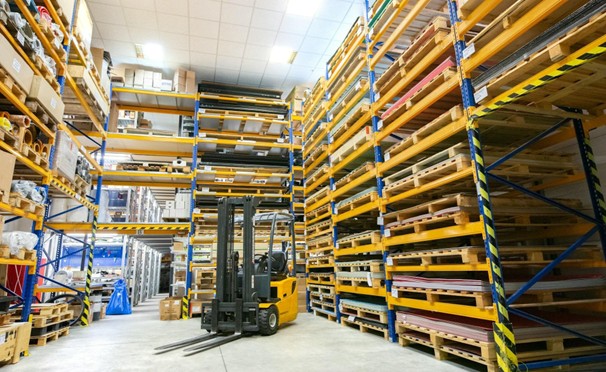
Micro-fulfillment centers (MFCs) are popping up in cities and suburbs everywhere, squeezing big warehouse brainpower into small, high-tech spaces. Instead of shipping your toothbrush refill from a mega-warehouse three states away, companies are now building compact, automated fulfillment hubs right in your neighborhood.
Why? Because speed wins. These pint-sized powerhouses shave hours—or even days—off delivery windows. Same-day shipping? Try same-hour. By placing inventory closer to customers and leaning on AI to stock only what’s likely to sell, MFCs reduce last-mile delivery costs while keeping shelves light and smart.
Major players like Walmart, Kroger, and Target are already betting big on micro-fulfillment. These centers are less about forklifts and more about vertical storage racks, robot runners, and AI-led inventory precision. Smaller footprints, taller stacks, and more robotics per square foot—it’s warehouse Tetris at its finest.
For consumers, it means fewer “out of stock” disappointments and lightning-fast delivery. For businesses, it’s a win in efficiency, sustainability, and customer loyalty. In 2025, the future of fulfillment might just be hiding in plain sight—right behind the grocery store you pass on your lunch break.
Hands-Free Tech: Wearables, Voice Commands, and RFID Tags
Want to move faster, work safer, and cut down on mistakes? In 2025, workers gear up like superheroes:
- Wearable scanners zap inventory with a flick of the wrist.
- Voice-directed picking lets staff chat with the system while they work, no clipboard needed.
- RFID tags keep constant tabs on products, so no more missing-in-action teddy bears.
These gadgets don’t just speed up the work; they cut errors and make training new team members quick and painless.
Training 2.0: Upskilling the Warehouse Workforce
Today’s warehouses need minds that can work with machines. Training in 2025 skips the dusty manuals and jumps straight into AR glasses, VR simulations, and virtual warehouses where staff learn by doing.
According to New hires get up to speed in hours, not weeks. Voice prompts, smart wearables, and gamified tasks make onboarding fast and surprisingly fun. And as tech evolves, so do the roles—think robot wrangler or AI ops lead.
In short: learning is constant, mistakes drop, and humans stay just as cutting-edge as the robots next to them.
Green Machines and Cyber Shields: Future-Proofing the Warehouse
It’s not only about how fast and smart the show is. Warehouses also want to be more environmentally friendly and have better security, which means keeping the lights on, the robots awake, and the data safe.
Power Savers: Robots on a Diet
Goodbye energy wasters, hello efficiency. The newest robots work smarter, not harder. Warehouses are:
- Putting in LED lights that only shine when there is movement and connecting robots and HVAC systems to real-time energy dashboards
- Getting clean energy from solar panels on the roof
- Cutting down on packaging waste by giving each item a box that fits it perfectly with AI
It’s like putting the whole building on a healthy diet. The world and your accountant are both happy.
Keeping It Tight: Cybersecurity in the Age of Connected Crates
Lots of machines online means new doors for digital gremlins. Today’s warehouses need digital security that would put a bank to shame:
- Private networks and firewalls wall off sensitive systems
- Password policies get an upgrade (no more “password123”)
- Software checks and routine hacking drills keep staff sharp
Hackers might prefer easier targets. In 2025, modern warehouses lock up their secrets tighter than a vault. Orders stay safe, data stays private, and everyone wins—except the hacker.
Wrapping It Up: The Next Chapter of Stuff-Shuffling Starts Now
Warehouse tech isn’t just about big boxes or miles of conveyor belts. It’s about getting your packages—yes, even your last-minute cat food order—delivered faster, smarter, and greener than ever. Robots race through aisles, AI steers the ship, and everything hums with just a little more magic.
In 2025, even your grandma might wonder if her next knitted coaster spent time in a high-tech warehouse. Whether you’re a shopper, a shopkeeper, or a collector of novelty mugs, it pays to watch where warehouse tech heads next.
Order up, the future is working overtime—and it might just be wearing a tool belt.
To read more content like this, explore The Brand Hopper
Subscribe to our newsletter