
Stradivarius stands as one of the most dynamic and innovative fashion brands in the global retail landscape, representing the youthful spirit and contemporary style that resonates with young women worldwide. Founded in 1994 by the entrepreneurial Triquell family in Barcelona, Spain, Stradivarius began as an innovative concept for fashion that would eventually capture the hearts of millions of fashion-conscious consumers across the globe. The brand’s journey from a modest Spanish family business to a global fashion powerhouse is a testament to its strategic vision and adaptability in the ever-evolving fashion industry.
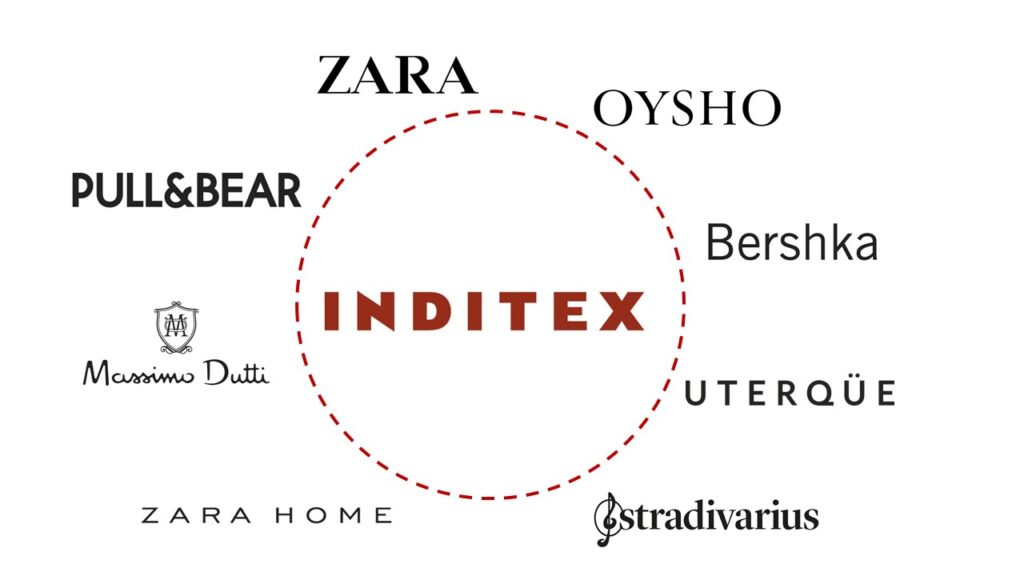
The brand’s transformation accelerated significantly in 1999 when the Spanish retail giant Inditex acquired 90% of Stradivarius shares for €108 million, completing the full acquisition in 2005 for an additional €15 million. This strategic acquisition by Inditex, the world’s largest clothing retailer and parent company of Zara, provided Stradivarius with the infrastructure, resources, and global reach necessary to expand its footprint dramatically. Under the Inditex umbrella, Stradivarius has maintained its distinctive identity while benefiting from the group’s sophisticated supply chain management and international expansion capabilities.
Stradivarius has positioned itself as a fashion brand that brings the latest trends in clothing and accessories to the street, targeting a dynamic demographic of young women aged 18-35 who are passionate about fashion, style, and creativity. The brand’s philosophy centers around offering fresh, modern, and dynamic styles that evolve with current trends, ensuring that fashion offerings remain up-to-date with the present moment. This approach has enabled Stradivarius to establish itself as a trend-driven retailer that successfully bridges the gap between high fashion and accessible street style.
The brand’s global presence is impressive, with operations spanning over 65 countries and maintaining more than 900 stores worldwide, alongside a robust e-commerce platform that serves 32 countries. From its headquarters and logistics centers in Barcelona, Stradivarius manages a complex international operation that includes company-owned stores, franchised outlets, and a sophisticated digital infrastructure. The brand’s retail network strategically focuses on high-traffic shopping areas in major cities, enabling direct engagement with its target demographic while maintaining consistent brand image and customer experience across all touchpoints.
One of Stradivarius’s most distinctive characteristics is its iconic treble clef logo, which historically substituted the first “S” in the brand name and now appears prominently in front of the brand name. This musical symbol reflects the brand’s philosophy of creating fashion that moves to the rhythm of its own unique melody, embodying creativity, harmony, and individual expression. The logo serves as a visual representation of the brand’s commitment to helping young women express their personal style through fashion that resonates with their lifestyle and aspirations.
Stradivarius’s business model is built on the fast fashion principle, emphasizing rapid response to emerging trends, quick turnaround times from design to retail, and affordable pricing that makes contemporary fashion accessible to its target demographic. The brand operates on a continuous collection refresh cycle, introducing new products regularly to keep pace with changing fashion trends and consumer preferences. This approach requires sophisticated demand forecasting, agile supply chain management, and deep understanding of consumer behavior patterns.
The brand’s commitment to innovation extends beyond traditional retail, as Stradivarius has embraced digital transformation and technological advancement as core components of its strategy. From launching its first online store in 2011 to pioneering artificial intelligence-generated campaigns and entering the metaverse with digital fashion collections, Stradivarius consistently positions itself at the forefront of retail innovation. This forward-thinking approach has enabled the brand to maintain relevance among digitally native consumers while exploring new revenue streams and customer engagement opportunities.
Marketing Strategies of Stradivarius
1. Digital-First Social Media Marketing Strategy
Stradivarius has revolutionized its approach to customer engagement through a comprehensive digital-first social media marketing strategy that leverages multiple platforms to create authentic connections with its target audience. The brand’s social media presence spans across TikTok, Instagram, Pinterest, and other platforms, with each channel serving specific purposes in the overall marketing ecosystem. This multichannel approach enables Stradivarius to reach different segments of its audience where they are most active, ensuring maximum visibility and engagement across diverse digital touchpoints.
The brand’s TikTok marketing strategy exemplifies its innovative approach to social media engagement, particularly through the launch of the “Stradishoppers TV” channel that offered Personal Shopper Online services to followers. This initiative combined entertainment with utility, creating content that was both engaging and functional for the target audience. The campaign utilized TikTok’s native ad formats, including TopView ads that appeared immediately upon app opening and In-Feed ads that integrated seamlessly with organic content. The creative strategy focused on demonstrating the service through popular influencers, incorporating catchy music and dynamic costume changes that aligned with TikTok’s content culture.

Instagram serves as a central hub for Stradivarius’s visual storytelling and community building efforts, with the brand maintaining 7.3 million followers through consistent, high-quality content that showcases new collections, styling inspiration, and behind-the-scenes glimpses of the brand. The platform enables Stradivarius to create immersive brand experiences through features like Stories, Reels, and IGTV, while the #stradilooks hashtag has become a powerful tool for user-generated content. This hashtag strategy encourages customers to share their styling interpretations of Stradivarius pieces, creating a community-driven content ecosystem that extends the brand’s reach organically while providing social proof and authentic testimonials from real customers.

The brand’s social media strategy extends to Pinterest, where it has successfully aligned timing and content with cultural moments to drive engagement and conversions.For instance, the collaboration with the Netflix series Bridgerton resulted in a targeted Pinterest campaign that increased click-through rates by 25% and reduced cost-per-click by 17% compared to other brand campaigns. This success demonstrates Stradivarius’s ability to capitalize on trending topics and cultural phenomena by creating relevant, timely content that resonates with platform users who are actively seeking inspiration related to specific themes or interests.
2. Strategic Brand Collaborations and Partnerships
Stradivarius has developed a sophisticated approach to brand collaborations that enhances its product offerings while introducing the brand to new audiences and market segments. The collaboration strategy focuses on partnering with emerging designers, established lifestyle brands, and cultural icons that align with the brand’s youthful, trendy aesthetic. These partnerships serve multiple strategic purposes: expanding product categories, accessing new customer bases, creating media buzz, and reinforcing brand positioning as a trendsetter in the fashion industry.
The SafSafu collaboration represents a significant milestone in Stradivarius’s expansion into the jewelry category, partnering with Iranian-born designer Safu Seghatoleslami whose pieces have been worn by celebrities including Dua Lipa, Olivia Rodrigo, and Rosalía. This collaboration brought premium jewelry design to Stradivarius’s accessible price point, with pieces priced around €15 while maintaining the distinctive SafSafu aesthetic. The “Paris Meets Barcelona” collection featured 15 jewelry pieces that celebrated symbolic motifs including keys, stars, hearts, cowboy hats, and roses, effectively merging SafSafu’s premium positioning with Stradivarius’s mass market appeal.

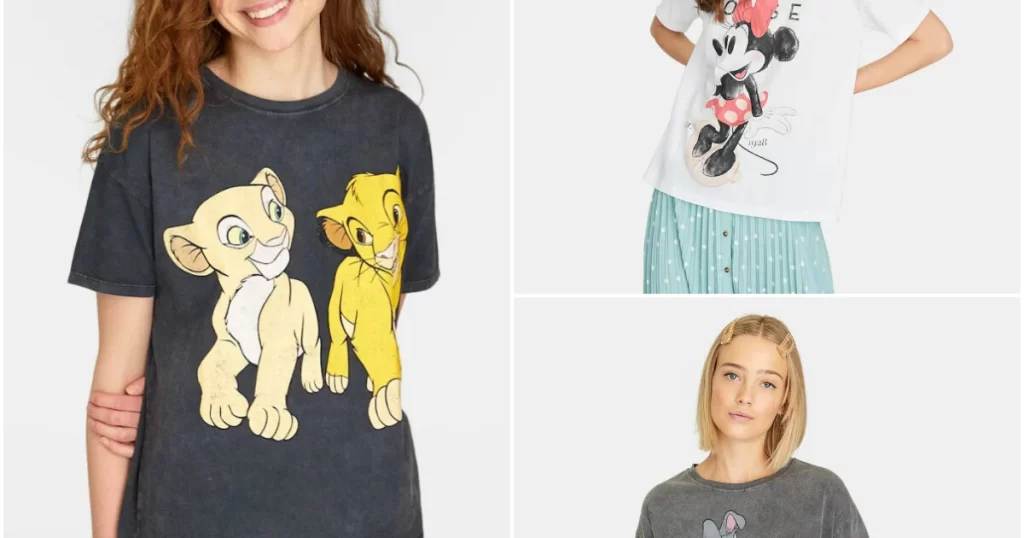
Strategic partnerships with established brands like Havaianas, Starter, and Disney have enabled Stradivarius to expand its product portfolio while leveraging the equity and recognition of iconic brands. The Havaianas collaboration introduced flip-flops priced under €20, targeting the summer collection market while providing customers with authentic Brazilian flip-flop designs at Stradivarius’s accessible price points. Similarly, the Starter collaboration for Spring-Summer 2024 brought American sportswear aesthetics to Stradivarius customers through a capsule collection featuring the brand’s distinctive star logo and blue-white color palette, with prices ranging from €15.99 for t-shirts to €35.99 for sneakers.

The Disney collaborations, particularly the Mickey Mouse 90th anniversary collection, demonstrate Stradivarius’s ability to tap into cultural moments and nostalgic connections. The campaign combined style with the presence of the iconic mouse character, creating content that celebrated both fashion and pop culture heritage. This approach to collaboration extends beyond simple co-branding to create meaningful connections between Stradivarius’s fashion-forward positioning and beloved cultural icons that resonate across different age groups within the target demographic.
3. Artificial Intelligence and Technology Integration
Stradivarius has positioned itself as a pioneer in the fashion industry’s adoption of artificial intelligence and advanced technologies, launching the first AI-generated campaign by any Inditex brand in March 2023. This revolutionary approach to campaign creation utilized artificial intelligence to generate images that had never existed, featuring virtual models wearing reimagined versions of the brand’s collections. The AI-generated campaign was described as “an exaggeration of the real collection and reflects what fashion would be like if reality was not limiting us,” demonstrating the brand’s commitment to pushing creative boundaries through technological innovation.

The AI campaign process involved creating dreamlike fashion editorial garments that showcased cross-back midi dresses, flowing blouses, floral prints, and asymmetrical necklines alongside denim pieces and metallic accessories. The artificial intelligence system generated an explosion of color where flowers mingled with enveloping fabrics, creating visuals that were impossible to achieve through traditional photography. This approach not only reduced production costs and time but also allowed for unlimited creative possibilities that weren’t constrained by physical limitations or logistical challenges of traditional fashion photography.
Beyond campaign creation, Stradivarius has integrated technology into its retail operations through predictive systems that optimize store operations and customer experience. The brand has implemented predictive checkout systems that adaptively configure the number of checkouts based on customer traffic patterns, reducing waiting times and improving customer satisfaction. Additionally, the company has introduced self-checkout options, mobile checkout solutions, and QR code systems for accelerated order identification and collection, demonstrating comprehensive digital transformation across the customer journey.
The brand’s technology integration extends to inventory management and customer service through the implementation of automated pickup points for online orders and fitting room booking systems that eliminate waiting times. Customers can now book fitting rooms in advance through the mobile application or in-store devices, receiving notifications when their fitting room becomes available. This technological approach to customer experience optimization reflects Stradivarius’s understanding that modern consumers expect seamless, efficient interactions across all brand touchpoints.
4. Metaverse and Digital Fashion Innovation
Stradivarius has emerged as a leader in metaverse marketing and digital fashion innovation, becoming the third Inditex brand to enter the virtual world with its “Digital Fashion: wear the future now” collection. This initiative represents a significant expansion of the brand’s product portfolio into entirely digital offerings, allowing customers to purchase virtual garments that can be attached to their photographs and shared across social media platforms. The project demonstrates Stradivarius’s commitment to adapting to emerging digital behaviors and future consumer preferences.

The digital fashion initiative operates through a drop-based strategy, launching limited collections exclusively through the Stradivarius mobile app. The first collection, “Drop 1: Blueming,” featured unique dresses, corsets, and asymmetrical metallic pieces inspired by denim and floral romanticism. Virtual garments were initially offered free of charge for limited periods, with original prices ranging from €1.90 for short denim dresses to €5.99 for complete ensemble sets. This pricing strategy made digital fashion accessible to the brand’s core demographic while testing market response to virtual product offerings.
The user experience for digital fashion has been designed to be intuitive and engaging, requiring only simple steps: downloading the app, selecting the digital fashion function, taking or uploading a photo, and virtually trying on desired products. This streamlined process ensures that the technology barrier is minimal, allowing customers to experiment with digital fashion without requiring technical expertise. The ability to share these virtual fashion looks on social media platforms creates additional marketing value, as customers become brand ambassadors showcasing Stradivarius’s innovative digital offerings to their personal networks.
The metaverse strategy positions Stradivarius at the forefront of fashion industry evolution, recognizing that younger consumers are increasingly comfortable with digital-first experiences and virtual product ownership. By offering digital fashion at accessible price points, Stradivarius has democratized access to virtual fashion experiences that were previously available only through specialized digital fashion companies. This approach allows the brand to maintain its commitment to accessibility while exploring new revenue streams and customer engagement methods that will likely become increasingly important in the fashion industry’s future.
5. Omnichannel Customer Experience Strategy
Stradivarius has developed a sophisticated omnichannel retail strategy that seamlessly integrates physical stores, e-commerce platforms, and mobile applications to create a unified customer experience. This comprehensive approach ensures that customers can interact with the brand across multiple touchpoints while maintaining consistent service quality, product availability, and brand experience. The omnichannel strategy recognizes that modern consumers expect flexibility in how they discover, evaluate, purchase, and receive products, requiring retailers to eliminate friction between different shopping channels.
The brand’s physical retail presence is strategically designed to complement its digital offerings through the implementation of “Wave Store” concepts that feature minimalist design with rounded shapes and neutral color palettes. These stores are optimized for both product display and digital integration, incorporating LED lighting and natural materials that meet eco-efficiency criteria while creating environments where collections serve as the primary focal point. The physical stores function as experience centers where customers can interact with products, access digital services, and receive personalized assistance from trained staff members.
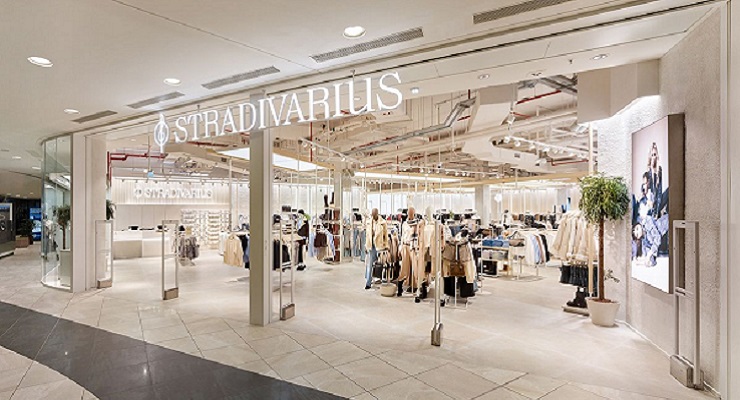
Digital integration within physical stores includes advanced features such as automated pickup points for online orders, QR code systems for accelerated customer identification, and mobile checkout options that reduce waiting times. Customers can reserve items online for in-store pickup, check product availability across different locations, and access their purchase history and preferences through integrated customer profiles. This level of integration ensures that online and offline experiences complement rather than compete with each other, creating added value for customers who choose to engage with multiple channels.
The omnichannel approach extends to customer service and support, with Stradivarius maintaining consistent messaging, pricing, and promotional offers across all channels. The brand has implemented next-day delivery in major markets globally and same-day delivery in cities including New York, Madrid, Paris, London, Shanghai, Moscow, and São Paulo. These service enhancements demonstrate the company’s commitment to meeting evolving customer expectations for convenience and speed while maintaining the affordable pricing that defines the brand’s value proposition.
6. Sustainability and Corporate Social Responsibility Marketing
Stradivarius has integrated sustainability initiatives and corporate social responsibility into its marketing strategy, recognizing that environmental consciousness is increasingly important to its target demographic. The brand has achieved significant milestones in waste reduction and environmental responsibility, including obtaining TRUE Zero Waste certification with Platinum rating for both its headquarters in Cerdanyola del Vallès and its logistics center in Sallent. This certification, awarded by Green Business Certification Inc, demonstrates the company’s commitment to transforming waste into reusable resources through comprehensive circular economy practices.
The Zero Waste initiative encompasses all aspects of Stradivarius’s operations, from office environments to logistics centers, with teams demonstrating commitment to circularity and responsible waste management. The program focuses on emulating sustainable natural cycles by ensuring that all discarded materials become resources that can be reused, rather than contributing to environmental waste. This comprehensive approach to sustainability extends beyond marketing messaging to encompass operational changes that deliver measurable environmental benefits while reducing operational costs.
In addition to environmental initiatives, Stradivarius has committed to ethical sourcing practices, including signing a brand letter of intent in 2025 calling on the Australian wool industry to end the practice of mulesing. This commitment to animal welfare demonstrates the brand’s recognition that ethical considerations extend beyond environmental concerns to encompass animal rights and humane treatment throughout the supply chain. These initiatives resonate particularly strongly with younger consumers who increasingly make purchasing decisions based on brand values and ethical considerations.
However, sustainability marketing for Stradivarius faces challenges due to its position within the fast fashion industry and the inherent tensions between rapid product turnover and environmental responsibility. Independent assessments have rated Stradivarius as “Not Good Enough” for environmental impact, noting that while the brand uses recycled packaging and has set greenhouse gas reduction targets, there is limited evidence of progress toward these goals. This reality requires the brand to balance sustainability marketing with transparency about ongoing challenges and continuous improvement efforts rather than positioning itself as a fully sustainable option.
7. Influencer Marketing and Celebrity Endorsements
Stradivarius has developed a comprehensive influencer marketing strategy that combines celebrity endorsements, micro-influencer partnerships, and user-generated content campaigns to amplify brand visibility and credibility. The brand’s approach to influencer marketing is multi-tiered, incorporating international celebrities who bring global recognition, regional influencers who connect with local markets, and micro-influencers who provide authentic, relatable content for specific audience segments. This diversified strategy ensures broad reach while maintaining authentic connections with different consumer groups.
Celebrity endorsements play a significant role in Stradivarius’s marketing strategy, with the brand featuring international models and celebrities in major campaigns. The AW23 campaign featured three international models representing different generations: Spanish model Esther Cañadas, Puerto Rican model Joan Smalls, and Dutch model Luna Bijl. This multigenerational approach allows the brand to connect with consumers across different age groups while reinforcing its positioning as a timeless, iconic brand that transcends temporary trends. The campaign focused on the concept of what makes an icon, with each model sharing their perspective on iconicity and eternal appeal.

Regional influencer partnerships are executed through specialized agencies and events that create authentic brand experiences. In Poland, Stradivarius partnered with Warsaw/Creatives to organize events and facilitate hundreds of influencer publications across multiple social media platforms. The brand’s SS24 collection launch in Warsaw featured singer and actress Julia Wieniawa, influencer and singer Weronika Sowa “Wersow,” influencer Julia Kuczyńska “Maffashion,” and model Sylwia Butor, creating diverse content that appealed to different audience segments while generating significant social media engagement.
The success of influencer marketing campaigns is measured through engagement metrics, conversion rates, and brand awareness indicators. The TikTok “Stradishoppers TV” campaign achieved impressive results with 14.02 seconds average watch time and 16.21% engagement rate, while generating over 12,000 new followers in just two days. These metrics demonstrate the effectiveness of influencer-driven content in capturing audience attention and driving meaningful engagement that translates into follower growth and potential customer acquisition.
Conclusion
Stradivarius has established itself as a formidable force in the global fashion industry through its innovative and multifaceted marketing strategies that successfully bridge traditional retail with cutting-edge digital innovation. The brand’s ability to maintain its youthful, trendy positioning while continuously evolving its marketing approach demonstrates a sophisticated understanding of its target demographic and the rapidly changing retail landscape. From its origins as a family business in Barcelona to its current status as a global fashion powerhouse under the Inditex umbrella, Stradivarius has consistently demonstrated adaptability, creativity, and strategic vision in its marketing efforts.
The seven core marketing strategies examined—digital-first social media marketing, strategic brand collaborations, AI and technology integration, metaverse innovation, omnichannel customer experience, sustainability marketing and influencer partnerships —work synergistically to create a comprehensive marketing ecosystem that addresses multiple aspects of modern consumer behavior. Each strategy contributes unique value while reinforcing the others, creating a cohesive brand experience that resonates with young, fashion-conscious consumers across diverse markets and cultural contexts.
Looking forward, Stradivarius’s commitment to innovation and technological advancement positions the brand well for continued success in an increasingly competitive and digitally-driven retail environment. The brand’s willingness to experiment with artificial intelligence, virtual fashion, and emerging social media platforms demonstrates an organizational culture that embraces change and views technological advancement as an opportunity rather than a threat. This forward-thinking approach will likely continue to differentiate Stradivarius from competitors while enabling the brand to maintain relevance among digitally native consumers who expect seamless, innovative experiences from the brands they support.
Also Read: Inditex Beyond Zara: List of Brands Owned by Inditex Group
To read more content like this, subscribe to our newsletter