Last Updated on June 26, 2025 by Team TBH
In late 2011, Metro Trains Melbourne faced a growing crisis: an alarming rise in “unsafe behaviour” incidents at train stations—running across platforms, hopping boom gates, standing too close to tracks—particularly among young people disengaged by traditional fear-based public service announcements. The challenge was clear yet daunting: how do you reach a generation that simply “tunes out” conventional safety messages?
Enter McCann Melbourne, with a radical idea: make safety fun, not fear‑based. The brief was to provoke serious behaviour change—but through humor, emotion, and shareability. A rising wave of near‑misses demanded something bold. Their answer? A cartoon of whimsical “beans” dying in absurd, silly ways—inspiring laughter, entertainment, and above all, attention.
Creative Alchemy: Humor, Music & Mortality
In November 2012, the world met “Dumb Ways to Die”, a 2-minute animated music video pairing euphoric visuals with a darkly hilarious soundtrack. Delightfully quirky characters named Numpty, Hapless, Pillock, and Dippy meet their end doing absurd things—shining lasers at eyes, setting off grenades—culminating in the message: “Don’t do those dumb things at train stations.”
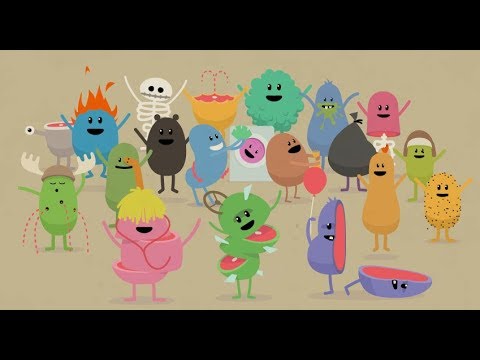
The soundtrack—“Dumb Ways to Die” by Tangerine Kitty—was an instant earworm. Released simultaneously on iTunes, the app skyrocketed to the top-10 global music charts within 48 hours. McCann’s strategy: serve edutainment (education through entertainment), and let social sharing do the rest. Within two weeks, the campaign generated over AUD 50 million in earned media and 700+ news mentions, far exceeding expectations for minimal spend.
A Digital Juggernaut: From YouTube to iTunes
By the end of 2012, the video had spread globally:
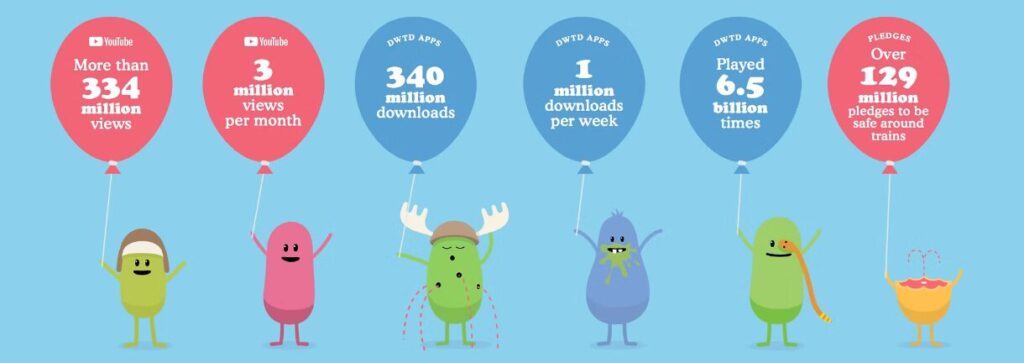
- 320 million+ views on YouTube
- Achieved an earnt reach of AUD 50 million+
- Downloaded and shared on iTunes in 28 countries
Globally, it became salary‑earning entertainment—with media coverage in the UK, USA, Asia, Latin America—all united by the comedic message. It became so viral that it achieved “Gangnam‑Style‑level” cultural status.
Behavioural Impact: Silly Story, Serious Change
But did it work? Metro Trains tracked actual change:
- Near-miss incidents fell from 13.29 to 9.17 per million train kilometres—a 30% reduction compared to the same summer-peak period (Nov 2012 – Jan 2013 vs. Nov 2011–Jan 2012)
- A subsequent year-on-year comparison showed a 20% reduction in near misses recorded over 2012 and early 2013
Beyond stats, 129 million—estimated—pledges were made online, including 44,000 pledges via the microsite within days of the video’s launch. This wasn’t only raising awareness—it appears to have shifted behaviour.
Gameplay That Teaches: Serious Games for Safety
Entertainment was layered: in May 2013, Metro launched Dumb Ways to Die mobile games for iOS and Android. They framed minigames replicating silly deaths—with one key twist: they end with a rail-safety pledge. Players were hooked.
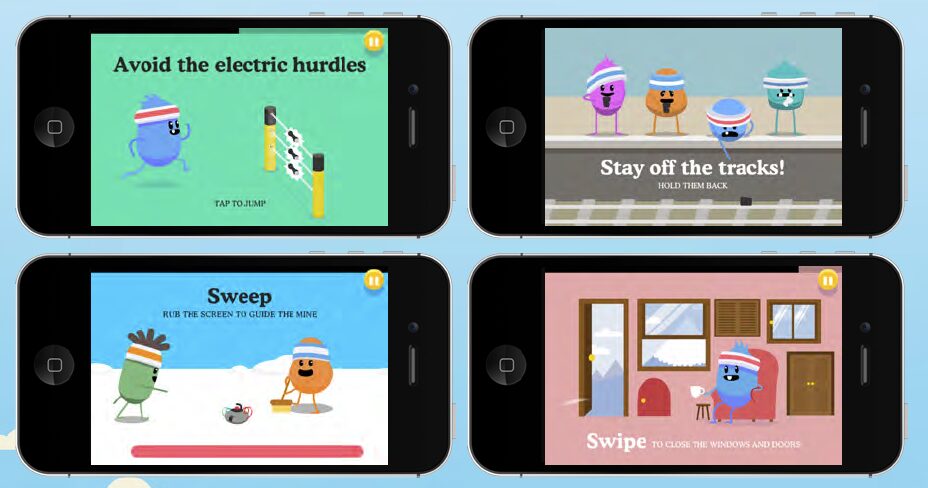
- The app reached #1 in 22 countries, topping charts in critical markets like the US, UK, Canada, and Australia
- Its follow‑up, Dumb Ways to Die 2: The Games (2014), topped charts in 83 countries
- Combined franchise numbers: 190 million downloads, 4+ billion plays
Academic analysis confirmed it as a “serious game”—using playful dilemmas to embed real-world safety messaging.
Edutainment & Ecosystem: School Kits + Merchandise
Beyond video and games, Metro beefed up educational tools:
- School safety kits distributed across Melbourne primary schools—bundling videos, lesson plans, and pledge sheets
- Merchandise including bean plush toys, T-shirts, drink bottles—extending the brand into daily life, race days, and commuter culture
- Station posters, local radio, and outdoor billboard ads—tying back to the video message
These efforts weren’t afterthoughts—they were strategic channels reinforcing consistent safety messaging across physical and online environments.
Global Reach: Replication & Evolution
The campaign’s momentum moved worldwide:
- LA Metro rolled out “Safetyville”, an adaptation targeting similar commuter audiences—getting ~1 million views
- “Dumb Ways to Die” spawned spin-offs and community content, including TikTok recreations and themed micro‑videos
-
In 2021, Canadian developer PlaySide Studios acquired the Dumb Ways to Die franchise for A$2.25 million, signaling the brand’s value beyond transit messaging.
In recent years, the brand maintains relevance via updates and seasonal tie-ins, such as new gameplay (“Dumb Ways JR” for kids, “Superheroes” themes, and the 2023 launch of Dumb Ways 4).
Icons of Creativity: Awards & Accolades
The creative community took notice:
- Most-awarded campaign in Cannes Lions history at its debut: 28 Lions, featuring 5 Grand Prix awards.
- Seven Webby Awards (2013)—including Best Animation, Best Activism Video
- Grand Trophy at New York Festivals and numerous PR/Film/Integrated honors
Cannes declared Metro Trains its “Brand of the Year”, spotlighting purposeful creativity.
Rigor & Reflection: The Good and the Critiques
Though broadly hailed, the campaign did face some critiques:
- Some argued it softened traumas associated with real rail suicides—“cute deaths might trivialize serious matters”
- Skeptics said the 20–30% drop in incidents may have been influenced by other factors like increased enforcement or seasonal fluctuation.
Still, even critics applauded the campaign’s transparency and the fact it broke through conventional PSAs—with media coverage encouraging discourse on whether stations could leverage humor beyond “behavioural public health.”
Four Enduring Lessons
1. Edutainment Triumphs: Serious messages don’t need to scold—humor and charm can be more persuasive.
2. Omni‑channel Consistency: From video to school kits, merchandise to mini-games—the message is embedded everywhere.
3. Measure Behaviour, Not Just Buzz: Pledge counts and accident tracking set new standards for public-campaign ROI.
4. Global Good, Local Fit: While the beans travelled well, local adaptations like Safetyville proved sustainability through cultural resonance.
Legacy & Influence: Beyond Melbourne
Over a decade later, “Dumb Ways to Die” has left an indelible mark:
- Transit authorities worldwide adopted cartoon-safety messaging—broadening the model for safer journeys
- Public health campaigns (auto, anti-drug, mental wellness) borrowed the format—mini-narratives, music, humor, pledge calls > shocks or fear
- Branded content is now legit—metro agencies used measured creativity to drive meaningful change
The campaign powerfully demonstrated that public institutions + creative agencies + measurable metrics = transformative brand purpose.
Final Takeaway: A Safety Classic Writ Large
In telling the tragicomic tales of animated beans, Metro Trains delivered a public safety message that was funny, unforgettable, and effective.
320 M+ views, 190 M+ downloads, 4 B+ plays, 127 M pledges, and near‑miss rates plummeted 20–30%
28 Cannes Lions, Webbys, New York Festival trophy, and widespread acclaim for turning PSA into purpose‑powered entertainment
A lasting franchise that continues to adapt—kids apps, merch, local variants—long after the original campaign ended
Above all, the campaign redefined how audiences engage with safety messaging: not by scaring them—by making them care.
Also Read: A Case Study on Lego’s “Rebuild the World” Campaign
To read more content like this, subscribe to our newsletter