Last Updated on July 14, 2025 by Team TBH
Google’s “Year in Search” is an annual reflection of the top global search trends, capturing key events, cultural movements, and collective societal emotions. It started in 2010 as Google’s “Zeitgeist” report and evolved into a highly anticipated year-end campaign showcasing the world’s most popular search queries. The campaign centers around an emotive short video, produced by Google’s in-house Brand Studio, summarizing the most significant moments of the year. Released every December, “Year in Search” has become a global brand moment, covering everything from global crises to viral phenomena, driving immense media and social media attention worldwide.
Objectives and Branding Strategy
The primary goal of “Year in Search” is to humanize Google’s brand. The campaign reinforces the company’s position not just as a search engine, but as a curator of global cultural moments. It celebrates the power of search and presents Google as an empathetic brand, reflecting on both positive and challenging times.
Each year’s video is crafted to stir emotions, fostering a deeper connection with users by highlighting shared experiences. The 2023 campaign, marking Google’s 25th anniversary, embraced nostalgia, celebrating significant cultural shifts and breakthroughs over the years. This strategy positions Google as not only a service provider but a key participant in people’s lives.
The campaign’s branding strategy revolves around creating emotional resonance. By showcasing global moments through a human-centric lens, it has evolved into a symbol of togetherness. It reinforces Google’s commitment to being the world’s most trusted information provider, associated with moments of hope, resilience, and curiosity.
Creative Execution: Video, Design, and Tone
The hallmark of each “Year in Search” campaign is its hero video. These short films compile the most searched topics, from global news and cultural movements to viral moments. They are crafted with an emotional narrative that captures the tone of the year. For example, the 2020 campaign, which reflected the uncertainty of the COVID-19 pandemic, utilized a spoken-word poem and original music to invoke a sense of unity and hope. Each year, the creative approach shifts slightly, but it consistently centers on highlighting universal experiences—searching for answers, seeking connection, and learning.

The design often features Google’s signature search bar, superimposed over global footage, reinforcing the link between the search engine and people’s daily lives. Narrative structure is key to the emotional impact, with each video featuring a thoughtful build-up that begins with difficult moments and ends on a note of hope. This format enables Google to maintain continuity, while keeping the tone fresh and relevant.
Campaign Evolution: Key Shifts Over the Years
Since its inception, “Year in Search” has evolved to reflect the changing global landscape. Key milestones and shifts include:
2017 – “How”: The video focused on how people asked more questions than ever, emphasizing humanity’s quest for solutions. This campaign highlighted the increasing curiosity about personal and societal issues.
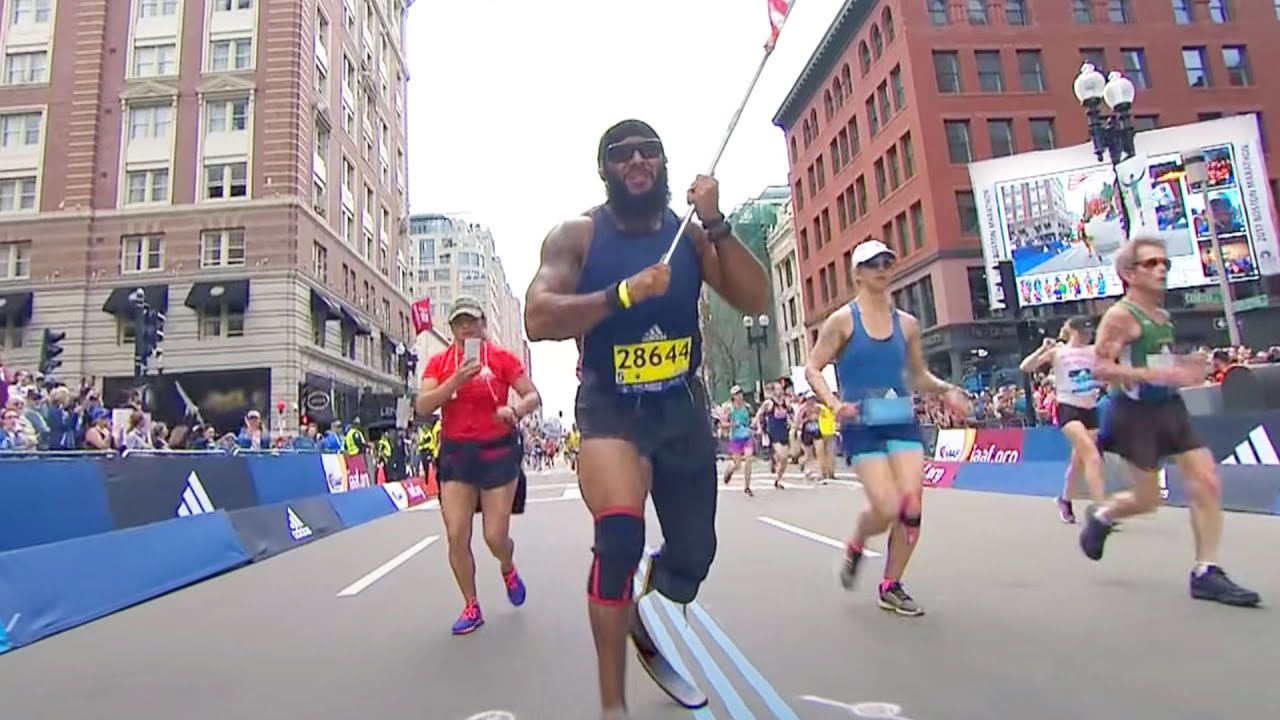
2018 – “Good”: As a counterpoint to a turbulent year, Google celebrated positivity, showing how people sought “good” in the face of hardship.

2019 – “Heroes”: This year’s video focused on people searching for heroes rather than villains, celebrating acts of courage and selflessness in response to societal unrest.

2020 – “Why”: Amid the pandemic, this year’s theme centered on why people were searching for answers to the world’s most pressing questions, encapsulated in the emotionally charged 3-minute video that introduced custom music and poetry.
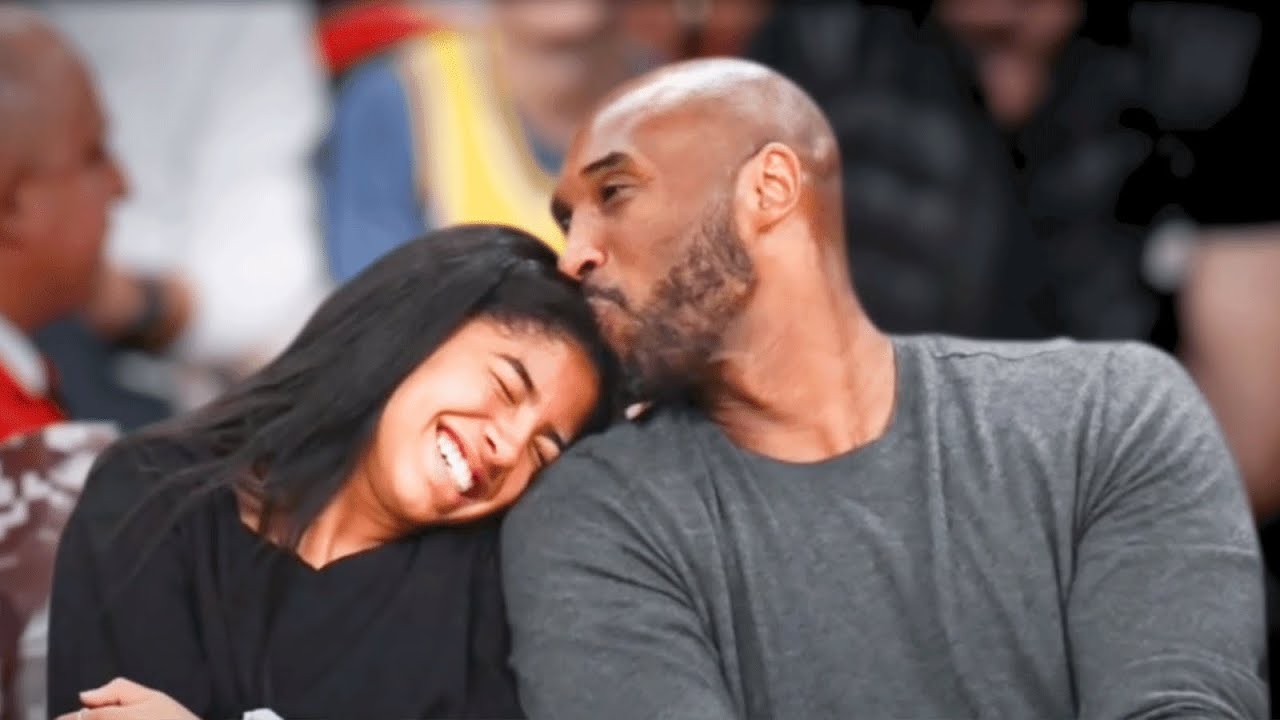
2021 – “Healing”: With the world beginning to recover, Google focused on healing, both physically and emotionally, capturing the global desire for recovery post-pandemic.

2023 – “25 Years in Search”: This campaign was a retrospective, celebrating Google’s 25th anniversary by showcasing the top searches from the past quarter-century, blending nostalgia with the forward-looking themes of the present day.

Each year, the campaign adapted to the cultural moment, introducing new elements such as original content (poems, music) and interactive features, ensuring that the narrative resonated deeply with audiences.
Global Reach and Localization
Despite its global nature, “Year in Search” has always been tailored to local audiences. Google produces localized trend reports for over 70 countries, highlighting regional search trends alongside global ones. This strategy ensures that while the hero video maintains a universal appeal, audiences can also see reflections of their own countries and cultures in the data. For example, in 2024, Google’s global film was complemented by local content that spotlighted the top searches in India, the UK, and other countries, fostering a sense of connection across borders.
Localization goes beyond just language translation. By recognizing the unique concerns and interests of each market, Google ensured that its campaign felt personal to diverse audiences, driving deeper engagement. This localization strategy extends to platforms as well, with content adapted to various social media channels, ensuring that the campaign reaches users in the formats they prefer.
Media Channels and Distribution
Google maximized its cross-platform reach by distributing “Year in Search” across a wide range of media channels. The primary vehicle is the YouTube video, which often ranks among the top trending videos of the year. In addition to YouTube, Google promotes the campaign through its own platforms (Search, Gmail, Google Home), integrating search trends directly into the user experience. The Google homepage Doodle often features the Year in Search logo, providing an organic entry point for millions of users globally.
Social media platforms such as Instagram, Twitter, and TikTok amplify the campaign’s reach. By partnering with influencers and celebrities, Google extends its influence, tapping into the power of fandoms and community-driven content. In 2023, collaborations with stars like Cristiano Ronaldo and Taylor Swift helped drive viral moments. The campaign also generated significant earned media, with thousands of press outlets worldwide covering the annual trends, further boosting its visibility.
Audience Engagement and Cultural Resonance
Year in Search resonates deeply with audiences due to its focus on shared experiences. It taps into universal human emotions like hope, fear, joy, and resilience, making it a widely anticipated event each year. The campaign’s ability to reflect cultural moments—whether global crises like COVID-19 or personal transformations like mental health awareness—ensures its relevance and emotional appeal.
Audience engagement is also evident in the social media buzz that surrounds the campaign. In 2023, “Year in Search” generated millions of conversations across platforms, with viewers sharing their thoughts, reactions, and reflections. Google also strategically encouraged participation, creating Easter eggs and interactive content that invited users to search for their own trends, increasing engagement.
Impact Metrics and Measured Outcomes
The campaign’s success can be measured by several key performance indicators:
-
Viewership: The 2020 Year in Search video garnered over 240 million views, and by 2024, the campaign accumulated over 765 million views across platforms, making it the most-watched edition to date.
-
Social Media Reach: The campaign consistently generates millions of impressions and engagement, with conversation lift spiking by over 6x compared to typical Google brand content. In 2024, posts about Year in Search generated significant engagement, including viral moments with influencers like Cristiano Ronaldo.
-
Earned Media: The campaign continues to drive extensive press coverage, with over 4,200 articles in 2024 alone. News outlets worldwide covered the trends, emphasizing Google’s role in shaping cultural conversations.
-
Brand Sentiment: “Year in Search” consistently elevates brand perception, with positive sentiment surveys showing Google benefiting from increased trust and affinity post-campaign.
Critical Analysis and Lessons Learned
The “Year in Search” campaign has proven to be an exemplary model of data-driven storytelling. By turning search trends into emotionally resonant narratives, Google has successfully positioned itself as a brand that understands and connects with people on a deeper level. The campaign’s evolution over the years highlights the importance of staying relevant and innovative—whether by adding original music, interactive features, or global retrospectives.
Key takeaways for marketers include:
-
Leveraging Data Creatively: Google demonstrates how to turn raw data into compelling narratives that resonate with people.
-
Emotional Storytelling: The campaign’s success shows that brands can engage deeply with audiences by focusing on emotions rather than direct product promotion.
-
Local and Global Balance: While the campaign has global appeal, localizing content ensures that audiences feel represented and engaged.
-
Multi-Channel Distribution: Effective use of multiple platforms—from YouTube and social media to Google’s own products—ensures the campaign reaches audiences where they are.
Conclusion
Google’s “Year in Search” has evolved into a cultural touchstone, connecting millions globally through shared experiences and emotions. By consistently innovating while staying true to its core mission of reflecting the world’s most meaningful moments, Google has created a campaign that not only drives brand affinity but also sparks important cultural conversations. As it continues to evolve, the campaign remains a masterclass in blending data, creativity, and human connection.
Also Read: Case Study: Metro Trains’ “Dumb Ways to Die” Campaign
To read more content like this, subscribe to our newsletter