Last Updated on July 16, 2025 by Team TBH
Always is Procter & Gamble’s flagship feminine hygiene brand. Since the 1980s it has focused on puberty education and empowering girls – reaching over 17 million girls in 65+ countries through programs on confidence and menstruation. However, by 2013 Always’s purpose (supporting girls at puberty) was not evident to Millennials, and its communications had become purely product-focused while competitors embraced social trends.
Internally, P&G knew girls’ self-esteem plunged at puberty (research shows ~50% experience a confidence drop after first period) and sought to connect its brand legacy to a fresh, meaningful message for the next generation.
In sum, Always was a trusted, product-led pad brand with a long history of girls’ confidence programs – but it needed a new, purpose-driven positioning to resonate with young women by 2014.
Cultural and Social Context
By 2014, gender stereotypes and girls’ self-image were high-profile social issues. The phrase “like a girl” was commonplace as a casual insult implying weakness, especially in sports and abilities. Qualitative research confirmed only ~19–20% of young women even had a positive association with “like a girl”.
At the same time, online discourse around female empowerment, body image and feminism was surging – from Dove’s “Real Beauty” campaigns to movements like #BanBossy (2014). Crucially, P&G’s own insight was that girls’ confidence nosedives at puberty due to many societal pressures.
Judy John, Leo Burnett’s CCO, noted: “Girls first come in contact with Always at puberty, a time when they are feeling awkward and unconfident – a pivotal time to show girls the brand’s purpose and champion their confidence“.
In this context, reframing an everyday insult (“like a girl”) into something positive fit both a genuine social need and tapped a zeitgeist of challenging stereotypes.
Campaign Objectives and Insight Generation
Always’s brief was clear: reclaim “like a girl” as an empowering concept and rebuild girls’ confidence.
Extensive research underpinned this goal – studies showed girls’ self-esteem dropped sharply after puberty (50% drop after first period) and that “doing something like a girl” was widely seen as an insult. Only 19% of women 16–24 had a positive view of that phrase. The campaign’s central insight was that societal messaging (“throw/run/fight like a girl”) was teaching girls they’re weak. Always wanted to challenge this stereotype and inspire girls.
In practical terms, P&G and its agencies set objectives to:
- Reframe “like a girl” from a put-down into a symbol of strength and capability.
- Build an emotional connection by using storytelling (rather than product pitches) to show the power of girls’ confidence.
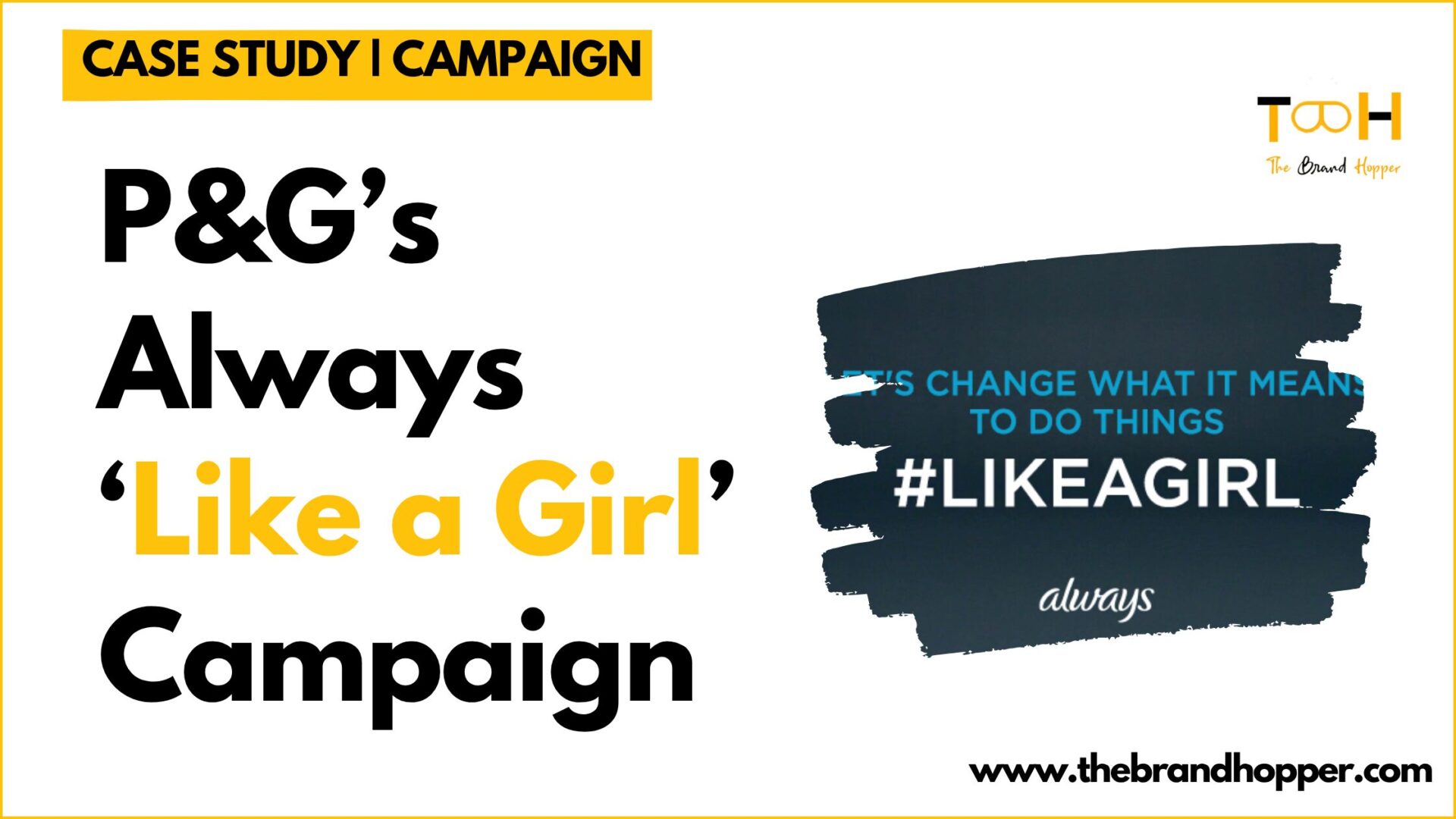
- Spark a movement: get real people talking and sharing about the issue on social media with a unifying call-to-action (the #LikeAGirl hashtag).
- Differentiate Always as the pad brand that truly cares about girls’ well-being, not just pads.
- Improve brand equity and loyalty, ultimately supporting sales, by aligning the brand with a higher purpose and driving deep engagement.
In sum, Always positioned the campaign not around product, but around its mission: boost girls’ confidence by overturning a common gender stereotype.
This insight, backed by data on the puberty confidence gap, guided creative decisions.
Creative Strategy and Messaging
The core idea was a social experiment video that would illustrate the problem and model the solution.
Created by director Lauren Greenfield, the TV/digital spot begins by asking people of various ages and genders to “run like a girl,” “throw like a girl,” or “fight like a girl.” The older boys and men comically flail or perform weakly, reflecting the stereotype. Then young girls (age ~10) are asked the same, and they run, throw, and fight with full strength and confidence. The contrast is stark. An on-screen text asks, “Why can’t run like a girl also mean ‘win the race’?
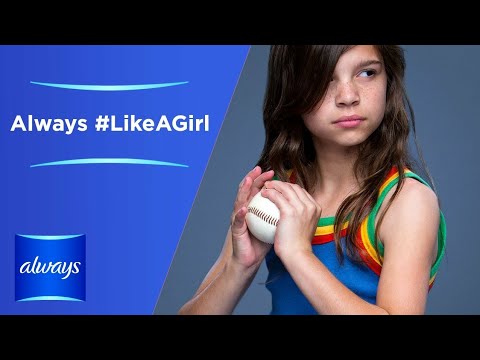
The tone is poignant and inspiring – playful during the experiment, then uplifting. The ad ends with girls celebrating their abilities and the tagline “Unstoppable #LikeAGirl” (later adapted to “Make It Happen” for International Women’s Day) and the Always logo.
Key elements of the messaging:
- Reframing the insult: The video explicitly shows “like a girl” as used dismissively, then flips it by showcasing real girls’ competence.
- Emotional storytelling: By capturing genuine reactions in a documentary style, the film evokes empathy and pride. Its narrative arc (from ingrained stereotype to hopeful redefinition) is designed to move viewers.
- Empowerment theme: Phrases like “Unstoppable #LikeAGirl” and visuals of girls breaking stereotypes reinforce strength. The campaign coins slogans like “like a girl” means amazing things.
- Authenticity: No product is shown; the focus is entirely on real people and their voices. This earned credibility. As Always’s creative lead noted, “having the product in there wasn’t going to make sense” – the goal was to start a conversation and let the idea spread.
- Visual tone: Bright lighting and uplifting music accompany the girls’ demonstrations, lending a positive, aspirational feel. The demographic focus is on tween girls (around 10 years old) whose confidence the brand aims to protect.
Supporting initiatives reinforced the messaging: Always partnered with the Girl Scouts, introduced a “Smash Stereotypes” theme, and even launched a related “Girl Emoji” campaign in 2016 that pushed for more diverse girl emojis – illustrating their long-term creative strategy to challenge biases wherever they appear.
Execution Strategy: Channels and Markets
Always launched “Like A Girl” as a digital-first campaign in June 2014. The 3-minute film debuted on YouTube and was seeded via social media. Its emotional resonance and the catchy #LikeAGirl hashtag drove rapid online sharing. As views climbed into the tens of millions, Always and Leo Burnett expanded the campaign into mass media: a 60-second version aired during the 2015 Super Bowl (one of TV’s biggest stages). This ensured nationwide exposure beyond digital.
Social media was a lynchpin. Always created an entire #LikeAGirl social campaign: people were invited to tweet pictures or statements of what they do “like a girl,” Facebook and Instagram story contests were run, and the brand shared user-generated videos of girls doing amazing things. On International Women’s Day (March 8, 2015), Always released a follow-up film (“Stronger Together”) and explicitly encouraged girls worldwide to post videos and images with #LikeAGirl to show “how awesome doing things #LikeAGirl really is”. This user engagement turned a single video into a sustained movement.
Geographically, the campaign was rolled out globally. After the U.S. launch, Always adapted the ad for over 20 countries across North America, Europe, Asia and Latin America. The film was dubbed or re-shot (with local children) in many languages. In total it reached “150+ countries” and garnered over 85 million YouTube views worldwide. This multinational execution was tailored for cultural relevance: for example, in each market Always partnered with local figures or organizations who champion girls.
Across all channels (online video, TV, PR, events, in-school programs, etc.), the campaign message was kept consistent. The media mix blended paid media (YouTube ads, TV slots), owned media (Always.com story, branded sites), and earned media (extensive news coverage, social shares). During the Super Bowl, the ad achieved a reported 9% share of digital buzz, an extraordinary SOV for a CPG brand. As one marketing commentator noted, Always achieved “considerable global awareness” – the campaign was “remembered not for the content of the advert, but for the conversation it sparked in society.”
Influencers and Social Engagement
A deliberate viral and influencer strategy amplified the campaign’s reach.
Central was the #LikeAGirl hashtag, which Always promoted as a rallying cry. The brand set up a dedicated web page and social channels, and they “invited women to tweet about the positive things they do ‘like a girl’”. This call-to-action prompted thousands of stories, photos and videos from girls and women using the hashtag, effectively turning ordinary people into campaign advocates.
Social metrics skyrocketed: Always’s Twitter followers and YouTube subscribers spiked during the campaign, and #LikeAGirl trended on Facebook and Twitter.
Influencers and notable personalities also took part. Always’s follow-up films featured real-life heroines (for instance, Karlie Harman, a high-school quarterback, was profiled to show girls doing new things “like a girl”). Women’s empowerment figures lent support – celebrities and activists including Gloria Steinem and actor George Takei publicly joined the conversation to redefine “like a girl”.
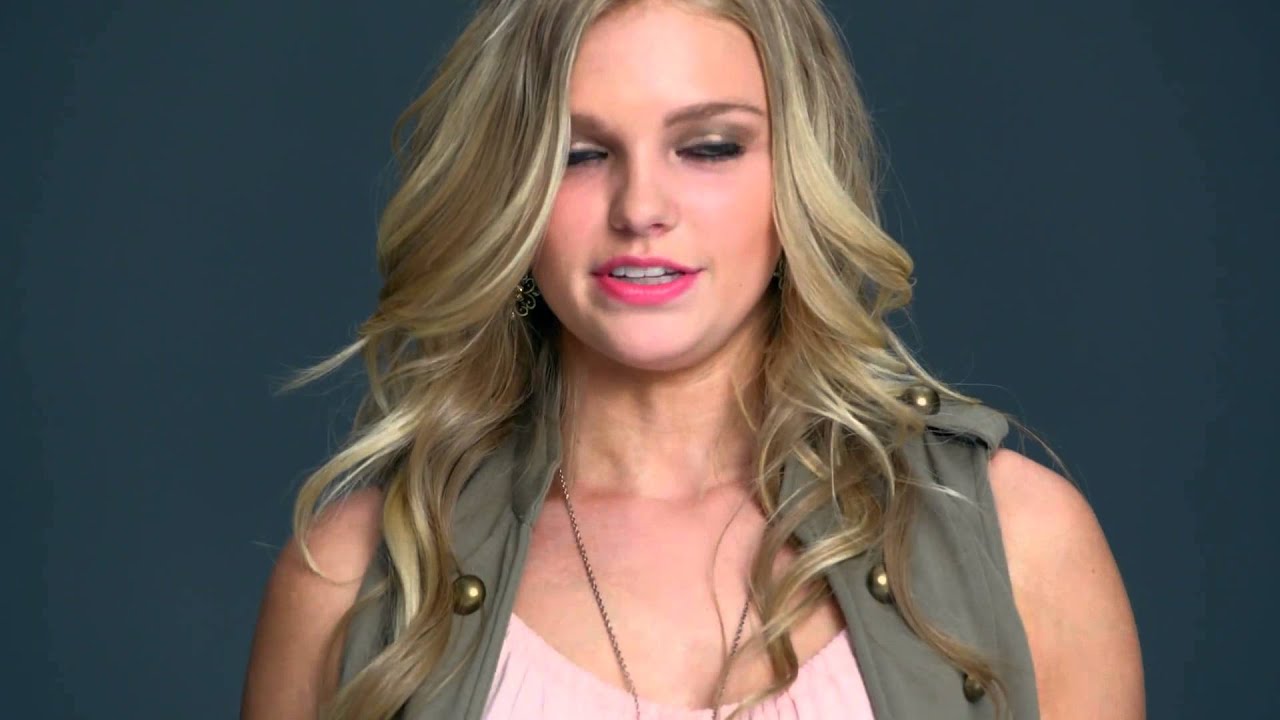
The brand partnered with groups like the Girl Scouts and TED-Ed to create educational content around confidence. Always also linked with events: for example, during the Rio 2016 Olympics they ran sports-themed “Unstoppable” activations encouraging girls to play, garnering endorsement by 30+ Olympic athletes.
Each influencer tie-in or partner amplified the message on social media: by aligning with respected voices on gender equality, Always added credibility. As Leo Burnett’s Judy John said, the campaign’s success hinged on the authentic responses captured on film, which “encouraged people to take part in changing the meaning” of the phrase. In short, a user-driven social media strategy – fueled by the hashtag and bolstered by influencers – turned the ad into a participatory movement.
Consumer Reception and Public Sentiment
The public reaction was overwhelmingly positive. Within days of release, “Like A Girl” became a viral sensation: millions watched and shared the video worldwide. In the first two months it accrued over 90 million views across 150+ countries. It was later described as the world’s second-most popular viral video ever.
Social listening showed near-universal praise: one analysis found ~96% of online sentiment was positive. The campaign generated unprecedented earned media – articles, blog posts and TV segments covering its empowering message – which amplified the brand’s voice without additional ad spend.
Surveys confirmed the emotional impact. A P&G/Millward Brown study found that 76% of young women (16–24) said the video changed how they view “like a girl,” making it no longer an insult. Similarly, 76% of young men said they would now “think twice” before using the phrase negatively.
Public use of the phrase shifted: girls started using “like a girl” proudly in posts and ads, effectively reversing its connotation. A LinkedIn summary noted that post-campaign three times more girls had a positive association with “like a girl” than before.
In consumer focus groups and social media, people consistently lauded Always for spotlighting an important issue. Many remarked that the ad gave them “chills” and made them reconsider unconscious language. Although some skeptics raised questions about a brand doing “femvertising,” most commentary was gratitude – mothers thanked Always for giving their daughters a confidence boost.
The campaign sparked general discussion on gender bias (even appearing in educational settings), indicating it resonated well beyond typical ad audiences. In short, Always succeeded in making “Like A Girl” a movement rather than just an ad, winning broad consumer support for the message.
Business and Brand Impact
From a business standpoint, #LikeAGirl delivered significant gains. Brand metrics showed a major lift: Always’s aided awareness and brand favorability jumped during the campaign, while many competitors saw declines.
In fact, Milward Brown found Always’ brand equity rose in double digits over the campaign period, bucking an otherwise flat or declining category Buying intent and brand preference also improved markedly – one report noted that “buying intent and brand choice increased drastically” for Always after the campaign.
The campaign generated enormous value in earned media. According to LinkedIn’s case report, the powerful message yielded 4.5 billion impressions worldwide and over 1,800 earned-media placements. Similarly, internal reports cited over 4.4 billion media impressions and 1,100+ news/magazine coverages in just the first three months (far above any prior Always campaigns). On social channels, the film was shared over 1 million times and generated roughly 290 million social impressions. These metrics translate to enormous free publicity and awareness: consumer buzz was through the roof.
Such impact translated into industry accolades and business results. At the 2015 North American Effie Awards (which honor marketing effectiveness), Like A Girl swept six awards (4 Gold and 2 Silver Effies) for Always in categories like Youth Marketing and Media Innovation. P&G was named the Most Effective Marketer in North America that year, and Always was cited as the Second Most Effective Brand of 2015. This recognition means the campaign didn’t just get attention – it drove actual marketing results.
While P&G seldom breaks out sales figures by brand publicly, industry sources noted that Always’s sales trajectory improved post-campaign relative to competitors. Even without exact numbers, the brand’s market share and growth accelerated, driven by the enhanced image. According to marketing analyses, the campaign aligned Always with a positive social purpose (often a key to long-term loyalty), and the advertising effectively communicated that higher purpose to consumers.
In summary, the “Like A Girl” movement delivered measurable gains: soaring awareness, improved brand health (equity, preference, loyalty) and strong earned-media ROI, all of which are proxies for business success.
Awards and Recognitions
Always’ “Like A Girl” campaign became one of advertising’s most-awarded pieces. It garnered top global honors including:
-
Cannes Lions (2015) – Grand Prix in Film (and a Gold Lion).
-
Emmy Awards (2015) – Winner for Outstanding Commercial.
-
Clio Awards – Grand Clio in Health & Wellness, among multiple other Clios.
-
Effie Awards (North America, 2015) – Six awards (4 Gold, 2 Silver) for Always.
-
D&AD Awards (2015) – Eight pencils across Direct, Digital, Film, etc., including a rare Black Pencil in “Creativity for Good” (only five Black Pencils awarded that year).
-
Other Honors – Multiple One Show Pencils, Art Directors Club (ADC) awards, ANDY awards, etc. (the campaign “has been a mainstay on the creative award show circuit”).
In short, Like A Girl not only achieved business goals but swept the industry’s top creative and effectiveness awards, cementing its status as a landmark campaign in marketing history.
Lessons for Marketers
The success of Always’ #LikeAGirl campaign offers several clear takeaways:
-
Ground your idea in real insight. The campaign sprang from genuine research: understanding that girls’ confidence drops at puberty and that “like a girl” was universally pejorative. A deep audience insight (girls internalize that insult) gave the campaign authenticity and focus.
Lesson: Invest in listening and research first – a powerful insight can drive both creativity and relevance.
-
Align with brand purpose. Always had a 30-year legacy of puberty education. By tying the campaign to that legacy (championing girls’ confidence), the messaging felt true to the brand. Instead of a gimmicky one-off, it was an authentic extension of Always’s mission.
Lesson: Social campaigns should naturally fit the brand’s identity. Coherence between message and product category makes the effort believable and sustainable
-
Tell an emotionally resonant story. The ad uses a simple, relatable social experiment to evoke empathy and pride. It didn’t talk about pads at all, but centered on people’s feelings. The raw, documentary style and real emotions (surprise, indignation, hope) made viewers connect deeply.
Lesson: Emotional storytelling often outperforms rational appeals. Ads that make people feel (especially positive pride or inspiration) can achieve remarkable engagement.
-
Mobilize social participation. Always made #LikeAGirl a participatory movement. The hashtag was a clear call-to-action, and the brand actively invited consumers to share their own stories and content (tweets, photos, videos) under that tag. This user-generated content served as free amplification.
Lesson: Give people a way to join the campaign themselves (a memorable hashtag, challenge, etc.). When people see social currency in sharing your message, they become brand advocates.
-
Use an integrated media mix. The campaign didn’t rely on a single channel. It started online (letting the video go viral), then extended to TV (Super Bowl spot), PR (news/features about the movement), and grassroots (schools, NGOs). Each channel reinforced the others.
Lesson: To maximize impact, blend paid, owned and earned media. A digital-first video can kick-start buzz, but mass channels and PR can scale the message to every demographic.
-
Be authentic; don’t force the product. Always consciously left its product out of the creative. This built trust – viewers saw it as genuine advocacy, not a cynical ad.
Lesson: If a cause campaign is not credible or feels like pandering, it can backfire. Always showed that sometimes no product focus (and a transparent intention) can strengthen brand loyalty.
-
Measure both cultural and business impact. Always paired creative metrics (views, shares) with brand measures (lift in positive associations, brand equity) and business outcomes (Effie awards, market share gains).
Lesson: Set clear objectives and use rigorous evaluation. The #LikeAGirl campaign tracked both social sentiment (e.g. 76% changed perception) and marketing effectiveness (Effies won) – a model for any purpose-driven effort.
In summary, the #LikeAGirl case teaches marketers that a bold, purpose-driven idea – rooted in truth, told with heart, and shared as a movement – can transform not just a brand’s image, but its fortunes. By courageously challenging a societal norm and inviting everyone to join, Always turned a simple phrase into an empowering message, creating lasting value for consumers and the brand alike.
Also Read: Case Study: Dove’s “Real Beauty” Brand Campaign
To read more content like this, subscribe to our newslette