Why are some healthcare brands growing faster than ever while others struggle to stay relevant? It’s not about bigger ad budgets (though they can help), but about how well they understand today’s patient. Expectations have changed. People now compare providers the same way they shop for tech or travel: by convenience, transparency, and digital experience.
So, if your marketing still relies on broad outreach, static websites, or outdated assumptions about loyalty, you’re behind. It may be a tough pill to swallow (no pun intended), but realizing you’re doing it wrong is the first step toward doing it right. But what is right in 2025?
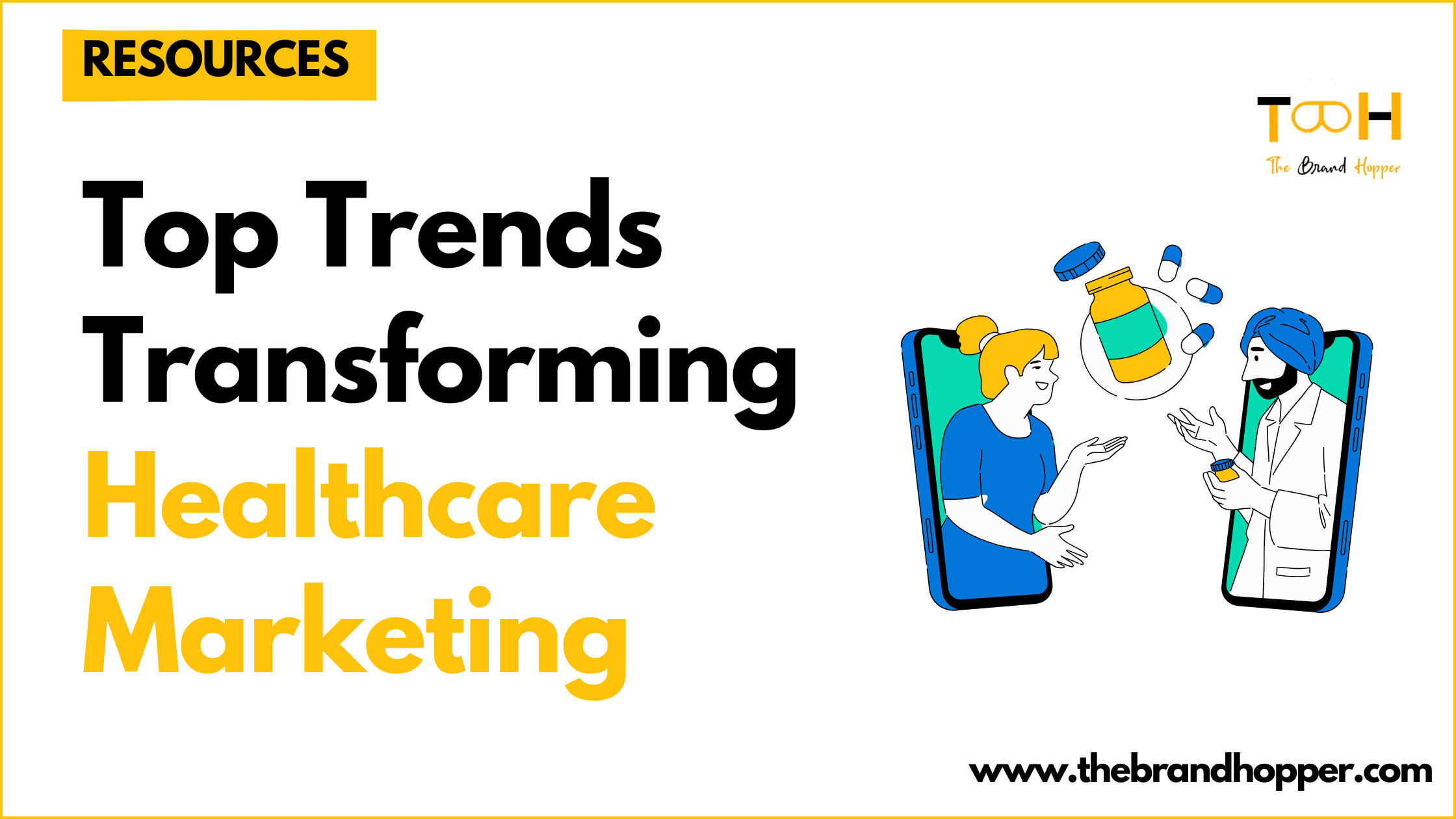
What works now is marketing that is precise, data-informed, and built around actual patient behavior. From personalized engagement to collaborative care campaigns, here’s how healthcare marketing is being reshaped, and what you’ll need to compete in the next phase.
Patients Aren’t Just Patients Anymore
It’s not an exaggeration to say that today’s patients are not only informed, but comparison-shopping and feedback-leaving stakeholders in their own care. This means you cannot just broadcast services; you’re now expected to tailor communication to match each person’s needs, history, and preferences. And for that reason, you need data-driven outreach.
Instead of mass messaging, you should use behavior patterns, demographics, past interactions, and even psychographics to determine when and how to reach someone. Yes, it requires deeper infrastructure (robust CRM integration, analytics dashboards, HIPAA-compliant automation, etc.) but it definitely pays off (personalized communication can increase revenue and retention by up to 30%).
Personalized Engagement Is Now Required
Modern patients expect relevance. That means platforms like MyChart aren’t just for appointment reminders anymore; they’re channels to deliver content based on individual treatment history, recent lab results, or care milestones.
But here’s what really sets apart high-performing healthcare brands: they treat engagement like a conversation, not a broadcast. Push too much, and you’ll get unsubscribed. But respond with timely, relevant value—say, a personalized video explanation of a diagnosis—and you’re suddenly building long-term loyalty instead of just a one-time appointment.
The Shift to Digital-First Has Finally Stuck
In 2025, marketing isn’t about throwing a few dollars at Google Ads and calling it a day. Digital marketing for healthcare now hinges on multichannel, measurable campaigns that span search, paid social, email, native content, and even TikTok when it makes sense.
The goal isn’t to be everywhere; it’s to be present where your audience actually spends time. What works for a pediatric clinic won’t work with orthopedic surgeons. That’s why segmentation is so important; in fact, it’s the prerequisite for cutting waste and improving ROI.
Also, accessibility. If your content isn’t readable at a 7th-grade level, mobile-optimized, and screen-reader-friendly, you’re quietly locking people out. And not just ethically, it’s a losing business decision.
Collaborative Care Means Collaborative Marketing
As the model of care delivery moves toward team-based, coordinated systems, especially in chronic care or behavioral health, marketing needs to keep up. That means cross-promoting services within a health system, aligning outreach across specialists, and even co-branding initiatives with pharma, diagnostics, or community health organizations.
This approach doesn’t just make logistical sense. It reflects how people actually experience care, which is holistically. And when your messaging shows you understand that, it feels more human, less like a siloed transaction.
What’s Working Right Now
Let’s zoom in on tactics making waves for a reason:
- Reputation Management with Real-Time Feedback. Automating post-visit surveys via text or email, and immediately routing bad experiences to service teams. Patients feel heard, and you solve problems before they become public complaints.
- Localized SEO Optimization. For multi-location systems, geo-targeted service pages and schema markup are driving traffic that actually converts. Not vanity views, but bookings.
- Condition-Specific Content Hubs. These aren’t generic blog posts. These are tailored microsites or resource centers built around patient journeys—pre-op to post-op, diagnosis to long-term management.
- Short-Form Video Explainers. Especially in specialties like dermatology or endocrinology, short animated clips demystify what would otherwise be five pages of medical jargon. Easier for patients, easier for your staff, and better SEO.
What You Should Be Thinking About Next
The future of healthcare marketing is less about being louder and more about being smarter. That means you’ll likely need to reframe your internal structures: stop thinking of “marketing” as a downstream, support function and start building it into the service design itself.
Want to differentiate your practice or system? Focus on frictionless patient journeys, embedded marketing touchpoints, and clear communication at every step, from the first Google search to the post-discharge call.
Also, stop treating innovation as a luxury. With rising competition and changing consumer expectations, it’s a necessity. Think of the organizations you admire in this space: they’re not coasting. They’re building systems, tools, and teams that reflect where healthcare is actually going, not where it’s been.
To read more content like this, explore The Brand Hopper
Subscribe to our newsletter